

Do Nicotine Patches Work? A Doctor-Reviewed Answer

Nicotine patches deliver a steady dose of nicotine through the skin to ease withdrawal symptoms after stopping smoking. They do not contain tobacco smoke, tar, or carbon monoxide, but they should be used according to product and clinician guidance.
Key Takeaways
- Nicotine patches deliver a steady dose of nicotine through the skin to ease withdrawal symptoms after stopping smoking.
- They do not contain tobacco smoke, tar, or carbon monoxide, but they should be used according to product and clinician guidance.
- Combining a nicotine patch with a short-acting nicotine product may help people who have strong or sudden cravings.
- Mild skin irritation, vivid dreams, and sleep disruption can occur and are usually manageable.
- People with certain medical conditions, pregnancy, or recent heart symptoms should seek individualized medical advice before starting treatment.
Nicotine patches can help many people quit smoking by reducing nicotine withdrawal symptoms and cravings without exposure to cigarette smoke. They work best when used as part of a structured quit plan that includes behavioral support and appropriate follow-up.
Do Nicotine Patches Work?
Yes. Nicotine patches can help people stop smoking by providing a controlled amount of nicotine through the skin, which reduces withdrawal symptoms and cravings while a person breaks the behavioral and physical dependence on cigarettes. They are a form of nicotine replacement therapy and are most effective when paired with a quit plan, counseling, coaching, or other behavioral support.
For many adults who smoke, patches are a safe and practical first-line option. They do not expose the user to the tar, carbon monoxide, and many toxic chemicals produced by burning tobacco. However, they still contain nicotine, which is why correct use and medical guidance are important for some individuals.
A patch is not a test of willpower and does not need to work perfectly on the first attempt. A lapse can happen during quitting, but it does not mean the plan has failed. A clinician can help adjust treatment, address triggers, and consider other evidence-based smoking cessation treatment options when needed.
How Nicotine Patches Help the Body Adjust
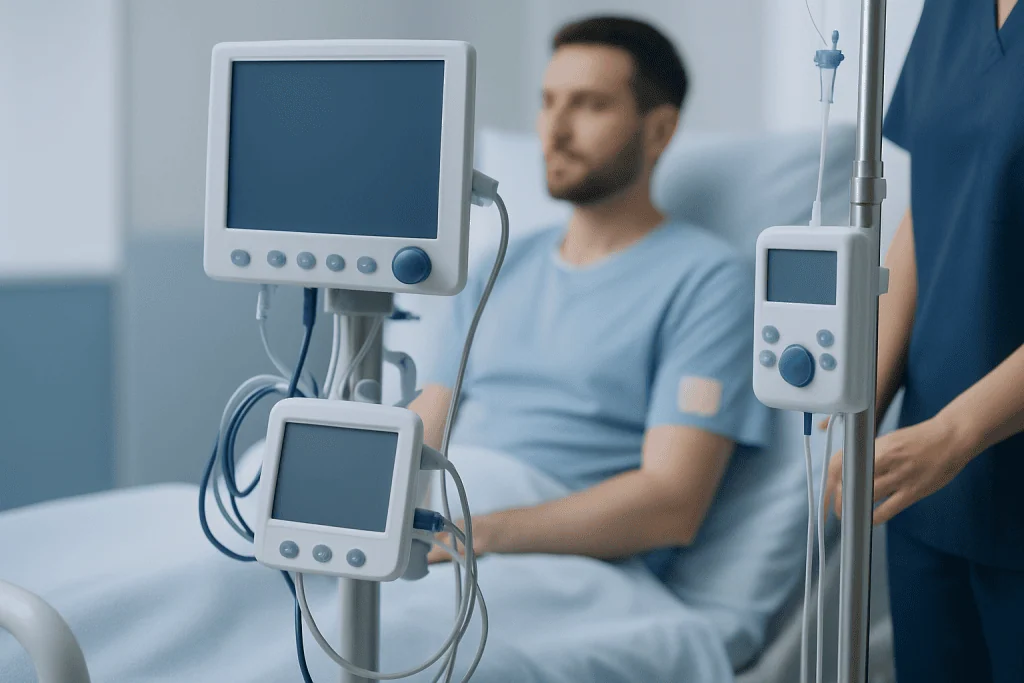
Cigarettes deliver nicotine rapidly to the brain, which reinforces smoking urges. When a person stops smoking, nicotine levels fall and withdrawal symptoms may appear. These can include irritability, restlessness, low mood, difficulty concentrating, increased appetite, and strong cravings. A patch releases nicotine gradually over many hours, helping make this transition more manageable.
Because nicotine from a patch is delivered more slowly than nicotine from smoking, it does not reproduce the immediate reward associated with cigarettes. This can be helpful: the patch supports the physical aspect of quitting while the person develops new routines for situations linked to smoking, such as drinking coffee, taking work breaks, driving, or managing stress.
Patch strength and duration of use are usually selected according to how much a person smokes and how soon after waking they typically smoke. Treatment often starts with a stronger patch and gradually steps down over time. The most appropriate schedule depends on the individual product instructions and the person’s smoking pattern.
What Results to Expect

Nicotine patches can reduce cravings and withdrawal, but they do not remove every urge to smoke. Cravings may still occur in response to familiar situations, emotions, alcohol use, or being around others who smoke. Preparing for these triggers is an important part of treatment.
Some people benefit from combination nicotine replacement therapy. This generally means using a long-acting product such as a patch for steady symptom control together with a short-acting product, such as nicotine gum or lozenges, for sudden cravings. A doctor or pharmacist can help determine whether this approach is suitable.
Success is more likely when treatment is combined with practical support. This may include setting a quit date, identifying triggers, involving supportive family or friends, using a smoking cessation service, and arranging follow-up appointments. People who have tried to quit before can still succeed; prior attempts often provide useful information about which cravings or circumstances need more support.
Using Nicotine Patches Correctly
The patch is usually applied once daily to clean, dry, hairless skin on the upper body or upper arm. The application site should be changed each day to reduce the chance of skin irritation. The patch should be pressed firmly in place and used exactly as directed in the product information or by a healthcare professional.
It is important not to cut a nicotine patch unless the specific product instructions clearly say this is acceptable. People should also avoid placing it on broken, irritated, or sunburned skin. Used patches still contain nicotine, so they should be folded with the sticky sides together and kept safely away from children and pets.
Some patches are designed for 24-hour use, while others may be removed at night. Vivid dreams or disturbed sleep can occur, and a clinician or pharmacist may advise whether removing the patch before bed is appropriate. If a patch falls off, follow the product instructions; do not apply extra patches to compensate unless advised.
- Choose a quit date and begin the patch plan as instructed.
- Rotate skin sites each day.
- Keep cigarettes, vaping products, and smoking cues out of easy reach where possible.
- Use a planned coping strategy for cravings, such as a short walk, water, deep breathing, or contacting a support person.
Side Effects, Safety, and Common Concerns
Most side effects are mild and temporary. The most common include itching, redness, or burning where the patch was applied. Mild reactions often improve by rotating sites and ensuring the skin is dry before application. If a severe rash, swelling, blistering, or widespread skin reaction develops, the patch should be stopped and medical advice sought.
Some people experience headache, nausea, dizziness, palpitations, sleep changes, or vivid dreams. These symptoms may result from nicotine, withdrawal from smoking, or using a dose that is not well matched to the person’s needs. They should be discussed with a doctor or pharmacist, particularly if symptoms are persistent or troublesome.
Smoking while using a nicotine patch can increase nicotine exposure and may cause unpleasant symptoms such as nausea, dizziness, sweating, or a racing heartbeat. If a lapse occurs, it is sensible to seek advice rather than abandon the quit attempt. A healthcare professional can explain how to restart the plan safely and how to manage the trigger that led to smoking.
Nicotine patches are generally safer than continued cigarette smoking for most adults who smoke. Still, people who are pregnant or breastfeeding, adolescents, those with recent heart symptoms, serious heart rhythm problems, unstable chest pain, or certain skin conditions should speak with a qualified clinician before use. Individual advice is also important for people taking medicines that may need adjustment after smoking cessation.
When to Seek Medical Care
Most patch-related effects, such as mild temporary redness at the application site or occasional vivid dreams, are not dangerous and can often be managed with practical changes or advice from a pharmacist. A doctor should review symptoms that are severe, persistent, or make it difficult to continue the quit attempt.
Urgent medical assessment is appropriate for chest pain, fainting, severe shortness of breath, severe or persistent palpitations, signs of a serious allergic reaction such as swelling of the face or throat, or confusion. These symptoms should not simply be assumed to be caused by nicotine withdrawal or the patch.
A doctor will usually ask about smoking and vaping history, previous quit attempts, medical conditions, current medicines, pregnancy status where relevant, and the timing of symptoms. They may check blood pressure and heart rate and assess whether symptoms could have another cause. This review helps identify the safest cessation plan and whether other support or treatment is needed.
Treatment Options Beyond the Patch
Nicotine patches are only one option for quitting smoking. Other nicotine replacement products include gum, lozenges, inhalers, and nasal sprays in locations where these are available. Short-acting products can be especially useful for breakthrough cravings, while non-nicotine prescription medicines may be appropriate for some people.
Behavioral treatment is a central part of smoking cessation care. A clinician, counselor, or dedicated quit service can help a person recognize smoking triggers, develop alternatives for stress management, plan for social situations, and recover after a lapse. Support can be provided individually, in groups, by telephone, or through structured digital programs.
People with chronic cough, wheezing, breathlessness, or frequent chest infections should not assume these symptoms are simply part of smoking. Assessment may be needed for respiratory conditions such as chronic obstructive pulmonary disease (COPD), as stopping smoking is an important part of protecting lung health.
Acibadem International’s multidisciplinary specialists and JCI-accredited hospitals can assess tobacco dependence and support international patients with individualized smoking cessation care when medically appropriate.
Frequently asked questions
How long does it take for nicotine patches to work?
A nicotine patch begins delivering nicotine after it is applied, but cravings may not disappear completely. Many people notice that withdrawal symptoms become easier to manage over the first days of quitting. Behavioral triggers may continue longer, which is why a coping plan and support are valuable.
Can someone smoke while using a nicotine patch?
Smoking while using a patch can increase nicotine exposure and may cause nausea, dizziness, sweating, or palpitations. A brief lapse does not mean a person has failed, but it is important to seek advice about how to continue safely. A clinician or pharmacist can help adjust the quit plan.
Are nicotine patches safer than cigarettes?
For most adults who smoke, nicotine patches are much safer than continuing to smoke cigarettes because they do not involve burning tobacco. Cigarette smoke contains carbon monoxide, tar, and many harmful chemicals. Nicotine replacement still needs to be used carefully and according to guidance.
Can nicotine patches cause sleep problems?
Yes. Some people have vivid dreams, insomnia, or disturbed sleep while using a nicotine patch, particularly products worn for 24 hours. A pharmacist or doctor can advise whether changing the timing or removing the patch at night is appropriate for the specific product.
Who should ask a doctor before using nicotine patches?
People who are pregnant or breastfeeding, have had recent chest pain or a heart event, have significant heart rhythm symptoms, or have severe skin disease should seek medical advice first. Individual guidance is also useful for adolescents and people taking regular medicines. A clinician can help select the safest and most effective approach.
What if nicotine patches do not control cravings?
A person may need additional behavioral support, a different patch strength, or a short-acting nicotine product for sudden cravings. In some cases, a non-nicotine prescription medicine may be considered. A doctor or pharmacist can review smoking patterns and previous quit attempts to tailor treatment.
References
- World Health Organization
- Centers for Disease Control and Prevention
- U.S. Food and Drug Administration
- National Cancer Institute
- Cochrane
This article is for general information only and is not a substitute for professional medical advice. Please consult a qualified doctor about your individual situation.
Explore treatments in Turkey — costs, top hospitals & a free quote
JCI-accredited · board-certified surgeons · reply within 24h
Add us as a Preferred Source to see more of our trusted health content across Google Search, AI Overviews and Discover.

More from the Health Library


Related Specialists

Dr. Emre Çengelli
Oral Dental & Maxillofacial Surgery
Assoc. Prof. Dr. Şule Göncü Ayhan
Gynecology & Obstetrics
Dr. Mehmet Kaya
Emergency Service
Assoc. Prof. Dr. Ali Harman
Radiology