Drugs for Nausea and Vomiting in Pregnancy: Possible Causes and When to Seek Care

Mild nausea and vomiting in pregnancy are common, but persistent or severe symptoms need medical review. Medication may be appropriate when symptoms affect eating, drinking, weight, work, or sleep.
Key Takeaways
- Mild nausea and vomiting in pregnancy are common, but persistent or severe symptoms need medical review.
- Medication may be appropriate when symptoms affect eating, drinking, weight, work, or sleep.
- Doctors usually combine self-care measures with stepwise treatment based on symptom severity.
- Not all vomiting in pregnancy is "morning sickness"; infection, digestive disease, migraines, and other conditions can also cause it.
- Urgent assessment is needed for dehydration, inability to keep fluids down, weight loss, fainting, or blood in vomit.
Drugs for nausea and vomiting in pregnancy may be considered when lifestyle steps are not enough and symptoms begin to interfere with hydration, nutrition, sleep, or daily activities. The safest choice depends on how severe the symptoms are, how far along the pregnancy is, and whether another medical problem could be contributing.
Overview: when medication may help
Drugs for nausea and vomiting in pregnancy can be helpful when symptoms go beyond occasional queasiness and begin to affect daily life. Many pregnant women improve with simple changes such as smaller meals, good hydration, and avoiding trigger smells or foods. When those measures are not enough, a clinician may recommend medicine to reduce nausea, prevent dehydration, and help restore normal eating and drinking.
Nausea and vomiting in pregnancy often starts in the first trimester, but the pattern varies from person to person. Some people feel mostly morning nausea, while others have symptoms throughout the day. A smaller group develops severe vomiting with dehydration and weight loss, a condition known as hyperemesis gravidarum, which usually needs closer monitoring and sometimes hospital-based care.
The best treatment plan is individualized. Doctors consider symptom severity, medical history, current medications, multiple pregnancy, and whether there are warning signs suggesting another cause. This stepwise approach helps balance symptom relief with pregnancy safety and avoids unnecessary treatment.
Possible causes of nausea and vomiting in pregnancy
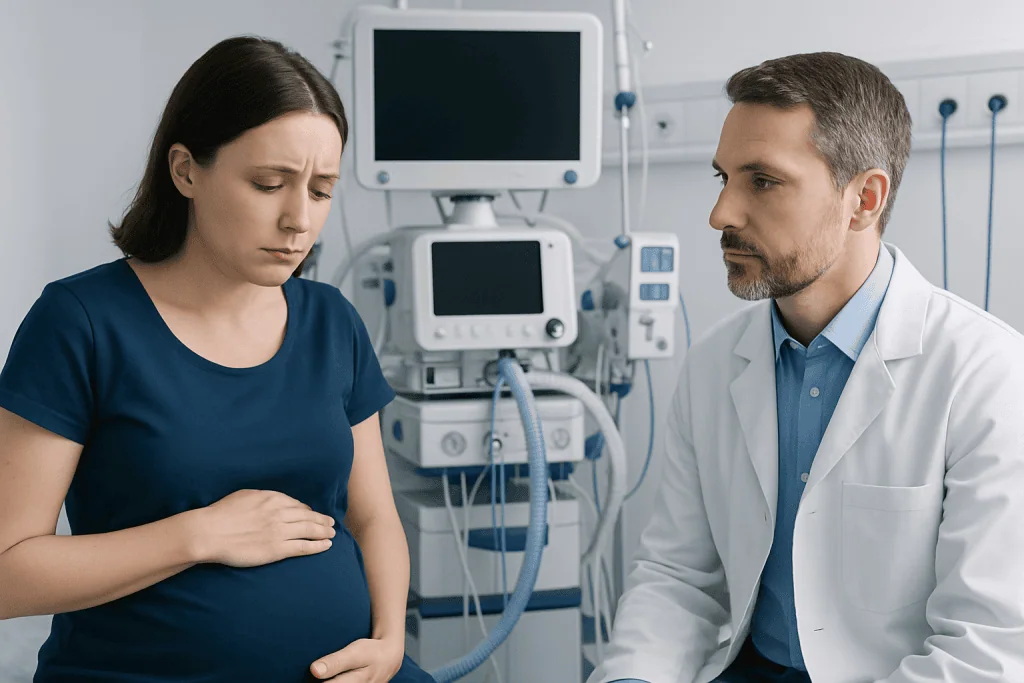
In most cases, nausea and vomiting in pregnancy are related to normal hormonal and digestive changes. Rising pregnancy hormones, especially early in pregnancy, can affect the stomach and the brain centers involved in nausea. Slower stomach emptying and a heightened sense of smell may also make symptoms more noticeable.
However, pregnancy does not prevent other illnesses from occurring. Nausea and vomiting may also be linked to viral stomach infections, food poisoning, reflux, gallbladder disease, migraine, urinary tract infection, thyroid problems, or side effects of iron supplements and other medicines. If symptoms begin very suddenly, occur later in pregnancy, or are accompanied by fever, severe pain, or diarrhea, another cause may need to be ruled out.
Certain factors can make pregnancy-related nausea more likely or more severe. These include a history of motion sickness or migraine, nausea in a previous pregnancy, carrying twins or more, and severe fatigue or stress. Knowing the likely cause matters because treatment is not only about symptom control; it also includes correcting dehydration, replacing nutrients, and treating any underlying condition.
Symptoms that suggest treatment is needed
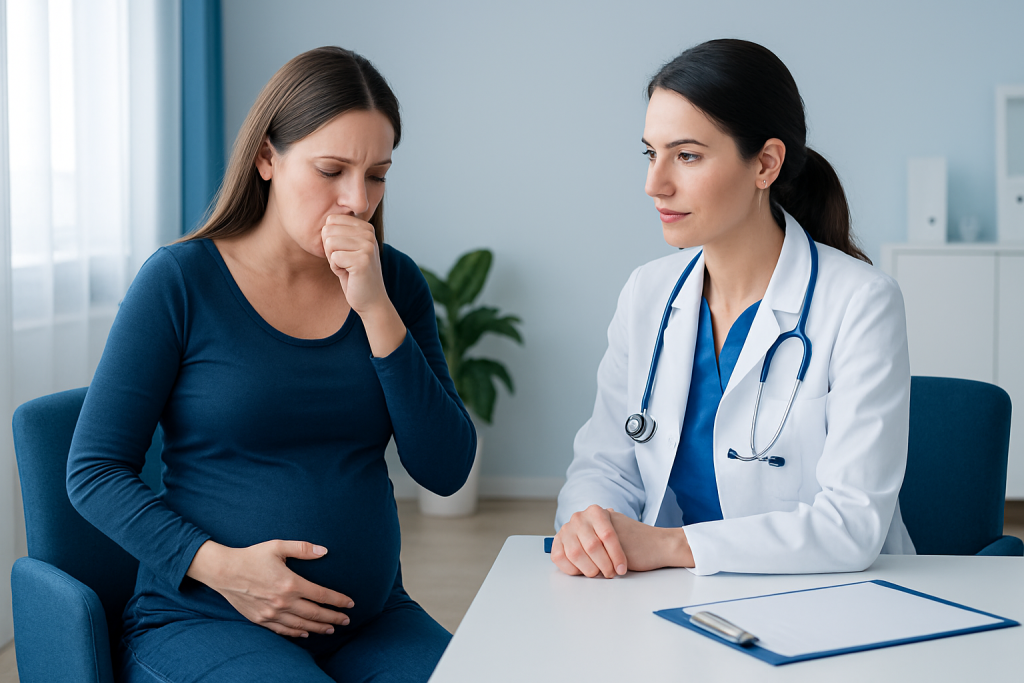
Mild nausea may be unpleasant but still allow normal meals and fluid intake. Medication becomes more relevant when symptoms start to limit eating, drinking, work, sleep, or everyday activities. Frequent vomiting, a strong aversion to most foods, and worsening weakness are common signs that home measures alone may not be enough.
Doctors also look for signs of dehydration or undernutrition. These can include dry mouth, dark urine, urinating less often, dizziness, fast heartbeat, headache, and unintentional weight loss. Some pregnant women may also develop constipation, acid reflux, or faintness because they are not able to maintain normal fluid and food intake.
Severe symptoms can overlap with dehydration and may require more active treatment. Warning features include being unable to keep down fluids for several hours, vomiting many times a day, confusion, severe abdominal pain, blood in vomit, or reduced urine output. These symptoms warrant prompt medical advice rather than trying new over-the-counter remedies without guidance.
How doctors evaluate nausea and vomiting in pregnancy
Evaluation starts with a careful history. A clinician will ask when the nausea began, how often vomiting occurs, whether fluids stay down, whether there has been weight loss, and whether symptoms are linked to certain foods, smells, medications, or times of day. They may also ask about abdominal pain, fever, urinary symptoms, headaches, or vaginal bleeding to look for causes other than routine pregnancy-related nausea.
A physical examination helps assess hydration and general well-being. Depending on symptoms, the doctor may check weight, pulse, blood pressure, abdominal tenderness, and signs of dehydration. Urine tests may be used to look for ketones, which can suggest inadequate intake, or to identify a urinary infection.
Blood tests are not always necessary, but they may be recommended in moderate to severe cases to assess electrolytes, kidney function, liver function, and thyroid status. Imaging is only used when clinically indicated, for example if there is concern about gallbladder disease or another abdominal condition. The goal is to confirm that treatment is directed at the right problem rather than assuming all vomiting is simply morning sickness.
What drugs may be used during pregnancy
Doctors generally use a stepwise approach for drugs for nausea and vomiting in pregnancy. Treatment often begins with non-drug strategies and then moves to medication if symptoms persist. A clinician may suggest vitamin-based therapy, antihistamine-type anti-nausea medicines, or other prescription antiemetics depending on how severe the symptoms are and how the person has responded to earlier measures.
Not every medicine is suitable for every patient, and pregnancy safety matters. The choice depends on symptom pattern, trimester, other medical conditions, and possible side effects such as sleepiness or constipation. It is important not to start or combine medicines without professional advice, including herbal products or remedies marketed online as natural pregnancy cures.
For severe or persistent vomiting, treatment may include intravenous fluids and medicines given in a clinic or hospital. If dehydration is significant or oral medicines cannot be kept down, doctors may use intravenous fluid therapy to replace fluids and salts. In difficult cases, specialist review may be needed through gastroenterology care or obstetric care to make sure another digestive or metabolic cause is not being missed.
When symptoms are prolonged, clinicians may also look at nutrition support, reflux treatment, and management of constipation, since these can worsen nausea. The aim is not only to stop vomiting but also to help the pregnant person eat enough, drink enough, and feel functional again.
Self-care measures that can work alongside medication
Medicine often works best when combined with practical self-care. Many people tolerate small, frequent meals better than large meals, especially foods that are bland, dry, or higher in protein. Cold foods may be easier than hot meals if cooking smells trigger nausea, and sipping fluids between meals rather than with meals may reduce fullness and vomiting.
Simple changes in routine may also help. Keeping plain crackers by the bed, rising slowly in the morning, avoiding strong odors, and getting adequate rest can reduce symptom intensity for some women. Identifying personal triggers—such as greasy foods, crowded spaces, or certain vitamins—can make daily management easier.
Hydration is especially important. Taking small sips often, trying oral rehydration drinks if recommended, and monitoring urine color can help a person notice early dehydration. If prenatal vitamins worsen nausea, a doctor may suggest adjusting the timing or reviewing the formulation rather than stopping supplements without advice.
- Eat little and often instead of waiting until very hungry.
- Choose foods that seem tolerable, even if meals are temporarily less varied.
- Rest when possible, since exhaustion can intensify nausea.
- Ask a clinician before using over-the-counter anti-nausea products.
When to seek medical care
Medical care should be sought when nausea or vomiting is persistent, worsening, or interfering with hydration and nutrition. This is especially important if there is weight loss, very little urine, dizziness on standing, a racing heartbeat, or an inability to keep fluids down. Prompt treatment can prevent complications and may reduce the need for emergency care later.
Urgent assessment is also needed for blood in the vomit, severe abdominal pain, fever, fainting, confusion, severe headache, or symptoms starting for the first time later in pregnancy. These features can suggest a problem other than typical pregnancy-related nausea. If vomiting is severe, a doctor may recommend blood tests, urine testing, or hospital observation to correct dehydration and identify the cause.
For international patients needing coordinated assessment, Acibadem International’s multidisciplinary specialists and JCI-accredited hospitals evaluate pregnancy-related nausea and vomiting and related digestive concerns. If symptoms raise concern for an underlying stomach disorder rather than routine pregnancy nausea, targeted endoscopy or medical check-up evaluation may be considered when clinically appropriate.
Frequently asked questions
Are drugs for nausea and vomiting in pregnancy safe?
Some medicines can be used during pregnancy, but the right choice depends on the person, the trimester, and symptom severity. A doctor weighs expected benefits against possible risks and usually starts with the safest effective option. It is best to avoid self-prescribing, even with nonprescription products.
When should a pregnant woman consider medication for nausea?
Medication may be considered when nausea and vomiting interfere with eating, drinking, work, sleep, or daily activities. It is also appropriate to seek advice early if there are signs of dehydration or weight loss. The goal is to prevent symptoms from becoming more severe.
Is morning sickness the same as hyperemesis gravidarum?
No. Morning sickness usually refers to mild to moderate nausea and occasional vomiting in pregnancy, while hyperemesis gravidarum is a more severe condition. Hyperemesis often involves persistent vomiting, dehydration, and weight loss and may require hospital treatment.
Can nausea and vomiting in pregnancy have causes other than pregnancy hormones?
Yes. Digestive infections, reflux, gallbladder disease, migraines, urinary infections, thyroid problems, and medication side effects can also cause vomiting during pregnancy. This is why unusual or severe symptoms should be assessed rather than assumed to be routine pregnancy nausea.
What can help before medication is prescribed?
Small frequent meals, avoiding trigger smells, choosing bland or cold foods, resting well, and sipping fluids regularly can all help. Some people also do better when they separate fluids from meals. If symptoms persist, a clinician can advise on the next step.
When is vomiting in pregnancy an emergency?
Urgent care is needed if a pregnant woman cannot keep fluids down, feels faint, urinates very little, has severe abdominal pain, vomits blood, or becomes confused. Fever or new severe symptoms later in pregnancy also need prompt medical review. These signs can indicate dehydration or another medical problem.
References
- American College of Obstetricians and Gynecologists
- Royal College of Obstetricians and Gynaecologists
- National Institute for Health and Care Excellence
- Merck Manual Professional Edition
- World Health Organization
This article is for general information only and is not a substitute for professional medical advice. Please consult a qualified doctor about your individual situation.
Persistent digestive symptoms? Get evaluated in Turkey
JCI-accredited · board-certified surgeons · reply within 24h
Add us as a Preferred Source to see more of our trusted health content across Google Search, AI Overviews and Discover.
Check your numbers in seconds
BMI, calories, due date, blood pressure and 30+ more clinical calculators — free, instant, doctor-reviewed ranges.