Hairy Butt: What Patients Need to Know
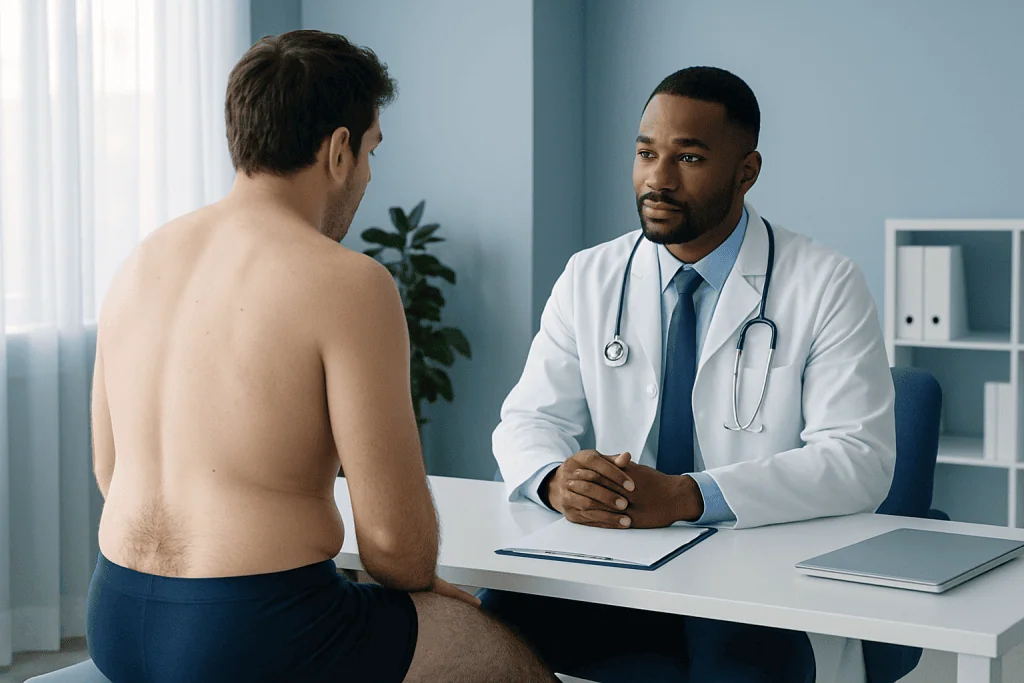
Hair on the buttocks and around the anus is common and usually harmless. Genetics, hormones, age, and normal body variation are the main reasons some people have more hair in this area.
Key Takeaways
- Hair on the buttocks and around the anus is common and usually harmless.
- Genetics, hormones, age, and normal body variation are the main reasons some people have more hair in this area.
- Problems are more likely when hair traps moisture or friction leads to itching, ingrown hairs, or folliculitis.
- Gentle hygiene is usually enough; aggressive shaving can make symptoms worse.
- Medical review is helpful for pain, discharge, bleeding, lumps, or recurrent boils.
A hairy butt usually means normal body hair on the buttocks or around the anus, and for most people it is not a medical problem. It may need attention only if it causes irritation, odor, itching, ingrown hairs, or repeated skin infections.
Overview: Is a Hairy Butt Normal?
A hairy butt is usually a normal variation in body hair. Many people have hair on the buttocks, between the buttocks, or around the anus, and the amount can vary widely from person to person. In most cases, this is related to genetics and hormones rather than disease.
Hair in this area can sometimes be more noticeable during puberty and adulthood, especially in people who naturally have thicker or darker body hair. It does not mean hygiene is poor, and it does not automatically indicate a hormonal disorder.
The main medical issue is not the hair itself but whether it contributes to symptoms. Hair can trap sweat, stool residue, or friction, which may lead to itching, odor, ingrown hairs, or inflamed hair follicles. For some people, the concern is mainly cosmetic; for others, skin irritation or repeated infections are the reason to seek advice.
Why Some People Have More Hair in This Area
Body hair distribution is largely determined by inherited traits. Some people naturally grow more hair on the buttocks and around the anus, while others have very little. This pattern can be seen in all sexes and body types, although hair may be thicker or coarser in some individuals because of androgen sensitivity.
Hormones also influence hair growth. During puberty, androgen hormones stimulate body hair in several areas, including the underarms, groin, chest, and sometimes the buttocks. With age, hair texture and density can change further.
Less often, excess body hair may be part of a broader pattern called hirsutism or hypertrichosis. These terms are used when hair growth is unusually excessive for a person’s age, sex, or expected pattern. If increased hair appears suddenly or is accompanied by acne, irregular periods, deepening voice, or rapid weight changes, a doctor may assess for hormone-related conditions such as polycystic ovary syndrome.
When Hair Becomes a Problem: Symptoms and Related Conditions
Most people with a hairy butt have no symptoms at all. When symptoms do occur, they usually involve the skin rather than the hair itself. Common concerns include itching, moisture retention, unpleasant odor after sweating, skin chafing, and discomfort during exercise or prolonged sitting.
Hair follicles in this area can become blocked or inflamed, especially after shaving, waxing, or heavy friction from tight clothing. This may cause tender red bumps, pustules, or ingrown hairs. Recurrent inflamed follicles may be diagnosed as folliculitis, which often improves with skin care and, when needed, medical treatment.
Sometimes symptoms that seem related to butt hair are actually caused by another condition. Anal itching may come from hemorrhoids, eczema, fungal infection, irritation from wipes or soaps, or stool leakage. Painful swelling, drainage, or a sinus opening near the top of the buttock cleft can suggest pilonidal disease, which is linked to hair and friction in the cleft area rather than ordinary body hair alone.
- Itching or burning
- Red bumps or pus-filled spots
- Ingrown hairs after hair removal
- Moisture, odor, or skin maceration
- Painful swelling or drainage near the cleft
Diagnosis: How Doctors Assess the Cause
Evaluation starts with a simple medical history and skin examination. A doctor will usually ask when the hair or symptoms became noticeable, whether there is itching, pain, discharge, bleeding, or repeated infections, and whether any shaving, waxing, or depilatory products have been used.
The exam helps distinguish normal hair growth from conditions such as folliculitis, ingrown hairs, eczema, fungal infection, hemorrhoids, or pilonidal disease. If symptoms are centered around the anus, the clinician may assess for irritation, fissures, or other anorectal problems. This is typically brief and focused.
Extra testing is not often needed. However, if hair growth is unusually excessive or develops with other signs of hormone imbalance, blood tests or referral to a specialist may be appropriate. When there is a persistent lump, recurrent draining sinus, or suspicion of deeper infection, imaging or surgical consultation may be considered.
Treatment Options and Hair Removal Choices
Treatment depends on the reason the area is bothersome. If the issue is mild itching or moisture, improving hygiene and reducing friction may be enough. If there are signs of infection or inflamed follicles, a doctor may recommend medicated cleansers, topical treatments, or other therapies based on the cause.
Hair removal is a personal choice rather than a medical necessity for most people. Some people prefer trimming instead of shaving because close shaving can increase the risk of razor burn, cuts, and ingrown hairs. Waxing and depilatory creams may irritate sensitive skin, especially near the anus, so they should be used cautiously and never on broken skin.
For people who want a longer-term option, clinician-guided laser hair removal may help reduce coarse hair growth in selected cases. If symptoms are actually due to a separate anorectal condition, care may focus on that problem, such as evaluation and management of hemorrhoid treatment. When recurrent infection or sinus tracts in the cleft are present, specialist assessment for pilonidal disease may be needed, sometimes including general surgery procedures.
The safest approach is to avoid self-treating painful lumps, draining lesions, or ongoing irritation without a diagnosis. A clinician can help decide whether the concern is cosmetic, dermatologic, or related to another anal or skin condition.
Self-care, Hygiene, and Prevention
Gentle daily cleansing is usually the most helpful routine. Washing the area with lukewarm water and a mild, fragrance-free cleanser can remove sweat and residue without stripping the skin. It is important to dry the area carefully afterward, since trapped moisture can worsen irritation.
People who sweat heavily or exercise often may benefit from changing out of damp clothing promptly and choosing breathable underwear. Loose-fitting fabrics can reduce friction across the buttocks and in the cleft. If itching is triggered by scented wipes, harsh soaps, or deodorizing products, stopping them may help.
For those who remove hair, trimming with care generally causes fewer skin problems than very close shaving. Clean tools, good lighting, and avoiding repeated passes over the same skin can lower irritation risk. Any product used near the anus should be suitable for sensitive skin and discontinued right away if burning or rash develops.
- Use mild, unscented skin products
- Keep the area dry after bathing and exercise
- Wear breathable, non-restrictive underwear
- Avoid aggressive shaving on irritated skin
- Do not squeeze boils or ingrown hairs
When to Seek Medical Care
Medical advice is important if a hairy butt is associated with pain, bleeding, drainage, a persistent lump, or repeated episodes of infection. These symptoms suggest that the problem may be more than ordinary body hair and could involve folliculitis, an abscess, hemorrhoids, pilonidal disease, or another skin or anorectal condition.
A doctor should also assess severe itching that does not improve with gentle skin care, especially if there is rash, broken skin, or sleep disturbance. Sudden or unusual body-hair changes together with acne, irregular menstrual cycles, voice changes, or unexplained weight shifts may need hormonal evaluation.
People should seek prompt care for fever, rapidly spreading redness, severe tenderness, or pus, because these can signal a skin infection that needs treatment. Near the end of the care pathway, some patients may need coordinated input from dermatology, general surgery, or colorectal specialists. Acibadem International’s multidisciplinary specialists at JCI-accredited hospitals diagnose and treat these conditions for international patients when more advanced evaluation is needed.
Frequently asked questions
Is a hairy butt unhealthy?
Usually no. Hair on the buttocks or around the anus is a normal body variation and is not harmful by itself. It only becomes a medical concern if it causes symptoms such as itching, infection, painful lumps, or repeated ingrown hairs.
Why do some people have more butt hair than others?
The main reasons are genetics and normal hormone effects, especially after puberty. People naturally differ in how much body hair they grow and where it appears. Hair color, texture, and hormone sensitivity also affect how noticeable it is.
Can butt hair cause bad odor?
Hair itself does not create odor, but it can hold sweat and small amounts of skin or stool residue if the area is not cleaned and dried gently. This may make odor more noticeable, especially after exercise or in hot weather. Regular washing with mild products and keeping the area dry usually helps.
Should a person remove hair around the anus?
Hair removal is a personal choice, not a medical requirement for most people. Some people feel more comfortable trimming, but close shaving can lead to cuts, razor burn, and ingrown hairs. If someone wants longer-term reduction, a clinician can advise on safer options.
How can someone tell if the problem is more than normal hair?
Warning signs include pain, swelling, pus, bleeding, a draining sore, or a lump near the buttock cleft or anus. Ongoing severe itching or repeated boils also deserve medical attention. These features may point to folliculitis, hemorrhoids, pilonidal disease, or another skin condition rather than simple body hair.
Can shaving make the area worse?
Yes, in some people shaving can irritate sensitive skin and increase ingrown hairs or folliculitis. The risk is higher when the skin is already inflamed or when a dull razor and harsh products are used. Trimming carefully is often better tolerated than very close shaving.
This article is for general information only and is not a substitute for professional medical advice. Please consult a qualified doctor about your individual situation.
Hair transplant in Turkey — costs, graft counts & a free assessment
JCI-accredited · board-certified surgeons · reply within 24h
Add us as a Preferred Source to see more of our trusted health content across Google Search, AI Overviews and Discover.

More from the Health Library

Ballerina Feet: An Evidence-Based Guide for Patients

Fiber in Apple: What Patients Need to Know

Premature: What Patients Need to Know

Start of Shingles: What Patients Need to Know

Msg Allergy: A Complete Medical Overview