Start of Shingles: What Patients Need to Know

Shingles is caused by reactivation of the varicella-zoster virus, the virus responsible for chickenpox. Early symptoms may begin several days before the typical one-sided rash and fluid-filled blisters appear.
Key Takeaways
- Shingles is caused by reactivation of the varicella-zoster virus, the virus responsible for chickenpox.
- Early symptoms may begin several days before the typical one-sided rash and fluid-filled blisters appear.
- Antiviral medicines are most helpful when started as early as possible, ideally soon after the rash begins.
- Shingles is not usually spread as shingles, but virus from open blisters can cause chickenpox in people without immunity.
- Urgent assessment is important if a rash or pain affects the eye, face, ear, or if the person is pregnant or immunocompromised.
The start of shingles commonly involves localized pain, tingling, burning, itching, or unusual skin sensitivity before a rash becomes visible. Recognizing these early changes and seeking medical advice promptly can help people access appropriate treatment and protect vulnerable contacts.
Overview: what is the start of shingles?
The start of shingles can feel different from person to person, but it often begins with discomfort in a limited area on one side of the body. This may be described as burning, tingling, itching, stabbing pain, numbness, or increased sensitivity to touch. Some people notice these sensations before they see any change in their skin.
Shingles, also called herpes zoster, occurs when the varicella-zoster virus becomes active again after remaining inactive in the body following chickenpox. The virus travels along a nerve to the skin, which explains why the rash usually follows a band-like area rather than appearing randomly across the body.
Within a few days, a red rash often develops in the same painful or sensitive area. Clusters of small fluid-filled blisters may then form. Early medical assessment is worthwhile because treatment decisions are time-sensitive, particularly for older adults and people with health conditions that affect immunity.
Early signs before the rash appears
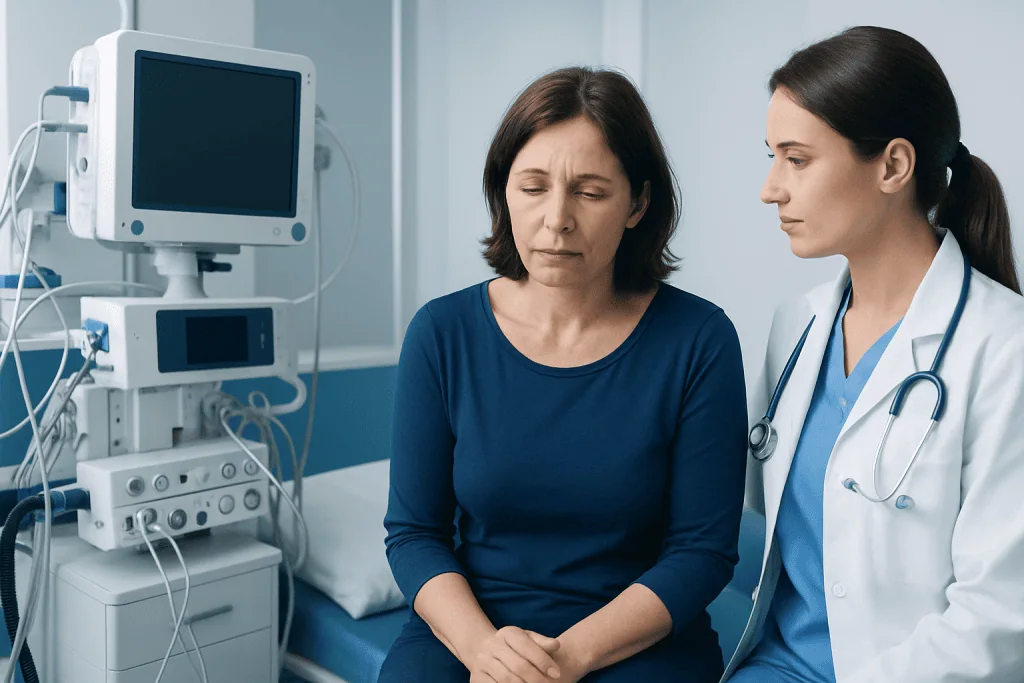
The first phase of shingles is sometimes called the prodromal phase. It may last from one to several days before the rash appears. During this period, pain can be mild or severe and may be mistaken for a muscle strain, toothache, migraine, heart-related pain, gallbladder symptoms, or another condition, depending on its location.
Common early symptoms include localized burning, prickling, throbbing, tenderness, itching, or sharp electric-shock-like pain. Clothing, a light touch, or even a breeze may feel unpleasant on the affected skin. Some people also experience tiredness, headache, mild fever, chills, or a general feeling of being unwell.
Not everyone develops a clear warning phase. In some cases, the rash is the first noticeable sign. Rarely, shingles-related nerve pain can occur without a visible rash, a situation sometimes called zoster sine herpete. Because several conditions can cause similar pain, a clinician should assess persistent, unexplained, one-sided discomfort.
- Symptoms typically affect one side of the chest, back, abdomen, neck, face, or scalp.
- The discomfort usually does not cross the body’s midline.
- New pain followed by a one-sided rash is especially suggestive of shingles.
How the shingles rash develops
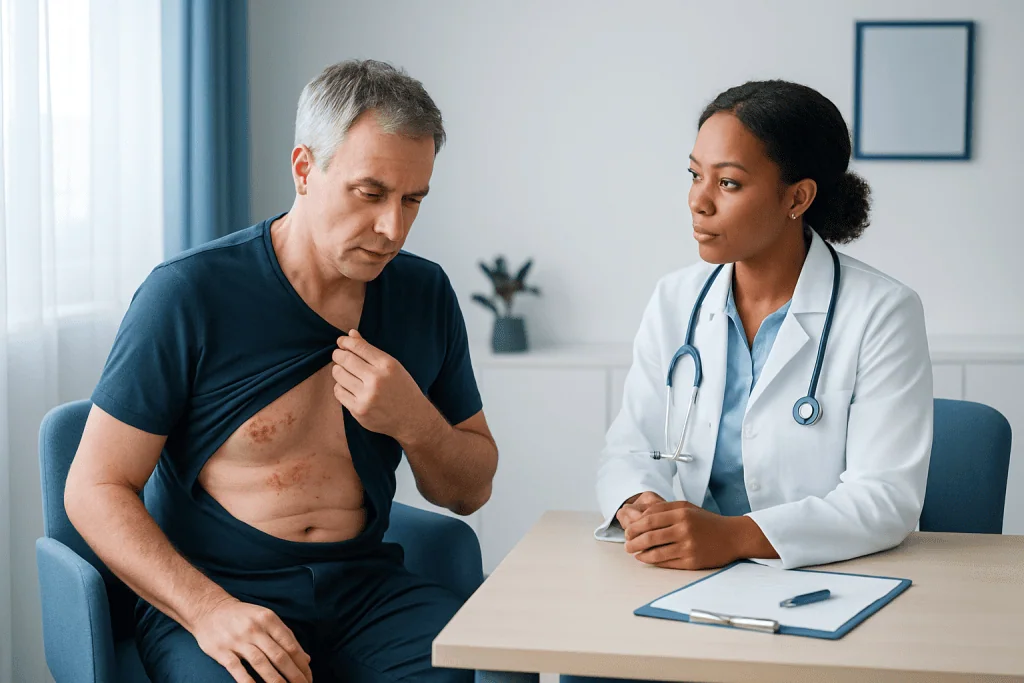
After the early discomfort, small red patches or bumps may appear. These usually develop into groups of clear blisters over the next few days. The blisters may be painful, itchy, or both. They generally remain within the area supplied by the affected nerve, often forming a stripe around one side of the torso.
Over time, the blisters become cloudy, dry out, and form crusts. For many people, the skin lesions heal within two to four weeks, although changes in skin color may last longer. Pain may improve as the rash heals, but some people continue to experience nerve pain after the skin has cleared.
The appearance can vary. Shingles on the face or scalp may be less easy to recognize at first, especially if there are only a few lesions. A rash around the eye, on the tip of the nose, inside the ear, or associated with hearing, balance, or vision changes needs prompt medical attention.
Why shingles happens and who is more likely to develop it
Anyone who has had chickenpox can develop shingles because the virus can remain dormant in nerve tissue for many years. Shingles does not mean that a person has newly caught chickenpox. Reactivation can happen without an obvious trigger, and it is not a sign that someone has done anything wrong.
The likelihood of shingles rises with age because immune responses naturally change over time. It is also more common in people whose immune systems are weakened by certain illnesses or medicines. Examples include cancer treatments, organ transplantation medicines, long-term immune-suppressing therapy, and some conditions that affect immune function.
Physical illness, major stress, poor sleep, or injury may be present around the time shingles occurs, but they do not explain every case. A doctor can consider an individual’s health history, current medicines, vaccination status, and symptoms when discussing risk and prevention.
Vaccination can lower the chance of shingles and certain complications in eligible adults. Recommendations differ by country, age, health condition, and vaccine availability, so people should ask a qualified clinician or local public health service which vaccine schedule applies to them.
Diagnosis and treatment options
Doctors can often diagnose shingles by examining the rash and asking about the timing and character of pain. Laboratory testing is not routinely needed when the rash is typical. If the presentation is unusual, a swab from a blister or another test may be used to help confirm the diagnosis or rule out similar conditions.
Prescription antiviral medicines may shorten viral activity and can reduce the risk of complications when started promptly. They are generally most effective when begun as early as possible, often within 72 hours after the rash appears, although a clinician may recommend them later in selected situations, such as ongoing new blisters or involvement of the eye or face.
Pain relief may include simple over-the-counter options, where safe for the individual, or prescription treatments for more severe nerve pain. Choice of medicine depends on age, medical history, kidney function, other medicines, and the severity of symptoms. A clinician or pharmacist can help ensure that options are appropriate.
Acibadem International’s multidisciplinary specialists and JCI-accredited hospitals diagnose and treat shingles and its complications for international patients. Care plans should be individualized, particularly for people with immune suppression, severe pain, pregnancy, or symptoms involving the eyes or ears.
Self-care, preventing spread, and protecting others
During the active rash, keeping the area clean and dry can support comfort and healing. Loose, soft clothing may reduce rubbing. Cool compresses may soothe the skin for some people, provided they are clean and used gently. Blisters should not be scratched, picked, or intentionally opened, as this may increase the chance of skin infection and scarring.
A person with shingles cannot give another person shingles directly. However, contact with fluid from active shingles blisters can transmit varicella-zoster virus to someone who has never had chickenpox or has not been vaccinated. That person may develop chickenpox, not shingles.
Until all blisters have dried and crusted, it is sensible to cover the rash where possible, wash hands regularly, and avoid direct contact between the rash and others. Particular care is important around pregnant people without known chickenpox immunity, newborn babies, and people with weakened immune systems.
Rest, adequate fluids, and regular meals may help someone feel better while recovering. It is also useful to keep track of when symptoms started, when the rash appeared, and whether pain or blisters are spreading, as this information can help the treating clinician.
When to seek medical care
Medical advice should be sought promptly when shingles is suspected, especially if a new one-sided painful rash has appeared. Timely assessment allows a clinician to decide whether antiviral treatment is suitable. People should not wait for blisters to become severe before contacting a healthcare professional.
Urgent same-day care is important for a rash or pain near the eye, forehead, nose, eyelid, or ear. It is also important for vision changes, eye redness, facial weakness, hearing changes, severe headache, confusion, dizziness, widespread rash, high fever, or signs of a skin infection such as increasing warmth, swelling, pus, or rapidly worsening redness.
People who are pregnant, immunocompromised, receiving cancer treatment, taking medicines that suppress immunity, or living with a serious chronic illness should contact a doctor promptly if shingles is possible. Infants and children with a possible shingles rash should also be assessed by a clinician.
Emergency care is appropriate for severe symptoms such as trouble breathing, confusion, fainting, sudden weakness, or severe eye pain with loss of vision. These symptoms may have causes other than shingles and should be evaluated without delay.
Frequently asked questions
What does the start of shingles feel like?
The start of shingles often feels like burning, tingling, itching, tenderness, or sharp pain in a small area of skin. The sensation is usually on one side of the body or face and may begin before a rash is visible. Some people also feel tired or develop a mild headache or fever.
How long after pain does a shingles rash appear?
A rash commonly appears within a few days after the early pain or tingling begins, although timing varies. Some people notice the rash first without a clear warning phase. A doctor can assess unexplained one-sided pain, especially if a rash later develops.
Can shingles begin without blisters?
Yes. The earliest stage may involve pain or altered skin sensation before blisters form. Rarely, a person can have shingles-related nerve pain without a visible rash, but this is more difficult to diagnose and requires medical evaluation.
Is shingles contagious at the beginning?
The virus is mainly spread through direct contact with fluid from active blisters, rather than through the early pain phase before a rash. A person with shingles may transmit the virus to someone without chickenpox immunity, causing chickenpox. Covering the rash and avoiding direct contact with vulnerable people can reduce risk.
Should a person see a doctor as soon as shingles is suspected?
Yes. Early medical advice is recommended because antiviral treatment may be most useful when started soon after the rash begins. Prompt care is particularly important for symptoms affecting the face, eye, ear, or for people with weakened immune systems.
Can stress cause shingles?
Stress may be present around the time shingles occurs, but it is not possible to identify one clear cause in every case. Shingles results from reactivation of a virus that remains in the body after chickenpox. Age and reduced immune function are established risk factors.
References
- Centers for Disease Control and Prevention
- World Health Organization
- National Institute on Aging
- National Health Service
- American Academy of Dermatology Association
This article is for general information only and is not a substitute for professional medical advice. Please consult a qualified doctor about your individual situation.
Shingles in Turkey — costs, top hospitals & a free quote
JCI-accredited · board-certified surgeons · reply within 24h
Add us as a Preferred Source to see more of our trusted health content across Google Search, AI Overviews and Discover.