Bed Sore Cream — Explained by Medical Evidence, Not Myths

Bed sore cream is not one product; barrier creams, moisturizers, and prescribed wound treatments have different roles. Pressure relief is the most important part of preventing and treating pressure injuries.
Key Takeaways
- Bed sore cream is not one product; barrier creams, moisturizers, and prescribed wound treatments have different roles.
- Pressure relief is the most important part of preventing and treating pressure injuries.
- A cream should not be applied to a wound without considering its depth, drainage, infection risk, and surrounding skin condition.
- Avoid harsh antiseptics, strongly fragranced products, and massage over red or damaged pressure-prone skin unless a clinician advises otherwise.
- New, worsening, deep, painful, or draining sores need prompt medical evaluation.
Bed sore cream may help protect vulnerable skin, manage moisture, or support care of a pressure injury when selected for the right purpose. However, no cream alone heals a bed sore: relieving pressure, regular repositioning, nutrition, and timely clinical assessment are central to effective care.
What Is Bed Sore Cream, and Does It Work?
Bed sore cream is a broad, non-medical term for topical products used around or on pressure-prone skin. Depending on the product, it may moisturize dry skin, form a protective barrier against urine or stool, reduce friction, or help maintain an appropriate wound environment. It can be useful as one part of a care plan, but it does not remove the pressure that causes a bed sore.
Bed sores, also called pressure injuries or pressure ulcers, develop when sustained pressure reduces blood flow to the skin and deeper tissues. They are more likely in people who spend long periods in bed or in a chair and cannot change position independently. Common sites include the heels, tailbone, hips, ankles, elbows, and shoulder blades.
The best cream depends on whether the skin is intact, dry, exposed to moisture, reddened, or open. For an open sore, the dressing and topical treatment should be chosen by a qualified healthcare professional. A person should not rely on a cream alone if the area remains under pressure or continues to worsen.
Understanding the Different Types of Creams

Barrier creams are often used to protect intact skin from moisture and irritation, particularly in people with urinary or bowel incontinence. These products may contain ingredients such as zinc oxide, dimethicone, or petrolatum. They create a protective layer between the skin and moisture, but they need to be applied in a thin, even layer so the skin can still be checked regularly.
Moisturizing creams or emollients can help maintain dry, fragile skin. Keeping the skin hydrated may reduce cracking and irritation, but moisturizers are not intended to treat deep tissue damage or infected wounds. Fragrance-free products are usually preferred for sensitive skin.
Some wounds may require clinician-selected topical agents, specialized dressings, or antimicrobial treatment. These choices depend on wound depth, dead tissue, drainage, infection concerns, and blood flow to the area. A dressing may be more appropriate than a cream because it can absorb fluid, protect the wound, and maintain suitable moisture levels.
- Intact but moisture-exposed skin: a barrier product may be appropriate.
- Dry, unbroken skin: a gentle moisturizer may help.
- Open, draining, darkened, or painful skin: seek professional wound assessment before applying products.
What Creams Cannot Do for a Pressure Injury
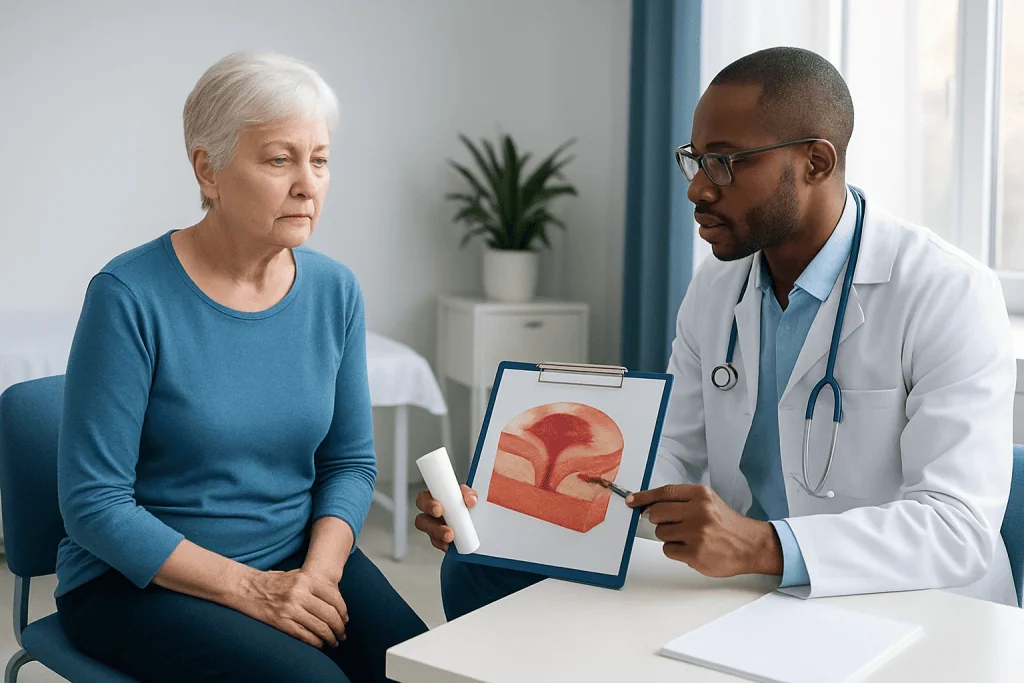
A common misconception is that a stronger cream will heal a bed sore faster. In reality, pressure injuries usually continue to deteriorate if pressure is not relieved. Repositioning, supportive surfaces, mobility support, and appropriate cushions or mattresses are often more important than the topical product itself.
Cream cannot reverse severe tissue damage, remove dead tissue safely, or treat a spreading infection. It also cannot correct contributors such as poor nutrition, dehydration, reduced circulation, diabetes, nerve damage, or limited mobility. These factors may need assessment as part of a wider treatment plan.
Massaging a red area over a bony prominence is not recommended. Rubbing can place additional stress on already vulnerable tissue. Likewise, home remedies, heavily perfumed lotions, powders, or harsh antiseptic liquids may irritate the skin or delay appropriate treatment. If a product causes burning, a rash, or increased redness, it should be stopped and discussed with a clinician.
How Pressure Injuries Are Prevented
Prevention begins with identifying people at risk, including those with limited movement, reduced sensation, recent surgery, serious illness, incontinence, poor nutritional intake, or a history of pressure injuries. Skin should be checked regularly, especially over bony areas. Changes such as persistent redness, warmth, discoloration, tenderness, firmness, or blistering should be taken seriously.
Regular position changes reduce continuous pressure. The appropriate schedule varies with the person’s mobility, skin condition, support surface, and care setting, so it should be individualized by a healthcare team. When sitting, weight shifts and properly fitted cushions may be recommended. Heels may need to be kept off the bed using suitable positioning methods.
Skin should be cleaned gently after incontinence episodes and dried carefully without rubbing. A barrier cream may be helpful when moisture exposure is frequent. Clean, dry bedding; well-fitting clothing; and avoiding wrinkles or objects in the bed can also reduce friction and pressure.
Good nutrition and hydration support skin health and healing. People with a pressure injury, unintentional weight loss, reduced appetite, or swallowing difficulties may benefit from review by a doctor and dietitian. Nutritional supplements should be considered individually rather than used as a substitute for medical care.
Using Bed Sore Cream Safely
Before applying any product, wash hands and inspect the area in good light. If the skin is intact and a clinician has recommended a barrier cream, cleanse gently, pat dry, and apply only a thin layer. Thick buildup can make it harder to assess the skin and may interfere with some dressings or adhesive products.
Do not apply a barrier cream deep into an open wound unless specifically instructed. Open pressure injuries often need a structured wound-care plan that may include cleansing, a suitable dressing, pressure redistribution, and follow-up. The plan should also address pain and any underlying conditions that may affect healing.
Caregivers should document and report changes in size, color, drainage, odor, pain, or the skin around the wound. Photographs may be useful for clinical monitoring when taken according to local privacy guidance, but they should not replace an in-person assessment.
For people with diabetes, poor circulation, or reduced sensation, prompt evaluation is particularly important because skin damage may progress without severe pain. Information about related diabetes care can be relevant when a clinician is assessing factors that may affect wound healing.
Medical Assessment and Treatment Options
A healthcare professional assesses a suspected pressure injury by examining the skin, asking about mobility and health history, and considering the wound’s location, depth, drainage, and surrounding tissue. They may also assess nutritional status, continence needs, circulation, sensation, and equipment such as mattresses, cushions, or wheelchairs.
Treatment commonly includes removing or redistributing pressure, choosing an appropriate wound dressing, protecting surrounding skin, managing moisture, and treating pain. Some wounds need removal of non-viable tissue by trained professionals. Antibiotics are not routinely needed for every pressure injury, but they may be used when there is a confirmed or strongly suspected infection.
Complex, deep, non-healing, or infected wounds may require coordinated care from physicians, wound-care nurses, dietitians, physiotherapists, rehabilitation specialists, and surgeons. specialist wound care can help guide dressing selection, pressure management, and follow-up based on the individual wound.
In selected severe cases, surgery may be considered after pressure relief, nutrition, infection control, and other contributing issues have been addressed. The aim is to support healing, preserve function, and reduce the risk of recurrence.
When to Seek Medical Care
Medical advice should be sought promptly for skin that remains red or discolored after pressure is relieved, especially if it is painful, warm, firm, blistered, or broken. An open sore should be assessed by a healthcare professional rather than treated only with over-the-counter cream.
Urgent medical review is important if there is increasing pain, spreading redness, swelling, pus-like drainage, a foul smell, fever, confusion, or a wound that appears black, purple, deep, or rapidly enlarging. These signs can indicate significant tissue damage or infection and need timely attention.
People who are unable to reposition themselves, have diabetes or circulation problems, or have a new wound after hospital discharge should contact their healthcare team early. Acibadem International’s multidisciplinary specialists and JCI-accredited hospitals diagnose and treat pressure injuries for international patients when coordinated wound care is needed.
Frequently asked questions
What is the best cream for bed sores?
There is no single best bed sore cream for every situation. Barrier creams may protect intact skin from moisture, while open pressure injuries often need clinician-selected dressings and a wider wound-care plan. Pressure relief and repositioning remain essential regardless of the topical product used.
Can bed sore cream heal an open pressure ulcer?
A cream alone usually cannot heal an open pressure ulcer. Healing depends on relieving pressure, managing the wound environment, addressing moisture and nutrition, and treating infection or circulation problems when present. A clinician should assess any open sore.
Can zinc oxide cream be used for bed sores?
Zinc oxide is commonly used as a moisture barrier on intact skin, particularly when incontinence causes irritation. It may not be appropriate inside an open wound or under every type of dressing. A healthcare professional can advise how and where to use it safely.
Should a pressure sore be kept dry or moist?
The surrounding skin should be protected from excessive moisture, but many open wounds heal best in a carefully managed moist environment created by an appropriate dressing. This is different from leaving a wound wet from urine, stool, sweat, or drainage. The right approach depends on the wound and should be guided by a clinician.
How often should bed sore cream be applied?
The frequency depends on the product, the person’s skin condition, and exposure to moisture. Barrier products may need reapplication after cleansing or incontinence episodes, following the product instructions and clinical advice. Skin should be checked each time rather than covered repeatedly without inspection.
Can a bed sore become infected?
Yes, a pressure injury can become infected, especially when it is open or deep. Increasing redness, warmth, swelling, pain, drainage, odor, fever, or feeling unwell should be assessed promptly. Early medical review can help prevent complications.
References
- National Pressure Injury Advisory Panel
- National Institute for Health and Care Excellence
- World Health Organization
- Mayo Clinic
- American Academy of Dermatology Association
This article is for general information only and is not a substitute for professional medical advice. Please consult a qualified doctor about your individual situation.
Explore treatments in Turkey — costs, top hospitals & a free quote
JCI-accredited · board-certified surgeons · reply within 24h
Add us as a Preferred Source to see more of our trusted health content across Google Search, AI Overviews and Discover.

More from the Health Library



Related Specialists

Dr. Miraç Ergen
Pediatrics
Prof. Dr. Yasemin Ersoy
Clinical Laboratory
Assoc. Prof. Dr. Gökşen Gökşenoğlu
Physical Medicine & Rehabilitation
Dyt. Duygu Gencel
Nutrition & Diet