Do You Get a Headache From Not Eating? Here Is What the Evidence Says

Skipping meals can trigger headaches in some people, especially those prone to migraine. Low blood sugar, dehydration, caffeine withdrawal, and stress can all contribute.
Key Takeaways
- Skipping meals can trigger headaches in some people, especially those prone to migraine.
- Low blood sugar, dehydration, caffeine withdrawal, and stress can all contribute.
- Most hunger-related headaches improve after eating and drinking fluids.
- Headaches with weakness, confusion, fever, vision changes, or a thunderclap onset need urgent medical attention.
- A doctor may diagnose the cause by reviewing timing, triggers, medications, hydration, and any red-flag symptoms.
Yes, many people can get a headache from not eating, and it is often harmless and improves after fluids and a balanced meal. However, severe, sudden, repeated, or unusual headaches should be assessed by a doctor, especially if they come with neurological symptoms or signs of illness.
Overview: Can Not Eating Really Cause a Headache?
Yes. Many people notice a headache after going too long without food, and in most cases it is temporary and not dangerous. The simplest explanation is that the body is responding to a drop in available energy, often along with dehydration, stress hormones, or missed caffeine.
Not everyone reacts the same way. Some people can delay meals with no symptoms, while others develop head pain, shakiness, irritability, or trouble concentrating within a few hours. People who live with migraine are often more sensitive to skipped meals and fasting than those who do not usually get headaches.
It is still important not to assume that every headache is caused by hunger. If the pain is unusually severe, happens often, starts suddenly, or comes with warning signs such as weakness, speech trouble, fever, confusion, fainting, or vision changes, medical review is important. In those situations, a doctor looks beyond meal timing to rule out other causes, including migraine and other neurological conditions.
Why Skipping Meals May Trigger Headache
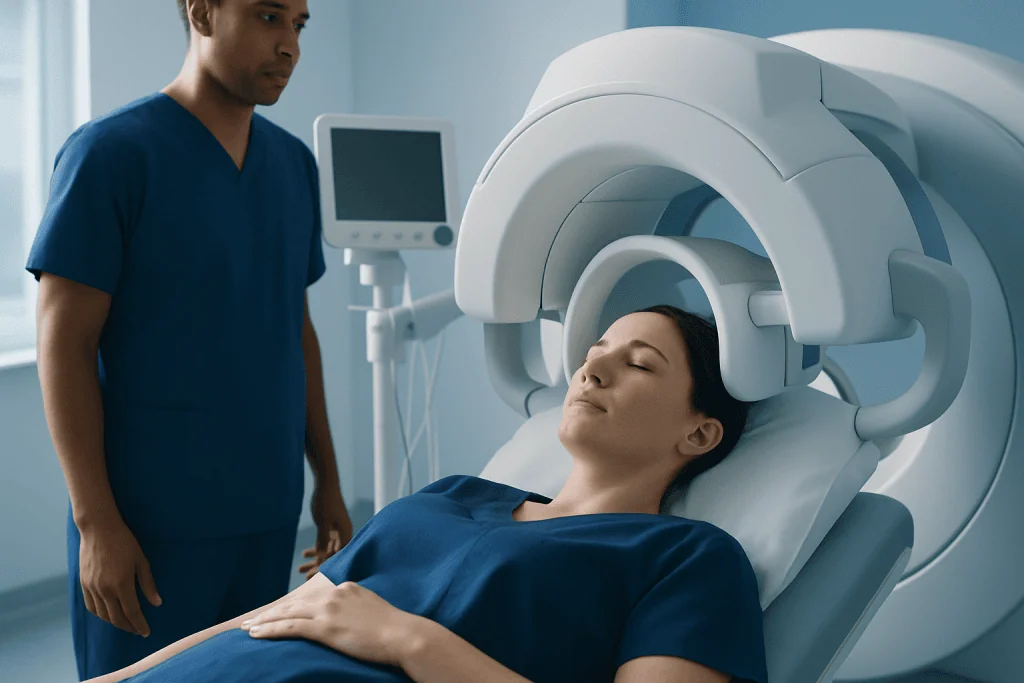
A headache from not eating does not usually have one single cause. Instead, several body changes can happen together when someone delays a meal or fasts for longer than usual. The exact trigger may differ from person to person.
One common factor is low blood sugar. The brain depends on a steady supply of glucose, and when blood sugar falls, some people develop headache, fatigue, sweating, trembling, nausea, or difficulty focusing. Even if blood sugar does not drop into a dangerous range, a relative decline may be enough to trigger symptoms in sensitive individuals.
Dehydration also matters. Someone who skips meals may drink less fluid, and mild dehydration can contribute to headache. If they also miss their usual coffee or tea, caffeine withdrawal may add to the problem. Stress hormones released during fasting may further increase headache risk.
For people with migraine, fasting is a recognized trigger. Missing meals does not cause migraine in everyone, but it can lower the threshold for an attack in susceptible people. In that setting, the headache may be more than a simple “hunger headache” and may fit a broader pattern of recurrent migraine symptoms.
What a Headache From Not Eating Feels Like

A headache related to not eating is often described as a dull, aching, pressure-like pain. It may affect both sides of the head or feel more general than sharply localized. Some people notice that it builds gradually the longer they go without food.
Other symptoms may happen at the same time. These can include hunger, dizziness, shakiness, nausea, irritability, fatigue, and difficulty concentrating. If dehydration is also present, there may be thirst, dark urine, dry mouth, or lightheadedness when standing.
Sometimes the picture is less straightforward. A person may think they have a hunger headache, but they actually have a migraine triggered by fasting. In that case, symptoms may include one-sided throbbing pain, sensitivity to light or sound, nausea, or visual aura. Recurrent patterns like this are worth discussing with a doctor, especially if they interfere with daily life or become more frequent.
A meal timing link can be a useful clue, but it is not a diagnosis by itself. Doctors usually ask what the pain feels like, how long it lasts, whether eating helps, and whether other symptoms suggest a different cause.
Who Is More Likely to Get Headaches When They Miss Meals?
Some people are more vulnerable than others. Individuals with migraine, diabetes, prediabetes, or a history of reactive low blood sugar may be more likely to develop symptoms if they go too long without eating. People with demanding schedules, shift work, heavy exercise, or restrictive diets may also be at higher risk.
Caffeine habits can play a role. If someone usually has coffee in the morning and also skips breakfast, the headache may reflect both fasting and caffeine withdrawal. Sleep loss, emotional stress, and illness can make this effect more noticeable.
Pregnant people, older adults, and children may need extra attention to regular meals and hydration. Some medicines can also affect appetite, blood sugar, or fluid balance, which may make headache more likely when meals are delayed.
Fasting for religious, cultural, or health reasons can be safe for many people, but recurring headaches during fasting deserve a practical review of fluids, sleep, caffeine intake, and underlying conditions. If fasting is planned and headaches are common, a doctor or dietitian may help create a safer routine.
How Doctors Evaluate Repeated Headaches After Not Eating
If headaches repeatedly happen when meals are delayed, a doctor usually starts with a detailed history. They may ask when the headaches occur, what the person ate and drank beforehand, whether caffeine was missed, what the pain feels like, and whether eating reliably relieves it. A headache diary can be very helpful.
The doctor will also look for clues that suggest something other than a simple hunger-related headache. Questions often cover sleep, stress, recent illness, medications, blood sugar problems, menstrual patterns, weight change, and any family or personal history of headache disorders. Depending on symptoms, they may consider headache disorders such as tension-type headache or migraine.
A physical examination may include blood pressure, hydration status, and a basic neurological exam. If low blood sugar is a concern, blood tests or home glucose records may be reviewed. Additional tests are not always needed, but they may be recommended when symptoms are new, severe, unusual, or associated with red flags.
When migraine is suspected, the diagnostic process focuses on pattern recognition rather than a single test. If necessary, a specialist may discuss options for neurology evaluation or more targeted headache assessment.
Treatment and Relief: What Usually Helps
The most direct treatment is usually to eat and rehydrate. A balanced meal or snack that includes complex carbohydrates and some protein may help symptoms settle more steadily than sugary foods alone. Drinking water is important, especially if fluid intake has been low.
If usual caffeine has been missed, reintroducing a modest amount may help in some people, though frequent reliance on caffeine for headache relief can create its own pattern of withdrawal headaches. Resting in a quiet room may also be useful, particularly if the headache is beginning to resemble migraine.
When headaches are frequent or severe, treatment depends on the underlying cause. A clinician may recommend strategies for meal timing, hydration, and trigger tracking. If migraine is involved, management may include lifestyle measures and, when appropriate, a formal migraine treatment plan.
People with diabetes or suspected low blood sugar should not self-manage repeated symptoms without guidance. They may need tailored advice on meal structure, activity, and medication timing. If evaluation suggests another neurological issue, a doctor may arrange further testing or specialist care, including brain and nerve surgery assessment in rare situations where structural causes must be investigated.
Prevention and Self-Care
Preventing a headache from not eating often comes down to consistency. Regular meals, planned snacks when needed, and good hydration can reduce the chance of symptoms. This is especially helpful for people who know they become shaky, irritable, or headachy when they delay food.
Useful habits may include:
- Eating at regular intervals rather than skipping meals
- Including protein, fiber, and complex carbohydrates in meals
- Drinking water throughout the day
- Limiting abrupt changes in caffeine intake
- Getting enough sleep and managing stress
- Carrying a simple snack when long gaps between meals are likely
Keeping a headache diary can identify patterns. Recording meal times, fluids, caffeine, sleep, menstrual cycle, exercise, and symptoms may show whether the trigger is truly hunger or a combination of factors. This information can make medical appointments much more productive.
For international patients who need further assessment, Acibadem International’s multidisciplinary specialists in JCI-accredited hospitals diagnose and treat headache-related conditions with a coordinated approach.
When to Seek Medical Care
Most headaches linked to delayed meals improve after eating and drinking. Even so, medical advice is important if headaches are frequent, worsening, or no longer clearly related to missed meals. A doctor can help determine whether the pattern fits hunger, migraine, medication effects, blood sugar changes, or another cause.
Urgent medical care is needed for a sudden, explosive “worst headache,” a headache after a head injury, or head pain with fainting, seizure, chest pain, severe dehydration, fever, stiff neck, confusion, weakness, numbness, speech changes, or new vision loss. These features are not typical of a simple hunger headache.
People with diabetes, pregnancy, cancer, immune system problems, or significant cardiovascular risk factors should have a lower threshold for seeking care. Children and older adults also benefit from careful assessment when headaches are recurrent or difficult to explain.
If there is uncertainty, it is safer to ask a qualified clinician than to keep attributing headaches to not eating. Reassurance is often possible, but a professional review helps ensure that an important diagnosis is not missed.
Frequently asked questions
Do you get a headache from not eating even if your blood sugar is not very low?
Yes. Some people develop headache when blood sugar falls relative to their usual level, even if it is not dangerously low. Dehydration, caffeine withdrawal, and fasting-related stress hormones may also contribute.
How long does a hunger headache usually last?
It often improves within a short time after eating and drinking fluids, although recovery time varies from person to person. If the headache continues despite eating, or keeps returning often, another cause should be considered.
What should someone eat if they think not eating caused their headache?
A balanced snack or meal with complex carbohydrates, protein, and fluids is usually a sensible first step. Examples include yogurt and fruit, whole-grain toast with eggs, or a sandwich and water. Very sugary foods may help briefly but may not provide steady relief.
Can skipping one meal trigger migraine?
Yes, it can in people who are prone to migraine. Missing meals is a common trigger because it may lower the body’s tolerance to other stressors such as poor sleep, dehydration, or hormonal changes.
Is a headache from not eating the same as low blood sugar?
Not always. Low blood sugar can cause headache, but hunger-related headaches may also involve dehydration, missed caffeine, muscle tension, or migraine susceptibility. A doctor may evaluate these possibilities if the pattern is frequent or unclear.
When should someone worry that a headache is not just from hunger?
Concern is higher if the headache is sudden and severe, occurs with weakness, confusion, fever, fainting, or vision changes, or does not improve after eating and hydrating. Recurrent headaches that disrupt daily life also deserve medical review.
References
- National Institute of Neurological Disorders and Stroke
- American Migraine Foundation
- National Institute of Diabetes and Digestive and Kidney Diseases
- Mayo Clinic
- International Headache Society
This article is for general information only and is not a substitute for professional medical advice. Please consult a qualified doctor about your individual situation.
Explore treatments in Turkey — costs, top hospitals & a free quote
JCI-accredited · board-certified surgeons · reply within 24h
Add us as a Preferred Source to see more of our trusted health content across Google Search, AI Overviews and Discover.