Is It Common to Bleed After Intercourse? Here Is What the Evidence Says

Light bleeding after intercourse is often linked to dryness, friction, or irritation and is not always a sign of a serious problem. Repeated bleeding after sex should be medically reviewed, even when it is painless.
Key Takeaways
- Light bleeding after intercourse is often linked to dryness, friction, or irritation and is not always a sign of a serious problem.
- Repeated bleeding after sex should be medically reviewed, even when it is painless.
- Common causes include vaginal dryness, infections, cervical changes, polyps, and, less commonly, precancer or cancer.
- Doctors usually diagnose the cause with a medical history, pelvic exam, cervical screening, and sometimes ultrasound or colposcopy.
- Urgent care is needed for heavy bleeding, severe pain, dizziness, fainting, or possible pregnancy-related bleeding.
Yes, it can be common to bleed after intercourse at some point, and in many cases the cause is minor, such as dryness or friction. However, bleeding that keeps happening, is heavy, happens after menopause, or comes with pain or unusual discharge should be evaluated by a doctor.
Overview: what bleeding after intercourse can mean
If someone asks, “is it common to bleed after intercourse,” the evidence-based answer is yes—this can happen from time to time, and it is often due to a harmless local cause such as dryness, friction, or minor irritation. A small amount of pink, red, or brown spotting after sex does not automatically mean there is a serious disease.
That said, postcoital bleeding deserves attention when it is recurrent, new, heavy, or linked with other symptoms. Bleeding after intercourse can come from the vulva, vagina, cervix, or less commonly the uterus, and the meaning depends on age, menstrual status, pregnancy possibility, and associated symptoms.
A reassuring but careful approach is best. Many causes are treatable, and an evaluation helps rule out infections, cervical changes, polyps, hormonal causes, and less common but important conditions such as gynecologic cancers.
How much bleeding is normal and what symptoms matter
Bleeding after intercourse may look like a few spots on toilet tissue, light staining on underwear, or a small amount of blood noticed after sex. In some cases it mixes with normal vaginal discharge and appears pink or brown. A one-time episode of very light spotting can occur after more vigorous intercourse, particularly if there is dryness or recent irritation.
Symptoms that matter include how often it happens, how much blood there is, and whether there are other changes. Bleeding that repeats over several weeks or months is more likely to need evaluation than a single mild episode. The same is true if the bleeding happens between periods, after menopause, or after a long gap without intercourse.
Other symptoms that can help a doctor identify the cause include:
- Pain during intercourse
- Pelvic pain or cramping
- Vaginal dryness, burning, or itching
- Unusual vaginal discharge or odor
- Bleeding between periods or after menopause
- Fever, dizziness, or fainting
These details do not diagnose the cause by themselves, but they help guide the next steps and identify who needs more urgent assessment.
Common causes and risk factors

The most frequent reasons for bleeding after intercourse are benign. Vaginal dryness is one of the commonest causes, especially after menopause, during breastfeeding, or when hormone levels change. Dry tissue is more likely to develop tiny tears during penetration. Irritation from friction, sex toys, spermicides, condoms, soaps, or fragranced products can also contribute.
Infections and inflammation are another common group of causes. Vaginitis, cervicitis, and some sexually transmitted infections can make tissues more fragile and likely to bleed with contact. Cervical ectropion, in which delicate glandular cells are present on the outer cervix, can also lead to contact bleeding, especially in younger people, during pregnancy, or when using hormonal contraception.
Structural causes include cervical or uterine polyps, which are usually benign growths that may bleed when touched. Less commonly, endometrial problems, fibroids, or changes in the cervix may be involved. People with persistent bleeding may need assessment for cervical cancer or other gynecologic conditions, although these are much less common than irritation or infection.
Risk factors depend on the underlying cause but may include menopause, low estrogen states, recent childbirth, unprotected sex, a new sexual partner, lack of lubrication, cervical screening that is overdue, smoking, and prior abnormal cervical test results. The presence of risk factors does not mean there is a serious disease, but it can affect how strongly medical review is recommended.
When bleeding after intercourse may be more serious
Most cases are not emergencies, but some situations should not be ignored. Bleeding after intercourse needs prompt medical assessment if it keeps happening, becomes heavier, or occurs after menopause. Postmenopausal bleeding should always be checked because thinning tissues are common, but uterine or cervical conditions also need to be ruled out.
Pregnancy is another important context. Bleeding in early pregnancy can happen for several reasons, some minor and some urgent, so anyone who could be pregnant should seek medical advice. Heavy bleeding, severe cramping, shoulder pain, fainting, or one-sided pelvic pain requires urgent assessment.
Less common but important causes include precancerous cervical changes, cervical cancer, vaginal cancer, or endometrial cancer. This does not mean that bleeding after sex usually indicates cancer; it does mean that persistent or unexplained bleeding should be evaluated rather than watched indefinitely.
People with a history of abnormal cervical screening, immune suppression, pelvic radiation, or previous gynecologic cancers may also need a lower threshold for medical review.
How doctors diagnose the cause
Medical evaluation usually starts with a conversation about the bleeding pattern. A doctor may ask when the bleeding started, whether it happens every time, how heavy it is, the date of the last menstrual period, whether pregnancy is possible, and whether there is pain, discharge, or dryness. They may also ask about medications, contraception, menopause, breastfeeding, and cervical screening history.
A pelvic examination is often the next step. This helps identify visible irritation, tears, infection, polyps, signs of vaginal dryness, or changes on the cervix. If cervical screening is due, a Pap test or HPV-based screening may be recommended. In some cases, swabs are taken to check for infection.
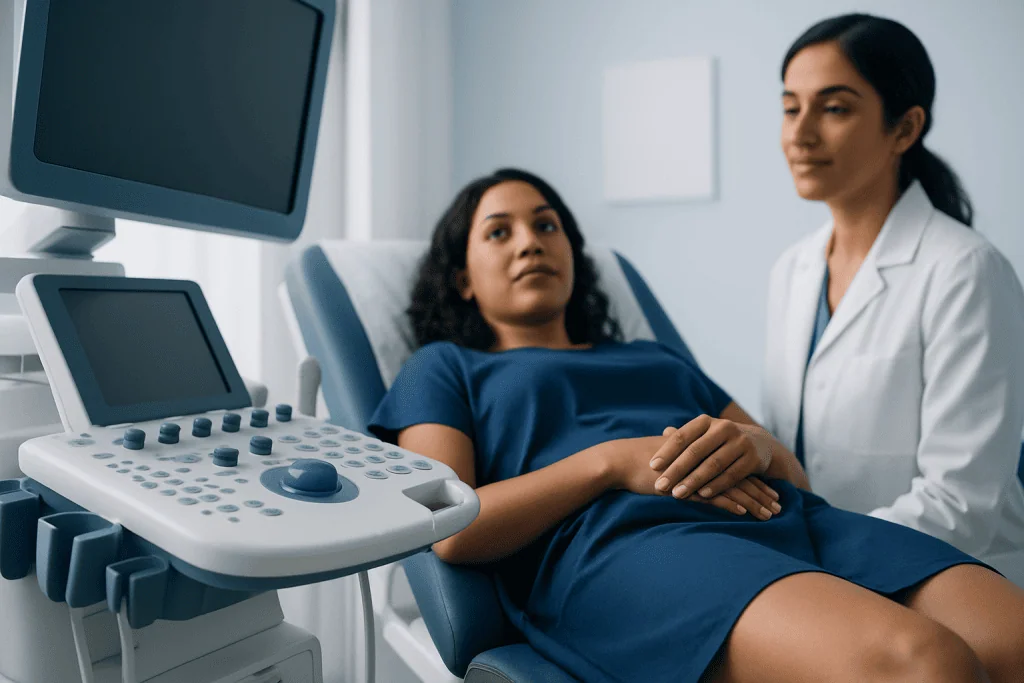
If the cervix looks abnormal or bleeding remains unexplained, a doctor may arrange colposcopy, which is a closer examination of the cervix. If the concern seems to come from the uterus, imaging such as pelvic ultrasound may be useful, and sometimes a small tissue sample is needed. For selected patients, direct evaluation through procedures such as hysteroscopy can help identify polyps or uterine causes of abnormal bleeding.
The diagnostic process is usually straightforward and tailored to the person’s age, symptoms, and risk profile. The goal is to find the simplest explanation first while still ruling out the important causes.
Treatment options and self-care
Treatment depends entirely on the cause. If dryness is responsible, avoiding irritants, increasing foreplay, and using a water-based or silicone-based lubricant may help. For menopause-related vaginal atrophy, a doctor may discuss local estrogen therapy or other treatments when appropriate. If symptoms fit the broader picture of menopause, managing hormonal changes can reduce both discomfort and bleeding.
When infection or inflammation is found, treatment may include medication aimed at the specific cause and advice about sexual activity until symptoms improve. If a cervical or uterine polyp is causing contact bleeding, removing it may solve the problem. Structural causes can sometimes need procedures, while suspicious findings may require biopsy or specialist assessment.
Self-care should focus on comfort and prevention rather than self-diagnosis. Helpful steps include using lubrication, avoiding harsh intimate products, not douching, and tracking when bleeding happens. If there is significant pain, fever, or repeated spotting, self-care should not replace medical review.
For patients who need specialist evaluation, gynecology teams may use tools such as colposcopy and other targeted investigations. Near the end of the care pathway, centers such as Acibadem International can support international patients through multidisciplinary assessment and treatment in JCI-accredited hospitals.
When to seek medical care
A doctor’s appointment is a good idea if bleeding after intercourse happens more than once, is new without an obvious explanation, or causes concern. This is especially important if the person is over age 40, has gone through menopause, is overdue for cervical screening, or has a personal history of abnormal Pap or HPV results.
Medical review should be arranged soon if bleeding is accompanied by pelvic pain, pain during sex, unusual discharge, bad odor, itching, fever, or bleeding between periods. These combinations can suggest infection, cervical inflammation, hormonal changes, or a structural cause that needs treatment.
Urgent care is needed if the bleeding is heavy enough to soak pads, if there is severe abdominal or pelvic pain, dizziness, fainting, chest symptoms, or possible pregnancy-related bleeding. Immediate evaluation is also important after sexual trauma or if there is concern about a retained foreign object.
Even when the cause turns out to be minor, checking persistent postcoital bleeding is worthwhile. Timely assessment often brings reassurance and allows effective treatment if something needs attention.
Frequently asked questions
Is it common to bleed after intercourse once?
Yes, a one-time episode of light spotting after intercourse can happen and is often related to dryness, friction, or mild irritation. If it does not happen again and there are no other symptoms, it may not indicate a serious problem. If it recurs, it is best to see a doctor.
Can vaginal dryness cause bleeding after sex?
Yes, dryness is one of the most common reasons for light bleeding after intercourse. Dry tissue is more delicate and can develop tiny tears during penetration. This is more common after menopause, during breastfeeding, or with hormonal changes.
Does bleeding after intercourse mean cancer?
Usually no. Most cases are caused by non-cancerous issues such as dryness, irritation, infection, or benign cervical changes. However, persistent or unexplained bleeding should be checked to rule out cervical or uterine problems, including precancerous changes.
Should someone worry about bleeding after intercourse during menopause?
Bleeding after intercourse during or after menopause should be evaluated. A common cause is thinning of vaginal tissue due to lower estrogen, but postmenopausal bleeding should not be assumed to be harmless. A doctor can identify the cause and suggest treatment.
What tests are usually done for postcoital bleeding?
Doctors often begin with a medical history and pelvic exam. Depending on the findings, they may recommend cervical screening, tests for infection, ultrasound, or a closer look at the cervix with colposcopy. Further tests are based on age, symptoms, and whether the bleeding keeps recurring.
When is bleeding after intercourse an emergency?
Emergency care is needed if the bleeding is heavy, if there is severe pain, fainting, dizziness, or if pregnancy is possible. Bleeding after trauma also needs urgent medical attention. These situations may signal a cause that should be assessed immediately.
References
- American College of Obstetricians and Gynecologists
- National Health Service
- Mayo Clinic
- Centers for Disease Control and Prevention
- World Health Organization
This article is for general information only and is not a substitute for professional medical advice. Please consult a qualified doctor about your individual situation.
Explore treatments in Turkey — costs, top hospitals & a free quote
JCI-accredited · board-certified surgeons · reply within 24h