Cbt-i — Explained by Medical Evidence, Not Myths

CBT-I stands for cognitive behavioral therapy for insomnia and is a structured treatment, not simply general sleep advice. It usually includes sleep scheduling, stimulus control, relaxation strategies, and work on unhelpful beliefs about sleep.
Key Takeaways
- CBT-I stands for cognitive behavioral therapy for insomnia and is a structured treatment, not simply general sleep advice.
- It usually includes sleep scheduling, stimulus control, relaxation strategies, and work on unhelpful beliefs about sleep.
- CBT-I can improve sleep quality, reduce time awake at night, and support long-term sleep health.
- A proper evaluation matters because insomnia can occur alongside conditions such as sleep apnea, anxiety, depression, pain, or restless legs symptoms.
- Sleep medicines may help some people, but CBT-I is often recommended as the main long-term treatment for chronic insomnia.
CBT-I is the first-line, evidence-based treatment for chronic insomnia in many adults. It works by changing the behaviors and thought patterns that maintain poor sleep, rather than relying only on sleep medicines.
What CBT-I is and why it matters
CBT-I, or cognitive behavioral therapy for insomnia, is a structured treatment designed to help people who have trouble falling asleep, staying asleep, or waking too early and not getting back to sleep. It is based on medical evidence showing that insomnia is often maintained by a cycle of sleep-related habits, body arousal, and thoughts such as worrying about sleep or trying too hard to force it. CBT-I aims to break that cycle.
Unlike generic sleep tips, CBT-I is a focused program with specific techniques delivered over several sessions, either in person or through validated digital programs. Many clinical guidelines recommend it as a first-line treatment for chronic insomnia because it can improve sleep without depending only on medication. For many patients, the goal is not perfect sleep every night, but more reliable, restorative sleep and less distress around bedtime.
CBT-I is used most often for chronic insomnia, which means sleep difficulty that happens regularly and affects daytime functioning. It may also help people who have insomnia together with another medical or mental health condition. In those cases, treatment works best when both the sleep problem and the related condition are assessed and managed.
How insomnia develops: the evidence-based model behind CBT-I
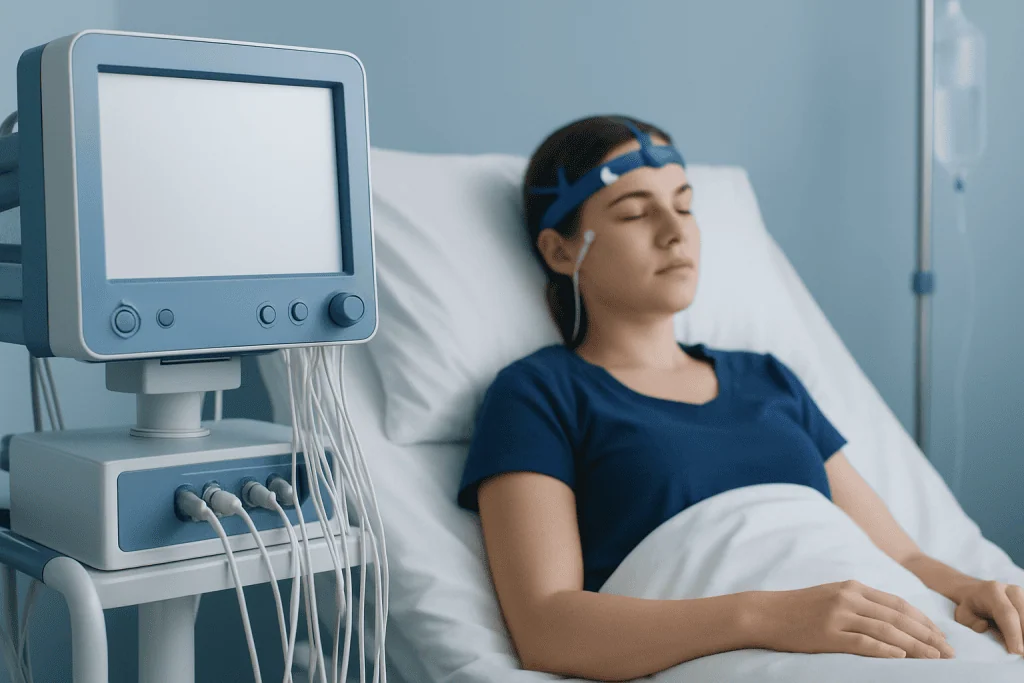
CBT-I is built on a practical understanding of how insomnia becomes persistent. A person may start sleeping badly because of stress, illness, travel, pain, grief, shift work, or another trigger. Even after the original trigger improves, certain responses can accidentally keep the sleep problem going. Common examples include spending extra time in bed awake, napping to cope with fatigue, watching the clock, or becoming increasingly anxious about not sleeping.
Over time, the brain can start to associate the bed with frustration and alertness instead of sleep. This is one reason people may feel sleepy on the sofa but wide awake once they get into bed. CBT-I addresses this learned pattern directly. It helps reset the link between bed and sleep, strengthen the body’s natural sleep drive, and reduce the mental pressure that often makes insomnia worse.
This approach is different from the myth that insomnia is always caused by a single deficiency or that it can be solved only by supplements, sedatives, or “hacks.” While lifestyle factors matter, chronic insomnia is usually best understood as a treatable condition with behavioral and cognitive components. That is why an organized, evidence-based approach often works better than isolated tips.
What CBT-I usually includes

CBT-I is tailored to the individual, but several core components are commonly used together. A clinician usually starts by reviewing the sleep pattern, daily schedule, symptoms, and factors that may contribute to insomnia. Sleep diaries are often used because they give a clearer picture than memory alone.
One common element is stimulus control. This means strengthening the bed-bedroom connection with sleep by using the bed mainly for sleep and intimacy, going to bed only when sleepy, getting out of bed if unable to sleep for a period of time, and waking at a consistent time. Another key element is sleep restriction therapy, often called sleep compression or sleep scheduling in patient-friendly terms. This carefully limits time in bed to better match actual sleep, helping rebuild sleep drive and improve sleep efficiency over time.
CBT-I also includes work on thinking patterns. People with insomnia often develop beliefs such as “If I do not sleep eight hours, I will not function at all tomorrow.” These thoughts are understandable, but they can increase anxiety and alertness. Cognitive strategies help test and soften overly rigid beliefs without dismissing the real impact of poor sleep. Relaxation methods, wind-down routines, and education about caffeine, alcohol, exercise, and light exposure may also be included.
- Stimulus control to reconnect bed with sleep
- Sleep scheduling to consolidate sleep
- Cognitive strategies to reduce fear and sleep-related worry
- Relaxation skills for physical and mental arousal
- Sleep hygiene support as one part of treatment, not the whole treatment
Who may benefit from CBT-I
CBT-I may help adults who have had trouble sleeping for weeks or months, especially when insomnia affects mood, concentration, work, school, or quality of life. It can be useful for difficulty falling asleep, waking often during the night, or waking too early. It is also considered for some older adults, people who want to reduce reliance on sleep medicines, and those whose sleep has become tied to worry or irregular habits.
Insomnia can occur on its own, but it also commonly appears alongside other conditions. These include anxiety, depression, chronic pain, menopause-related symptoms, neurologic disease, gastrointestinal symptoms, and breathing-related sleep disorders. A sleep assessment helps identify whether insomnia is the main issue or part of a broader picture. In some patients, evaluation for sleep apnea or another sleep disorder is important before or during treatment.
CBT-I may still be appropriate when another condition is present, but treatment plans should be individualized. For example, someone with snoring, observed pauses in breathing, or severe daytime sleepiness may need a sleep study and treatment for a coexisting sleep disorder. Others may need support for anxiety, depression, pain, or medication-related sleep disruption at the same time.
How doctors diagnose insomnia before starting CBT-I
There is no single blood test for insomnia. Diagnosis usually begins with a careful history of sleep symptoms, timing, daytime effects, habits, stressors, medications, alcohol or caffeine use, and medical or mental health conditions. Doctors often ask how long the problem has lasted, how many nights per week it happens, and whether there are symptoms such as snoring, leg discomfort, nightmares, or sudden sleep attacks.
A sleep diary over one to two weeks is a valuable tool because it tracks bedtimes, wake times, awakenings, naps, and how sleep varies from night to night. Some patients may also use actigraphy, a wearable device that estimates rest-activity patterns. Sleep studies are not needed for every person with insomnia, but they may be recommended if another sleep disorder is suspected, such as obstructive sleep apnea.
Medication review is also important. Some prescription drugs, stimulants, decongestants, steroids, and certain supplements can affect sleep. A clinician may also ask about mood symptoms because insomnia can both worsen and reflect conditions like anxiety and depression. A good evaluation does not assume the problem is “just stress”; it looks for contributing factors so treatment is safer and more effective.
CBT-I compared with sleep medicines and other insomnia treatments
Sleep medicines can play a role for some people, especially in selected short-term situations or when symptoms are severe. However, many guidelines favor CBT-I as the main long-term treatment for chronic insomnia because it addresses the processes that maintain insomnia rather than only producing temporary sedation. The benefits of CBT-I also tend to continue after treatment ends, especially when patients keep using the skills they learned.
This does not mean medication is never useful. Some people may use medicine briefly while starting therapy, while others may need a combined plan if they have complex symptoms. Decisions about medicine should always be individualized with a qualified doctor, taking into account age, other conditions, fall risk, next-day alertness, and possible interactions.
Other treatment options may be relevant depending on the cause of poor sleep. If breathing-related sleep disruption is present, evaluation in a sleep center may be appropriate. If enlarged tonsils, nasal obstruction, or airway issues contribute to disturbed sleep, some patients may need ENT assessment and treatment. When persistent insomnia coexists with mood symptoms, broader psychiatric evaluation and support can also be helpful as part of a coordinated plan.
Self-care that supports CBT-I
Self-care is not a substitute for CBT-I, but it can support progress. A consistent wake time is often one of the most important habits because it helps stabilize the body clock. Many people also benefit from limiting naps, reducing late-day caffeine, keeping alcohol from becoming a sleep aid, and creating a wind-down period before bed. Exposure to morning light and regular daytime activity can further support the sleep-wake rhythm.
It is also helpful to avoid turning sleep into a nightly performance test. Repeatedly checking the time, tracking every bad night, or staying in bed for long periods “trying” to sleep can keep the mind alert. CBT-I teaches more useful responses, such as getting out of bed when wide awake and returning only when sleepy. These changes can feel counterintuitive at first, which is one reason professional guidance often helps.
People should be cautious with over-the-counter sleep products and online advice that promises rapid results. Natural does not always mean effective or safe, and some products can interact with medicines or leave next-day drowsiness. If sleep problems persist, worsen, or seem linked to breathing pauses, leg movements, pain, reflux, or mood changes, medical assessment is the safest next step.
When to seek medical care
Medical care is worth seeking when trouble sleeping lasts for several weeks, happens regularly, or causes significant daytime tiredness, poor concentration, irritability, or reduced performance. Evaluation is also important if a person relies frequently on alcohol, sedatives, or increasing amounts of sleep aids to get through the night. Sleep problems deserve attention when they affect safety, such as drowsy driving or errors at work.
Prompt assessment is especially important when insomnia occurs with loud snoring, breathing pauses during sleep, choking awakenings, unusual movements, chest pain, severe anxiety, low mood, or thoughts of self-harm. These symptoms may point to another condition that needs treatment in addition to insomnia care. Children, older adults, pregnant people, and those with multiple medical conditions may also benefit from earlier professional guidance.
At Acibadem International, multidisciplinary specialists in JCI-accredited hospitals evaluate sleep complaints for international patients and coordinate care when insomnia overlaps with breathing, neurologic, ENT, or mental health concerns. A clear diagnosis can help determine whether CBT-I, another sleep treatment, or combined care is the best path forward.
Frequently asked questions
What does CBT-I stand for?
CBT-I stands for cognitive behavioral therapy for insomnia. It is a structured treatment that helps change behaviors and thoughts that keep sleep problems going.
Is CBT-I better than sleeping pills?
For chronic insomnia, CBT-I is often recommended as the first-line treatment because it can improve sleep over the long term. Sleep medicines may still help some people, but they are usually considered within a broader, individualized plan.
How long does CBT-I take to work?
Many people notice improvement within several weeks, although the exact timeline varies. CBT-I often works best when the techniques are applied consistently, even if the first changes feel challenging.
Can CBT-I help if insomnia is caused by anxiety or stress?
Yes, CBT-I can still help when stress or anxiety contributes to insomnia. However, some people also need treatment for anxiety, depression, or another related condition at the same time.
Is sleep hygiene the same as CBT-I?
No. Sleep hygiene is only one small part of insomnia care and includes habits such as limiting caffeine and keeping a regular schedule. CBT-I is a fuller, evidence-based treatment with specific techniques like stimulus control and sleep scheduling.
Do I need a sleep study before starting CBT-I?
Not always. A sleep study is usually reserved for people whose symptoms suggest another sleep disorder, such as sleep apnea, unusual movements, or unexplained daytime sleepiness.
References
- American Academy of Sleep Medicine
- National Institute for Health and Care Excellence
- European Sleep Research Society
- National Heart, Lung, and Blood Institute
- Centers for Disease Control and Prevention
This article is for general information only and is not a substitute for professional medical advice. Please consult a qualified doctor about your individual situation.
Explore treatments in Turkey — costs, top hospitals & a free quote
JCI-accredited · board-certified surgeons · reply within 24h
Add us as a Preferred Source to see more of our trusted health content across Google Search, AI Overviews and Discover.

More from the Health Library

Cassia Cinnamon: What Patients Need to Know

Random Bruises on Legs — Explained by Medical Evidence, Not Myths

Conization: What Patients Need to Know

Lemongrass Tea: What Patients Need to Know

Oregano Tea — Explained by Medical Evidence, Not Myths