Marginal Cord Insertion: What Patients Need to Know

Marginal cord insertion means the umbilical cord attaches near the edge of the placenta. It is usually found on routine prenatal ultrasound, not because it causes symptoms.
Key Takeaways
- Marginal cord insertion means the umbilical cord attaches near the edge of the placenta.
- It is usually found on routine prenatal ultrasound, not because it causes symptoms.
- Many pregnancies with marginal cord insertion have healthy outcomes with monitoring.
- Doctors may recommend follow-up ultrasounds to assess fetal growth and placental blood flow.
- It is different from velamentous cord insertion, which can carry higher risks.
- Prompt medical assessment is important for bleeding, reduced fetal movement, or signs of preterm labor.
Marginal cord insertion is a pregnancy finding in which the umbilical cord attaches close to the edge of the placenta rather than the center. It often causes no symptoms, but it may require closer ultrasound follow-up to watch fetal growth and the placenta during pregnancy.
Overview: what marginal cord insertion means
Marginal cord insertion is a placental finding in pregnancy. It means the umbilical cord attaches within a short distance of the placental edge instead of inserting more centrally. In many cases, this does not cause major problems, but it can be associated with reduced efficiency of blood flow between the placenta and the baby, so healthcare teams often monitor the pregnancy more closely.
The umbilical cord is the baby’s lifeline during pregnancy. It carries oxygen and nutrients from the placenta to the fetus and returns waste products for removal. When the attachment point is near the edge, the support around the cord vessels may be slightly different from a central attachment, which is why doctors pay attention to fetal growth, amniotic fluid, and placental function over time.
Marginal cord insertion is not the same as velamentous cord insertion. In marginal insertion, the cord still connects directly to the placenta, just near its border. In velamentous insertion, the vessels travel through the membranes before reaching the placenta, which generally carries more concern. Distinguishing between these conditions is an important part of prenatal ultrasound assessment.
How common it is and why it matters
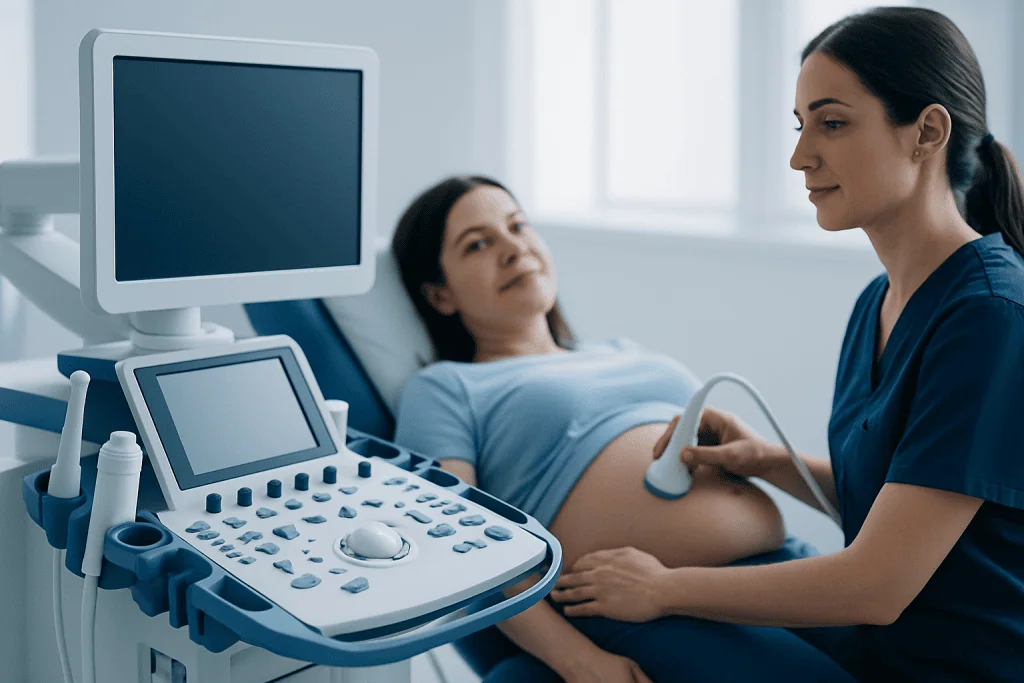
This finding is not rare, and it is often discovered incidentally during a routine anatomy scan. Many pregnant people feel well and have no warning signs at all. Because the diagnosis usually comes from imaging rather than symptoms, it can be surprising and understandably worrying when first mentioned.
What matters most is not simply the label itself, but whether it is affecting how the placenta supports the pregnancy. In some cases, marginal cord insertion is linked with a higher chance of fetal growth restriction, preterm birth, or placental complications. However, these outcomes do not happen in every case, and many pregnancies progress normally with standard or slightly increased observation.
The significance can also depend on whether there are other findings, such as placenta previa, abnormalities of placental shape, multiple pregnancy, or concerns about fetal growth. For this reason, care is individualized. The diagnosis becomes one piece of the overall pregnancy picture rather than a prediction of what will definitely happen.
Symptoms and possible effects during pregnancy

Marginal cord insertion usually does not cause symptoms that a pregnant person can feel. It does not typically lead to pain, nausea, or a unique physical sensation. Most people learn about it after a prenatal ultrasound, often during the mid-pregnancy anatomy scan.
Although the condition itself is usually silent, doctors watch for indirect effects that may suggest the placenta is not supporting growth as expected. These may include a baby measuring smaller than expected on ultrasound, lower estimated fetal weight, or changes in blood flow studies if those are performed. In some pregnancies, extra growth scans are recommended later in the second or third trimester.
Possible concerns that may be associated with marginal cord insertion include:
- Fetal growth restriction or a baby measuring small for gestational age
- Preterm birth
- Placental problems during labor or delivery
- A greater need for closer fetal surveillance in later pregnancy
It is important to keep these possibilities in perspective. An association does not mean a complication will occur. Monitoring is meant to identify the pregnancies that need extra support while reassuring those that continue normally.
Causes, risk factors, and related placental conditions
There is no single known action or event that causes marginal cord insertion. It develops during early placental formation, and in most cases it is not the result of anything the pregnant person did or did not do. This is an important point, because many patients feel guilt after hearing about any placental variation in pregnancy.
Researchers have identified some factors that may be linked with atypical cord insertion, but these do not explain every case. The finding may be seen more often in multiple gestation, pregnancies conceived with fertility treatment, or pregnancies that also have placental differences. Still, it can also occur in otherwise uncomplicated singleton pregnancies.
Doctors may evaluate whether marginal cord insertion appears alongside other placental or fetal conditions. Depending on the ultrasound findings, they may assess the placenta in more detail or recommend follow-up imaging such as prenatal ultrasound and, when needed, fetal echocardiography if there are separate concerns about fetal anatomy or circulation. The goal is not to assume a problem, but to define the pregnancy as clearly as possible and plan appropriate follow-up.
How doctors diagnose and monitor it
Diagnosis is usually made with ultrasound. During prenatal imaging, the sonographer and obstetric specialist examine where the umbilical cord enters the placenta. If the insertion is close to the edge, it may be described as marginal. Sometimes the placenta’s location, the baby’s position, or gestational age can make the view less clear, so repeat imaging may be helpful.
After the diagnosis, monitoring depends on the rest of the pregnancy. If growth is normal and there are no other concerns, care may remain routine with one or more extra scans. If there are concerns about the baby’s size, amniotic fluid, or blood flow, the care team may increase surveillance with serial ultrasounds and Doppler studies. In selected cases, doctors may also monitor fetal well-being later in pregnancy.
Ultrasound is also important because it helps distinguish marginal insertion from other placental conditions, including placenta previa or velamentous insertion. If questions remain after standard imaging, more detailed assessment may be arranged through a maternal-fetal medicine specialist. Clear diagnosis guides counseling, delivery planning, and reassurance.
Treatment and pregnancy care planning
There is no procedure that changes the cord’s attachment point during pregnancy. Treatment, therefore, focuses on observation and on managing any complications if they arise. The main question is whether the baby is growing well and whether the placenta continues to function adequately throughout the pregnancy.
Care plans often include regular prenatal visits, attention to blood pressure and maternal health, and follow-up growth ultrasounds. If growth remains appropriate and no other issues appear, many patients continue their pregnancy without major changes. If fetal growth restriction, reduced amniotic fluid, or abnormal blood flow is detected, the obstetric team may increase monitoring and discuss the safest timing and mode of delivery.
Delivery decisions are based on the full clinical picture, not on marginal cord insertion alone. Many patients can have a vaginal birth if there are no obstetric reasons for cesarean delivery. If separate complications develop, such as fetal distress, placental bleeding, or labor concerns, the team may recommend interventions including cesarean section when appropriate.
Near the end of pregnancy, some patients benefit from care by a multidisciplinary obstetric team. Acibadem International’s multidisciplinary specialists in JCI-accredited hospitals diagnose and manage placental and fetal conditions for international patients, using individualized monitoring plans based on ultrasound findings and maternal-fetal assessment.
Self-care, questions to ask, and when to seek medical care
Self-care with marginal cord insertion centers on consistent prenatal care rather than special home treatment. Keeping scheduled appointments, completing recommended ultrasounds, and reporting any new symptoms are the most helpful steps. General healthy pregnancy habits still matter, including adequate rest, balanced nutrition, hydration, and avoiding tobacco, alcohol, and other substances not approved by a doctor.
Many patients find it useful to ask practical questions at appointments. These may include whether extra growth scans are needed, whether fetal movement should be monitored in a particular way, how often follow-up is recommended, and whether delivery planning changes if the baby’s growth slows. Clear communication can reduce anxiety and help patients understand what is being watched and why.
Medical care should be sought promptly for vaginal bleeding, leaking fluid, regular contractions before term, severe abdominal pain, severe headache, sudden swelling, or noticeably reduced fetal movement after movement patterns are established. These symptoms are not specific to marginal cord insertion, but they can signal pregnancy complications that need urgent assessment. If there is ever uncertainty, contacting an obstetric clinician or maternity unit is the safest step.
Frequently asked questions
Is marginal cord insertion dangerous?
Marginal cord insertion is not automatically dangerous, and many pregnancies with this finding have healthy outcomes. Its importance is that it may slightly increase the chance of growth or placental concerns, so doctors may recommend additional monitoring.
Can marginal cord insertion correct itself?
The placental attachment pattern itself usually does not change in a meaningful way during pregnancy. However, as the uterus and placenta grow, follow-up imaging may clarify the finding and show that the baby is growing normally, which can be reassuring.
Does marginal cord insertion always affect the baby’s growth?
No. Some babies grow normally throughout pregnancy despite a marginal cord insertion. Extra ultrasounds are often used to confirm that growth remains on track and to detect any changes early.
What is the difference between marginal and velamentous cord insertion?
In marginal cord insertion, the umbilical cord attaches at the edge of the placenta but still inserts directly into placental tissue. In velamentous cord insertion, the cord vessels travel through the membranes before reaching the placenta, which generally carries greater risk and closer surveillance.
Will a cesarean section be necessary?
Not necessarily. Marginal cord insertion alone does not automatically mean a cesarean birth is needed. The mode of delivery depends on the baby's condition, placental findings, labor progress, and any other pregnancy complications.
How is marginal cord insertion diagnosed?
It is usually diagnosed during a prenatal ultrasound, often at the anatomy scan. If the view is limited or there are additional concerns, repeat ultrasound or consultation with a maternal-fetal medicine specialist may be recommended.
This article is for general information only and is not a substitute for professional medical advice. Please consult a qualified doctor about your individual situation.
Explore treatments in Turkey — costs, top hospitals & a free quote
JCI-accredited · board-certified surgeons · reply within 24h
Add us as a Preferred Source to see more of our trusted health content across Google Search, AI Overviews and Discover.

More from the Health Library

Ventricular Extrasystole Bigeminy: A Complete Medical Overview

Yellow Onion: What Patients Need to Know

Vivid Dreams: What Patients Need to Know

Delirium Tremens: An Evidence-Based Guide for Patients

Weight Reduce Juice: A Complete Medical Overview