Urgent Care Clinic — Explained by Medical Evidence, Not Myths
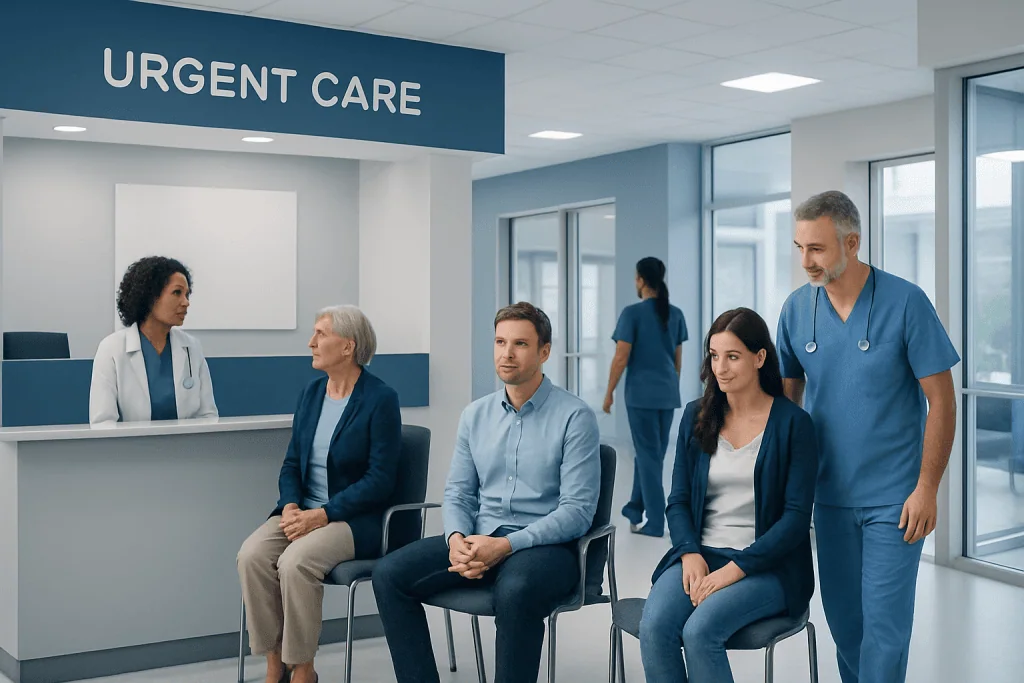
An urgent care clinic is designed for medical problems that need attention soon but are not emergencies. It commonly treats minor infections, sprains, cuts, fever, sore throat, urinary symptoms, and mild breathing complaints.
Key Takeaways
- An urgent care clinic is designed for medical problems that need attention soon but are not emergencies.
- It commonly treats minor infections, sprains, cuts, fever, sore throat, urinary symptoms, and mild breathing complaints.
- Chest pain, severe shortness of breath, stroke symptoms, major bleeding, and serious head injury need emergency care instead.
- Urgent care can provide examinations, simple imaging, lab tests, prescriptions, and referrals when needed.
- If symptoms are worsening, persistent, or unclear, a qualified doctor should assess them promptly.
An urgent care clinic is a walk-in medical service for illnesses and injuries that need prompt care but are not life-threatening. It helps bridge the gap between primary care and the emergency department by offering same-day evaluation, basic testing, and treatment for many common problems.
Overview: what an urgent care clinic is
An urgent care clinic is a medical facility that evaluates and treats health concerns that should not wait several days for a routine appointment, but also do not appear to be life-threatening. In practical terms, it is meant for prompt, same-day care of common illnesses and minor injuries, often on a walk-in basis.
This type of clinic fills an important middle ground between a primary care office and a hospital emergency department. A person may choose urgent care when their usual doctor is unavailable, when symptoms start suddenly outside office hours, or when they need basic testing and treatment without the full resources of an emergency room.
Urgent care clinics typically assess symptoms, perform physical examinations, order simple laboratory tests or imaging, provide treatments such as wound care or splinting, and prescribe medicines when appropriate. They may also recommend transfer to an emergency department or referral to a specialist if a more serious condition is suspected.
What problems an urgent care clinic can treat
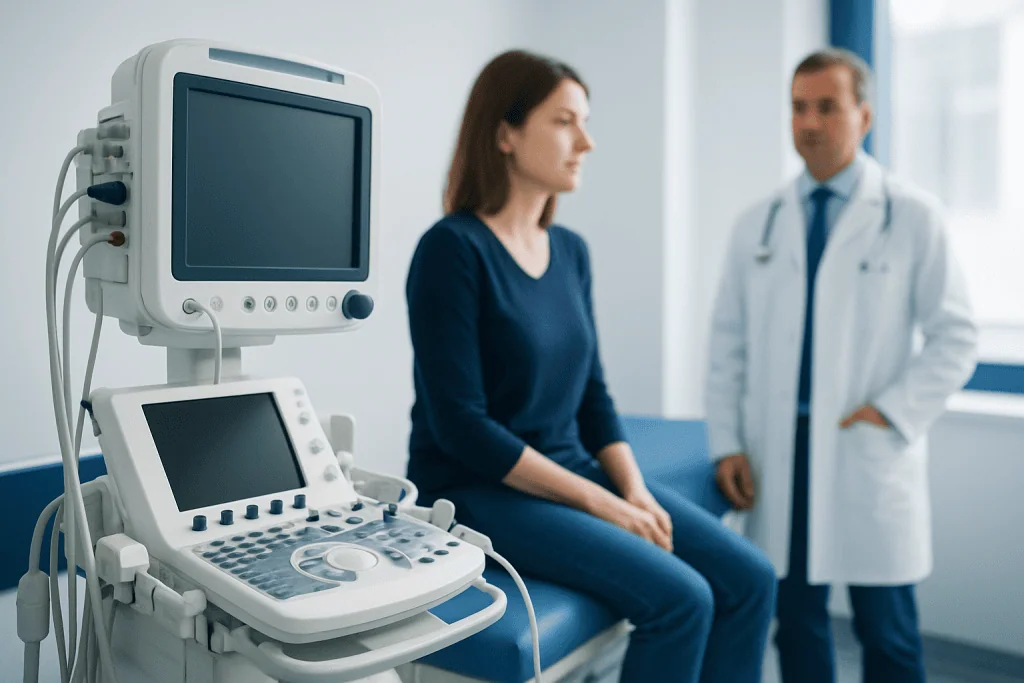
An urgent care clinic commonly treats conditions that are uncomfortable, disruptive, or concerning, but stable enough to be managed outside the hospital emergency setting. The exact services vary by clinic, but many can diagnose and manage short-term infections, minor trauma, skin problems, and mild to moderate symptoms that need quick review.
Examples of concerns often seen in urgent care include fever, sore throat, ear pain, sinus symptoms, cough, mild asthma flare, vomiting or diarrhea without signs of severe dehydration, painful urination, rashes, minor burns, cuts that may need closure, simple fractures, sprains, and back strain. Some clinics also offer testing for infections, pregnancy, or basic metabolic issues.
Common reasons to visit may include:
- Cold, flu-like illness, or suspected viral infection
- Sore throat, ear infection, or sinus pain
- Mild breathing symptoms such as wheezing or bronchitis-like complaints
- Urinary symptoms such as burning, urgency, or frequency
- Small lacerations, bruises, sprains, or possible minor fractures
- Localized skin infections, allergic rashes, or insect bites
Even when a problem seems minor, the purpose of urgent care is not only treatment but also safe triage. For instance, a painful, frequent urge to urinate may be a simple infection, but in some cases it needs further evaluation similar to cystitis assessment. A cough may be viral, but if symptoms suggest a lower airway infection, clinicians may consider testing and treatment pathways similar to bronchitis evaluation.
Urgent care clinic vs primary care vs emergency room

One of the most common questions is how an urgent care clinic differs from other medical settings. Primary care is best for preventive visits, long-term management of chronic disease, medication review, and non-urgent symptoms. Urgent care is better suited to same-day issues that need quick attention but are not immediately dangerous.
The emergency room is designed for severe, life-threatening, or rapidly worsening conditions. It has access to advanced imaging, operating rooms, critical care teams, and inpatient services. Urgent care clinics can manage many everyday medical concerns, but they are not built for unstable patients or for conditions that may need continuous monitoring and hospital-level intervention.
A useful way to think about the difference is urgency versus severity. A high fever with sore throat may be urgent because the person feels very unwell and wants care today; however, if breathing is normal and the person is stable, urgent care may be appropriate. By contrast, chest pain, new one-sided weakness, confusion, fainting, or severe abdominal pain may indicate an emergency and should not be delayed by going to urgent care first.
How clinicians evaluate symptoms in urgent care
Urgent care visits are guided by medical triage rather than by a fixed list of diagnoses. The first priority is to identify warning signs that suggest a more serious illness or injury. Staff usually assess symptoms, vital signs, medical history, medicines, allergies, and any relevant chronic conditions before deciding on the next steps.
The clinical evaluation may include a focused physical examination and point-of-care tests such as throat swabs, urine tests, pregnancy tests, blood glucose checks, or viral testing when suitable. Some urgent care clinics can also perform X-rays for suspected fractures or chest symptoms. If a condition appears more complex than it first seemed, the patient may be referred for specialist care or hospital assessment.
This approach matters because common symptoms can sometimes have different causes. A headache may be due to tension, dehydration, infection, or a migraine pattern resembling migraine. Shortness of breath may be related to an infection, asthma, allergy, or another medical issue. Safe urgent care relies on careful evaluation, not assumptions.
Treatment options and what to expect during a visit
Treatment in an urgent care clinic depends on the cause and severity of symptoms. After the examination and any tests, the clinician may recommend rest, hydration, over-the-counter symptom relief, prescription medication, wound management, splinting, inhaled therapy, or observation at a higher level of care. The goal is to treat the current problem safely and decide whether more testing or follow-up is needed.
Many clinics can provide basic procedures such as cleaning and dressing wounds, closing selected cuts, draining simple skin collections when appropriate, administering inhaled breathing treatments, or immobilizing an injured limb. If symptoms suggest a condition requiring specialized care, the patient may be referred for services such as physical therapy and rehabilitation after an injury or check-up and diagnostic services for broader evaluation.
Before leaving, the patient is usually given home-care instructions, warning signs to watch for, and advice about follow-up. This may include returning if symptoms worsen, seeing a primary care doctor for ongoing concerns, or seeking emergency care if red-flag symptoms appear. Clear discharge advice is an important part of safe urgent care.
When to seek medical care
An urgent care clinic is suitable when symptoms are new, uncomfortable, and need timely attention, but the person is generally stable. Examples include a painful sore throat, fever without severe lethargy, a mild to moderate ankle sprain, an earache, a rash, or urinary discomfort. It can also be reasonable for symptoms that are worsening slowly over hours to a day and cannot wait for a routine office appointment.
Emergency care is more appropriate for signs of serious illness or injury. These include chest pain, severe shortness of breath, blue lips, stroke-like symptoms, sudden confusion, seizures, severe dehydration, heavy bleeding, major burns, a deep wound with uncontrolled bleeding, serious head injury, or intense abdominal pain. Infants, older adults, pregnant patients, and people with major chronic illnesses may need a lower threshold for emergency evaluation.
If there is uncertainty, it is safest to call a qualified healthcare professional or local emergency services. Timely care matters most when symptoms are rapidly changing, severe, or affecting breathing, circulation, consciousness, or movement.
Prevention, self-care, and follow-up
Not every symptom needs urgent in-person care, and safe self-care can be appropriate for some mild problems. Rest, fluids, fever control as advised by a clinician, simple wound cleaning, and temporary activity modification often help while monitoring symptoms. However, self-care should not replace medical evaluation if warning signs develop or if symptoms are persistent, severe, or unusual for the person.
Prevention also reduces urgent care visits. Routine vaccination, hand hygiene, safe exercise habits, appropriate protective equipment, good control of chronic conditions, and regular primary care follow-up can lower the chance of sudden illnesses and injuries. Keeping an updated medicine list and knowing personal allergies can also make any urgent visit safer and more efficient.
Follow-up is especially important if the diagnosis remains uncertain, symptoms have not improved within the expected time, or repeat episodes keep happening. In some cases, a clinician may advise referral for internal medicine evaluation or another specialty service. Acibadem International’s multidisciplinary specialists and JCI-accredited hospitals also diagnose and treat patients who need coordinated assessment after urgent symptoms or injuries.
Frequently asked questions
What is an urgent care clinic?
An urgent care clinic is a walk-in medical service for health problems that need prompt attention but are not considered emergencies. It usually offers same-day assessment, basic tests, treatment, and advice about whether more advanced care is needed.
When should someone go to urgent care instead of the emergency room?
Urgent care is generally appropriate for stable problems such as minor injuries, sore throat, ear pain, urinary symptoms, fever, rash, or mild breathing complaints. The emergency room is the better choice for severe symptoms such as chest pain, major trauma, heavy bleeding, severe shortness of breath, stroke symptoms, or loss of consciousness.
Can an urgent care clinic prescribe medication?
Yes, many urgent care clinics can prescribe medicines when they are medically appropriate after an examination. The exact medications depend on the diagnosis, the clinic's scope of practice, and the patient's age, allergies, and health history.
Do urgent care clinics do tests and X-rays?
Many urgent care clinics offer simple diagnostic testing such as throat swabs, urine tests, viral testing, blood sugar checks, and basic imaging like X-rays. Available services vary, so some patients may still need referral to a hospital or specialist for more advanced testing.
Is urgent care suitable for children?
Many urgent care clinics see children for common illnesses and minor injuries, but age limits and pediatric services can differ by location. Young infants, children with breathing difficulty, dehydration, unusual drowsiness, or severe symptoms should be assessed urgently in a higher-acuity setting.
What should a person bring to an urgent care visit?
It helps to bring identification, a list of medications, allergy information, past medical history, and details about when symptoms started. If there was an injury, any relevant information about how it happened can also help guide evaluation and treatment.
This article is for general information only and is not a substitute for professional medical advice. Please consult a qualified doctor about your individual situation.
Explore treatments in Turkey — costs, top hospitals & a free quote
JCI-accredited · board-certified surgeons · reply within 24h
Add us as a Preferred Source to see more of our trusted health content across Google Search, AI Overviews and Discover.

More from the Health Library

Vasovagal Syncope: An Evidence-Based Guide for Patients

Nyquil Sleep: An Evidence-Based Guide for Patients

Strawberry Birthmark — Explained by Medical Evidence, Not Myths

Lenticular Lenses: An Evidence-Based Guide for Patients

Venous Insufficiency Legs: An Evidence-Based Guide for Patients