Venous Insufficiency Legs: An Evidence-Based Guide for Patients
Chronic venous insufficiency develops when leg vein valves weaken or become damaged, allowing blood to pool in the lower legs. Common symptoms include leg heaviness, aching, ankle swelling, varicose veins, itching and skin discoloration.
Key Takeaways
- Chronic venous insufficiency develops when leg vein valves weaken or become damaged, allowing blood to pool in the lower legs.
- Common symptoms include leg heaviness, aching, ankle swelling, varicose veins, itching and skin discoloration.
- A clinical examination and duplex ultrasound are commonly used to assess blood flow and identify valve reflux or obstruction.
- Movement, leg elevation, weight management and medically appropriate compression can help many people manage symptoms.
- New or one-sided swelling, sudden pain, breathlessness, skin breakdown or bleeding from a vein needs prompt medical assessment.
Venous insufficiency legs occurs when valves in the leg veins do not move blood back toward the heart effectively. It can cause aching, swelling, visible veins and skin changes, but early assessment and appropriate care can help control symptoms and reduce complications.
What Is Venous Insufficiency in the Legs?
Venous insufficiency legs refers to a circulation problem in which veins in the legs have difficulty returning blood to the heart. Healthy leg veins contain one-way valves that support upward blood flow, especially when a person walks. When these valves do not close properly, blood can flow backward and collect in the lower legs. This is often called chronic venous insufficiency, or CVI.
The condition may affect superficial veins near the skin, deeper veins inside the leg, or both. It can range from mild symptoms, such as tired or heavy legs after standing, to persistent swelling and skin changes. Although venous insufficiency is usually manageable, it should not be ignored because ongoing pressure in the veins can gradually affect the skin and soft tissues around the ankles and lower legs.
Venous insufficiency is different from poor arterial circulation. Arteries carry oxygen-rich blood from the heart to the tissues, while veins return blood to the heart. A clinician can distinguish between these conditions because their symptoms, examination findings and treatments differ. This distinction is particularly important before compression therapy is recommended.
How Venous Insufficiency May Feel and Look
Symptoms often become more noticeable after prolonged sitting or standing and may improve when the legs are elevated or when a person walks. Some people have symptoms in both legs, while others notice one leg is more affected. The severity of visible veins does not always match the level of discomfort.
- Heaviness, tiredness, aching, throbbing or cramping in the legs
- Swelling around the ankles, feet or lower legs, often later in the day
- Varicose veins or smaller visible thread veins
- Itching, tingling, burning or a feeling of tightness in the skin
- Skin that becomes dry, scaly, reddish-brown or darker around the ankles
- Firmness or thickening of the skin and underlying tissue in longstanding cases
In more advanced venous disease, a slow-healing wound may develop near the inner ankle. This is known as a venous leg ulcer. It is not an inevitable outcome, and timely assessment of persistent swelling, skin changes or discomfort can help identify ways to protect the skin before an ulcer develops.
Why Leg Vein Valves Stop Working Well
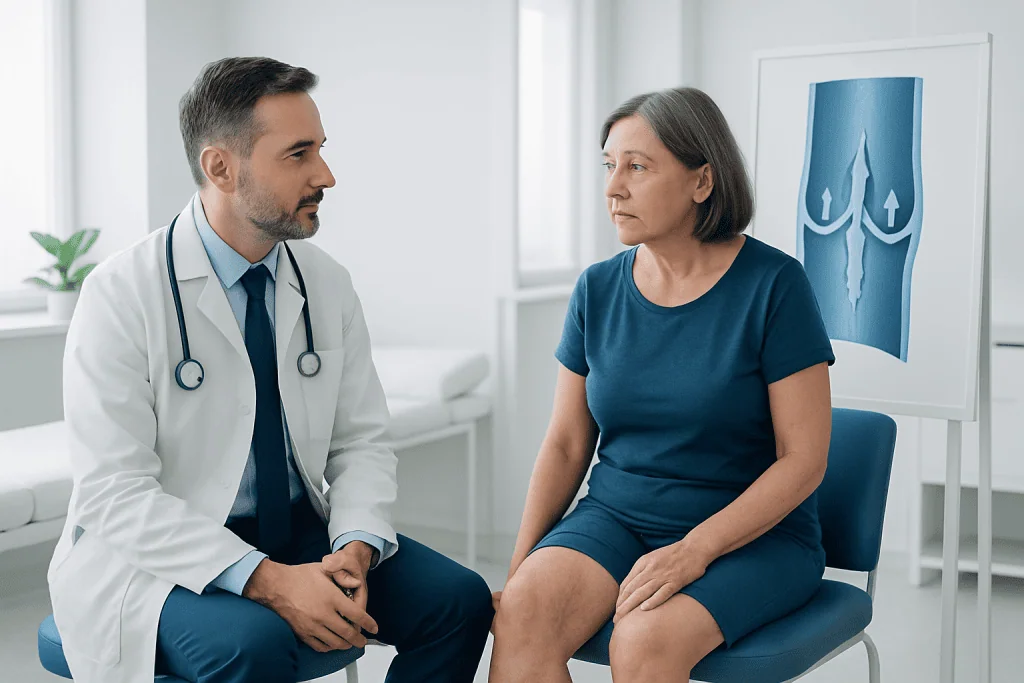
Venous insufficiency can develop when vein walls stretch and valves no longer meet tightly enough to prevent backward flow. This process may occur gradually over time. It can also follow damage to the deep veins after a blood clot, a situation sometimes described as post-thrombotic syndrome.
Several factors can raise the likelihood of venous insufficiency. These include a family history of varicose veins, increasing age, pregnancy, previous pregnancies, excess body weight, limited mobility and work or daily routines that involve long periods of standing or sitting. Hormonal influences may also contribute to vein changes in some people.
A previous deep vein thrombosis, leg injury, surgery or conditions that limit calf muscle movement can affect venous circulation. The calf muscles are sometimes called the leg’s “second heart” because contracting them while walking helps push blood upward through the veins. Having risk factors does not mean a person will definitely develop venous insufficiency, but it can make new symptoms worth discussing with a healthcare professional.
How Doctors Diagnose Venous Insufficiency
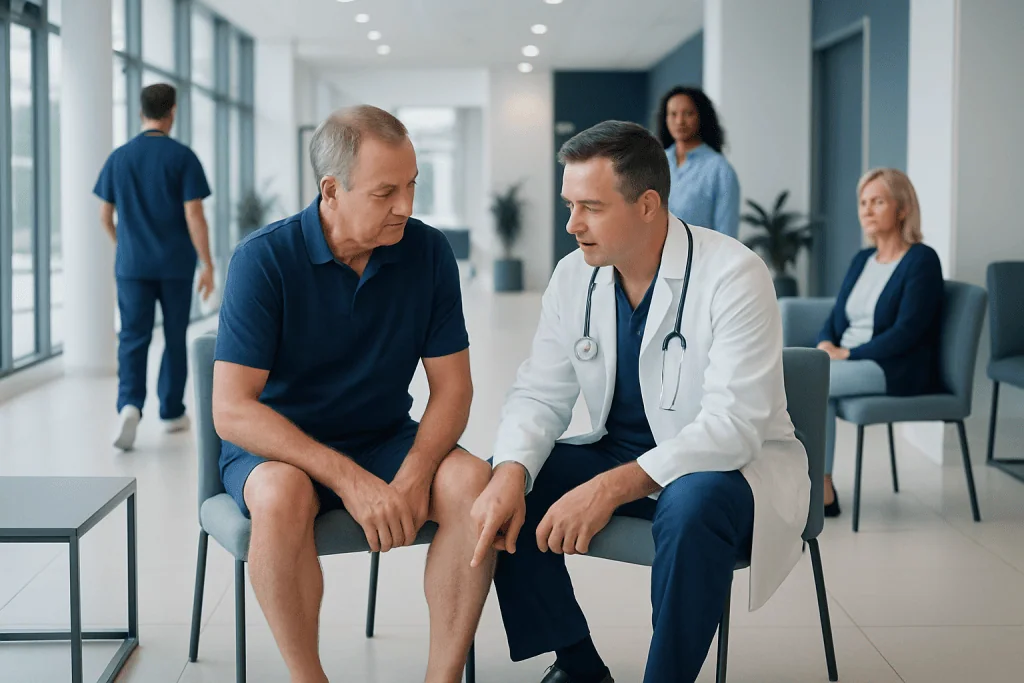
Diagnosis starts with a discussion of symptoms, medical history, work and activity patterns, previous blood clots, pregnancies, surgeries and family history. A clinician examines the legs while the person is standing and may check for swelling, enlarged veins, skin changes, wounds and pulses in the feet. Checking pulses helps assess whether arterial circulation may also be involved.
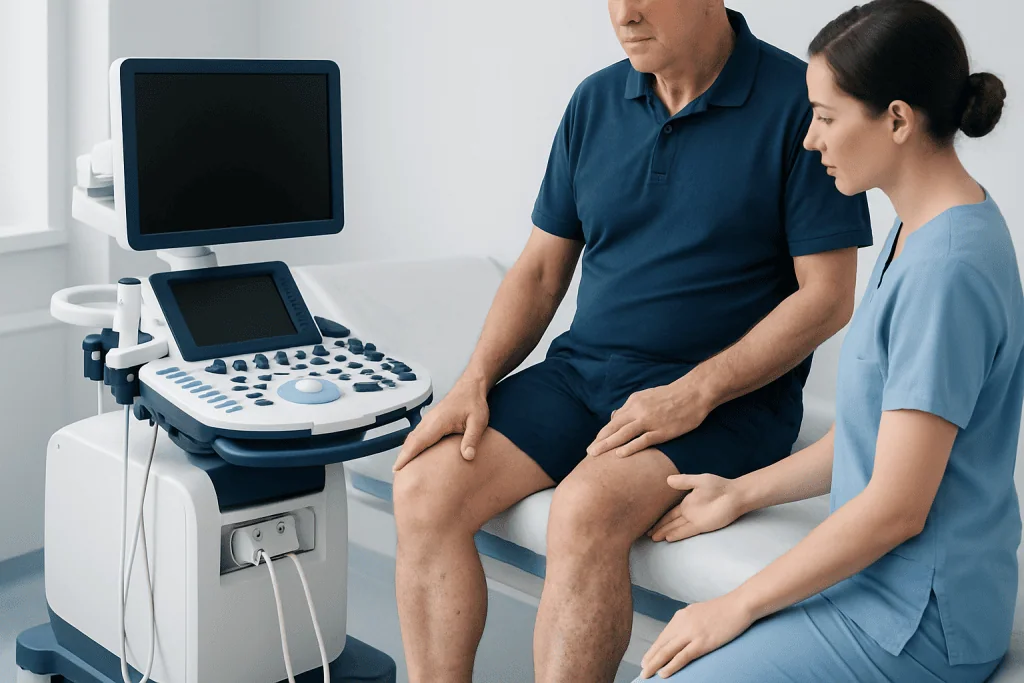
Duplex ultrasound is the main test used to evaluate venous insufficiency. It combines ultrasound images with Doppler measurements of blood flow. The test can show whether blood is flowing backward through faulty valves, identify the veins involved and assess for signs of blockage or previous clot-related damage. It is noninvasive and does not use radiation.
Additional testing is not needed for everyone. However, clinicians may investigate other causes of leg swelling, including heart, kidney, liver, lymphatic or medication-related conditions, depending on the person’s symptoms and health history. Sudden swelling in one leg may require urgent evaluation to rule out a deep vein thrombosis rather than being assumed to be chronic venous insufficiency.
Treatment Options and Everyday Symptom Control
Treatment is individualized according to symptoms, ultrasound findings, skin health and a person’s overall medical condition. For many people, conservative measures are the starting point. Regular walking and other low-impact movement activate the calf muscles, while avoiding long periods in one position may reduce pooling. Raising the legs above heart level for short periods, when practical, can also ease swelling.
Compression stockings or wraps may help reduce swelling, heaviness and discomfort by supporting blood flow in the legs. They should be selected with professional guidance, as the correct pressure and fit matter. Compression may not be suitable for everyone, especially people with significant peripheral artery disease, certain heart conditions or sensory problems, so it is best not to begin strong compression without medical advice.
When symptoms continue despite self-care, or when refluxing veins are contributing to skin damage or ulcers, a vascular specialist may discuss procedures to close or treat affected veins. Options can include thermal ablation, medical adhesive closure, ultrasound-guided foam sclerotherapy or surgical techniques in selected cases. These procedures aim to redirect blood through healthier veins; the most suitable approach depends on the pattern of vein disease and individual needs.
Skin care is also important. Moisturizing dry skin, treating eczema under medical guidance and protecting the legs from injury can lower the chance of skin breakdown. If a venous ulcer is present, it generally needs structured wound care, compression when safe, and treatment of the underlying venous problem.
Prevention and Long-Term Leg Care
Not every cause of venous insufficiency can be prevented, particularly when there is a strong family tendency or previous vein damage. Still, daily habits can support vein and general cardiovascular health. Walking, cycling, swimming and ankle exercises are practical ways to encourage calf muscle activity. During long trips or desk-based work, taking regular movement breaks can be helpful.
Maintaining a weight that is appropriate for the individual, eating a balanced diet and avoiding smoking support circulation and overall health. People who stand for many hours may benefit from changing position often, taking short walking breaks and discussing suitable compression garments with a clinician. Those who sit for prolonged periods can try ankle circles, heel raises and brief walks throughout the day.
It is sensible to inspect the feet, ankles and lower legs regularly, especially if swelling or skin changes are already present. New areas of redness, irritation, weeping, cracking or non-healing skin should be assessed rather than treated only with over-the-counter products. Long-term care is usually most effective when symptoms, skin protection and risk factors are addressed together.
When to Seek Medical Care
A non-urgent medical appointment is appropriate for ongoing leg heaviness, recurrent ankle swelling, bothersome varicose veins, itching, skin discoloration or symptoms that interfere with daily activity or sleep. Assessment is also useful before buying high-pressure compression stockings, especially for people with diabetes, known artery disease or a history of blood clots.
Urgent medical care is needed for sudden swelling, pain, warmth or redness in one leg, as these can be signs of a blood clot and require prompt evaluation. Immediate emergency help is important if leg symptoms occur with chest pain, shortness of breath, coughing blood, fainting or a rapid heartbeat.
A person should also seek timely care for an open wound near the ankle or lower leg, a wound that is not healing, signs of infection such as spreading redness or fever, or bleeding from a varicose vein. Applying firm direct pressure and elevating the leg can help control vein bleeding while urgent medical assistance is arranged. Acibadem International’s multidisciplinary specialists and JCI-accredited hospitals diagnose and treat venous conditions for international patients.
Frequently asked questions
Can venous insufficiency in the legs go away?
Valve damage in the veins does not usually repair itself completely. However, many people control symptoms effectively with activity, elevation, appropriately prescribed compression and, when needed, vein procedures. Early management can also help reduce the risk of progressive skin changes.
Is venous insufficiency the same as varicose veins?
They are related but not identical. Varicose veins are enlarged, visible veins that may result from valve problems, while venous insufficiency describes impaired blood return through the veins. A person can have venous insufficiency without prominent varicose veins.
Does walking help venous insufficiency legs?
Walking often helps because calf muscle contractions assist blood flow back toward the heart. Regular, comfortable movement can reduce pooling during the day. Anyone with severe pain, an active ulcer or other medical limitations should ask their clinician about an appropriate activity plan.
Should a person wear compression stockings all day?
The schedule and compression level should be based on clinical advice. When recommended, stockings are commonly put on in the morning before swelling increases and removed at bedtime. They should be properly fitted and should not cause numbness, marked pain, color changes or skin injury.
Can venous insufficiency cause blood clots?
Venous insufficiency and deep vein thrombosis are different conditions, although a previous deep vein thrombosis can damage valves and lead to chronic venous insufficiency. Varicose veins may be associated with a modestly increased clot risk in some circumstances. Sudden one-sided swelling or pain should always be assessed promptly.
What happens if venous insufficiency is left untreated?
Some people continue to have mild symptoms only, but others may develop more persistent swelling, eczema-like irritation, skin discoloration, hardening of the lower-leg tissue or venous ulcers. The course varies from person to person. Medical review is useful when symptoms are persistent or skin changes begin.
References
- National Heart, Lung, and Blood Institute
- Society for Vascular Surgery
- American Venous Forum
- National Institute for Health and Care Excellence
- Mayo Clinic
This article is for general information only and is not a substitute for professional medical advice. Please consult a qualified doctor about your individual situation.
Explore treatments in Turkey — costs, top hospitals & a free quote
JCI-accredited · board-certified surgeons · reply within 24h
Add us as a Preferred Source to see more of our trusted health content across Google Search, AI Overviews and Discover.