

Over the Counter Bacterial Vagina Treatment: Symptoms, Causes, and Treatment Options

Bacterial vaginosis is caused by an imbalance in normal vaginal bacteria, not by poor hygiene. Most over-the-counter products do not reliably cure BV, though some may offer temporary symptom support.
Key Takeaways
- Bacterial vaginosis is caused by an imbalance in normal vaginal bacteria, not by poor hygiene.
- Most over-the-counter products do not reliably cure BV, though some may offer temporary symptom support.
- Prescription antibiotics are the standard treatment when BV is diagnosed.
- BV symptoms can overlap with yeast infections and sexually transmitted infections, so self-diagnosis is often inaccurate.
- Medical care is important during pregnancy, with severe symptoms, or when symptoms keep coming back.
Over the counter bacterial vag treatment can sometimes help with symptoms such as odor or discharge, but it usually does not cure bacterial vaginosis. BV is typically confirmed by a clinician and treated with prescription antibiotics, especially when symptoms are persistent, recurrent, or unclear.
Overview: Can over-the-counter treatment cure bacterial vaginosis?
Over the counter bacterial vag treatment may provide short-term relief for symptoms such as vaginal odor, mild irritation, or discharge, but it generally does not cure bacterial vaginosis (BV). BV is a common vaginal condition caused by a shift in the balance of bacteria in the vagina. When symptoms are truly due to BV, the most effective treatment is usually a prescription antibiotic recommended by a qualified clinician.
This distinction matters because many people assume a change in discharge or odor is a yeast infection and buy an antifungal product. However, yeast infections and BV are different conditions and need different treatment. Using the wrong product may delay proper care and leave symptoms unresolved.
Some nonprescription products are marketed for vaginal balance, pH support, or odor control. These may include gels, probiotic supplements, or boric acid products. While certain supportive approaches may help some people feel more comfortable, the evidence for over-the-counter cure is limited, and these products should not replace an accurate diagnosis when symptoms are new, strong, or recurrent.
What bacterial vaginosis is and how it feels
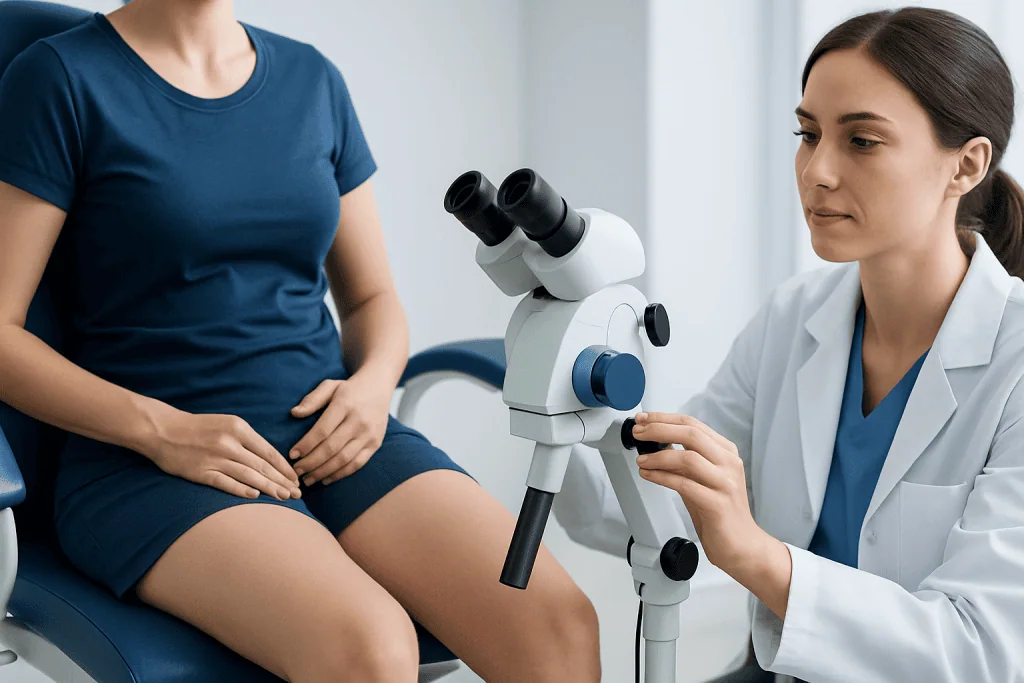
Bacterial vaginosis develops when the usual balance of vaginal bacteria changes. The vagina normally contains protective bacteria, especially lactobacilli, that help maintain an acidic environment. In BV, these protective bacteria decrease and other bacteria increase, changing the vaginal pH and leading to symptoms.
Common symptoms include a thin vaginal discharge that may look white or gray, a noticeable fishy odor, and symptoms that seem more obvious after sex. Some people also notice mild burning during urination or general vaginal discomfort. Others have BV without any symptoms at all.
Because these symptoms can overlap with other conditions, BV is not always easy to identify at home. A yeast infection may cause thick discharge and itching, while some sexually transmitted infections can also cause discharge, irritation, pelvic discomfort, or urinary symptoms. If symptoms are uncertain, a clinician may evaluate for vaginitis and other possible causes.
- Thin, white, gray, or milky discharge
- Fishy vaginal odor
- Mild burning with urination
- Vaginal discomfort without intense itching
Why BV happens: causes and risk factors

BV is not considered a classic sexually transmitted infection, but sexual activity can influence the vaginal environment. The exact cause is a bacterial imbalance rather than infection by a single germ. This means BV is not a sign of being unclean, and it is not caused by poor personal hygiene.
Several factors can increase the chance of developing BV. These include having a new sexual partner, having multiple partners, douching, and anything that disrupts the natural vaginal environment. Some people get BV repeatedly even when they avoid these triggers, which can be frustrating but is not unusual.
Hormonal changes, menstruation, and some personal care products may also affect symptoms in certain individuals. Fragranced soaps, vaginal deodorants, and internal cleansing products can irritate tissues or alter pH, making the vagina more vulnerable to imbalance. Avoiding these products is often a simple and helpful self-care step.
OTC options: what may help and what usually does not
When people search for over the counter bacterial vag treatment, they are often looking for a way to avoid an appointment or get fast relief. It is important to know that over-the-counter antifungal creams, commonly used for yeast infections, do not treat BV. If the symptoms are due to BV, these products usually will not solve the problem.
Some nonprescription vaginal gels are designed to support a healthy pH or reduce odor. These products may help relieve symptoms temporarily in some people, but they are not a reliable substitute for antibiotic treatment when BV is present. Probiotics are also commonly discussed. Research is ongoing, and while some formulations may support vaginal health, probiotics alone should not be considered a proven stand-alone cure for active BV.
Boric acid is sometimes used under medical guidance for certain recurrent vaginal conditions, but it is not appropriate for everyone. It can be harmful if swallowed and should never be used without careful instructions, especially during pregnancy. Products should not be inserted into the vagina if there is severe pain, fever, bleeding, or uncertainty about the diagnosis.
A safer approach is to use nonprescription products only as temporary symptom support while arranging a proper evaluation if symptoms continue. In some cases, a clinician may recommend further testing or discuss whether supportive measures alongside gynecology care are suitable for recurrent symptoms.
How BV is diagnosed
Diagnosis usually starts with a medical history and a description of symptoms. A clinician may ask about discharge, odor, sexual history, menstrual cycle, previous infections, and any products used in or around the vagina. This helps narrow the possible causes and avoid unnecessary treatment.
A pelvic examination may be recommended to assess discharge and check for irritation or other findings. A vaginal sample can be tested to measure pH, look for characteristic cells under a microscope, or identify the presence of yeast, BV-associated bacteria, or other infections. In some settings, laboratory tests may be used to confirm the diagnosis more precisely.
Testing is especially useful when symptoms are recurrent, pregnancy is involved, symptoms do not match a typical pattern, or treatment has not worked before. A thorough evaluation also helps exclude conditions that may need different care, including sexually transmitted diseases and noninfectious causes of irritation.
Treatment options that are most effective
When BV is confirmed, treatment usually involves prescription antibiotics. These may be given as oral medication or as a vaginal gel or cream, depending on the individual case, symptom severity, medical history, and clinician preference. Finishing the full prescribed course is important, even if symptoms improve quickly.
Some people notice repeat episodes after treatment. Recurrent BV is common, and management may include reassessment of the diagnosis, discussion of possible triggers, or a different treatment plan. Follow-up can be especially helpful if symptoms return soon after therapy or if home treatments have been used repeatedly without lasting relief.
During treatment, a clinician may advise avoiding douching and being cautious with fragranced products. In some cases, additional testing may be needed to rule out mixed infections, especially if symptoms include significant itching, pelvic pain, sores, or urinary symptoms. If symptoms are complex, referral for women's health assessment may be appropriate.
For international patients who need coordinated evaluation, Acibadem International’s multidisciplinary specialists in JCI-accredited hospitals diagnose and treat gynecologic conditions, including recurrent vaginal infections and related concerns.
Prevention and self-care for everyday vaginal health
Although BV cannot always be prevented, simple habits may reduce the chance of recurrence. The most helpful step is avoiding douching, which can disrupt normal vaginal bacteria. It is also wise to avoid scented washes, sprays, and deodorizing products in the genital area, since these can irritate the skin and change the natural environment.
Gentle external cleansing with water or a mild unscented cleanser is usually enough. Breathable cotton underwear, changing out of wet clothes promptly, and using condoms in some situations may also support vaginal health. These measures do not treat BV directly, but they may help lower irritation and reduce repeated imbalance in some people.
People who have frequent symptoms may benefit from keeping a simple symptom diary that notes cycle timing, new products, sexual activity, and treatments used. This can make patterns easier to identify and gives a clinician clearer information. Self-care works best when combined with medical advice rather than replacing it.
When to seek medical care
Medical care is a good idea when symptoms are new, strong, or do not improve with basic self-care. It is especially important to seek evaluation during pregnancy, since BV in pregnancy may need timely treatment. Anyone with repeated episodes should also speak with a clinician rather than continuing to self-treat without confirmation.
Urgent or prompt medical attention is needed if symptoms come with fever, pelvic or abdominal pain, unusual bleeding, sores, severe burning, or a bad smell that is rapidly worsening. These features may suggest a condition other than BV and deserve professional assessment.
Care is also important if there has been possible exposure to a sexually transmitted infection, if the discharge is green or frothy, or if a person is unsure whether symptoms are caused by BV, yeast, or something else. In those situations, proper testing helps guide safe treatment and avoid complications.
Frequently asked questions
Can over-the-counter treatment get rid of bacterial vaginosis?
Over-the-counter products may reduce odor or help support vaginal pH, but they usually do not cure bacterial vaginosis. When BV is confirmed, prescription antibiotics are generally the standard and most effective treatment.
How can someone tell the difference between BV and a yeast infection?
BV often causes a thin discharge and a fishy odor, while yeast infections more often cause thick discharge, itching, and irritation. Symptoms can overlap, so self-diagnosis is not always reliable and testing may be needed.
Are probiotics enough to treat BV?
Probiotics may support vaginal health for some people, but they are not considered a proven stand-alone treatment for active bacterial vaginosis. They may be discussed as part of a broader management plan with a clinician.
Does BV go away on its own?
Sometimes symptoms may improve temporarily, but BV can persist or come back. Because it can be confused with other infections, persistent symptoms should be assessed by a medical professional.
When should a person with BV symptoms see a doctor?
A doctor should be seen if symptoms are new, recurrent, severe, or happen during pregnancy. Prompt care is also important for fever, pelvic pain, sores, unusual bleeding, or concern about a sexually transmitted infection.
Is bacterial vaginosis caused by poor hygiene?
No. BV is caused by a change in the normal balance of vaginal bacteria, not by being unclean. In fact, douching and scented products can make the imbalance more likely.
References
- Centers for Disease Control and Prevention
- American College of Obstetricians and Gynecologists
- Office on Women's Health
- World Health Organization
This article is for general information only and is not a substitute for professional medical advice. Please consult a qualified doctor about your individual situation.
Explore treatments in Turkey — costs, top hospitals & a free quote
JCI-accredited · board-certified surgeons · reply within 24h
Add us as a Preferred Source to see more of our trusted health content across Google Search, AI Overviews and Discover.

More from the Health Library



Related Specialists

Prof. Dr. Murat Bozkurt
Orthopedic Surgery & Traumatology
Dr. Mehmet Tayfun Osmanağaoğlu
Gynecology & Obstetrics
Ody. Buse Nur Akbulak
Audiology
Prof. Dr. Mehmet Temel Yılmaz
Endocrinology