Chemical Peel Before and After: An Evidence-Based Guide for Patients

Chemical peel results vary by peel depth, skin type, and the concern being treated. Mild redness, tightness, flaking, and peeling are common during recovery.
Key Takeaways
- Chemical peel results vary by peel depth, skin type, and the concern being treated.
- Mild redness, tightness, flaking, and peeling are common during recovery.
- Sun protection and gentle skincare are essential for safe healing and better results.
- Deeper peels can produce stronger results but involve longer downtime and more risk.
- A qualified dermatologist or cosmetic physician can help determine whether a peel is appropriate.
Chemical peel before and after changes typically include smoother texture, more even tone, and gradual improvement in fine lines, acne marks, or sun damage. The exact result and recovery time depend on the depth of the peel, the skin concern being treated, and how carefully aftercare instructions are followed.
Overview: What “Chemical Peel Before and After” Really Means
Chemical peel before and after results are best understood as a process rather than a single moment. Before treatment, the skin may show concerns such as uneven pigmentation, rough texture, acne marks, fine lines, or sun damage. After treatment, the skin usually goes through a healing phase first, followed by gradual improvement as the outer damaged layers shed and fresher skin appears.
A chemical peel uses a carefully selected chemical solution to exfoliate the skin in a controlled way. Depending on the formula and depth, it may affect only the outermost layer or reach deeper layers of skin. This is why one person’s “after” picture may show subtle brightening after a light peel, while another may have more dramatic changes after a medium or deep peel.
Patients often expect immediate polished results, but short-term redness, dryness, tightness, and visible peeling are common. In most cases, the most meaningful improvement appears after the skin has healed. Realistic expectations, professional assessment, and appropriate aftercare all shape the final outcome.
What Concerns Chemical Peels Can Improve
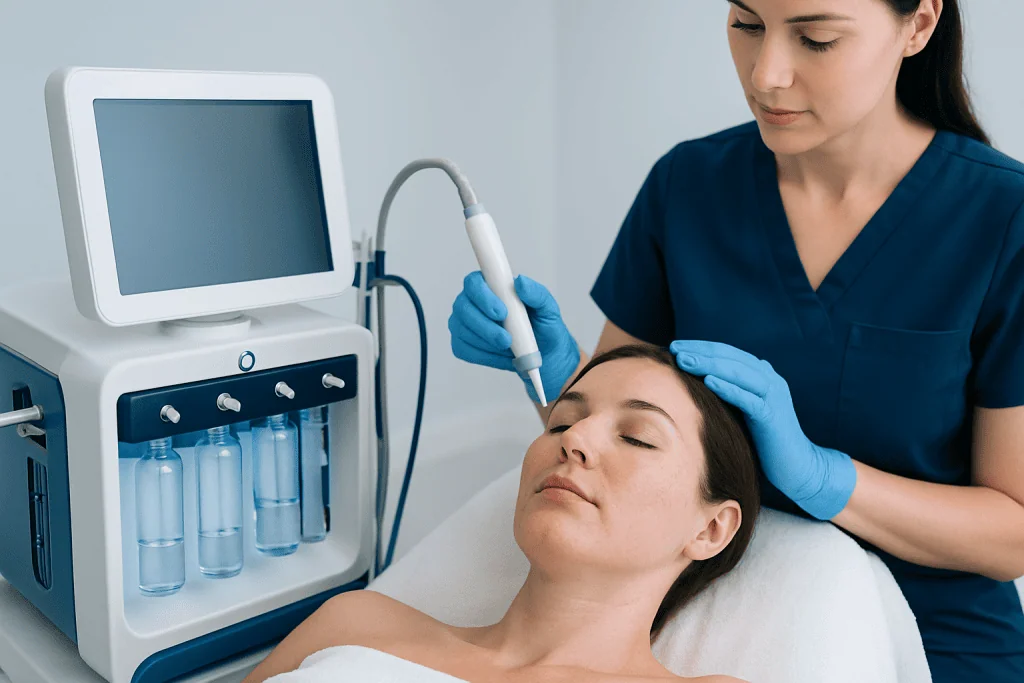
Chemical peels are commonly used to improve the appearance of skin texture and tone. They may help reduce dullness, mild acne scars, post-inflammatory marks, uneven pigmentation, early fine lines, and areas of sun damage. Some peels are also used as part of acne management, especially when clogged pores and surface irregularities are present.
However, not every skin concern responds equally well. Deeper wrinkles, significant skin laxity, and some types of scars may need different or combined treatments. Patients with active inflammation, very sensitive skin, or certain chronic skin conditions may need a different approach or a more cautious treatment plan.
A professional evaluation is important because pigmentation disorders can look similar but behave differently. For example, patients concerned about dark facial patches may need assessment for melasma, which can sometimes improve with selected superficial peels but may also worsen if treatment is too aggressive or aftercare is poor.
- Common treatment goals include brighter skin
- Improved roughness and texture
- Reduction in mild discoloration and acne marks
- Softer appearance of fine lines
Before a Chemical Peel: Assessment, Preparation, and Expectations

The “before” stage is not only about how the skin looks; it also includes medical review, skin analysis, and preparation. A clinician usually considers skin type, sensitivity, history of abnormal scarring, active infections, current medications, recent sun exposure, and whether the patient has conditions such as eczema, rosacea, or recurrent cold sores. This helps reduce the risk of complications and improves the chance of an even result.
In the days or weeks before a peel, patients may be advised to simplify skincare and avoid irritants such as strong exfoliants, retinoids, waxing, or excessive sun exposure. Some people are asked to use skin-conditioning products before treatment, especially when managing pigmentation concerns. Preparation plans vary based on the peel type and individual skin needs.
Good expectations matter as much as good preparation. A light peel usually offers modest but noticeable refreshment with limited downtime, while a deeper peel may involve more discomfort and a longer recovery period in exchange for stronger effects. Patients considering broader rejuvenation options may also discuss medical aesthetics treatments as part of an individualized plan.
After a Chemical Peel: What to Expect Day by Day
Immediately after a chemical peel, the skin may feel warm, tight, red, or slightly swollen. With light peels, this can resemble a mild sunburn and often settles within a few days. Medium and deep peels usually cause more pronounced redness and swelling, followed by visible peeling, crusting, or darkening of the treated surface before new skin is revealed.
During the first several days, dryness and flaking are common. Some patients peel in fine sheets, while others notice rough patches rather than dramatic shedding. It is important not to pick, scrub, or force peeling skin off, as this can increase irritation, delay healing, and raise the risk of discoloration or scarring.
Results appear gradually. Lighter peels may brighten the complexion within about one week, while medium and deep peels can take longer to show their full effect. Early improvement often includes smoother feel and more even tone, but collagen-related changes, such as softening of fine lines, may continue to evolve over time.
Recovery is not identical for everyone. Skin tone, sensitivity, the strength of the peel, and how strictly aftercare instructions are followed all influence the “after” result. This is one reason why photographs should be viewed as examples, not guarantees.
Types of Chemical Peels and How Results Differ
Chemical peels are often grouped as superficial, medium, or deep. Superficial peels target the outermost layer of skin and are generally used for mild discoloration, rough texture, and a refreshed appearance. They usually involve the shortest recovery time and the lowest intensity of visible peeling.
Medium peels reach deeper and may be chosen for more noticeable pigmentation changes, acne marks, or fine lines. They often produce stronger before and after differences, but with more redness, peeling, and downtime. Deep peels affect deeper skin layers and are reserved for selected patients under expert supervision because they involve a more intensive recovery and a higher risk of side effects.
The type of acid or peeling agent also matters. Glycolic acid, salicylic acid, lactic acid, trichloroacetic acid, and combination peels each have different properties. For example, salicylic acid peels may be helpful in oily or acne-prone skin, while other agents may be selected for texture or photoaging concerns. In some cases, a broader dermatology assessment helps determine whether a peel, another resurfacing method, or a combined treatment plan is the most suitable option.
Risks, Side Effects, and Who May Need Extra Caution
Common short-term effects of chemical peels include redness, tightness, sensitivity, dryness, stinging, and peeling. These are expected parts of recovery to varying degrees, especially with stronger peels. Most settle with time and proper skincare, but the healing period should still be taken seriously.
Less common but important risks include infection, prolonged redness, scarring, and changes in skin color such as post-inflammatory hyperpigmentation or, less commonly, lightened patches. These risks can be higher in deeper peels, in people with darker skin tones if treatment is not carefully selected, or when aftercare instructions are not followed.
People with active skin infections, recent isotretinoin use, a history of keloids, poorly controlled inflammatory skin disease, or significant recent sun exposure may need to postpone treatment or choose a different option. Anyone with recurring facial flushing or bumps may also need evaluation for rosacea, because irritated skin may react poorly to unsuitable peels.
Aftercare, Prevention, and How to Support Better Results
Aftercare plays a major role in chemical peel before and after outcomes. The skin barrier is temporarily more vulnerable, so gentle cleansing, regular moisturizing, and strict sun protection are essential. Broad-spectrum sunscreen and sun avoidance help reduce the risk of pigment changes and protect the new skin as it heals.
Patients are usually advised to avoid picking, scrubbing, exfoliating acids, retinoids, and hot environments until the skin has recovered. Makeup may be allowed after a period advised by the clinician, depending on the peel depth and the condition of the skin. Fragrance-free, non-irritating products are generally preferred during recovery.
Maintenance often matters more than one dramatic treatment. Some people benefit from a series of lighter peels rather than one stronger procedure. Long-term results are also supported by a consistent skincare routine, sun protection, and management of the underlying issue, such as acne or pigmentation. Near the end of the care pathway, some patients may seek review at specialist centers; Acibadem International’s multidisciplinary specialists and JCI-accredited hospitals evaluate and treat skin concerns for international patients when this is appropriate.
When to Seek Medical Care
Patients should contact a qualified clinician if redness, swelling, pain, or crusting seems worse than expected, especially if symptoms are spreading instead of improving. Medical review is also important for oozing, pus, fever, severe burning, or signs of infection.
Prompt assessment is recommended if darkening or lightening of the skin appears significant, if new blisters develop, or if the skin seems to be scarring. People with a history of cold sores should also report tingling, blistering, or reactivation around the mouth after a peel.
A planned follow-up can be helpful even when recovery is going well. It allows the clinician to assess healing, discuss maintenance, and decide whether additional treatment, such as skin rejuvenation strategies, may be helpful for the patient’s goals.
Frequently asked questions
How long does it take to see chemical peel before and after results?
Light peels may show visible brightening and smoother texture within several days to one week. Medium and deep peels often take longer because the skin needs more time to heal. Final improvement can continue to develop over weeks as redness fades and the skin settles.
Is peeling always visible after a chemical peel?
Not always. Some patients experience obvious flaking or sheet-like peeling, while others mainly notice dryness, tightness, or a rough texture. The amount of visible peeling depends on the strength of the peel, the product used, and individual skin response.
Can chemical peels make pigmentation worse?
They can in some cases, especially if the peel is too strong for the skin type, aftercare is poor, or sun exposure occurs during healing. This is why professional assessment and strict sun protection are important. People prone to hyperpigmentation may need a more cautious plan.
Are chemical peels safe for acne-prone skin?
They can be helpful for some people with acne-prone skin, particularly when clogged pores, oiliness, or post-acne marks are concerns. However, active inflamed acne may require a broader treatment plan rather than a peel alone. A dermatologist can help choose the safest option.
What should patients avoid after a chemical peel?
They should usually avoid picking the skin, using harsh exfoliants, applying retinoids too soon, and spending time in strong sun. Hot saunas, intense exercise, and fragranced or irritating products may also worsen sensitivity during early recovery. Exact advice depends on the depth of the peel.
How long do chemical peel results last?
Results vary depending on the skin concern, peel depth, sun habits, and daily skincare routine. A refreshed look from a superficial peel may fade sooner, while deeper peels can produce longer-lasting changes. Ongoing sun protection and maintenance treatments often help preserve results.
This article is for general information only and is not a substitute for professional medical advice. Please consult a qualified doctor about your individual situation.
Explore treatments in Turkey — costs, top hospitals & a free quote
JCI-accredited · board-certified surgeons · reply within 24h
Add us as a Preferred Source to see more of our trusted health content across Google Search, AI Overviews and Discover.

More from the Health Library

Travel Pressure Socks: What Patients Need to Know

Atomoxetine: What Patients Need to Know

Chief Cells: An Evidence-Based Guide for Patients

Acetylcholine: What Patients Need to Know

Sour Cream Substitute: An Evidence-Based Guide for Patients