Snoring Anti Snoring Device: A Complete Medical Overview

Snoring happens when airflow becomes partly blocked and soft tissues vibrate during sleep. Anti-snoring devices include mandibular advancement devices, tongue-retaining devices, nasal aids, positional devices, and PAP therapy for confirmed sleep apnea.
Key Takeaways
- Snoring happens when airflow becomes partly blocked and soft tissues vibrate during sleep.
- Anti-snoring devices include mandibular advancement devices, tongue-retaining devices, nasal aids, positional devices, and PAP therapy for confirmed sleep apnea.
- The best device depends on the reason for snoring, anatomy, sleep position, and whether obstructive sleep apnea is present.
- Self-fitting devices may help some people, but dental discomfort, poor fit, or untreated sleep apnea can limit their benefit.
- Medical assessment is important if snoring is loud, frequent, or linked with choking, witnessed pauses in breathing, or daytime sleepiness.
A snoring anti snoring device may help many people breathe more smoothly during sleep, especially when snoring is caused by vibration of soft tissues in the nose, mouth, or throat. However, not every device suits every person, and persistent loud snoring should be assessed to rule out obstructive sleep apnea.
Overview: what a snoring anti snoring device does
A snoring anti snoring device is designed to reduce the vibration that causes snoring by helping keep the airway more open during sleep. These devices do not all work in the same way. Some move the lower jaw slightly forward, some hold the tongue in a different position, some improve nasal airflow, and some encourage sleeping on the side rather than on the back.
Snoring itself is common and is not always dangerous. It often happens when muscles relax during sleep and the soft palate, uvula, tongue, or throat tissues narrow the airway. Air passing through this narrowed space makes the tissues vibrate, creating the familiar snoring sound.
Even so, snoring can sometimes be a sign of a more important sleep-related breathing problem. If snoring is paired with pauses in breathing, gasping, choking, morning headaches, or marked daytime tiredness, a clinician may look for sleep apnea. In that setting, choosing a device without a proper evaluation may delay the most effective treatment.
How snoring develops during sleep
Snoring is usually a mechanical problem involving airflow and relaxed tissues. During sleep, the muscles of the upper airway naturally become less firm. In some people, this leads to a smaller passage behind the nose or tongue. As air moves through the tighter space, tissues vibrate and create noise.
Several factors can make this narrowing more likely. Nasal congestion, enlarged tonsils, a long soft palate, a recessed jaw, excess body weight, alcohol use before bed, sedative medicines, and sleeping on the back may all increase snoring. Age can also play a role because tissues may lose tone over time.
This is why no single anti-snoring device works for everyone. A person whose main issue is mouth and throat collapse may benefit from an oral appliance, while someone with mainly nasal blockage may do better with treatment directed at the nose. Understanding the likely source of the snoring helps make device choice more effective and more comfortable.
Types of anti-snoring devices and who they may help

The most commonly used medical devices for snoring are mandibular advancement devices. These are worn in the mouth, similar to a dental guard, and gently move the lower jaw forward. This can create more space behind the tongue and reduce vibration. They are often considered for simple snoring and for selected cases of mild to moderate obstructive sleep apnea when prescribed and fitted by qualified professionals.
Tongue-retaining devices are another oral option. They use gentle suction to hold the tongue forward so it is less likely to fall back during sleep. Some people find them useful if snoring is tongue-related, although comfort and adaptation vary. Nasal dilators or internal nasal supports may help when snoring is linked to narrowed nasal passages rather than throat collapse.
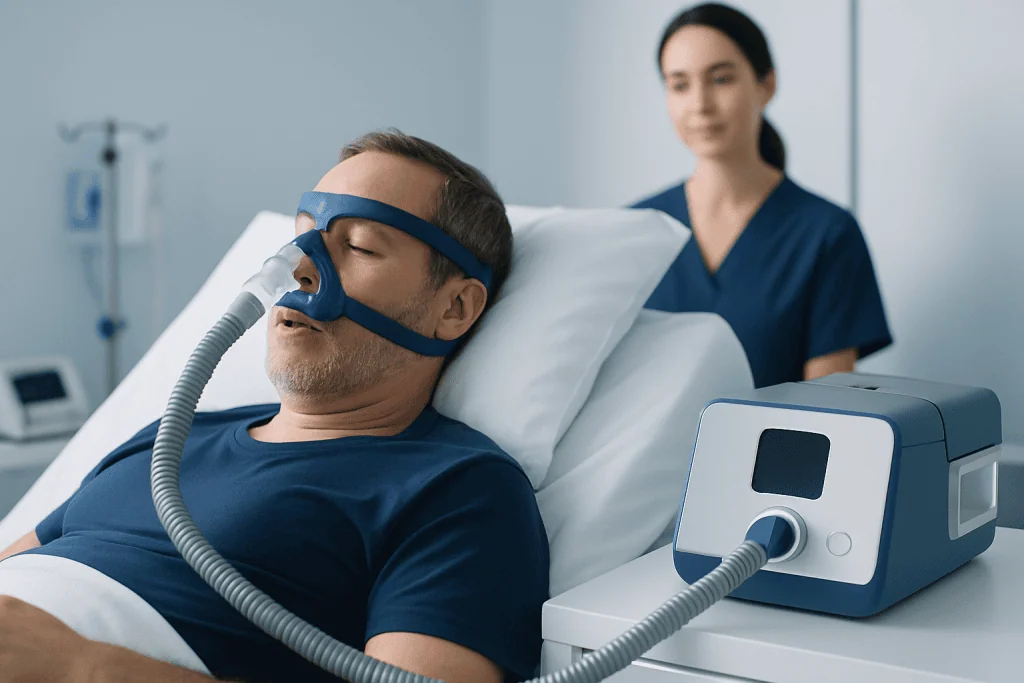
Positional devices are designed for people who snore mainly while sleeping on their back. They encourage side sleeping, which can lessen airway narrowing in some individuals. For people diagnosed with sleep apnea, clinicians may recommend sleep apnea treatment such as positive airway pressure rather than a simple anti-snoring product, because the goal is not only to reduce noise but also to protect breathing and sleep quality.
- Oral appliances: often used for jaw or tongue-related airway narrowing
- Nasal devices: may help if congestion or nasal resistance is a major factor
- Positional devices: useful for back-sleeping snoring
- PAP devices: mainly used for confirmed obstructive sleep apnea
Benefits, limits, and possible side effects
An anti-snoring device can be helpful when it matches the cause of snoring. Benefits may include quieter sleep, less disruption for bed partners, and in some cases better sleep quality. For people with appropriately selected oral appliances, treatment may be practical and easier to travel with than larger equipment.
However, these devices also have limits. A product that reduces simple snoring may not treat sleep apnea. Some people stop using devices because of discomfort, dry mouth, excess saliva, nasal irritation, jaw soreness, or tooth pressure. Over time, poorly fitted oral devices may affect the bite or strain the jaw joint.
Because of these issues, self-diagnosis can be misleading. A device that seems helpful because it quiets the sound may still leave underlying breathing problems untreated. A medical or dental sleep evaluation is often the safest way to choose a device, especially when symptoms suggest clinically significant airway obstruction.
How doctors assess snoring before recommending a device
Assessment usually begins with a detailed history. A doctor may ask how often the snoring occurs, whether breathing pauses are witnessed, what sleep position makes it worse, and whether there is daytime sleepiness, poor concentration, morning headaches, or high blood pressure. They may also ask about nasal blockage, allergies, alcohol use, sedatives, and weight changes.
The physical examination may include the nose, mouth, jaw, tongue, soft palate, and neck. Some people benefit from evaluation by ENT, sleep medicine, or dental sleep specialists depending on the pattern of symptoms. If obstructive sleep apnea is suspected, a sleep study may be advised to guide safe treatment choices.
When anatomy appears to be an important factor, targeted evaluation can be useful. For example, persistent nasal blockage may call for septoplasty in selected cases, while some patients with structural or tissue-related upper airway narrowing may be evaluated for snoring surgery. The goal is not simply to suppress sound, but to improve airflow in a medically appropriate way.
Treatment plan: device, lifestyle changes, or another approach
For many people, the best plan combines a device with non-device measures. Weight management, limiting alcohol before bedtime, reviewing sedating medications with a doctor, treating allergies, and changing sleep position can all help. If nasal congestion is present, addressing it may improve the effectiveness of an oral or positional device.
Custom-fitted oral appliances prescribed by trained clinicians are often more precise and more comfortable than generic over-the-counter versions. They may be adjusted over time to balance symptom relief with comfort. Follow-up is important because a device that works initially may need refinement if snoring returns or if jaw and dental symptoms develop.
Some people need a different strategy altogether. If testing confirms sleep apnea, treatment may involve PAP therapy, weight reduction, oral appliance therapy under supervision, or occasionally surgery depending on the anatomy and severity. At the end of the care pathway, the most successful treatment is usually the one that is both medically suitable and realistic for long-term use.
Prevention, self-care, and when to seek medical care
Snoring cannot always be prevented, but habits that support a more open airway can reduce it. Sleeping on the side, maintaining a healthy weight, avoiding alcohol close to bedtime, treating nasal allergies, and keeping regular sleep hours may all help. Good sleep hygiene also matters because sleep deprivation can worsen airway relaxation and make snoring more noticeable.
Simple snoring often improves with practical changes, but some signs deserve medical review. A person should seek care if snoring is very loud, happens most nights, disturbs sleep significantly, or is accompanied by gasping, choking, witnessed breathing pauses, severe daytime sleepiness, memory or concentration problems, or morning headaches. Children who snore regularly should also be assessed because the causes and consequences can differ from those in adults.
Medical care may also be needed if an anti-snoring device causes jaw pain, dental changes, mouth sores, or no clear improvement after a fair trial. In experienced centers, including Acibadem International, multidisciplinary specialists in JCI-accredited hospitals evaluate snoring and sleep-related breathing disorders for international patients and can advise on appropriate medical, dental, and surgical options.
Frequently asked questions
Does a snoring anti snoring device really work?
It can work when the device matches the cause of the snoring. For example, an oral appliance may help if the tongue or lower jaw is contributing to airway narrowing, while a nasal aid may help if nasal resistance is the main issue. Results vary, so persistent symptoms should be reviewed by a clinician.
What is the best anti-snoring device for most people?
There is no single best device for everyone. Mandibular advancement devices are commonly used and often effective for suitable patients, but some people do better with positional therapy, nasal supports, or treatment for sleep apnea. The best choice depends on symptoms, anatomy, comfort, and whether a sleep disorder is present.
Can an anti-snoring device treat sleep apnea?
Some oral appliances are used in selected cases of obstructive sleep apnea under professional supervision. However, not every anti-snoring product is appropriate for sleep apnea, and some may only reduce the sound without correcting breathing interruptions. A sleep study may be needed before choosing treatment.
Are over-the-counter anti-snoring devices safe?
Many are generally safe for short-term trial in otherwise healthy adults, but they are not ideal for everyone. Poor fit can cause jaw discomfort, tooth pressure, mouth dryness, or poor results. If symptoms suggest sleep apnea or if the device causes pain, medical advice is important.
How long does it take to get used to an oral anti-snoring device?
Many people need several nights to a few weeks to adapt. Mild jaw tightness, extra saliva, or mouth dryness can happen at first and often improve. Ongoing discomfort or bite changes should be discussed with the prescribing clinician.
When should snoring be checked by a doctor?
Snoring should be evaluated if it is frequent, very loud, or associated with gasping, choking, pauses in breathing, or daytime sleepiness. Review is also wise if there are morning headaches, trouble concentrating, or high blood pressure. Children with regular snoring should also be assessed.
This article is for general information only and is not a substitute for professional medical advice. Please consult a qualified doctor about your individual situation.
Explore treatments in Turkey — costs, top hospitals & a free quote
JCI-accredited · board-certified surgeons · reply within 24h
Add us as a Preferred Source to see more of our trusted health content across Google Search, AI Overviews and Discover.

More from the Health Library

Pyromaniac — Explained by Medical Evidence, Not Myths

Wrist Exercises: An Evidence-Based Guide for Patients

Bagels and Cream Cheese: An Evidence-Based Guide for Patients

Stretching Routine After Workout: A Complete Medical Overview

Testosterone Booster — Explained by Medical Evidence, Not Myths