Botox Side Effects: What It Treats, How It Works, and What to Watch For

Botox is a brand of botulinum toxin type A used for both medical and cosmetic purposes. Most Botox side effects are local and short-lived, but rare serious complications can occur.
Key Takeaways
- Botox is a brand of botulinum toxin type A used for both medical and cosmetic purposes.
- Most Botox side effects are local and short-lived, but rare serious complications can occur.
- Side effects depend partly on the area treated and the reason the medicine is used.
- Certain medical conditions, medicines, and pregnancy or breastfeeding status may affect whether Botox is appropriate.
- A qualified clinician should decide whether Botox is suitable and explain label-level risks, interactions, and follow-up.
Botox side effects are most often mild and temporary, such as injection-site pain, headache, or short-lived muscle weakness near the treated area. However, Botox is still a prescription medicine with important warnings, and some symptoms require prompt medical attention.
Overview: what Botox is and why side effects matter
Botox is the brand name for onabotulinumtoxinA, a prescription medicine made from botulinum toxin type A. In controlled medical doses, it is used to temporarily reduce muscle activity or decrease signaling at certain nerve endings. This is why it can help with very different problems, from facial lines to muscle overactivity and some chronic pain conditions.
When people search for botox side effects, they usually want a simple answer: most side effects are mild, localized, and temporary, but Botox also carries important safety warnings. The chance and type of side effects can vary depending on the condition being treated, the area injected, a person’s health history, and whether the medicine is given by an experienced clinician.
Unlike many quick overviews, it helps to think about Botox as a medication first, not only a cosmetic product. Its safety profile is shaped by where it is injected and how its muscle-relaxing effect spreads in the body. Understanding what it treats and how it works makes the possible side effects easier to recognize and discuss with a doctor.
What Botox treats
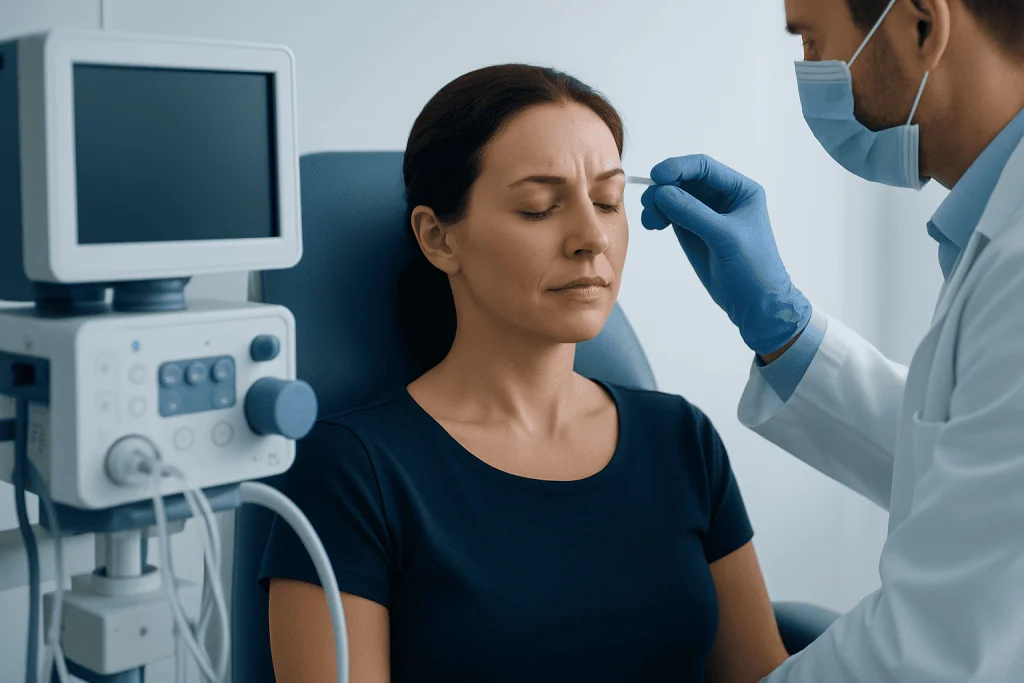
Botox has approved medical and cosmetic uses. In aesthetic care, it is widely used to temporarily soften certain facial lines caused by repeated muscle movement, such as frown lines, forehead lines, and crow’s feet. In medical practice, it may be used for conditions involving muscle overactivity or abnormal nerve signaling.
Label-recognized uses can include chronic migraine, overactive bladder, urinary incontinence related to certain neurologic conditions, upper or lower limb spasticity, cervical dystonia, severe underarm sweating, blepharospasm, and strabismus. In some settings, doctors may also discuss related evaluation or treatment pathways for conditions such as chronic migraine or movement-related disorders affecting the neck and muscles.
Because the same medicine is used in different parts of the body, side effects are not exactly the same for every patient. A person having Botox for facial lines may notice different issues than someone receiving it for bladder symptoms, spasticity, or excessive sweating. This is one reason individualized counseling is important before treatment.
How Botox works in the body

Botox works by blocking the release of acetylcholine, a chemical messenger that helps nerves communicate with muscles and some glands. When this signal is reduced, the treated muscle contracts less strongly or the treated gland becomes less active. The effect is temporary because nerve signaling gradually recovers over time.
This mechanism explains both the benefits and the side effects. If a targeted muscle is causing unwanted movement, spasm, or skin creasing, reducing its activity can be helpful. But if nearby muscles are affected more than intended, a person may notice weakness, drooping, or changes in normal function for a period of time.
For chronic migraine care, for example, Botox is part of a broader neurological treatment plan and may be considered alongside specialist evaluation and other options such as neurology care. For selected movement or nerve-related conditions, doctors may also coordinate with brain and nerve surgery services when diagnosis or long-term management requires multidisciplinary input.
Common Botox side effects
Common botox side effects are usually mild and happen near the injection area. These may include pain, tenderness, swelling, redness, bruising, or a brief burning or stinging sensation. Some people also report headache, neck pain, tiredness, or a temporary feeling of tightness or heaviness in the treated area.
Side effects can differ by treatment site. Cosmetic injections on the face may lead to eyelid drooping, eyebrow asymmetry, dry eye, watery eye, or temporary changes in facial expression. Injections for neck muscle problems may cause neck weakness, soreness, or difficulty holding the head comfortably for a short time. Treatment for underarm sweating can sometimes cause localized discomfort or mild weakness nearby.
When Botox is used for bladder conditions, side effects may include urinary tract infection, painful urination, or difficulty emptying the bladder. For spasticity or neurologic uses, muscle weakness can occur in the treated region. Most common effects improve as the medicine’s action gradually wears off, but patients should tell their clinician about any symptom that feels pronounced, unexpected, or persistent.
- Injection-site pain, redness, or bruising
- Headache or mild flu-like feelings
- Localized muscle weakness
- Eyelid or eyebrow drooping after facial treatment
- Neck pain or stiffness after some therapeutic injections
- Urinary symptoms when used for bladder conditions
Serious risks, contraindications, and interactions
Although uncommon, serious adverse effects are the most important part of Botox safety counseling. The medicine carries a warning about the possible spread of toxin effect beyond the injection site. This can lead to symptoms such as generalized muscle weakness, drooping eyelids, double vision, hoarseness, trouble speaking clearly, difficulty swallowing, or breathing problems. These effects can occur hours to weeks after treatment and need urgent medical assessment.
Botox is generally not appropriate for everyone. It may be contraindicated in people with infection at the proposed injection site and in those with known hypersensitivity to any botulinum toxin preparation or product ingredient. Depending on the indication, certain urinary problems may also affect whether bladder treatment is suitable. People with neuromuscular disorders, swallowing difficulties, or breathing weakness may face higher risks and need careful specialist review.
Medicine interactions also matter. Drugs that affect neuromuscular transmission, including aminoglycoside antibiotics and some muscle relaxants, may increase the effect of botulinum toxin. Using more than one botulinum toxin product within a short period can also raise the risk of excessive weakness. Patients should share a full list of prescription medicines, over-the-counter products, and supplements before treatment.
Pregnancy and breastfeeding should be discussed with a clinician before Botox is used. If a patient has symptoms suggestive of an underlying neurologic condition, specialists may recommend broader workup through services such as neurosurgery evaluation or coordinated care relevant to disorders like dystonia, depending on the clinical picture.
How doctors reduce risk and evaluate side effects
Safe Botox treatment starts with a proper medical assessment. The clinician should review why the medicine is being considered, whether symptoms fit an approved or clinically appropriate indication, and what other conditions or medicines could raise risk. They also assess the exact area to be treated, since anatomy and muscle function differ from one person to another.
Before treatment, patients are usually asked about past reactions to botulinum toxin products, swallowing or breathing problems, bleeding tendency, prior surgery in the treatment area, and current medicines. For therapeutic uses such as chronic migraine, bladder symptoms, or spasticity, the injection plan is part of a larger diagnosis and management process rather than a one-size-fits-all procedure.
If side effects occur, doctors look at timing, location, and severity. Local soreness or bruising shortly after treatment is different from delayed swallowing difficulty or generalized weakness. Follow-up is especially important if symptoms interfere with daily activities, do not improve as expected, or appear outside the treated region.
Self-care after treatment and practical precautions
After Botox, patients are usually advised to follow the treating clinician’s aftercare instructions. Mild tenderness, slight swelling, or bruising can often be managed with simple comfort measures recommended by the medical team. People should avoid assuming that every post-treatment sensation is dangerous, but they should also avoid dismissing symptoms that seem unusual or progressive.
It is sensible to monitor for changes in vision, swallowing, speech, urination, or breathing, depending on the treatment area. If facial Botox has been used, temporary asymmetry may improve over time, but any marked drooping or visual disturbance should be reported. For bladder treatment, difficulty urinating or signs of urinary infection should be discussed promptly.
Patients should not seek dose adjustments or repeat treatment schedules from non-medical sources. Botox dosing, injection pattern, and timing depend on the indication and the individual’s response, and those decisions belong with a qualified clinician. For international patients, Acibadem International’s multidisciplinary specialists in JCI-accredited hospitals diagnose and treat conditions in which Botox may be considered, with care tailored to the person’s overall medical needs.
When to seek medical care
Prompt medical care is important if a person develops trouble breathing, shortness of breath, choking, difficulty swallowing, severe hoarseness, or new widespread weakness after Botox. Emergency assessment is also appropriate for signs of a severe allergic reaction, such as facial swelling, widespread rash, or collapse.
Medical advice should also be sought soon for double vision, significant eyelid drooping that affects vision, inability to empty the bladder, painful urination with fever, or symptoms that spread beyond the treated area. Even when a serious complication is unlikely, a clinician can help determine whether the symptom is an expected temporary effect or something that needs treatment.
If there is any uncertainty, it is safer to contact the treating doctor or another qualified healthcare professional rather than wait. Early review can be especially important for older adults, people with neuromuscular conditions, or anyone with swallowing or breathing vulnerability.
Frequently asked questions
Are Botox side effects usually temporary?
Yes, most Botox side effects are temporary and improve as the medicine’s effect gradually wears off. Common examples include mild bruising, headache, or localized weakness near the injection site. However, some symptoms need prompt medical review, especially if they affect swallowing, breathing, or vision.
What is the most common side effect of Botox?
The most common side effects are usually injection-site reactions such as pain, redness, swelling, or bruising. Headache and temporary weakness in nearby muscles are also relatively common, depending on where Botox is used. The exact pattern varies by treatment area and indication.
Can Botox cause droopy eyelids?
Yes, eyelid drooping can happen, especially when Botox is used around the forehead or eye area. It is usually temporary, but it should be reported to the treating clinician because the severity and impact on vision matter. Careful technique and appropriate patient selection help reduce this risk.
Who should be cautious about getting Botox?
People with neuromuscular disorders, swallowing problems, breathing weakness, or a history of reaction to botulinum toxin products should be especially cautious. Those who are pregnant, breastfeeding, have an infection at the planned injection site, or take certain medicines should also discuss safety in detail with a doctor. A full medical review helps determine whether Botox is appropriate.
Can Botox interact with other medicines?
Yes, Botox can interact with medicines that affect nerve-to-muscle signaling, including some antibiotics such as aminoglycosides and some muscle relaxants. These interactions may increase weakness or enhance the toxin’s effect. Patients should provide a complete medication and supplement list before treatment.
When should someone worry after Botox?
A person should seek urgent care if they develop trouble swallowing, breathing difficulty, severe hoarseness, generalized weakness, or symptoms spreading beyond the treated area. They should also contact a clinician for significant vision changes, urinary retention, or symptoms that feel severe or persistent. It is better to ask early than to ignore a potentially important warning sign.
References
- U.S. Food and Drug Administration
- National Institutes of Health
- Mayo Clinic
- American Academy of Neurology
- MedlinePlus
This article is for general information only and is not a substitute for professional medical advice. Please consult a qualified doctor about your individual situation.
Explore treatments in Turkey — costs, top hospitals & a free quote
JCI-accredited · board-certified surgeons · reply within 24h

More from the Health Library



Related Specialists

Assoc. Prof. Dr. Mehmet Salih Söylemez
Orthopedic Surgery & Traumatology
Dr. Perviz Paşaoğlu
Otorhinolaryngology
Dr. Arzu Özgeneci Öngün
Pediatrics
Prof. Dr. Salih Serdar Erturan
Pulmonology