Head Massage: A Complete Medical Overview
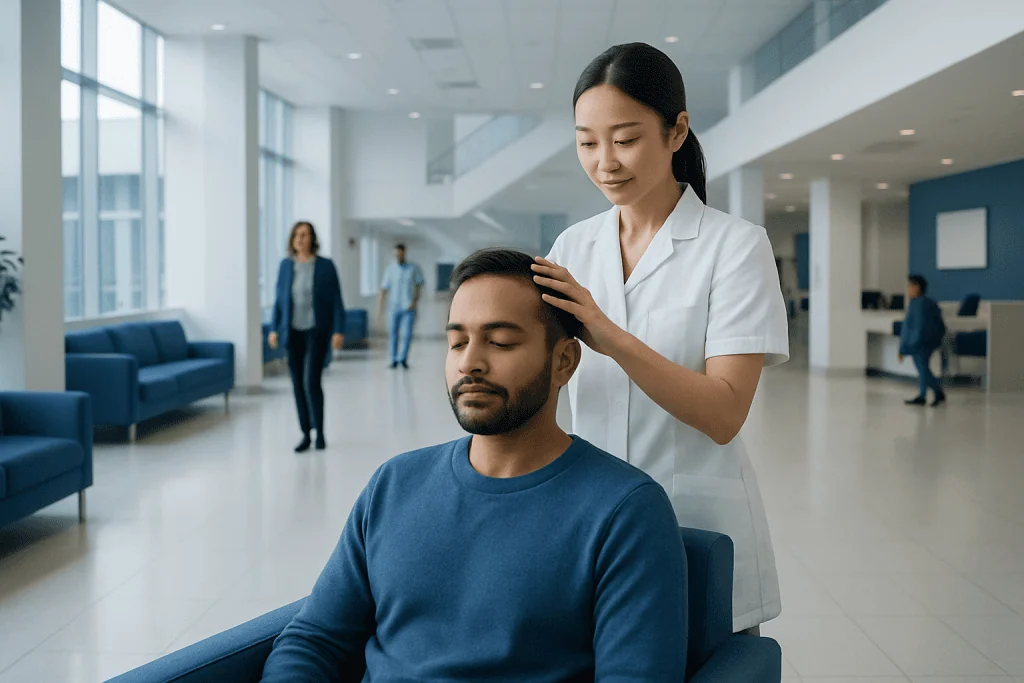
Head massage may support relaxation and short-term relief of scalp and neck tension. It should be gentle, especially for people with migraines, scalp conditions, recent injury, or skin sensitivity.
Key Takeaways
- Head massage may support relaxation and short-term relief of scalp and neck tension.
- It should be gentle, especially for people with migraines, scalp conditions, recent injury, or skin sensitivity.
- Head massage does not replace medical care for severe headache, dizziness, weakness, fever, or scalp infection.
- Good technique focuses on light to moderate pressure, clean hands, and stopping if pain worsens.
- People with ongoing symptoms may need evaluation for headache disorders, skin problems, or nerve-related conditions.
Head massage is a generally safe self-care practice that may ease stress, scalp tension, and mild muscle discomfort when done gently. It is not a medical treatment for serious headache, neurological symptoms, infection, or scalp disease, so persistent or unusual symptoms should be assessed by a doctor.
Overview: What head massage can and cannot do
Head massage is the manual rubbing or kneading of the scalp, temples, forehead, and sometimes the neck and shoulders. Many people use it for relaxation, comfort, and a sense of reduced tension after a stressful day. In clinical terms, it is best understood as a supportive wellness practice rather than a cure for disease.
A gentle head massage may help some people feel calmer, improve awareness of tight muscles, and temporarily reduce discomfort linked to stress or prolonged posture. Some also include scalp massage in hair-care routines, although any effects on hair health are still being studied and should not be overstated.
At the same time, head massage has limits. It does not treat serious causes of headache, neurological symptoms, skin infection, or structural problems in the neck or head. If symptoms are strong, unusual, recurrent, or progressively worsening, medical evaluation is more appropriate than repeated massage alone.
Possible benefits of head massage
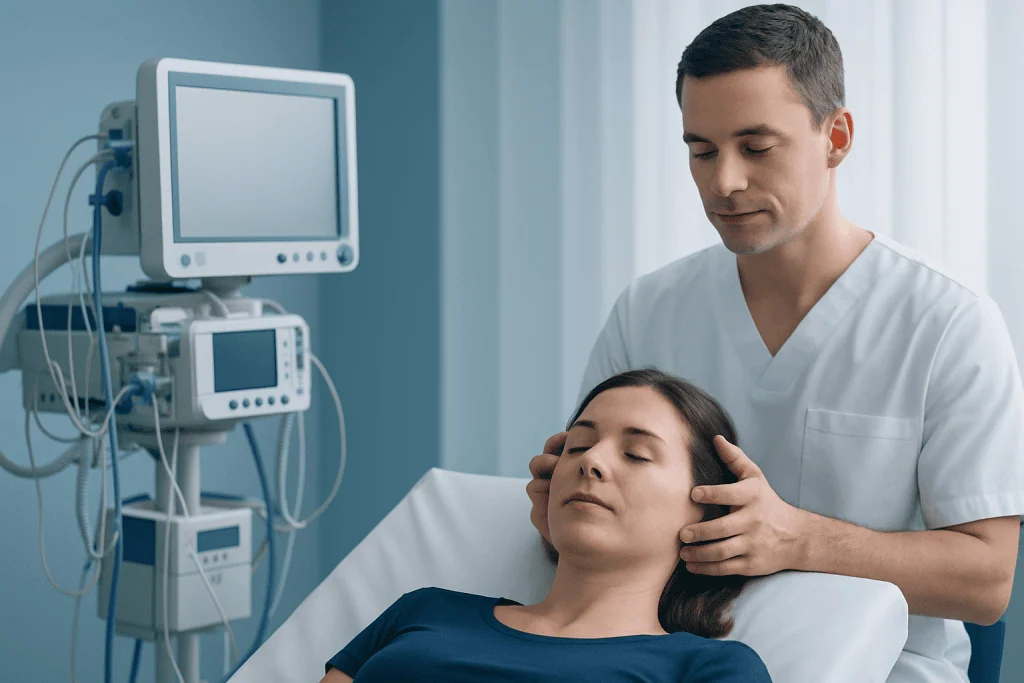
The main benefit of head massage is usually relaxation. Gentle touch may lower the feeling of stress, support a sense of well-being, and make it easier for some people to rest. For people whose discomfort is linked to tension in the scalp, temples, jaw, or upper neck, this can provide short-term relief.
Some people also notice less awareness of muscle tightness after spending long periods at a desk, looking at screens, or clenching the jaw. In these situations, head massage may be most helpful when combined with posture changes, hydration, regular breaks, and sleep habits that support recovery.
Possible supportive benefits may include:
- Temporary relief of scalp or forehead tightness
- A feeling of reduced stress or anxiety
- Greater comfort before sleep or during rest routines
- Improved awareness of tender areas in the scalp, neck, or jaw
Benefits vary from person to person. If massage repeatedly triggers pain, worsens a headache, or causes nausea, dizziness, or scalp irritation, it is not the right approach for that episode and should be stopped.
How head massage works
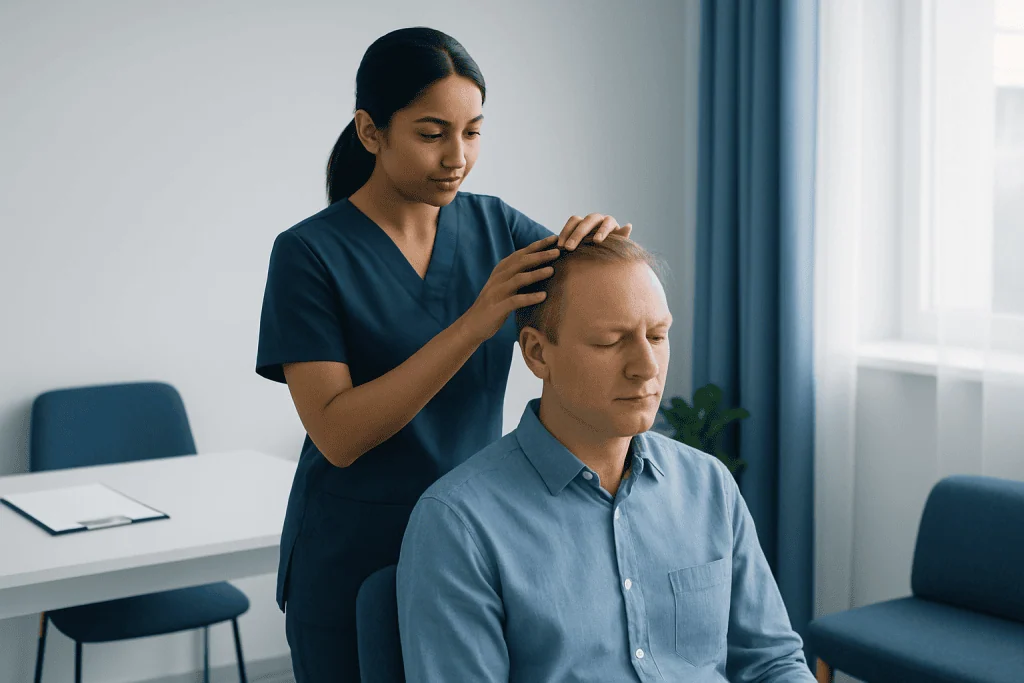
Head massage likely works through several pathways rather than one single mechanism. The gentle stimulation of skin and soft tissues may help shift attention away from discomfort, reduce the perception of stress, and encourage muscles to relax. In some people, this lowers the cycle in which stress contributes to tension and tension contributes to more discomfort.
It may also increase local blood flow in superficial tissues for a short time, although this does not mean it can correct deeper medical problems. When the neck, shoulders, and jaw are also tight, treating these surrounding muscles often matters as much as touching the scalp itself.
This is why head massage can feel helpful for some tension-related symptoms but less useful for migraines, nerve pain, infection, inflammatory skin conditions, or headaches caused by another medical disorder. Understanding the likely source of pain helps set realistic expectations.
When head massage may not be appropriate
Head massage is not suitable for every situation. It should be avoided over areas with open wounds, active skin infection, severe sunburn, unexplained swelling, recent stitches, or a painful rash. It is also best postponed after head or neck injury until a clinician confirms it is safe.
People with certain headache disorders may find pressure on the scalp unpleasant or triggering rather than soothing. For example, some migraine attacks involve marked sensitivity to touch. If symptoms suggest a true headache disorder, it can help to learn more about migraine or seek medical guidance instead of assuming all head pain is due to stress.
Extra caution is also sensible for people with:
- Scalp psoriasis, eczema, or dermatitis
- Recent hair transplantation or cosmetic scalp procedures
- Bleeding disorders or use of blood-thinning medicines
- Severe cervical spine pain or limited neck movement
- Tender lumps, unexplained hair loss, or scalp pain
If there is uncertainty about whether massage is appropriate, a doctor or qualified therapist can advise on safer alternatives.
Safe techniques for self-massage
A safe head massage should feel gentle and controlled, never forceful. Clean hands are important, especially if the scalp is sensitive. Most people do best with the pads of the fingers rather than fingernails, using small circular motions across the scalp, temples, and the base of the skull.
Pressure should stay light to moderate. It is reasonable to work for a few minutes at a time and stop if there is sharp pain, throbbing, increasing tenderness, lightheadedness, or nausea. Oils or hair products are optional, but they should be avoided if they irritate the skin or clog the scalp.
A simple routine may include:
- Starting at the temples with slow circles
- Moving across the scalp in small sections
- Adding gentle pressure at the back of the head and upper neck
- Relaxing the jaw and shoulders while breathing slowly
- Stopping immediately if symptoms intensify
People with frequent tension in the upper body may benefit more when self-massage is combined with stretching, ergonomic changes, or professional assessment. In some cases, a clinician may recommend physical therapy and rehabilitation if neck and shoulder mechanics are contributing to symptoms.
Head massage, headaches, and scalp conditions
Not all headaches respond the same way to massage. Tension-type headache may improve somewhat if muscle tightness in the scalp, jaw, shoulders, or neck plays a role. By contrast, migraine, cluster headache, and some secondary headaches may not improve and may even feel worse during an attack.
Recurring headaches deserve proper evaluation when they interfere with daily life, become more frequent, or change in pattern. A doctor may ask about triggers, sleep, stress, medication use, vision, blood pressure, and neurological symptoms. If needed, a patient may be assessed through a dedicated neurology service to identify the cause and discuss targeted treatment.
The scalp itself can also be the source of symptoms. Itching, flaking, painful bumps, redness, scaling, hair shedding, or burning sensations may point to a dermatologic condition rather than simple tension. In those cases, head massage should be very gentle or avoided until the skin is assessed, because rubbing inflamed skin can worsen irritation.
Diagnosis may sometimes involve scalp examination, a review of hair products and medications, and assessment for related conditions such as headache disorders or skin disease. This helps ensure that persistent symptoms are treated appropriately rather than masked temporarily.
When to seek medical care
Medical care is important if head discomfort is severe, new, or different from usual. Sudden intense headache, weakness, trouble speaking, confusion, fainting, seizure, fever, neck stiffness, or vision changes should be treated as urgent symptoms. Massage should not delay evaluation in these situations.
It is also wise to arrange a routine medical review if there are recurring headaches, tenderness that lasts beyond a few days, scalp swelling, persistent dizziness, unexplained hair loss, jaw pain, or pain after a fall or minor injury. These symptoms may have causes that need examination rather than self-care alone.
For ongoing symptoms, doctors may recommend physical examination, neurological assessment, skin evaluation, blood pressure measurement, or imaging when clinically necessary. Near the end of a patient’s care pathway, support from multidisciplinary specialists can be helpful; Acibadem International’s JCI-accredited hospitals diagnose and treat related neurological, musculoskeletal, and scalp conditions for international patients when specialist input is needed.
Frequently asked questions
Is head massage good for headaches?
It can help some people with mild tension-related discomfort, especially when stress or muscle tightness is involved. It is less reliable for migraines or other headache disorders, and it should not be used as the only response to severe, unusual, or recurrent headaches.
Can head massage improve hair growth?
Some people use scalp massage as part of a hair-care routine, and limited research has explored whether it may support scalp health. However, it should not be presented as a proven treatment for significant hair loss, sudden shedding, or patchy baldness, which should be medically assessed.
How often can a person do head massage?
Gentle head massage can usually be done according to comfort, such as a few minutes several times a week or as part of a relaxation routine. The key is to avoid forceful pressure and stop if it causes pain, irritation, or worsening symptoms.
Who should avoid head massage?
People with scalp infections, open wounds, painful rashes, recent injury, recent surgery, or severe tenderness should avoid it until a doctor says it is safe. Extra caution is also needed for those with migraines triggered by touch, bleeding disorders, or significant neck problems.
What is the safest way to do a head massage at home?
The safest method uses clean hands and the finger pads, with slow circular movements and light to moderate pressure. It helps to avoid the fingernails, not press on painful lumps or inflamed skin, and stop right away if symptoms increase.
When is head pain a reason to seek urgent care?
Urgent care is needed for sudden severe headache, weakness, numbness, trouble speaking, confusion, seizure, fainting, fever with neck stiffness, or vision loss. These symptoms can signal a more serious problem and should not be managed with massage alone.
This article is for general information only and is not a substitute for professional medical advice. Please consult a qualified doctor about your individual situation.
Hair transplant in Turkey — costs, graft counts & a free assessment
JCI-accredited · board-certified surgeons · reply within 24h
Add us as a Preferred Source to see more of our trusted health content across Google Search, AI Overviews and Discover.

More from the Health Library

Peptides for Muscle Growth — Explained by Medical Evidence, Not Myths

Tylenol 500mg How Many Can I Take: A Complete Medical Overview

Masterbate: What Patients Need to Know

Saw Palmetto Benefits: An Evidence-Based Guide for Patients

Lean Meats: What Patients Need to Know