Heat Packs and Pregnancy Explained: Causes, Management, and When to See a Doctor
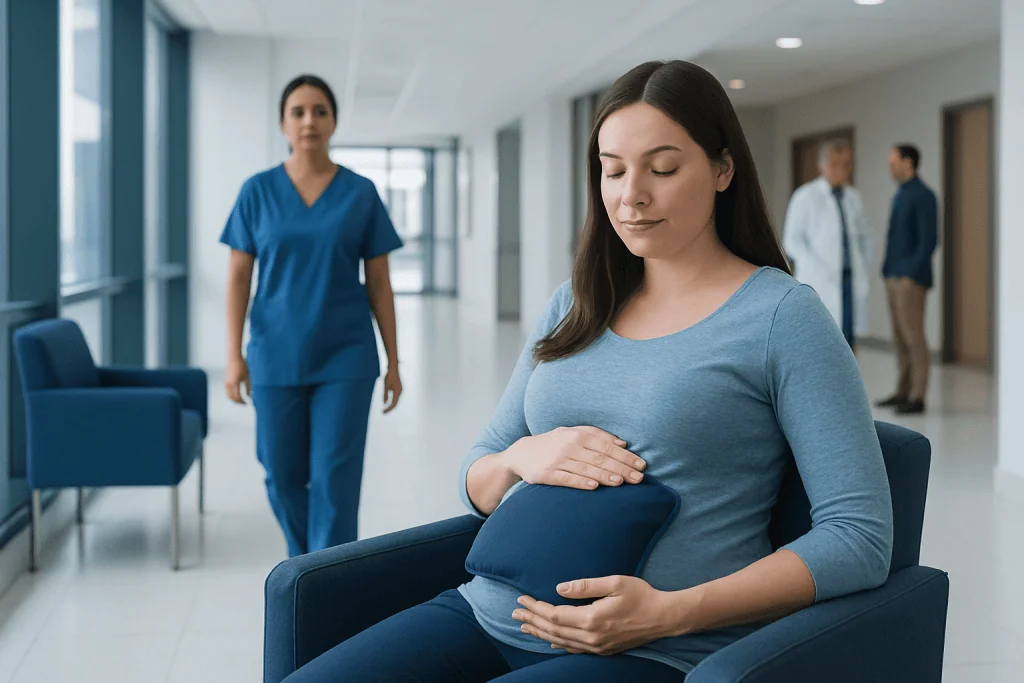
A warm, not hot, heat pack may help relieve common pregnancy aches such as back, hip, and leg discomfort. The main safety issue is overheating the body, especially in early pregnancy and with prolonged heat exposure.
Key Takeaways
- A warm, not hot, heat pack may help relieve common pregnancy aches such as back, hip, and leg discomfort.
- The main safety issue is overheating the body, especially in early pregnancy and with prolonged heat exposure.
- Heat packs should be used on small areas for short periods and not while sleeping.
- Persistent pain, fever, contractions, vaginal bleeding, or reduced fetal movement need medical review rather than home treatment alone.
- Safer symptom relief often combines posture changes, gentle movement, hydration, and guidance from a qualified clinician.
Heat packs and pregnancy can go together safely in many cases when heat is mild, used for a short time, and kept away from the abdomen for prolonged periods. The main concern is raising core body temperature, so comfort measures should focus on local relief rather than whole-body overheating.
Overview: Are Heat Packs Safe During Pregnancy?
Heat packs and pregnancy are often discussed together because many pregnant women experience back pain, pelvic discomfort, muscle tension, or cramping in the legs. In general, a warm heat pack used briefly on a small area can be a reasonable comfort measure during pregnancy. The key is to avoid overheating the whole body and to use heat in a controlled, gentle way.
Most concerns about heat in pregnancy relate to a rise in core body temperature rather than simple skin warmth. For that reason, localized heat is different from activities such as hot tubs, saunas, or very hot baths, which can raise internal body temperature more significantly. A heat pack placed on the lower back, neck, or another sore muscle for a short time is less likely to cause this problem when used carefully.
Even so, not every pain in pregnancy should be managed at home. New, severe, or persistent pain may need medical assessment to look for causes such as dehydration, infection, uterine contractions, or non-pregnancy-related problems. If symptoms are unusual or worsening, a pregnant woman should speak with her doctor or midwife rather than relying only on heat.
Why Pain and Aches Are Common in Pregnancy
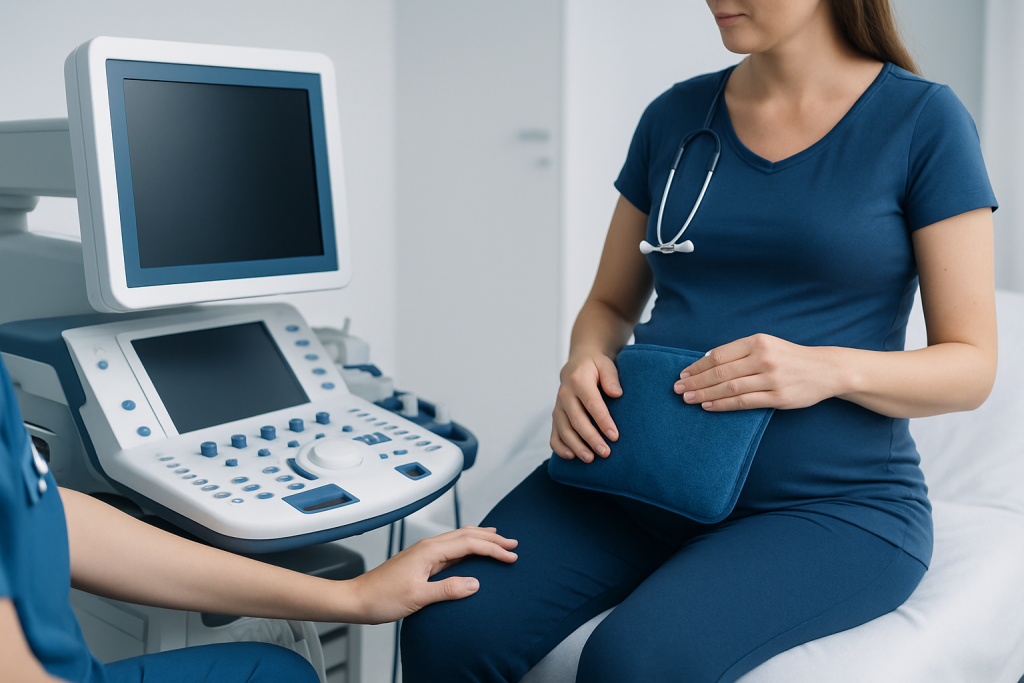
Pregnancy changes the body in ways that commonly lead to muscle and joint discomfort. As the uterus grows, posture shifts and the center of gravity moves forward. This can strain the lower back, hips, pelvis, and legs, especially later in pregnancy.
Hormonal changes also play a role. Pregnancy hormones help loosen ligaments in preparation for birth, but this can make joints feel less stable and may contribute to pelvic or lower back pain. Fatigue, reduced sleep quality, and daily activities such as standing for long periods can make the discomfort more noticeable.
Common reasons someone may consider a heat pack during pregnancy include:
- Lower back tension or aching
- Hip or buttock discomfort
- Neck and shoulder tightness
- Muscle cramps or spasms
- Mild round ligament discomfort after activity
Sometimes pain may be related to a specific condition rather than normal physical changes. For example, pelvic pressure or pain may occasionally need assessment for gynecologic or obstetric causes, and abdominal pain should not automatically be treated as routine discomfort. Conditions involving the reproductive organs, such as endometriosis, may also influence how pain is experienced before or during pregnancy in some patients.
How to Use Heat Packs More Safely During Pregnancy
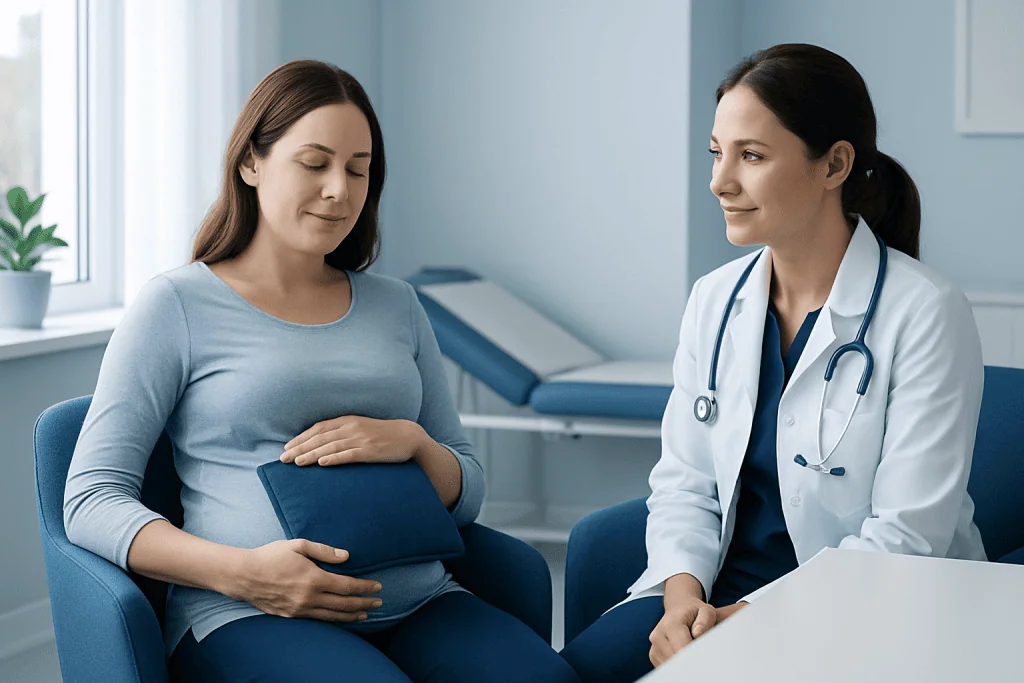
If a doctor has not advised otherwise, a heat pack can usually be used with a few practical precautions. The safest approach is to aim for comfort, not intense heat. The skin should feel gently warm, and the heat source should be wrapped in cloth if needed to prevent burns or excessive direct contact.
Short sessions are usually preferred. Many clinicians recommend using a heat pack for brief periods on a localized area rather than keeping it on for a long time. It should not be used while sleeping, because the user may not notice if it becomes too hot or stays in one place for too long.
General safety habits include:
- Use warm or low settings rather than high heat
- Apply to a small sore area, such as the lower back or shoulders
- Avoid prolonged use over the abdomen
- Place a layer of clothing or fabric between the pack and skin if needed
- Stop if there is skin redness, dizziness, nausea, or increasing discomfort
- Drink fluids, especially if the weather is hot or the person has been active
Electric heating pads, microwavable packs, and hot water bottles can all become too hot if not used carefully. The goal is local symptom relief without making the body feel overheated, flushed, faint, or sweaty.
When Heat Should Be Limited or Avoided
There are situations where heat is not the best choice in pregnancy. Intense heat exposure that raises core temperature should be avoided, especially in early pregnancy. This is why hot tubs, saunas, steam rooms, and very hot baths are generally discouraged during pregnancy.
Heat may also be less appropriate when pain could be linked to inflammation, infection, or an urgent medical problem. For example, abdominal pain with fever, urinary symptoms, bleeding, or contractions should not be treated as simple muscle soreness. In these settings, a pregnant woman should seek medical advice promptly.
Local heat should also be used cautiously if there is reduced skin sensation, a skin rash, or any condition that makes burns more likely. If pain is severe, one-sided, or associated with a new lump or swelling, it is better to have a medical evaluation first. Breast pain in pregnancy, for instance, may sometimes be simple tenderness but may also need assessment in dedicated breast health services when symptoms are persistent or unusual.
Other Ways to Manage Pregnancy Discomfort
Heat is only one option for symptom relief. Many women feel better when they combine gentle local heat with posture changes, stretching, and regular rest. Supportive footwear, a pregnancy pillow, and avoiding long periods in one position can reduce strain on the back and pelvis.
Gentle exercise is often helpful when approved by a clinician. Walking, prenatal stretching, and pregnancy-safe physiotherapy may improve muscle tension and support joint stability. For more persistent back or pelvic pain, supervised rehabilitation or physical therapy and rehabilitation can help address movement patterns and muscle support.
Some discomfort may overlap with broader women’s health concerns. If pain is recurrent, cyclical, or difficult to explain, assessment through gynecology may be appropriate. In selected cases, imaging may be needed to understand the cause, and radiology services can support diagnosis when a doctor believes it is necessary and safe in pregnancy.
Any medication use during pregnancy should be discussed with a qualified clinician. Even common pain relievers are not suitable in every trimester or for every patient, so treatment plans should be individualized rather than based on routine self-medication.
How Doctors Assess Pain During Pregnancy
When pain does not improve, comes on suddenly, or is accompanied by other symptoms, medical assessment helps distinguish normal pregnancy aches from conditions that need treatment. A clinician will usually ask where the pain is located, how long it has been present, what makes it better or worse, and whether there are warning signs such as bleeding, fever, contractions, or reduced fetal movement.
Physical examination may focus on posture, muscles, joints, the abdomen, and signs of dehydration or infection. Depending on the stage of pregnancy and the symptoms, the doctor may recommend urine tests, blood tests, fetal assessment, or imaging. The purpose is not only to confirm a cause but also to rule out important pregnancy-related complications.
Common conditions that may need to be considered include urinary tract problems, gastrointestinal issues, pregnancy-related pelvic pain, or causes such as ovarian cyst when pain is one-sided or unusual. This is why persistent or severe pain should not be managed with a heat pack alone.
When to Seek Medical Care
Medical advice is recommended if pain is strong, recurrent, or not clearly muscular. A pregnant woman should also contact a doctor if she is unsure whether heat is appropriate for a particular symptom or if home measures are not helping.
Urgent assessment is especially important if pain occurs with any of the following:
- Vaginal bleeding or fluid leakage
- Fever or chills
- Regular contractions or tightening
- Severe abdominal pain
- Painful urination or blood in the urine
- Shortness of breath, fainting, or dizziness
- Reduced fetal movement later in pregnancy
- Sudden swelling, redness, or warmth in one leg
These symptoms do not always mean something serious, but they should not be ignored. Prompt review can clarify the cause and help protect both maternal and fetal health. Near the end of the care pathway, Acibadem International’s multidisciplinary specialists in JCI-accredited hospitals diagnose and treat pregnancy-related and women’s health concerns for international patients.
Frequently asked questions
Can a heating pad be used during pregnancy?
A heating pad can often be used during pregnancy if it is set to a low or warm setting and placed on a small area for a short time. The main goal is to avoid raising core body temperature, so it should not feel intensely hot or be used for prolonged periods.
Is it safe to put a heat pack on the stomach while pregnant?
Prolonged or intense heat over the abdomen is generally best avoided during pregnancy. If there is abdominal pain, it is important to understand the cause rather than assuming it is simple muscle discomfort.
Why is overheating a concern in pregnancy?
The concern is not mild local warmth itself, but a significant increase in the body's core temperature. Activities such as hot tubs, saunas, and very hot baths are more likely to cause this than a briefly used local heat pack.
What kind of pregnancy pain may improve with heat?
Heat may help with common muscular discomforts such as lower back pain, neck tension, shoulder tightness, or mild hip soreness. It is more suitable for muscle strain than for unexplained abdominal pain, fever-related discomfort, or symptoms that may signal labor or infection.
How long should a heat pack be used in pregnancy?
Short, limited sessions are generally preferred rather than continuous use. The exact timing may vary by product and individual needs, but it should be stopped if the skin becomes red, the body feels overheated, or symptoms worsen.
When should a pregnant woman avoid home treatment and call a doctor?
A doctor should be contacted if pain is severe, persistent, one-sided, or associated with bleeding, fever, contractions, urinary symptoms, or reduced fetal movement. Home comfort measures are helpful for mild aches, but they should not delay evaluation of warning signs.
References
- American College of Obstetricians and Gynecologists
- National Health Service
- March of Dimes
- World Health Organization
- Centers for Disease Control and Prevention
This article is for general information only and is not a substitute for professional medical advice. Please consult a qualified doctor about your individual situation.
Joint and spine care in Turkey — expert assessment & treatment
JCI-accredited · board-certified surgeons · reply within 24h
Add us as a Preferred Source to see more of our trusted health content across Google Search, AI Overviews and Discover.