Why Am I Craving Pickles? Here Is What the Evidence Says

Most pickle cravings are not a sign of serious illness. Craving pickles may relate to salt preference, sour taste, dehydration, or pregnancy.
Key Takeaways
- Most pickle cravings are not a sign of serious illness.
- Craving pickles may relate to salt preference, sour taste, dehydration, or pregnancy.
- Persistent salt cravings can sometimes occur with fluid loss, medication effects, or certain hormone-related conditions.
- Doctors look at symptoms, diet, medicines, blood pressure, and basic blood tests to find the cause.
- Medical review is important if cravings come with dizziness, weakness, vomiting, weight loss, or very low blood pressure.
Pickle cravings are common and are often harmless, especially if a person enjoys salty or sour foods, is dehydrated, or is pregnant. Still, strong or persistent cravings can sometimes point to salt loss, medication effects, or an underlying health issue that deserves medical advice.
Overview: what pickle cravings usually mean
When someone wonders, “why am I craving pickles,” the answer is usually simple: the body may be responding to taste, habit, hydration needs, or life stage rather than signaling a dangerous problem. Pickles are intensely salty, sour, crunchy, and flavorful, so they can strongly appeal when a person wants a quick sensory reward or has been eating less salt than usual.
In many cases, cravings for pickles are harmless. They are especially common during pregnancy, after heavy sweating, during hot weather, or when a person simply enjoys acidic and salty foods. Cravings alone do not diagnose a vitamin deficiency or disease, and there is no single medical test that explains every food craving.
That said, context matters. If pickle cravings are new, very strong, or come with symptoms such as dizziness, weakness, vomiting, unexplained weight loss, or low blood pressure, a clinician may look for dehydration, electrolyte imbalance, or less common hormone-related causes of salt craving. The key is to consider the whole picture rather than the craving by itself.
Why pickles in particular can sound appealing
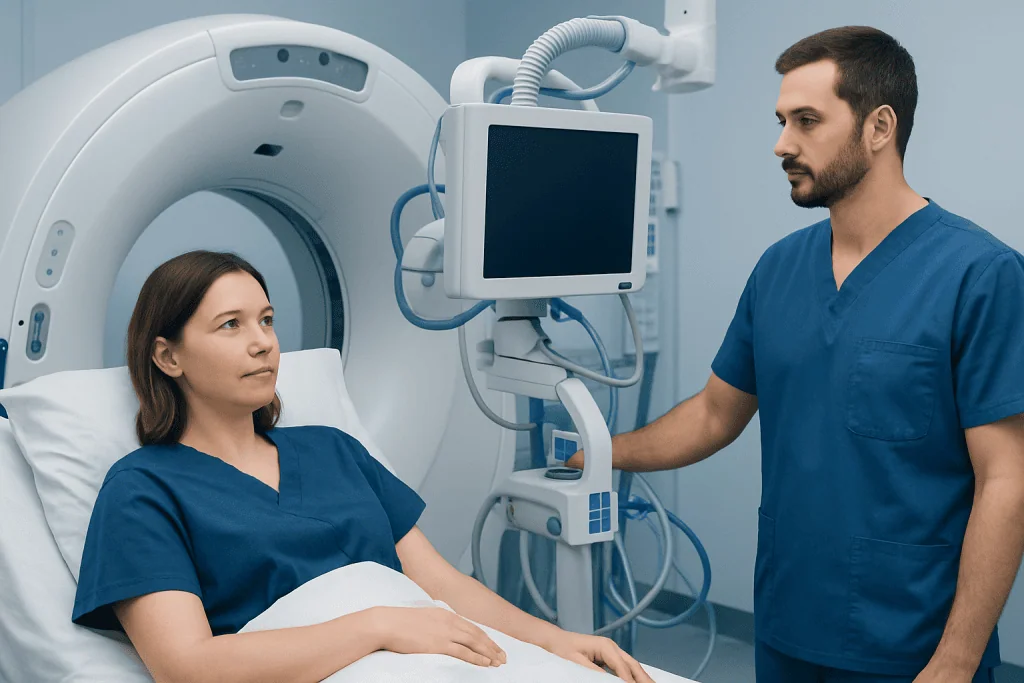
Pickles combine several qualities that commonly drive cravings. They are high in sodium, sharply sour from vinegar or fermentation, and often very crisp. The brain tends to notice foods with strong taste and texture, especially when a person is tired, stressed, hungry, or looking for something satisfying without a full meal.
Salt can be especially attractive after fluid loss. Sweating, diarrhea, vomiting, intense exercise, or hot climates can reduce body water and sodium. In those situations, salty foods may seem more appealing than usual. This does not always mean the body is accurately “asking” for exactly what it needs, but saltier foods may temporarily feel rewarding.
Sour cravings may also play a role. Some people are naturally drawn to tart foods such as pickles, citrus, or vinegar-based snacks. During pregnancy, changes in smell, taste, and nausea can make bland foods less tolerable and strong flavors more appealing. For others, pickle cravings reflect routine exposure, cultural food habits, or emotional associations rather than a medical issue.
- Salty taste
- Sour or acidic flavor
- Crunchy texture
- Quick snack when appetite is low
- Hydration or sweat-related salt loss
- Pregnancy-related taste changes
Common reasons someone may crave pickles
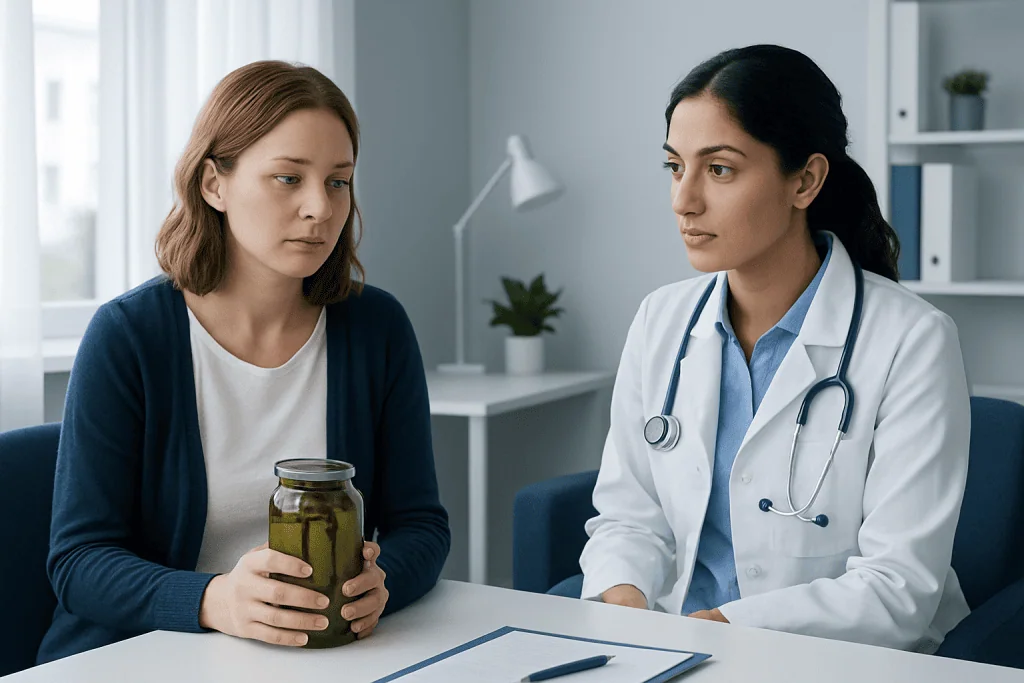
One common explanation is dehydration or temporary sodium loss. If a person has exercised hard, spent time in heat, or had vomiting or diarrhea, the body may be low on fluids and electrolytes. Pickles and pickle juice contain sodium, so they may seem appealing. However, cravings are not a reliable replacement for medical assessment if dehydration is moderate or severe.
Pregnancy is another well-known reason for craving pickles. Hormonal changes can alter smell and taste sensitivity, while nausea may make strongly flavored foods easier to tolerate than other options. Cravings in pregnancy are usually normal, though they do not necessarily indicate a specific nutrient deficiency. Anyone with severe vomiting in pregnancy should speak with a doctor because ongoing fluid loss can become significant.
Dieting, low food intake, or restrictive eating patterns can also increase interest in highly flavored foods. A person who has been limiting salt, carbohydrates, or overall calories may become preoccupied with foods that feel satisfying and intense. In some cases, stress, poor sleep, or emotional eating patterns contribute as well.
Less commonly, persistent salt craving may occur in conditions that affect hormone balance, blood pressure, or salt handling by the body. Doctors may consider adrenal causes in the right clinical setting, particularly if cravings happen alongside fatigue, abdominal symptoms, faintness, or unusual skin changes. Depending on symptoms, a clinician may also assess for Addison's disease or other disorders that can affect sodium balance.
Could pickle cravings mean a deficiency or health problem?
Many people assume food cravings directly point to a nutrient deficiency, but evidence is mixed. Cravings can reflect physiology, but they are also shaped by mood, memory, food availability, and personal preference. Craving pickles does not automatically mean the body lacks a specific vitamin or mineral.
Still, some health issues can make salty foods more appealing. Dehydration and low sodium are the most practical examples, especially if there has been fluid loss. Certain medicines, including some diuretics, can affect fluid and electrolyte balance. People with low blood pressure may also notice stronger salt preference because salt can influence blood volume.
Doctors may think more carefully about an underlying problem when cravings are persistent and unexplained or when they appear with other symptoms. Red flags include ongoing fatigue, repeated vomiting, fainting, muscle cramps, confusion, frequent diarrhea, or unexplained weight loss. In that situation, the craving matters less than the pattern of symptoms around it.
Pickles can also irritate some people. Because they are salty and acidic, they may worsen symptoms in those with reflux, stomach sensitivity, or bloating. If pickle cravings come with burning in the chest or sour regurgitation, a doctor may also consider gastroesophageal reflux disease as part of the discussion.
How doctors evaluate persistent pickle or salt cravings
If cravings are ongoing or concerning, a doctor usually starts with a simple history and physical exam. They will ask when the cravings began, how often they happen, whether there has been vomiting, diarrhea, heavy sweating, pregnancy, recent dieting, or major changes in appetite. Medication review is important because some drugs affect hydration, blood pressure, or electrolytes.
Symptoms guide the next steps. Dizziness when standing, weakness, headaches, reduced urination, palpitations, or fainting may suggest dehydration or blood pressure changes. Doctors may ask about menstrual history, pregnancy possibility, digestive symptoms, or endocrine symptoms. Blood pressure, pulse, weight changes, and signs of dehydration can all help narrow the cause.
Basic testing may include blood work to check electrolytes, kidney function, and sometimes blood sugar. In selected cases, hormone testing may be needed if there are signs of adrenal or other endocrine problems. If a person has significant digestive symptoms, tests may also focus on fluid loss and underlying gastrointestinal causes, sometimes involving gastroenterology evaluation.
The goal is not to treat a craving in isolation. Instead, clinicians look for whether the craving is simply a normal preference or a clue that fits with other findings. This approach is usually straightforward and reassuring for most people.
What to do about pickle cravings
If pickle cravings are occasional and there are no worrying symptoms, simple self-care is often enough. Drinking enough water, eating regular meals, and including balanced sources of protein, fiber, and minerals may reduce cravings over time. If there has been sweating or exercise, replacing fluids appropriately can help.
It is reasonable to eat pickles in moderation if a person enjoys them and has no medical reason to limit sodium. However, large amounts may add significant salt and may not be ideal for people with high blood pressure, kidney disease, or fluid retention. Because pickles are acidic, they may also aggravate reflux or stomach discomfort in some individuals.
If cravings seem related to pregnancy, discussing them during routine prenatal care is sensible, especially if there is nausea, vomiting, or difficulty keeping fluids down. If cravings feel compulsive, cause distress, or are part of broader eating concerns, support from a doctor or dietitian may help.
When an underlying medical cause is found, treatment focuses on that cause rather than the pickles themselves. This may involve rehydration, reviewing medications, treating digestive illness, or assessing hormone problems through endocrinology care when appropriate.
When to seek medical care
Most people do not need urgent care just because they want pickles. Medical advice is more important if the craving is intense, new, or persistent and especially if it comes with other symptoms. The combination of salt craving plus dizziness, fainting, weakness, repeated vomiting, diarrhea, confusion, or unexplained weight loss deserves prompt review.
A doctor should also be consulted if there are signs of dehydration, very low blood pressure, pregnancy with severe nausea, kidney disease, or a condition requiring sodium restriction. People taking diuretics or other medicines that affect fluid balance may need individualized guidance. If the concern is mainly digestive discomfort after eating pickles, a clinician may evaluate symptoms and, when needed, arrange check-up and diagnosis.
For international patients who need assessment, Acibadem International’s multidisciplinary specialists at JCI-accredited hospitals diagnose and treat symptoms related to hydration, hormone balance, and digestive health. In most cases, though, pickle cravings turn out to have a manageable and non-serious explanation.
Frequently asked questions
Why am I craving pickles all of a sudden?
A sudden pickle craving is often related to taste preference, thirst, sweating, recent illness, or pregnancy-related taste changes. It can also happen when a person has been eating less or wants a strongly flavored snack. If the craving is intense and comes with dizziness, weakness, or vomiting, medical advice is sensible.
Does craving pickles mean I am dehydrated?
Sometimes, but not always. Because pickles are salty, they may sound appealing after sweating, vomiting, diarrhea, or time in hot weather. Dehydration is more likely if the craving comes with thirst, dark urine, dry mouth, dizziness, or reduced urination.
Are pickle cravings a sign of pregnancy?
They can be, but they are not a reliable pregnancy test. Pregnancy often changes smell and taste, which can make salty or sour foods more appealing. If pregnancy is possible, testing and routine prenatal advice are better guides than cravings alone.
Can craving pickles mean low sodium?
It can sometimes be associated with sodium loss, especially after fluid loss or with certain medicines. However, cravings alone do not prove low sodium, and many people crave pickles for non-medical reasons. A doctor may check electrolytes if there are other symptoms or risk factors.
Is it bad to eat pickles every day?
For many people, small amounts are fine, but daily large portions may add a lot of sodium. That may not be ideal for people with high blood pressure, kidney problems, or fluid retention. Pickles can also worsen reflux or stomach irritation in some individuals because they are acidic.
When should salt cravings be checked by a doctor?
A doctor should assess salt cravings if they are persistent, unusual, or linked with fainting, weakness, abdominal symptoms, vomiting, diarrhea, weight loss, or low blood pressure. Review is also important during pregnancy if nausea and vomiting are severe. The doctor may check blood pressure, medicines, hydration, and blood tests.
References
- National Institutes of Health
- American College of Obstetricians and Gynecologists
- National Institute of Diabetes and Digestive and Kidney Diseases
- Cleveland Clinic
- Mayo Clinic
This article is for general information only and is not a substitute for professional medical advice. Please consult a qualified doctor about your individual situation.
Explore treatments in Turkey — costs, top hospitals & a free quote
JCI-accredited · board-certified surgeons · reply within 24h
Add us as a Preferred Source to see more of our trusted health content across Google Search, AI Overviews and Discover.
Check your numbers in seconds
BMI, calories, due date, blood pressure and 30+ more clinical calculators — free, instant, doctor-reviewed ranges.