Understanding Cellulitis When to Worry Pictures: A Complete Patient Guide

Cellulitis usually causes a warm, red, swollen, tender area of skin that tends to spread. Pictures can help people recognize patterns, but a photo alone cannot confirm cellulitis or rule out other conditions.
Key Takeaways
- Cellulitis usually causes a warm, red, swollen, tender area of skin that tends to spread.
- Pictures can help people recognize patterns, but a photo alone cannot confirm cellulitis or rule out other conditions.
- Urgent medical care is important if there is fever, rapidly spreading redness, severe pain, red streaks, facial involvement, or symptoms in someone with diabetes or weak immunity.
- Treatment often includes antibiotics, rest, elevation of the affected area, and monitoring for improvement.
- Early care may reduce the risk of complications such as abscess, deeper infection, or bloodstream infection.
Cellulitis is a common bacterial skin infection that usually needs medical assessment and often antibiotics. People should worry when redness spreads, pain worsens, fever develops, or the area shows signs of deeper or more serious infection.
Overview: what cellulitis looks like and when to worry
For people searching cellulitis when to worry pictures, the most important answer is this: cellulitis often looks like a red, warm, swollen patch of skin that enlarges over time, and it deserves prompt medical attention if it is spreading, very painful, associated with fever, or affecting the face, hands, or genitals. Photos may help someone notice a concerning pattern, but cellulitis cannot be diagnosed safely from an image alone because several other skin conditions can look similar.
Cellulitis is a bacterial infection involving the deeper layers of the skin and the tissues beneath it. It most often affects the legs, but it can also appear on the arms, face, feet, or around a wound. The skin may look shiny, feel tight, and be tender to touch. In lighter skin tones, the area often appears pink or red; in darker skin tones, it may look deeper brown, purple, grayish, or simply darker than nearby skin.
One useful way to think about pictures is to focus on change rather than color alone. Concerning images often show a border that is becoming less localized, swelling that extends outward, or skin that appears increasingly taut and inflamed. Marking the edge of the redness with a pen, if advised by a clinician, can sometimes help a person see whether it is spreading.
Cellulitis is different from minor irritation because it tends to feel warm, sore, and progressive. It may begin near a cut, cracked skin, athlete’s foot, insect bite, or surgical wound, but sometimes no clear entry point is visible. Because untreated cellulitis can worsen, professional assessment is the safest next step whenever the appearance suggests infection.
Symptoms and picture-based clues that suggest cellulitis
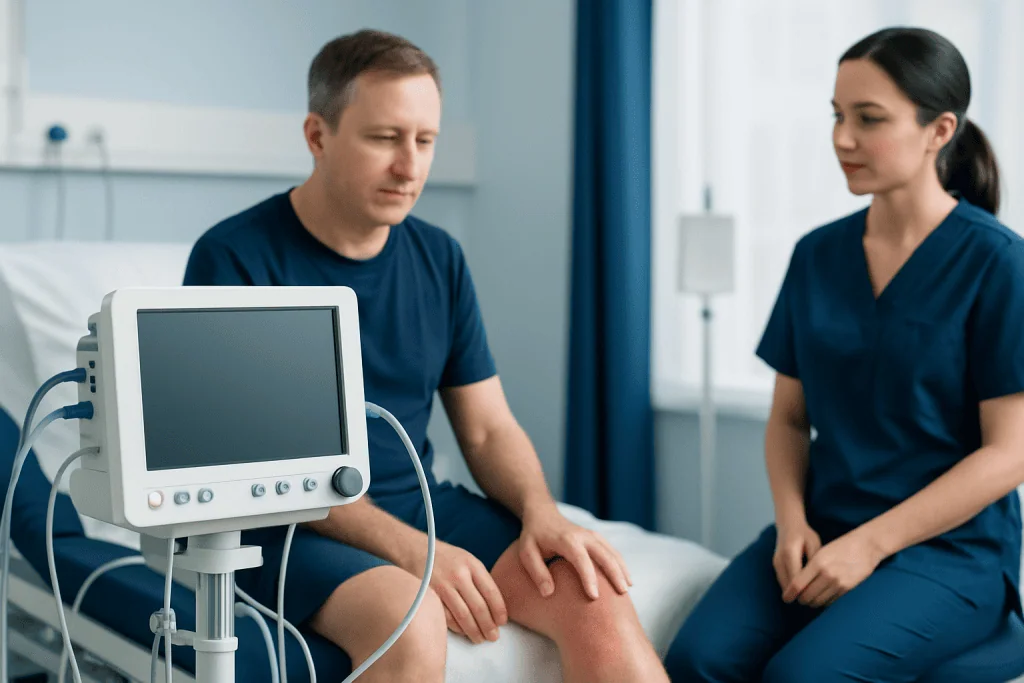
The typical picture of cellulitis includes a patch of skin that is warm, swollen, tender, and discolored compared with surrounding skin. The edges are often not sharply defined, and the redness or discoloration may spread over hours to days. Some people also notice skin tightness, throbbing discomfort, or difficulty moving the nearby joint because of swelling.
Symptoms are not limited to the skin. Cellulitis can cause fever, chills, tiredness, swollen lymph nodes, or a general feeling of being unwell. In some cases, small blisters may form, or the surface may develop an orange-peel texture. If there is an underlying pocket of pus, the area may feel more localized, raised, and fluctuant, which may suggest an abscess rather than cellulitis alone.
Pictures can be especially helpful for comparing cellulitis with conditions that often cause confusion, such as contact dermatitis, insect bites, eczema, or venous stasis changes. Cellulitis is usually one-sided, painful or distinctly tender, warm to touch, and progressively enlarging. Itching can occur, but intense itch without much pain may suggest another cause. People with recurring confusion between skin conditions may benefit from evaluation for eczema or other inflammatory skin disorders.
- Warmth and swelling in one area of skin
- Red, pink, purple, or darkened discoloration that spreads
- Tenderness or pain rather than itch alone
- Fever, chills, or feeling unwell
- Skin breakdown, blisters, or drainage nearby
Causes, risk factors, and why cellulitis develops

Cellulitis usually happens when bacteria enter through a break in the skin. Common entry points include cuts, scrapes, cracked heels, athlete’s foot between the toes, eczema, ulcers, insect bites, or recent surgery. The bacteria most often involved are streptococci and staphylococci, but the exact cause can vary depending on the location, the type of injury, and a person’s health status.
Some people are more likely to develop cellulitis than others. Risk factors include diabetes, poor circulation, chronic swelling of the legs, obesity, a weakened immune system, older age, and skin conditions that disrupt the skin barrier. Recurrent infections may happen if the underlying problem, such as fungal infection of the feet or longstanding swelling, is not treated.
Cellulitis can sometimes overlap with or be mistaken for other skin infections. For example, an infected hair follicle, boil, or deeper collection of pus may need different management. In selected cases, doctors may also consider related conditions such as skin infections more broadly when deciding whether imaging, drainage, or culture is needed.
Recognizing risk factors matters because they can influence how quickly a doctor wants to evaluate the infection. A small area of redness in a healthy adult may still need treatment, but the same appearance in a person with diabetes, lymphedema, or suppressed immunity can carry a higher risk of rapid worsening or complications.
When to seek medical care
Cellulitis should generally be assessed by a healthcare professional because it often requires prescription treatment. Same-day medical care is especially important if the area is growing quickly, pain is worsening, fever is present, or the infection is on the face, around the eye, on the hand, near the genitals, or over a surgical site. Children, older adults, and people with diabetes or reduced immunity should be evaluated early.
Urgent care is needed if there are red streaks moving away from the area, severe swelling, numbness, blackened skin, rapidly increasing pain, dizziness, confusion, or trouble breathing. These features can suggest a more serious infection or complications that need immediate attention. Cellulitis around the eye is particularly important because swelling and redness there may threaten vision and require prompt specialist care.
Even when symptoms seem mild, a doctor should be contacted if a person is not improving after starting antibiotics, cannot keep fluids down, has repeated episodes, or is unsure whether the rash is cellulitis at all. A photo can be useful for tracking changes, but treatment decisions should be based on a full clinical assessment.
How cellulitis is diagnosed
Doctors diagnose cellulitis mainly through medical history and physical examination. They look at the location, warmth, tenderness, swelling, pattern of spread, and any visible break in the skin. They also ask about fever, chills, recent injuries, insect bites, travel, chronic swelling, athlete’s foot, and previous episodes of infection.
Tests are not always needed for mild, straightforward cases. However, blood tests may be used if the person appears unwell, has recurrent infections, or may have a more severe illness. If there is drainage, an open wound, or pus, a sample may sometimes be sent for culture. Imaging such as ultrasound may be helpful when a clinician suspects a hidden abscess, foreign body, or another diagnosis.
One challenge is that cellulitis can look similar to noninfectious conditions such as dermatitis, gout, blood clots, or chronic venous disease. That is why self-diagnosis from online images can be misleading. In some situations, doctors may evaluate circulation or vascular causes if the appearance suggests another problem, and they may coordinate care across dermatology, infectious diseases, or surgery when needed.
If the diagnosis is uncertain or the infection is recurring, specialist review can be helpful. At Acibadem International, multidisciplinary specialists in JCI-accredited hospitals assess skin and soft tissue infections for international patients and arrange imaging, medical treatment, or surgical care when clinically appropriate.
Treatment options and what recovery usually involves
Treatment depends on how severe the cellulitis is, where it is located, and whether complications are present. Many people can be treated at home with oral antibiotics, rest, fluids, and elevation of the affected limb to reduce swelling. Doctors may outline the edge of the redness to help monitor whether the area is improving or expanding. Pain relief may also be recommended when suitable.
More serious cases may require hospital treatment, especially if the person has high fever, cannot take oral medicine, is medically fragile, or has rapidly spreading infection. Intravenous antibiotics may be used in these situations. If an abscess or pocket of pus is present, medication alone may not be enough, and drainage can be necessary. In selected cases, this may involve abscess drainage to remove infected fluid and support healing.
If cellulitis is linked to a chronic wound or dead tissue, doctors may also address the source of infection directly. Wound cleansing, dressing changes, and, in some situations, specialized wound care are important parts of recovery. Rarely, if there is concern for severe tissue damage, surgeons may consider procedures such as debridement to remove unhealthy tissue.
Improvement often begins within a few days of starting effective treatment, but the skin can take longer to return to normal. Mild discoloration, peeling, or lingering swelling may remain for some time even after the infection is controlled. It is important to complete treatment as prescribed and attend follow-up if symptoms are not settling as expected.
Prevention, self-care, and reducing the chance of recurrence
Preventing cellulitis starts with protecting the skin barrier. Cuts, scrapes, and insect bites should be washed gently and kept clean. Dry, cracked skin should be moisturized regularly, and fungal infections between the toes should be treated because they create small openings where bacteria can enter. People who shave or perform skin care procedures should avoid breaking inflamed skin.
For those who have had cellulitis before, managing underlying risk factors is especially important. Swelling in the legs can be reduced through elevation, movement, and compression when a doctor advises it. Good glucose control in diabetes, treatment of chronic skin disease, and prompt care for wounds can all lower the chance of another episode.
Home self-care is supportive, not a substitute for medical treatment. Helpful measures may include resting the affected area, elevating a swollen limb, drinking enough fluids, and checking the skin daily for changes. People should avoid squeezing blisters, applying irritating creams, or relying only on leftover antibiotics from a previous illness.
If episodes keep returning, the next step is not simply repeated antibiotics. A clinician may look for persistent causes such as athlete’s foot, lymphedema, poor circulation, chronic ulcers, or inflammatory skin disease. Addressing these problems is often the most effective way to prevent recurrence and protect long-term skin health.
Why pictures have limits and what to track instead
Many patients search for cellulitis pictures because they want reassurance before seeking care. Images can be useful for awareness, but they have clear limits. Lighting, skin tone, camera quality, and the stage of infection can all change how cellulitis appears. Two rashes that look similar in a photo may need very different treatment in real life.
A more reliable approach is to track a small set of practical signs: Is the area getting larger? Is it warmer or more painful? Is swelling increasing? Are fever, chills, or fatigue appearing? If possible, taking a photo once daily under similar lighting or noting the border on the skin can help a doctor assess progression, but these tools should support care, not delay it.
People should also pay attention to function. Worsening difficulty walking, using a hand, or opening the eye because of swelling matters, even if the color change does not seem dramatic. On darker skin, tenderness, heat, swelling, and skin tightness may be more useful clues than redness alone.
In short, pictures answer only part of the question behind “cellulitis when to worry.” The point to worry is not just how it looks, but how quickly it is changing and whether whole-body symptoms or higher-risk circumstances are present. When in doubt, a qualified doctor can confirm the diagnosis and guide the safest treatment plan.
Frequently asked questions
Can cellulitis go away on its own?
Cellulitis usually should not be expected to go away without medical treatment. Because it is a bacterial skin infection, many cases need prescription antibiotics and monitoring. Delaying care can allow the infection to spread or become more serious.
What does early cellulitis look like?
Early cellulitis often starts as a small area of tender, warm, swollen skin that looks red, pink, purple, or darker than surrounding skin. The area may gradually enlarge over hours to days. A nearby cut, crack, blister, or insect bite may or may not be visible.
How can someone tell the difference between cellulitis and a simple rash?
Cellulitis is more likely to be warm, painful or clearly tender, swollen, and steadily spreading. A simple rash is often itchier than painful and may have a more defined or patterned appearance. Because overlap is common, a clinician should assess any suspicious or worsening skin change.
When is cellulitis an emergency?
Cellulitis becomes urgent or emergent when there is high fever, rapidly spreading redness, severe pain, red streaking, confusion, dizziness, blackened skin, or involvement of the eye or face. Emergency care is also important if the person has diabetes, is immunocompromised, or seems generally very unwell. These signs may point to deeper infection or complications.
How long does it take for cellulitis to improve after treatment starts?
Many people begin to notice improvement within a few days, but healing time varies with severity, location, and underlying health conditions. The skin may remain discolored or mildly swollen after the infection itself is improving. A doctor should be contacted if symptoms worsen or fail to improve as expected.
Can cellulitis come back?
Yes, cellulitis can recur, especially if a person has chronic swelling, athlete's foot, eczema, poor circulation, diabetes, or repeated skin injuries. Preventing recurrence usually means treating these underlying issues as well as caring for the skin. A doctor can help identify the reason for repeated episodes.
References
- Centers for Disease Control and Prevention
- American Academy of Dermatology
- National Health Service
- Mayo Clinic
- Infectious Diseases Society of America
This article is for general information only and is not a substitute for professional medical advice. Please consult a qualified doctor about your individual situation.
Cellulitis in Turkey — costs, top hospitals & a free quote
JCI-accredited · board-certified surgeons · reply within 24h
Add us as a Preferred Source to see more of our trusted health content across Google Search, AI Overviews and Discover.