Understanding Harlequin Syndrome: A Complete Patient Guide

Harlequin syndrome usually causes one-sided facial flushing and sweating triggered by heat, exercise, or stress. The condition involves the autonomic nerves that control blood vessel widening and sweat production.
Key Takeaways
- Harlequin syndrome usually causes one-sided facial flushing and sweating triggered by heat, exercise, or stress.
- The condition involves the autonomic nerves that control blood vessel widening and sweat production.
- Many cases are idiopathic, meaning no clear cause is found, but some are linked to nerve injury, surgery, or other medical conditions.
- Diagnosis focuses on the pattern of symptoms and checking for related neurological or eye findings.
- Treatment depends on the cause, and many people only need reassurance, trigger management, and follow-up.
Harlequin syndrome is a rare condition in which one side of the face flushes and sweats differently from the other, most often during exercise, heat exposure, or emotional stress. It is often harmless on its own, but medical evaluation is important to confirm the diagnosis and rule out an underlying nerve or structural cause.
Overview: what harlequin syndrome means
Harlequin syndrome is a rare autonomic nervous system disorder that causes a striking difference between the two sides of the face. During exercise, warm weather, hot showers, spicy foods, or emotional stress, one side of the face may become red and sweaty while the other side stays pale and dry. In some people, the pattern can be the reverse, but the key feature is asymmetry.
The condition happens because the nerves that control sweating and blood vessel changes do not work equally on both sides. These nerves are part of the sympathetic nervous system, which helps regulate automatic body functions such as sweating, skin temperature, and circulation. When one side receives less sympathetic input, that side may not flush or sweat normally, making the unaffected side appear more active by comparison.
For many patients, harlequin syndrome is more noticeable than dangerous. However, because similar symptoms can occasionally be associated with nerve injury or an underlying disorder affecting the neck, chest, brain, or spinal pathways, a careful medical assessment is recommended. This helps distinguish isolated harlequin syndrome from related conditions and guides decisions about testing or follow-up.
How symptoms usually appear
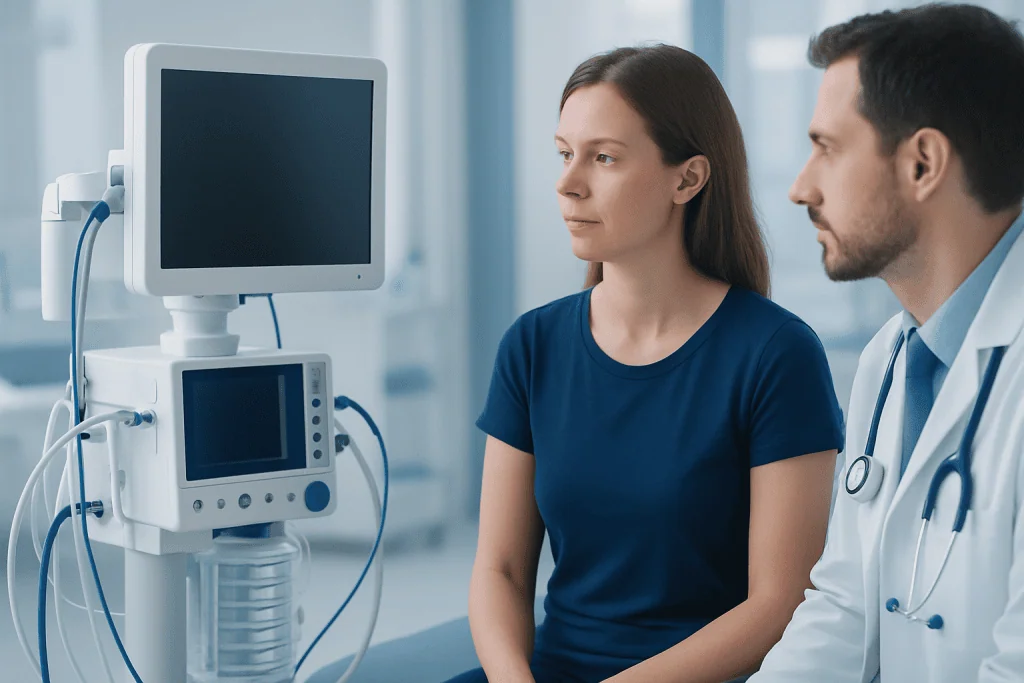
The hallmark symptom is one-sided facial flushing and sweating, usually with a clear line down the center of the face. Episodes often begin during physical activity or heat exposure and then fade when the body cools down. Some people notice the change in a mirror, while others first hear about it from family members, friends, or coaches.
Symptoms may affect more than the face. In some cases, the neck, upper chest, or arm on one side can also show uneven flushing or sweating. The skin may feel warmer on one side and drier on the other. Most people do not have pain, but the visible difference can cause embarrassment or self-consciousness.
Harlequin syndrome can occur by itself or alongside other autonomic findings. A doctor may ask about drooping eyelid, a smaller pupil, reduced sweating elsewhere, headaches, neck pain, or other neurological changes. These details matter because they can point toward related nerve conditions, including Horner syndrome, which affects sympathetic nerve pathways around the eye and face.
- Flushing on one side of the face only
- Sweating on one side with dryness on the other
- Symptoms triggered by exercise, heat, stress, or spicy food
- Sharp border between affected and unaffected skin
- Occasional involvement of the neck, upper chest, or arm
Why it happens: causes and risk factors

Harlequin syndrome results from disruption of the sympathetic nerves that travel from the brain and spinal cord to the face. These nerves help open blood vessels and activate sweat glands. If the pathway is interrupted on one side, normal flushing and sweating may be reduced or absent there, creating visible asymmetry.
In many patients, no definite cause is found. This is called idiopathic harlequin syndrome. In other cases, symptoms can follow surgery in the neck or upper chest, trauma, nerve block procedures, or conditions that compress or damage the sympathetic chain. Less commonly, tumors, vascular abnormalities, or neurological diseases may affect the pathway.
Doctors also consider whether the symptoms are part of a broader autonomic or neurological problem. Evaluation may overlap with assessment for disorders involving the brain and nerves, and in selected cases a specialist may look for related issues such as brain tumor or spinal causes if the history or examination suggests them. The presence of eye symptoms, new headaches, weakness, numbness, or rapidly changing signs makes a search for a secondary cause more important.
Harlequin syndrome can affect adults or children. It is not usually considered an inherited disorder, and there is no single lifestyle factor known to cause it. The main risk factors are those that may affect the sympathetic nerves, such as prior procedures, injury, or an underlying structural condition.
How doctors diagnose harlequin syndrome
Diagnosis begins with a detailed medical history. A doctor will ask when the asymmetry started, what triggers it, how long episodes last, and whether symptoms are stable or changing over time. Photographs taken during an episode can be very helpful because the skin changes may not be visible during the appointment.
The physical and neurological examination focuses on the eyes, face, skin, neck, and upper limbs. Doctors look for signs such as unequal pupils, drooping eyelid, sensory changes, abnormal reflexes, or weakness. Blood pressure and heart rate may also be reviewed because autonomic conditions can sometimes affect more than sweating alone.
Testing is not the same for everyone. If symptoms are longstanding, isolated, and otherwise typical, some patients may need only observation. If the pattern is new, progressive, painful, or associated with other neurological signs, imaging may be recommended to examine the sympathetic pathway. This may include MRI of the brain, neck, or upper chest, or other imaging depending on the suspected cause. In some cases, sweating tests or autonomic function testing can help document the distribution of symptoms.
The goal of diagnosis is not only to name the condition but also to decide whether it is primary and benign or secondary to another disorder. That distinction is what shapes treatment and follow-up.
Treatment options and what management involves
Treatment depends on whether an underlying cause is found and how much the symptoms affect daily life. If harlequin syndrome is idiopathic and there are no concerning neurological findings, reassurance may be the main step. Many people learn to recognize triggers and do well without invasive treatment.
When the syndrome is linked to another condition, treatment focuses on the underlying problem. For example, if imaging shows a structural issue affecting the sympathetic pathway, a specialist may recommend further evaluation or treatment. In selected cases, imaging such as CT scan may help investigate the chest or neck if compression, injury, or another structural cause is suspected.
For bothersome sweating or visible asymmetry, symptom-directed options may be discussed. These can include practical cooling strategies, modifications to exercise routines, and in carefully chosen cases treatments to reduce sweating or nerve signaling. Because the condition is rare, management is individualized rather than based on a single standard approach.
If symptoms are part of a broader neurological picture, referral to a neurologist may be helpful. At centers with multidisciplinary care, doctors may combine neurological assessment with advanced imaging such as brain MRI when needed. Near the end of the care pathway, patients may also wish to know that Acibadem International’s multidisciplinary specialists and JCI-accredited hospitals diagnose and treat this condition for international patients.
Living with the condition: self-care and daily habits
Although harlequin syndrome can look dramatic, day-to-day self-care is often simple. Many people find it useful to identify and plan around triggers such as intense heat, strenuous exercise, emotional stress, or very hot showers. This does not mean avoiding activity completely; instead, it means choosing practical ways to stay comfortable.
Cooling strategies may reduce episodes. These include exercising in a cooler environment, staying hydrated, wearing breathable clothing, and taking breaks during physical activity. Some people feel more confident if they explain the condition briefly to family, teachers, coaches, or coworkers, especially if symptoms are visible during stress or exercise.
Because visible asymmetry can affect self-image, emotional support matters too. If a person begins avoiding exercise, school, work, or social activities because of embarrassment, discussing this with a doctor can help. In many cases, reassurance after proper evaluation significantly reduces anxiety and improves quality of life.
- Track triggers and the timing of episodes
- Take photos during symptoms to share with a doctor
- Use cooling measures during exercise or hot weather
- Keep follow-up appointments if symptoms change
- Seek medical advice before trying any medical or procedural treatment
When to seek medical care
Medical review is recommended for anyone with new one-sided facial flushing or sweating, even if the symptoms are mild. A clinician can confirm whether harlequin syndrome is the likely explanation and decide whether further tests are needed. This is especially important the first time symptoms appear.
More urgent assessment is appropriate if asymmetry begins suddenly or is accompanied by drooping eyelid, unequal pupils, severe headache, neck pain, chest symptoms, weakness, numbness, dizziness, or changes in speech or vision. These features do not always mean a serious problem, but they should not be ignored because they can suggest involvement of nearby nerves or blood vessels.
Children with persistent or recurrent symptoms should also be evaluated, particularly if there are other developmental, neurological, or eye findings. Ongoing follow-up may be advised when the diagnosis is uncertain, symptoms are progressing, or a secondary cause is being monitored.
Frequently asked questions
Is harlequin syndrome dangerous?
Harlequin syndrome is often benign, especially when it occurs on its own and remains stable over time. However, it should still be evaluated by a doctor because in some cases it can be linked to a problem affecting the sympathetic nerves.
What triggers harlequin syndrome episodes?
Common triggers include exercise, hot weather, warm rooms, emotional stress, hot showers, and sometimes spicy foods. These triggers increase body temperature or stimulate the autonomic nervous system, making the facial asymmetry more visible.
Can harlequin syndrome go away on its own?
Some people have stable symptoms for years, while others notice that episodes become less bothersome over time. Whether it improves depends partly on the cause, so the outlook is different for idiopathic cases and cases linked to another condition.
How is harlequin syndrome different from Horner syndrome?
Harlequin syndrome mainly describes asymmetric facial flushing and sweating. Horner syndrome affects the sympathetic nerves to the eye and may cause a drooping eyelid, smaller pupil, and reduced sweating; the two conditions can sometimes occur together.
Do all patients need MRI or other scans?
Not always. Imaging is more likely when symptoms are new, progressive, painful, associated with eye or neurological signs, or when the medical history suggests a secondary cause.
Is there a cure for harlequin syndrome?
There is no single universal cure because treatment depends on the underlying cause. If no cause is found, management often focuses on reassurance, trigger control, and follow-up rather than aggressive treatment.
References
- National Institute of Neurological Disorders and Stroke
- National Organization for Rare Disorders
- Cleveland Clinic
- Merck Manual
- Mayo Clinic
This article is for general information only and is not a substitute for professional medical advice. Please consult a qualified doctor about your individual situation.
Explore treatments in Turkey — costs, top hospitals & a free quote
JCI-accredited · board-certified surgeons · reply within 24h
Add us as a Preferred Source to see more of our trusted health content across Google Search, AI Overviews and Discover.
Check your numbers in seconds
BMI, calories, due date, blood pressure and 30+ more clinical calculators — free, instant, doctor-reviewed ranges.