Pml Leukoencephalopathy: Diagnosis, Outlook, and Modern Treatment Approaches

PML leukoencephalopathy is caused by reactivation of the JC virus in the brain. It most often affects people with weakened immunity, including those with HIV, cancer, organ transplants, or certain immune-modifying medicines.
Key Takeaways
- PML leukoencephalopathy is caused by reactivation of the JC virus in the brain.
- It most often affects people with weakened immunity, including those with HIV, cancer, organ transplants, or certain immune-modifying medicines.
- Symptoms can develop over days to weeks and may include weakness, speech or vision changes, confusion, and coordination problems.
- MRI and cerebrospinal fluid testing are central to diagnosis, though sometimes additional testing is needed.
- There is no single antiviral cure; treatment usually focuses on restoring immune function and supportive neurological care.
- Early medical assessment may improve the chance of stabilizing the disease and limiting disability.
PML leukoencephalopathy is a rare but serious brain infection caused by reactivation of the JC virus, usually in people with weakened immune systems. Diagnosis relies on symptoms, brain MRI, and testing of spinal fluid, while treatment focuses on improving immune function and managing complications.
Overview: what pml leukoencephalopathy means
PML leukoencephalopathy, short for progressive multifocal leukoencephalopathy, is a rare infection of the brain’s white matter. It happens when the JC virus, a common virus that usually stays inactive in the body, becomes active again in someone whose immune defenses are weakened. When this reactivation occurs in the brain, it can damage myelin, the protective covering around nerve fibers, which interferes with how nerve signals travel.
The condition is considered neurological and infectious at the same time. Rather than spreading from person to person in the way many everyday infections do, PML develops because a dormant virus already present in the body takes advantage of reduced immune surveillance. This is why doctors often look closely at the person’s overall immune status when evaluating the condition.
PML can affect different areas of the brain, so symptoms vary widely from one person to another. Some people first notice clumsiness or weakness, while others develop speech, vision, thinking, or balance problems. Because these changes can resemble other brain disorders, a careful diagnostic process is important.
Modern care focuses on making the diagnosis as early as possible, identifying the reason the immune system is compromised, and supporting recovery where feasible. Although PML remains a serious condition, outcomes depend greatly on the underlying cause, how quickly treatment begins, and whether immune function can be improved.
Symptoms and how the condition may present
The symptoms of pml leukoencephalopathy often begin gradually and worsen over days to weeks. Unlike some infections that cause fever or obvious systemic illness, PML mainly causes neurological changes. The exact pattern depends on which parts of the brain are affected.
Common symptoms may include weakness on one side of the body, trouble walking, poor coordination, slurred speech, vision loss or blind spots, personality or behavior changes, confusion, memory difficulties, and trouble concentrating. Some people may also develop seizures, especially when the disease involves certain brain regions or during recovery-related inflammation.
Because the brain lesions of PML can occur in multiple places at once, a person may have more than one symptom at the same time. Family members sometimes notice subtle changes before the patient does, such as increasing forgetfulness, slower thinking, or unusual irritability.
- New weakness or clumsiness
- Speech or language problems
- Vision changes
- Balance difficulties
- Confusion or cognitive decline
- Seizures in some cases
These symptoms are not unique to PML. They may also occur in stroke, multiple sclerosis, brain tumors, other infections, or inflammatory brain conditions. For that reason, new or progressive neurological symptoms should be assessed by a qualified doctor rather than self-diagnosed.
Why it happens: causes and risk factors

The direct cause of PML is reactivation of the JC virus, also called John Cunningham virus. Many adults have been exposed to this virus at some point, but it usually remains inactive and causes no problem. PML develops when immune control weakens enough to allow the virus to enter and damage the brain.
The strongest risk factor is significant immune suppression. This may occur in people living with advanced HIV infection, those receiving treatment for blood cancers or other cancers, organ transplant recipients taking anti-rejection medicines, and people with autoimmune or inflammatory diseases who use certain immune-modifying therapies. In these settings, doctors weigh the benefits and risks of treatment carefully and monitor for warning signs.
Some medications are known to increase PML risk more than others, particularly medicines that affect how immune cells circulate or function. The risk is not the same for every patient, and not everyone using these therapies will develop PML. Still, any new neurological symptom during immune-modifying treatment deserves prompt evaluation.
Doctors also consider the broader medical context, including previous infections, immune cell counts, recent medication changes, and coexisting neurological disease. In some patients, PML may be confused with a relapse of another condition such as multiple sclerosis or with treatment-related complications, making specialist review especially important.
How diagnosis is made
Diagnosing pml leukoencephalopathy usually involves combining the medical history, neurological examination, brain imaging, and laboratory testing. The clinician first looks for clues such as progressive focal neurological symptoms and a condition or treatment that could weaken immunity. A careful medication history is particularly important.
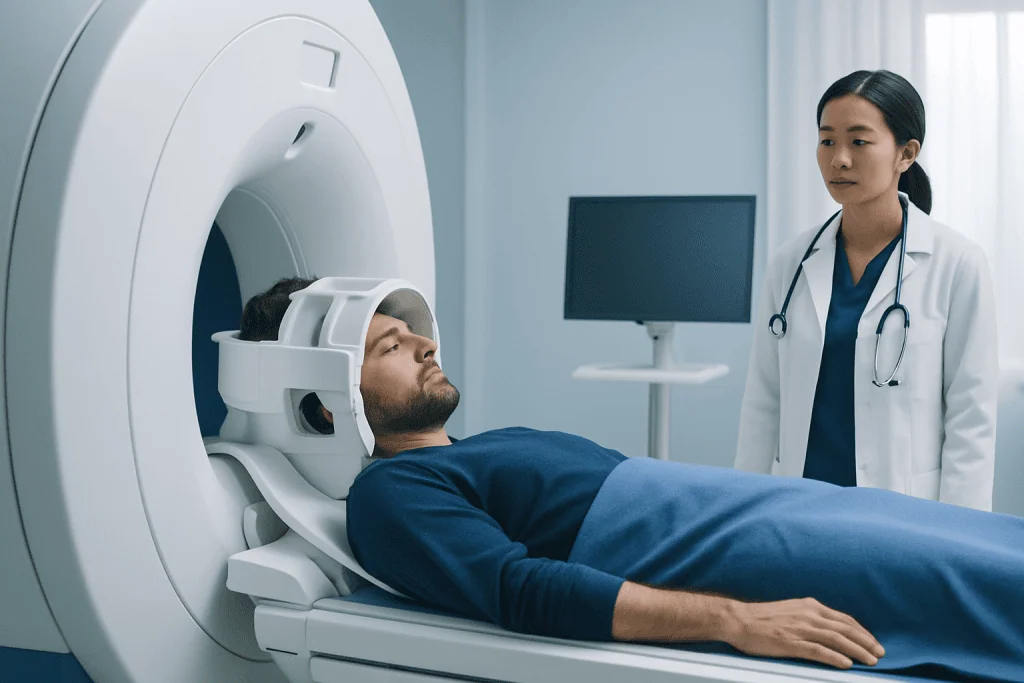
Brain MRI is one of the most useful tests. PML often causes characteristic white matter lesions that do not follow the pattern of stroke and may involve more than one area of the brain. MRI can also help distinguish PML from tumors, abscesses, or other inflammatory disorders. In some situations, advanced imaging adds further detail, but the diagnosis still depends on the full clinical picture.
Testing the cerebrospinal fluid, obtained through a lumbar puncture, is another key step. Doctors may use molecular testing to look for JC virus DNA in the fluid. A positive result in the right clinical setting strongly supports the diagnosis. However, a negative result does not always rule PML out, especially early in the disease, so repeat testing may sometimes be needed.
When the diagnosis remains uncertain, additional evaluation may include blood tests, immune status assessment, and occasionally brain biopsy. This is usually reserved for selected cases where imaging and spinal fluid results are inconclusive or where another diagnosis remains possible. Diagnostic workup may involve specialists in neurology and neuroradiology to interpret findings accurately.
Modern treatment approaches and supportive care
There is no single proven antiviral medicine that reliably cures PML. The main treatment goal is to restore immune function as safely and quickly as possible. What that means depends on the underlying cause. For example, in HIV-related PML, starting or optimizing antiretroviral therapy is central. If PML is linked to a medication that suppresses the immune system, the prescribing team may stop or change that medicine after carefully balancing risks and benefits.
In selected medication-related cases, doctors may consider steps to help remove the drug from the body more quickly. Treatment decisions are individualized because the patient’s neurological condition, the original disease being treated, and the degree of immune suppression all matter. During recovery, some patients develop an inflammatory reaction called immune reconstitution inflammatory syndrome, or IRIS, which can temporarily worsen symptoms and may require specialist management.
Supportive neurological care is also important. This may include seizure treatment, rehabilitation for speech or movement problems, nutritional support, and strategies to prevent falls or other complications. Depending on symptoms, care may involve physical therapy and rehabilitation and input from speech therapists, neuropsychologists, or infectious disease specialists.
People with complex cases may benefit from care in centers with multidisciplinary expertise. Near the end of the treatment pathway, some patients and families also need help with long-term planning, function, and quality of life. Acibadem International’s multidisciplinary specialists in JCI-accredited hospitals diagnose and treat neurological conditions for international patients, including disorders that require coordinated imaging, infectious disease, and rehabilitation support.
Outlook, recovery, and daily self-care
The outlook for pml leukoencephalopathy varies widely. Some people stabilize or improve after immune recovery, while others are left with lasting neurological difficulties. In general, prognosis tends to be better when the condition is recognized early, treatment can reverse the immune problem, and brain damage is limited.
Recovery is often gradual. Even when the infection stops progressing, rehabilitation may be needed for weakness, balance problems, speech changes, or cognitive symptoms. Improvement may continue over months, but not all symptoms fully resolve. Families often play an important role in noticing changes, supporting appointments, and helping with home safety.
Daily self-care focuses on reducing complications and supporting function. This may include taking medicines exactly as prescribed, keeping follow-up appointments, using mobility aids if advised, and maintaining adequate rest and nutrition. Patients should also discuss driving, work, and fall prevention with their care team if symptoms affect movement, vision, or concentration.
Emotional support matters as well. Living with a rare neurological illness can feel overwhelming, especially when the diagnosis is unexpected. Clear communication with the medical team, realistic goal-setting, and access to rehabilitation and counseling resources can help patients and caregivers adapt over time.
When to seek medical care
Prompt medical care is important for any new or worsening neurological symptom, especially in a person with a weakened immune system or someone taking immune-modifying treatment. Earlier evaluation may help distinguish PML from other urgent conditions and allow treatment decisions to be made sooner.
A doctor should be contacted urgently if there is new weakness, sudden clumsiness, trouble speaking, worsening confusion, vision loss, severe balance problems, or a seizure. Emergency care is appropriate for loss of consciousness, major seizure activity, rapidly worsening symptoms, or severe inability to function safely.
People already being treated for HIV, cancer, autoimmune disease, or after organ transplantation should not stop prescription medicines on their own because sudden changes can also be harmful. Instead, they should seek advice promptly from the specialist managing their condition. In some cases, further assessment may include MRI and additional neurological testing to clarify the cause.
Frequently asked questions
Is pml leukoencephalopathy contagious?
PML itself is not usually thought of as a contagious illness in everyday contact. It develops when the JC virus, which many people already carry silently, reactivates in someone with reduced immune defenses.
Can pml leukoencephalopathy be cured?
There is no single medicine that reliably cures PML directly. Treatment usually aims to restore immune function and manage complications, which may stabilize the disease and sometimes lead to improvement.
Who is most at risk for PML?
People with significant immune suppression are at highest risk. This includes some individuals with advanced HIV infection, certain cancers, organ transplants, or use of particular immune-modifying medications.
What tests confirm the diagnosis?
Doctors typically use brain MRI and cerebrospinal fluid testing for JC virus as the main diagnostic tools. The final diagnosis depends on combining test results with symptoms, examination findings, and the person’s immune and treatment history.
Can symptoms improve after treatment?
Yes, some people improve once immune function begins to recover. However, recovery can be slow, and some patients are left with long-term neurological problems that benefit from rehabilitation and supportive care.
How is PML different from multiple sclerosis?
PML is a brain infection caused by JC virus reactivation, while multiple sclerosis is an immune-mediated disease that damages myelin in a different way. They can cause some similar neurological symptoms, which is why MRI and other tests are important for distinguishing them.
References
- World Health Organization
- National Institute of Neurological Disorders and Stroke
- Centers for Disease Control and Prevention
- National Institutes of Health
- Merck Manual Professional Edition
This article is for general information only and is not a substitute for professional medical advice. Please consult a qualified doctor about your individual situation.
Joint and spine care in Turkey — expert assessment & treatment
JCI-accredited · board-certified surgeons · reply within 24h
Add us as a Preferred Source to see more of our trusted health content across Google Search, AI Overviews and Discover.

More from the Health Library



Related Specialists

Dr. Ayfer Pepekal Kükrer
Gynecology & Obstetrics
Dr. Semra Uğur
Anesthesiology
Dr. Buket Ayoğlu
Ophthalmology
Prof. Dr. Namık Şahin
Orthopedic Surgery & Traumatology