Ice Packs for Injuries: An Evidence-Based Guide for Patients

Ice is most useful during the first 24 to 48 hours after many minor injuries. A cloth barrier should always be placed between the skin and the ice pack.
Key Takeaways
- Ice is most useful during the first 24 to 48 hours after many minor injuries.
- A cloth barrier should always be placed between the skin and the ice pack.
- Short sessions, usually about 15 to 20 minutes at a time, are safer than prolonged icing.
- Ice may ease pain and swelling, but severe injuries still need medical assessment.
- Numbness, color change, worsening pain, or suspected fracture are reasons to stop home care and seek advice.
Ice packs for injuries can help reduce pain, swelling, and tissue stress soon after a minor sprain, strain, bruise, or overuse flare. They work best when applied correctly, for short periods, and as part of basic early care rather than as a cure on their own.
Overview: Do Ice Packs Help Injuries?
Yes. Ice packs for injuries can help relieve pain and limit swelling, especially during the first one to two days after a minor soft-tissue injury. Cooling the area narrows blood vessels for a short time and may slow some of the inflammatory response, which can make the injured area feel less sore and less swollen.
That said, ice is a comfort measure and an early first-aid tool, not a complete treatment. It does not repair torn tissue, reset a dislocated joint, or replace an examination when an injury is severe. The best results usually come from combining cold therapy with rest, gentle protection of the area, and medical advice when symptoms are significant or do not improve.
Patients often hear different messages about icing, including whether heat is better or whether ice should be used for long periods. In practice, the safest evidence-based approach is simple: use cold for short sessions in the early phase of many acute injuries, avoid placing it directly on the skin, and stop if it causes burning, intense discomfort, or skin changes.
When Ice Packs Are Most Useful
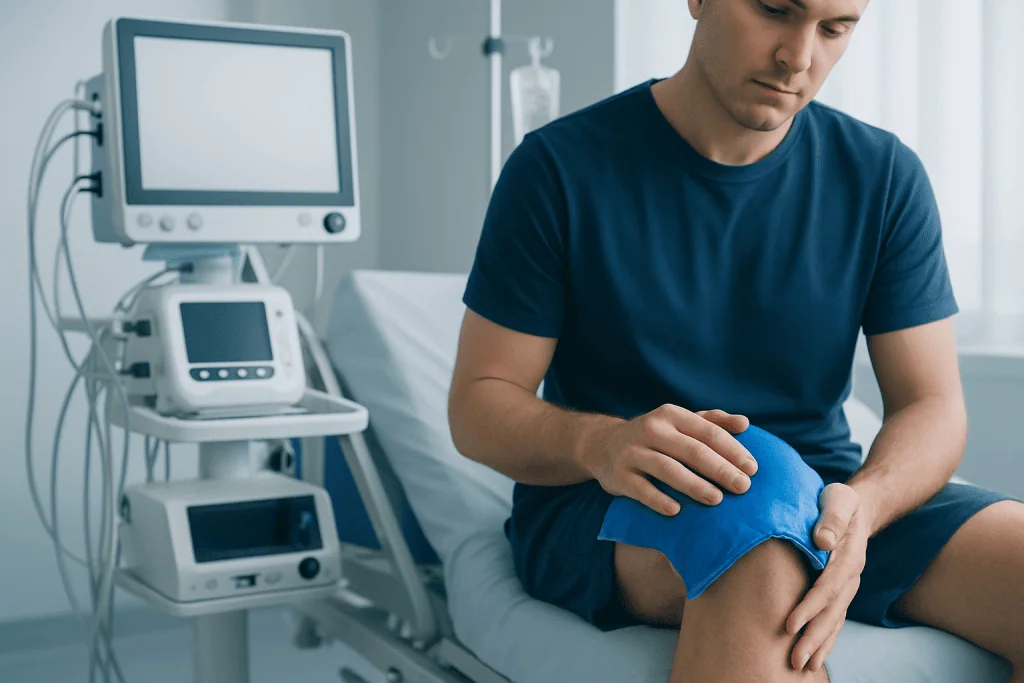
Ice packs are most often used for recent injuries that involve pain, swelling, or both. Common examples include ankle sprains, muscle strains, bruises, minor sports injuries, and flare-ups after overuse. They may also be helpful after some medical or dental procedures if a clinician has recommended cold therapy.
Cold is generally most helpful in the first 24 to 48 hours after injury, when swelling and tenderness are usually greatest. During this period, a patient may use an ice pack for about 15 to 20 minutes at a time, then allow the skin and tissues to rewarm before repeating. There is no clear benefit to leaving ice on for very long periods, and doing so may irritate the skin or reduce blood flow too much.
Ice may be less useful for stiffness without swelling, chronic muscle tightness, or discomfort that improves with warmth and movement. In those situations, heat or guided rehabilitation may be more appropriate. If pain persists, recurrent injuries such as ACL injury or more complex joint problems may need specialist assessment rather than repeated self-treatment at home.
How to Use Ice Packs Safely

The safest method is to wrap the ice pack, gel pack, or bag of frozen vegetables in a thin towel or cloth before placing it on the skin. This helps prevent cold injury, which can happen if frozen items are applied directly to bare skin. The pack should feel cold and soothing, not painfully intense.
A practical routine is to apply the pack for 15 to 20 minutes, then remove it and wait at least 1 to 2 hours before icing again, depending on symptoms and comfort. The injured area can be gently elevated if possible. If a compression bandage has been advised, it should not be so tight that it causes numbness, tingling, or color change.
Patients should check the skin every few minutes, especially children, older adults, and anyone with sensitive skin. Icing should be stopped if the skin becomes very pale, blotchy, hard, blistered, or unusually painful. People with reduced sensation, poor circulation, diabetes-related nerve problems, or certain vascular conditions should ask a clinician before using cold therapy regularly.
- Use a cloth barrier every time.
- Keep sessions short rather than continuous.
- Do not sleep with an ice pack on the body.
- Avoid direct ice on open wounds unless specifically instructed by a clinician.
- Stop if symptoms worsen instead of improve.
What Ice Can and Cannot Do
Ice can reduce pain temporarily, which may help a person rest the injured area and move more comfortably once it is safe to do so. It may also reduce visible swelling in some injuries and can make the first day or two more manageable. For many patients, this symptom relief is the main benefit.
However, ice does not diagnose the injury or determine how serious it is. A badly swollen ankle might be a sprain, but it could also be a fracture. A sore knee after twisting may improve with cold therapy, yet significant ligament or cartilage damage can still be present. Persistent instability, locking, or inability to bear weight should not be treated with ice alone.
Ice also should not delay appropriate rehabilitation. After the earliest phase of injury, gradual movement, strengthening, and a return-to-activity plan are often more important for recovery than continued icing. For some patients, a clinician may recommend rehabilitation or physical therapy and rehabilitation to restore function and reduce the chance of reinjury.
Ice, Rest, Compression, and Elevation: Putting It Together
Many patients know the traditional RICE approach: rest, ice, compression, and elevation. While injury care has evolved, these basic steps still offer a practical framework for the first day or two after a mild injury. The main goal is to protect the area, control symptoms, and avoid making the injury worse.
Rest does not always mean complete immobility. It usually means avoiding painful loading, impact, or repeated strain while allowing safe, gentle movement if it does not increase symptoms. Compression and elevation may help manage swelling in some cases, especially around joints such as the ankle or knee.
If symptoms are more than mild, clinicians may add imaging, bracing, rehabilitation, or other treatment. In selected cases, advanced care may be needed, such as orthopedic rehabilitation for recovery after joint or soft-tissue injury. Patients with recurring sprains, sports trauma, or suspected meniscus or ligament damage may also need assessment for conditions such as meniscus tear.
Common Mistakes and Situations to Avoid
One common mistake is using ice directly on the skin. This can cause cold burns or skin damage, particularly if the pack is very cold or left in place too long. Another mistake is continuing to ice a severe injury for days while postponing an evaluation. Symptom relief can sometimes hide the seriousness of the problem.
It is also important not to force painful movement just because the area feels numb after icing. Reduced pain does not always mean the tissue is ready for normal use. Returning to exercise or sports too quickly can worsen the original injury or lead to compensation injuries elsewhere.
Some people should be especially cautious with cold therapy, including those with poor circulation, peripheral nerve problems, cold hypersensitivity, or inability to feel skin temperature normally. If there is any uncertainty about whether ice is appropriate, a doctor or physiotherapist can advise on safer alternatives and whether further tests, including MRI, may be useful.
When to Seek Medical Care
Home treatment is not enough for every injury. A patient should seek medical care promptly if there is severe pain, major swelling, visible deformity, inability to bear weight, loss of function, or a popping sensation followed by immediate instability. These features can suggest fracture, dislocation, tendon rupture, or significant ligament injury.
Medical advice is also important if numbness persists, the injured limb looks pale or blue, pain is worsening rather than improving, or there are signs of infection around a wound such as increasing redness, warmth, or discharge. Head injuries, eye injuries, chest injuries, and injuries involving large cuts generally need direct evaluation rather than routine home icing.
If symptoms remain troublesome after a few days, or if the same area is injured repeatedly, a professional assessment can help identify the cause and guide recovery. At Acibadem International, multidisciplinary specialists in JCI-accredited hospitals evaluate musculoskeletal injuries and related conditions for international patients using evidence-based diagnosis and treatment planning.
Frequently asked questions
How long should an ice pack stay on an injury?
A common and generally safe approach is about 15 to 20 minutes at a time. Longer is not usually better, and extended icing may irritate the skin or reduce blood flow too much. A cloth barrier should be used, and the skin should be checked regularly.
Should ice be used immediately after an injury?
Ice is often most helpful soon after a minor acute injury, especially within the first 24 to 48 hours. During this early period, it may reduce pain and help control swelling. It is less likely to help if the problem is mainly chronic stiffness without recent injury.
Can ice packs reduce swelling completely?
Ice may help limit or reduce swelling, but it does not remove swelling completely in every case. The amount of swelling depends on the type and severity of injury. Significant or rapidly increasing swelling should be assessed by a clinician.
Is it safe to put ice directly on the skin?
No. Ice or frozen packs should not be placed directly on bare skin because they can cause cold injury or irritation. Wrapping the pack in a thin towel or cloth is a safer way to apply cold therapy.
When is heat better than ice?
Heat is sometimes preferred for muscle tightness, stiffness, or chronic discomfort that improves with movement. Ice is usually chosen earlier after a fresh injury with swelling or sharp pain. If symptoms are unclear or keep returning, a doctor or physiotherapist can help decide which approach fits best.
Can a patient sleep with an ice pack on?
This is not recommended. Falling asleep with an ice pack in place increases the risk of skin damage because the cold remains on one area for too long. Short, supervised sessions are safer.
References
- American Academy of Orthopaedic Surgeons
- National Institute for Health and Care Excellence
- Mayo Clinic
- MedlinePlus
- American College of Sports Medicine
This article is for general information only and is not a substitute for professional medical advice. Please consult a qualified doctor about your individual situation.
Joint and spine care in Turkey — expert assessment & treatment
JCI-accredited · board-certified surgeons · reply within 24h
Add us as a Preferred Source to see more of our trusted health content across Google Search, AI Overviews and Discover.