Atherectomy: Benefits, Risks, and Recovery — A Complete Guide

Atherectomy removes or reduces plaque inside an artery using a catheter-based device. It is commonly used for peripheral artery disease and in selected coronary artery cases.
Key Takeaways
- Atherectomy removes or reduces plaque inside an artery using a catheter-based device.
- It is commonly used for peripheral artery disease and in selected coronary artery cases.
- Benefits may include improved blood flow, symptom relief, and better walking ability or support for other vascular treatments.
- Recovery is usually shorter than with open surgery, but follow-up care and risk-factor control remain essential.
- As with any vascular procedure, risks can include bleeding, vessel injury, re-narrowing, or blood clots.
Atherectomy is a minimally invasive procedure used to remove plaque from narrowed arteries and improve blood flow. It is most often considered when artery blockage is causing symptoms, limiting daily activity, or not responding well enough to medicines and lifestyle treatment alone.
Overview: what atherectomy is and why it is done
Atherectomy is a minimally invasive procedure that removes or trims away plaque from the inside of an artery. Plaque is made of fatty material, cholesterol, calcium, and scar-like tissue that can narrow the vessel and reduce blood flow. By opening the artery from within, atherectomy may help relieve symptoms and improve circulation without the need for open surgery.
The procedure is most often used in people with peripheral artery disease, especially when blockages affect the legs and cause pain while walking, poor wound healing, or reduced blood supply to the feet. In selected situations, it may also be used in coronary arteries as part of a broader interventional plan. Atherectomy is not the right choice for every blockage, but it can be helpful when plaque is heavily calcified, especially hard, or difficult to treat with balloon angioplasty alone.
One important point for patients is that atherectomy does not cure the underlying tendency to form plaque. It treats a specific narrowing so blood can move more freely, but long-term artery health still depends on ongoing medical care, healthy habits, and regular follow-up. It is often one part of a larger treatment plan for peripheral artery disease.
How atherectomy works and who may be a candidate
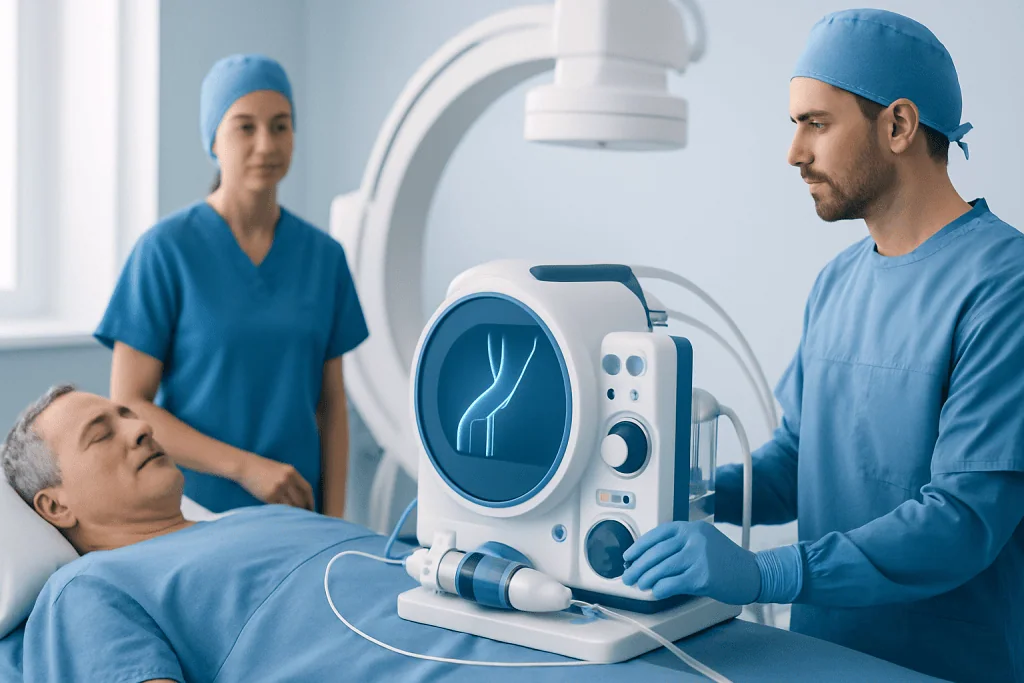
During atherectomy, a specialist guides a thin tube called a catheter through a blood vessel to the area of narrowing. The catheter carries a device designed to shave, sand, cut, or vaporize plaque. Different technologies are used depending on the location of the blockage, the amount of calcium, the shape of the plaque, and the size of the artery.
Common device types include directional atherectomy, rotational atherectomy, orbital atherectomy, and laser atherectomy. Although these systems work differently, the goal is similar: reduce the blockage so blood flow improves and, in many cases, so that a balloon or stent can work more effectively if needed afterward.
A patient may be considered a candidate when artery narrowing is causing significant symptoms such as leg pain during walking, pain at rest, slow-healing foot wounds, or reduced function. Atherectomy may also be considered when imaging shows a blockage that is highly calcified or less suitable for standard balloon treatment alone. The final decision depends on the person’s overall health, kidney function, bleeding risk, anatomy of the artery, and whether other options such as supervised exercise, medicines, angioplasty and stent treatment, or surgery may be more appropriate.
Step by step: what happens during the procedure
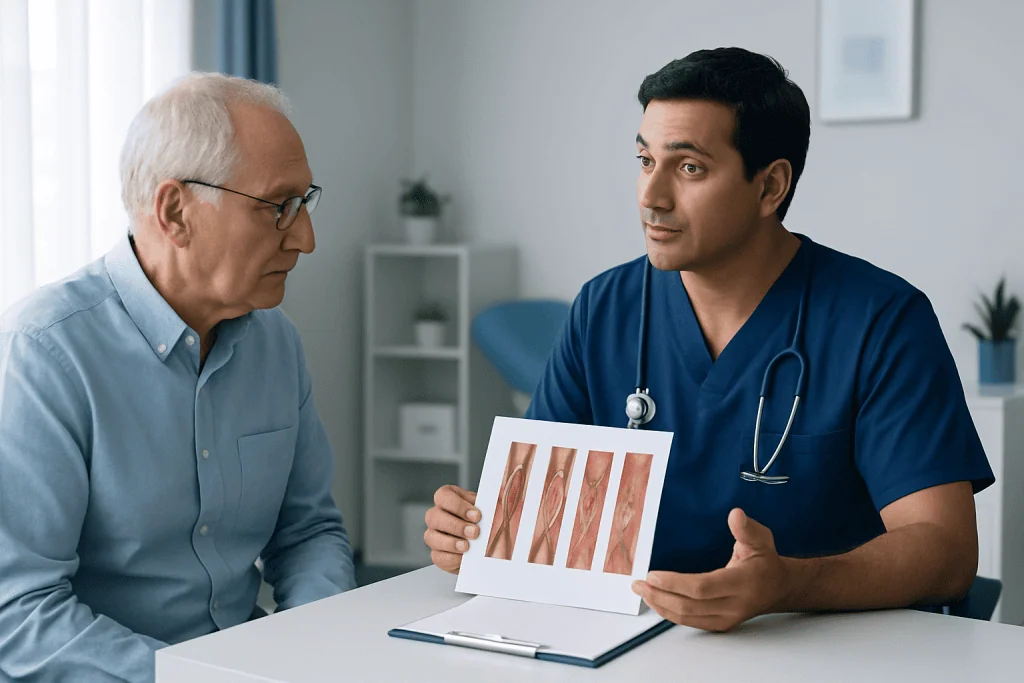
Before atherectomy, the care team reviews symptoms, medical history, allergies, kidney health, and current medicines, including blood thinners. Imaging tests such as Doppler ultrasound, CT angiography, MR angiography, or catheter angiography help define the location and severity of the blockage. Patients are usually asked not to eat or drink for a period before the procedure, depending on the sedation plan.
Atherectomy is usually performed in a catheterization laboratory or interventional suite. The doctor numbs the skin, most often in the groin or sometimes the wrist or another access point, and inserts a catheter into the artery. Through live X-ray guidance, the catheter is moved to the narrowed area. Contrast dye may be used to map the vessel and confirm positioning.
Once in place, the atherectomy device is activated to remove or modify plaque. The doctor may make several passes through the blockage to widen the channel. A small filter device may sometimes be placed beyond the blockage to catch debris. After the plaque is treated, the team may use a balloon to further open the artery or place a stent if it is needed to support the vessel wall. Many patients have this done as part of a broader peripheral vascular disease treatment plan.
At the end of the procedure, the catheter is removed and pressure or a closure device is used to seal the access site. Patients are then monitored for bleeding, circulation changes, blood pressure, heart rhythm, and any immediate complications. Some people go home the same day, while others stay overnight depending on the complexity of the procedure and their overall condition.
Benefits and expected results
The main benefit of atherectomy is improved blood flow through a narrowed artery. In the legs, this may reduce pain during walking, increase walking distance, improve circulation to the feet, and support healing of sores or ulcers related to poor blood supply. In some patients, it can also help preserve limb function by restoring more effective perfusion to tissues.
Atherectomy can be especially useful when plaque contains a large amount of calcium. Calcified plaque can make an artery stiff and difficult to expand with a balloon alone. By modifying or removing some of that plaque first, atherectomy may improve the success of additional endovascular treatments and reduce the need for more invasive surgery in selected patients.
Another advantage is that recovery is typically faster than with open bypass procedures. The incisions are small, hospital stays are often shorter, and many people return to basic daily activities relatively quickly. However, the benefit lasts best when patients continue with the rest of their treatment plan, including smoking cessation, cholesterol control, blood pressure management, diabetes care, and regular follow-up for conditions such as atherosclerosis.
Risks, limitations, and possible complications
Like any procedure involving arteries, atherectomy has potential risks. These include bleeding or bruising at the catheter insertion site, pain, infection, allergic reaction to contrast dye, or kidney strain related to contrast use. Most complications are manageable, but patients should understand them before consenting to treatment.
Procedure-specific risks can include damage to the artery wall, artery perforation, dissection, spasm, clot formation, or a piece of plaque breaking loose and traveling downstream. In some cases, this debris can reduce blood flow to smaller vessels. For this reason, specialists carefully select devices and may use protective filters in appropriate situations.
Another limitation is that atherectomy does not prevent future plaque buildup. Treated arteries may narrow again over time, a process called restenosis. Some patients will need repeat procedures or additional treatments later. The likelihood of re-narrowing depends on the type of artery, the nature of the plaque, whether a stent was used, and how well underlying risk factors are controlled.
Not every blockage is suitable for atherectomy. Very long occlusions, certain vessel shapes, severe kidney disease, unstable medical conditions, or a higher-than-acceptable bleeding risk may make another treatment option safer or more effective. A vascular specialist weighs these factors carefully when planning care.
Recovery timeline and self-care after atherectomy
Recovery after atherectomy is often relatively quick, but the exact timeline varies from person to person. Many patients spend several hours in observation and go home the same day, while others remain in the hospital overnight. Mild soreness or bruising at the access site is common for a few days.
During the first 24 to 48 hours, patients are usually advised to rest, drink fluids if allowed, and avoid strenuous exercise or heavy lifting. The medical team gives instructions about wound care, showering, driving, and when to restart usual activities. Any prescribed antiplatelet or blood-thinning medicines should be taken exactly as directed, because they help reduce the risk of clotting after the procedure.
In the following days to weeks, many people notice improvement in symptoms such as leg discomfort while walking. Even when symptoms improve quickly, follow-up remains important. Doctors may schedule repeat examinations, pulse checks, or ultrasound studies to make sure the artery stays open and circulation is improving.
Self-care after atherectomy focuses on protecting long-term artery health. Helpful steps include:
- Stopping smoking and avoiding tobacco exposure
- Taking cholesterol, blood pressure, diabetes, and antiplatelet medicines as prescribed
- Walking regularly or joining a supervised exercise program if recommended
- Checking the feet and skin daily, especially in people with diabetes or poor circulation
- Attending all follow-up appointments with the vascular team
When to seek medical care
Medical advice should be sought if symptoms of poor circulation develop or worsen. These may include leg pain with walking that limits daily life, pain in the feet at rest, a cold or pale limb, numbness, slow-healing wounds, or skin color changes. These symptoms do not always mean atherectomy is needed, but they do need timely assessment.
After the procedure, urgent medical attention is important if there is severe bleeding from the catheter site, sudden swelling, chest pain, shortness of breath, fever, fainting, or a sudden change in the color, temperature, strength, or sensation of the treated limb. These symptoms can suggest a complication and should not be ignored.
People with diabetes, known vascular disease, prior stroke, kidney disease, or a history of heart disease may benefit from earlier evaluation because circulation problems can progress gradually. A specialist can discuss whether tests, lifestyle treatment, medicine, cardiovascular surgery, or minimally invasive procedures such as atherectomy are most appropriate. Acibadem International’s multidisciplinary specialists in JCI-accredited hospitals diagnose and treat vascular conditions for international patients when advanced assessment or intervention is needed.
Frequently asked questions
Is atherectomy the same as angioplasty?
No. Atherectomy removes or modifies plaque inside the artery, while angioplasty uses a balloon to widen the narrowed area. In some cases, both are used during the same procedure because they can complement each other.
How long does it take to recover from atherectomy?
Many people recover from the immediate procedure within a few days and return to light activities soon after. Full recovery depends on the access site, the arteries treated, and overall health, but improvement in circulation-related symptoms may continue over days to weeks.
Does atherectomy hurt?
Most patients feel pressure rather than significant pain during the procedure because the access site is numbed and sedation may be used. Mild soreness or bruising where the catheter entered the body is common afterward and usually improves quickly.
Who should not have atherectomy?
Atherectomy may not be suitable for everyone. Some patients may be better treated with medicines, exercise therapy, angioplasty, stenting, or surgery depending on the location of the blockage, bleeding risk, kidney function, and the structure of the artery.
Can plaque come back after atherectomy?
Yes. Atherectomy treats an existing blockage, but it does not stop the disease process that causes plaque to form. Long-term control of cholesterol, blood pressure, diabetes, smoking, and exercise habits helps reduce the chance of future narrowing.
Is atherectomy used only in the legs?
No. It is most commonly discussed in the context of peripheral artery disease in the legs, but specialized atherectomy techniques may also be used in selected coronary artery procedures. The decision depends on the artery involved and the type of plaque present.
References
- American Heart Association
- Society for Vascular Surgery
- National Heart, Lung, and Blood Institute
- European Society of Cardiology
- Centers for Disease Control and Prevention
This article is for general information only and is not a substitute for professional medical advice. Please consult a qualified doctor about your individual situation.
Explore treatments in Turkey — costs, top hospitals & a free quote
JCI-accredited · board-certified surgeons · reply within 24h
Add us as a Preferred Source to see more of our trusted health content across Google Search, AI Overviews and Discover.
Check your numbers in seconds
BMI, calories, due date, blood pressure and 30+ more clinical calculators — free, instant, doctor-reviewed ranges.