What Causes Grey Hair? Causes, Explanations, and Next Steps

Grey hair is usually a normal part of aging and is often inherited. Hair turns grey when pigment-making cells in hair follicles produce less melanin over time.
Key Takeaways
- Grey hair is usually a normal part of aging and is often inherited.
- Hair turns grey when pigment-making cells in hair follicles produce less melanin over time.
- Smoking, oxidative stress, and some nutrient deficiencies may contribute to earlier greying.
- Sudden, patchy, or unusually early grey hair may warrant medical assessment.
- A doctor may review family history, medications, scalp changes, and blood tests to look for treatable causes.
What causes grey hair most often is a natural drop in pigment production as people age, strongly influenced by genetics. In some cases, earlier or sudden greying can be linked to lifestyle factors, oxidative stress, or medical conditions that deserve a doctor's review.
Overview: Why Hair Turns Grey
For most people, grey hair is harmless and is mainly caused by aging and genetics. Hair turns grey when melanocytes, the cells that give hair its color, gradually make less melanin inside the hair follicle. As pigment decreases, new hair grows in silver, grey, or white instead of its previous shade.
The timing is highly individual. Some people notice their first grey hairs in their 20s or 30s, while others keep their natural color much longer. Family history often explains this difference better than any single lifestyle factor.
Even though greying is usually a normal change, some patterns deserve closer attention. Early greying, a sudden increase in grey hair, or greying along with hair loss, skin color changes, fatigue, or other symptoms can sometimes point to an underlying issue. In those situations, a medical review can help rule out treatable causes.
How Hair Gets Its Color
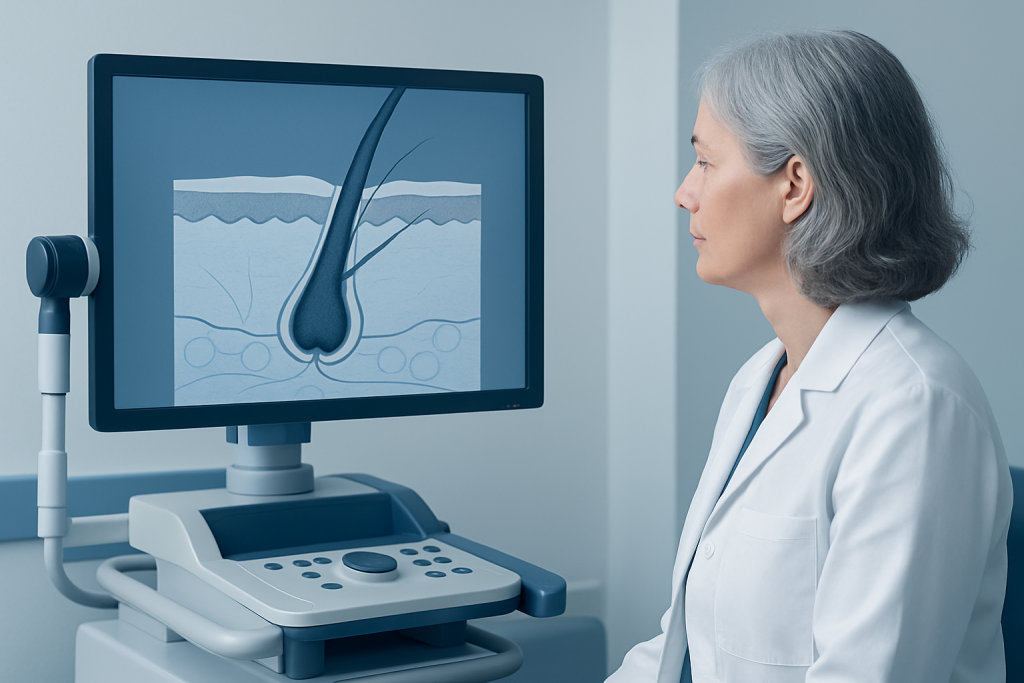
Each hair grows from a follicle in the skin. Inside the follicle are melanocytes, which produce melanin, the pigment responsible for hair color. The amount and type of melanin help determine whether hair appears black, brown, blonde, red, or somewhere in between.
Hair color is not fixed forever. During each growth cycle, the follicle has to keep producing pigment for the new strand. Over time, melanocytes become less active and fewer pigment-producing stem cells remain available. When there is less pigment, hair may first look lighter or duller, then become grey, silver, or white.
This process does not usually affect only one strand at a time in a predictable way. People often notice a mixture of pigmented and non-pigmented hairs, especially at the temples or hairline. That is why greying often appears gradual, even though some people feel it happened very quickly.
Common Causes of Grey Hair

The most common answer to what causes grey hair is natural aging. As the years pass, the pigment system in the follicle becomes less efficient. This age-related change is expected and does not mean the hair or scalp is unhealthy.
Genetics also plays a major role. If parents or close relatives developed grey hair early, the same pattern may appear in younger family members. Ethnic background can also influence the average age when greying begins.
Other factors may contribute to earlier greying in some people. These include:
- Smoking: tobacco exposure is linked with oxidative stress that may affect hair follicles.
- Oxidative stress: an imbalance between damaging molecules and the body’s protective systems may influence melanocytes.
- Nutritional factors: low levels of certain nutrients, such as vitamin B12, iron, copper, or folate, may be associated with changes in hair pigmentation in some cases.
- Medical conditions: thyroid disease, autoimmune disorders, and certain pigment disorders can sometimes be involved.
- Some medications or treatments: while less common, hair color changes can occasionally appear alongside other treatment-related hair changes.
Stress is often blamed for grey hair, and it may play a role through biological stress pathways, but it is rarely the only explanation. In everyday life, greying usually reflects a mix of aging, inherited tendency, and environmental influences rather than a single cause.
When Grey Hair May Signal a Medical Issue
Grey hair on its own is usually not a disease. Still, doctors may look more closely when greying starts unusually early, appears suddenly, or occurs together with other symptoms. This is especially true if there is no family history of early greying.
Conditions that may be considered include thyroid disorders, vitamin B12 deficiency, iron deficiency, autoimmune conditions, and disorders that affect skin or hair pigment. For example, patchy loss of pigment may occur with vitiligo, and scalp inflammation or hair shedding may suggest a separate hair disorder rather than simple aging.
Doctors also pay attention to associated signs such as unusual tiredness, numbness, weight change, digestive symptoms, brittle nails, or changes in the skin. If hair thinning is present too, evaluation may include other causes of shedding or reduced density, such as hair loss. Looking at the full pattern helps distinguish normal greying from a condition that may need treatment.
How Doctors Diagnose the Cause
If a person seeks care for early or sudden greying, the doctor usually begins with a history and physical examination. They may ask when the greying started, whether it runs in the family, whether there has been recent illness or major stress, and whether any medicines, supplements, or hair treatments are being used.
The scalp and hair are then examined for signs of inflammation, patchy pigment loss, breakage, or thinning. Skin, nails, and eyebrows may also be checked because they can provide clues to nutritional, autoimmune, or endocrine conditions.
When the pattern suggests more than normal aging, blood tests may be recommended. These can include thyroid function tests, vitamin B12, iron studies, folate, and other tests based on symptoms and examination findings. If scalp disease is suspected, a dermatologist may use closer scalp assessment or recommend targeted testing. Imaging is not usually needed for routine grey hair evaluation.
Treatment Options and What Can Be Improved
There is no proven way to fully reverse normal age-related greying once the follicle has lost pigment production. When greying is mainly genetic or age-related, treatment focuses more on cosmetic preference than medical necessity.
If a treatable underlying cause is found, addressing it may help overall hair and health, though natural color does not always return. For example, correcting a deficiency or managing thyroid disease may improve the environment around the hair follicle, but results vary from person to person.
Some people choose hair dyes or salon-based color services, while others prefer to keep their natural grey hair. If hair texture, shedding, or scalp symptoms are also a concern, a dermatologist may advise medical scalp care or evaluation options such as dermatology assessment or, in selected cases with significant hair loss, hair restoration procedures. Treatment decisions are individualized and should match the person’s health needs and goals.
Self-care, Prevention, and Healthy Hair Habits
Because genetics and aging are the biggest drivers of grey hair, prevention is limited. Still, supportive habits may help protect general hair and scalp health. Not smoking, eating a balanced diet, managing chronic conditions, and avoiding harsh chemical or heat exposure can all be reasonable steps.
A nutritious eating pattern that includes protein, iron-rich foods, and adequate vitamins and minerals supports hair growth overall. People who suspect a deficiency should speak with a clinician before taking high-dose supplements, since not every supplement is helpful and some can be harmful in excess.
Gentle hair care can also make grey hair easier to manage. Grey hair may feel drier, coarser, or more fragile to some people, so mild shampoos, conditioners, and reduced heat styling may help. If there is concern about scalp irritation, dandruff, or hair thinning, evaluation by a skin and scalp specialist may be useful.
Near the end of the care pathway, some patients seek broader specialist input when grey hair appears alongside pigment, endocrine, or hair-loss concerns. Acibadem International’s multidisciplinary specialists in JCI-accredited hospitals evaluate and treat these conditions for international patients when needed.
When to Seek Medical Care
Medical care is worth considering if grey hair appears very early, develops suddenly, or is accompanied by other changes such as hair loss, scalp rash, patchy lightened skin, fatigue, weakness, numbness, or unexplained weight change. These features do not always mean there is a serious problem, but they can justify a professional assessment.
A doctor should also be consulted if there are signs of poor nutrition, a personal or family history of autoimmune disease, or concern that a medicine or illness may be affecting the hair. Children or teenagers with noticeable greying should be assessed rather than assuming it is normal.
Prompt review can help identify whether the change is simply inherited and harmless or whether blood tests, dermatology review, or treatment of an underlying condition would be helpful. Reassurance is often the main outcome, but evaluation can be valuable when the pattern seems unusual.
Frequently asked questions
Is grey hair always caused by aging?
No. Aging is the most common cause, but genetics strongly affects when greying starts. In some people, smoking, oxidative stress, nutrient deficiencies, or medical conditions may contribute to earlier greying.
Can stress cause grey hair?
Stress may play a role, but it is usually not the only reason. Most grey hair develops from a combination of aging, inherited tendency, and biological changes inside the hair follicle.
Can vitamin deficiencies cause grey hair?
Some deficiencies, especially vitamin B12 deficiency, may be associated with premature greying in certain people. Iron, folate, and copper may also be considered depending on symptoms and medical history. A doctor can advise whether testing is appropriate.
Can grey hair turn back to its original color?
When greying is due to natural aging or genetics, color usually does not fully return. If an underlying medical issue is identified and treated, some improvement may occur, but this is not guaranteed.
At what age is grey hair considered premature?
There is no single age that applies to everyone because genetics and ethnic background influence normal timing. Doctors are more likely to investigate when greying starts much earlier than expected for the individual or family pattern, especially with other symptoms.
Should someone see a doctor for grey hair?
Most people do not need medical care for grey hair alone. A review is reasonable if greying is sudden, very early, patchy, or linked with hair loss, fatigue, skin color changes, or other health concerns.
References
- American Academy of Dermatology
- National Institute on Aging
- National Library of Medicine
- NHS
- Mayo Clinic
This article is for general information only and is not a substitute for professional medical advice. Please consult a qualified doctor about your individual situation.
Hair transplant in Turkey — costs, graft counts & a free assessment
JCI-accredited · board-certified surgeons · reply within 24h
Add us as a Preferred Source to see more of our trusted health content across Google Search, AI Overviews and Discover.