Retroperitoneum — Explained by Medical Evidence, Not Myths

The retroperitoneum is an anatomical space behind the abdominal lining, not a disease itself. It contains the kidneys, adrenal glands, pancreas, parts of the intestines, ureters, and major blood vessels.
Key Takeaways
- The retroperitoneum is an anatomical space behind the abdominal lining, not a disease itself.
- It contains the kidneys, adrenal glands, pancreas, parts of the intestines, ureters, and major blood vessels.
- Symptoms vary widely and may include abdominal or back pain, a mass, digestive changes, urinary symptoms, fever, or weight loss.
- Evaluation often relies on physical examination, blood and urine tests, and imaging such as ultrasound, CT, or MRI.
- Treatment depends on the cause and may involve observation, medicines, drainage procedures, or surgery.
- Persistent pain, unexplained weight loss, fever, vomiting, or blood in urine should be assessed by a doctor.
The retroperitoneum is the part of the abdomen located behind the thin lining called the peritoneum. It contains several important organs and blood vessels, so problems in this space can cause back, abdominal, urinary, digestive, or general symptoms depending on the underlying condition.
What the Retroperitoneum Is
The retroperitoneum is the area in the abdomen that lies behind the peritoneum, the thin membrane that lines much of the abdominal cavity. It is not an organ by itself. Instead, it is a space that contains several organs, tubes, nerves, lymphatic structures, and major blood vessels. Understanding this anatomy helps explain why symptoms from retroperitoneal problems can seem varied or vague.
Important structures in the retroperitoneum include the kidneys, adrenal glands, ureters, most of the pancreas, the duodenum, parts of the colon, the abdominal aorta, and the inferior vena cava. Because so many essential structures pass through this area, disorders affecting the retroperitoneum can involve the urinary system, digestive system, endocrine organs, blood vessels, or nearby nerves.
Many people first encounter the term after an imaging test such as ultrasound or CT scan, or when discussing a condition like a retroperitoneal mass, bleeding, infection, or fibrosis. In some cases, the problem begins in a retroperitoneal organ, such as the kidney or pancreas. In others, it begins in the tissues around these organs.
Why the Retroperitoneum Matters in Medicine
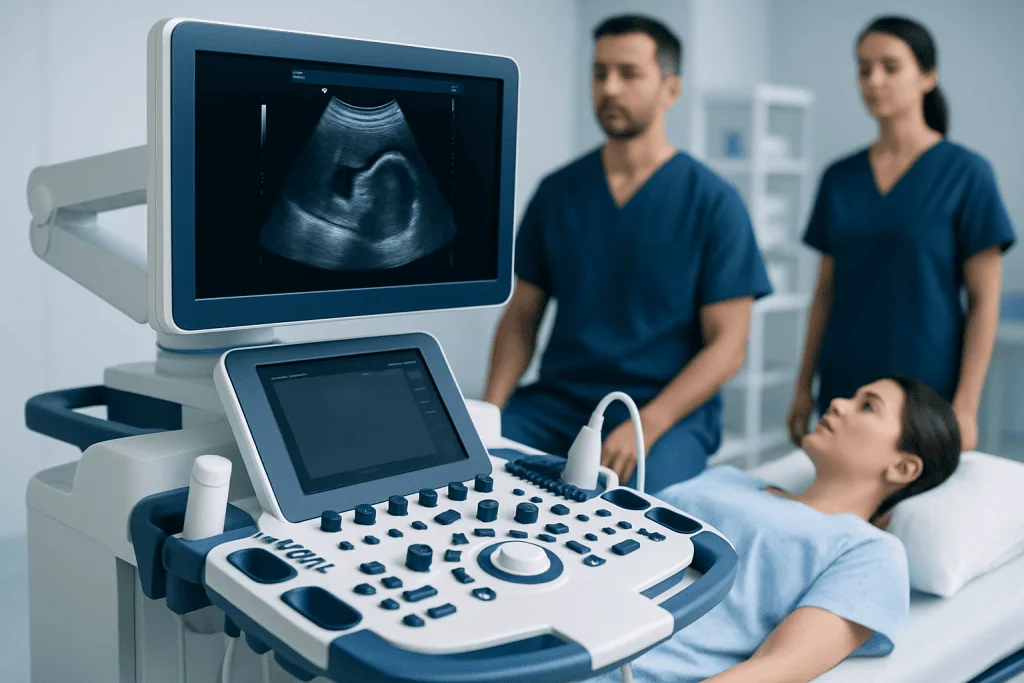
The retroperitoneum matters because conditions in this area can be harder to recognize early. Unlike disorders inside the hollow stomach or intestines, retroperitoneal problems may not immediately cause obvious digestive symptoms. A person may feel dull back pain, pressure, bloating, fatigue, or notice only general changes such as reduced appetite or unexplained weight loss.
This area also has room for a problem to grow before it becomes noticeable. For example, a fluid collection, bleeding, or tumor may enlarge gradually and produce symptoms only after pressing on nearby organs, nerves, or blood vessels. This does not always mean the condition is severe, but it is one reason timely assessment is important.
Clinicians often think about the retroperitoneum when evaluating kidney disorders, pancreatic disease, unexplained abdominal masses, trauma, and certain inflammatory or cancer-related conditions. Related illnesses may include pancreatic cancer or kidney cancer when disease starts in one of the organs located in this space.
Common Symptoms of Retroperitoneal Problems

Symptoms depend on which structure is affected and whether the cause is inflammatory, infectious, vascular, traumatic, or cancer-related. Some people have no symptoms at first, and the issue is found on imaging done for another reason. Others develop discomfort that is difficult to describe because the retroperitoneum lies deep in the abdomen.
Possible symptoms can include abdominal pain, flank pain, lower back pain, a feeling of fullness, nausea, vomiting, constipation, urinary changes, swelling in the legs, fever, fatigue, or unintentional weight loss. If the kidneys or ureters are involved, there may be blood in the urine, pain with urination, or reduced urine flow. If the pancreas is involved, pain may spread to the back and may be associated with digestive symptoms.
Symptoms that deserve medical attention include:
- Persistent or worsening abdominal, side, or back pain
- A new lump or abdominal fullness
- Fever, chills, or signs of infection
- Vomiting, inability to eat, or severe bloating
- Blood in the urine or major changes in urination
- Unexplained weight loss or marked fatigue
These symptoms do not automatically mean a serious disease is present, but they do justify proper evaluation, especially if they persist.
Causes and Types of Conditions in the Retroperitoneum
Retroperitoneal conditions can be grouped by cause. Infections may lead to abscesses or inflamed tissue, sometimes related to bowel disease, urinary tract spread, or surgery. Injury and trauma can cause bleeding into the retroperitoneal space. Inflammatory disorders such as retroperitoneal fibrosis may lead to scarring that traps the ureters and affects kidney drainage.
Growths in this area may be benign or malignant. A retroperitoneal mass can arise from fat, connective tissue, nerves, lymph nodes, blood vessels, or nearby organs. Some masses are primary tumors of the retroperitoneal tissues, while others spread from another site. Problems affecting nearby organs, such as the kidneys, adrenals, pancreas, or colon, may also appear as retroperitoneal disease on imaging.
Vascular conditions are also important. Enlargement or rupture of major blood vessels can affect the retroperitoneum, and bleeding may occur after trauma or certain medical procedures. Digestive and urinary conditions may spread into this space as well. When clinicians suspect an organ-based cause, evaluation may include pathways related to pancreatitis or kidney stones depending on the symptoms and test results.
Risk factors vary by condition and may include smoking, previous abdominal surgery, chronic inflammatory disease, certain cancers, trauma, blood-thinning medicines, family history, or older age. Still, some retroperitoneal disorders develop without a clear risk factor.
How Doctors Diagnose Retroperitoneal Disorders
Diagnosis starts with a careful history and physical examination. The doctor asks where the pain is located, how long symptoms have been present, whether there is fever or weight loss, and whether urinary or digestive changes have occurred. Information about prior surgery, injuries, medications, and family history can also be relevant.
Blood and urine tests may help detect infection, inflammation, anemia, kidney dysfunction, or signs of bleeding. However, imaging is often central to diagnosis because the retroperitoneum is deep and cannot be fully assessed by examination alone. Ultrasound may be used as an initial test, especially for kidney-related concerns, but CT scan is commonly the most informative test for evaluating the retroperitoneal space. MRI may be helpful for characterizing soft tissues or planning treatment.
In some situations, a biopsy is needed to confirm the diagnosis of a mass or unexplained thickening. This is often done with image guidance. If the suspected problem involves a specific organ, additional endoscopic or specialty testing may be recommended. For example, doctors may use MRI to define the extent of disease or CT scan to identify bleeding, obstruction, or masses more clearly.
Treatment Options and What They Depend On
Treatment for a retroperitoneal problem depends entirely on the cause, size, location, symptoms, and whether nearby organs are affected. Some findings can be monitored with repeat imaging if they are small, stable, and not causing harm. Others require more active treatment because they are painful, infected, bleeding, blocking urine flow, or suspicious for cancer.
Medicines may be used for infection, pain control, inflammation, or treatment of an underlying disease. If there is a fluid collection or abscess, drainage may be needed. If the ureters are compressed and the kidneys are at risk, doctors may place a stent or take other measures to restore urine flow. Conditions involving the pancreas, kidneys, or blood vessels are often managed by a multidisciplinary team.
Surgery may be recommended for selected masses, uncontrolled bleeding, obstruction, or confirmed tumors. Surgical planning depends on the exact location and the structures involved. When disease affects the pancreas or another retroperitoneal organ, care may include treatment for pancreatic cancer or kidney cancer treatment if appropriate after specialist assessment.
Near the end of the care pathway, patients may benefit from coordinated follow-up with radiology, surgery, oncology, nephrology, urology, or gastroenterology. Acibadem International’s multidisciplinary specialists and JCI-accredited hospitals diagnose and treat retroperitoneal conditions for international patients when advanced evaluation is needed.
Self-care, Monitoring, and Recovery
Self-care does not replace medical treatment for a retroperitoneal disorder, but it can support recovery and symptom monitoring. People being observed for a stable finding should keep follow-up appointments and imaging on schedule. Changes in pain, appetite, weight, urination, bowel habits, or energy level should be reported to the care team.
General recovery advice depends on the diagnosis but often includes staying hydrated, taking medicines exactly as prescribed, avoiding tobacco, and following dietary instructions if the pancreas, kidneys, or bowel are involved. After surgery or drainage procedures, rest, wound care, and gradual return to activity are usually recommended according to the treating team’s instructions.
It can also help to keep a symptom diary. Recording pain patterns, fever, vomiting, urine changes, or bloating can make follow-up visits more useful. Patients should avoid self-diagnosing based on anatomy alone, because symptoms in this area overlap with many common conditions and require professional assessment.
When to Seek Medical Care
Medical care should be sought promptly for severe abdominal, flank, or back pain, especially if it begins suddenly or follows an injury. Emergency assessment is also important for fainting, heavy bleeding, severe weakness, high fever, persistent vomiting, or trouble passing urine. These symptoms may indicate bleeding, obstruction, infection, or another urgent problem.
A non-emergency medical visit is appropriate for ongoing discomfort, a feeling of fullness, unexplained weight loss, repeated urinary symptoms, or abnormal test results that mention the retroperitoneum. Even when symptoms seem mild, persistence matters. A clear diagnosis often requires imaging and sometimes specialist review.
Early assessment helps doctors determine whether the issue is benign and self-limited or whether treatment is needed to protect nearby organs. Reassuringly, many retroperitoneal findings are manageable once the cause is identified and a structured treatment plan is in place.
Frequently asked questions
Is the retroperitoneum an organ?
No. The retroperitoneum is an anatomical space behind the lining of the abdomen called the peritoneum. It contains important organs and structures, including the kidneys, pancreas, adrenal glands, ureters, and major blood vessels.
What organs are in the retroperitoneum?
Key retroperitoneal organs and structures include the kidneys, adrenal glands, ureters, most of the pancreas, the duodenum, parts of the colon, the aorta, and the inferior vena cava. Because several body systems are involved, symptoms can vary widely depending on the cause.
Can retroperitoneal problems cause back pain?
Yes. Because the retroperitoneum is deep in the abdomen and close to the back, pain may be felt in the flank or lower back rather than the front of the abdomen. This type of pain can occur with kidney conditions, inflammation, bleeding, masses, or pancreatic disease.
What is a retroperitoneal mass?
A retroperitoneal mass is an abnormal growth found in the retroperitoneal space. It may be benign, malignant, inflammatory, or related to an organ such as the kidney or pancreas, so imaging and sometimes biopsy are needed to determine exactly what it is.
How is a retroperitoneal condition diagnosed?
Doctors usually combine a medical history, physical examination, blood and urine tests, and imaging studies. CT and MRI are often especially useful because they show deep structures more clearly and help define the size, location, and effects of a lesion or fluid collection.
Are all retroperitoneal findings serious?
No. Some are incidental findings that can simply be monitored, while others need treatment because they cause symptoms or affect nearby organs. The seriousness depends on the cause, whether it is growing, and whether it is linked to infection, bleeding, obstruction, or cancer.
References
- National Institute of Diabetes and Digestive and Kidney Diseases
- National Cancer Institute
- American College of Radiology
- Cleveland Clinic
- Merck Manual Consumer Version
This article is for general information only and is not a substitute for professional medical advice. Please consult a qualified doctor about your individual situation.
Explore treatments in Turkey — costs, top hospitals & a free quote
JCI-accredited · board-certified surgeons · reply within 24h
Add us as a Preferred Source to see more of our trusted health content across Google Search, AI Overviews and Discover.

More from the Health Library



Related Specialists

Dt. Rabia Aybala Uslu
Oral & Dental Health
Prof. Dr. Can Çalışkan
Gastrointestinal Oncology Unit Clinical Service
Prof. Dr. Yaşar Ünlü
Otorhinolaryngology
Prof. Dr. Yusuf Serdar Sakın
Gastroenterology