Do Stretch Marks Go Away? A Doctor-Reviewed Answer

Stretch marks are common and usually harmless. They often fade from red or purple to lighter, less visible lines over months or years.
Key Takeaways
- Stretch marks are common and usually harmless.
- They often fade from red or purple to lighter, less visible lines over months or years.
- Most stretch marks do not vanish completely without treatment.
- A doctor may review skin changes, weight changes, growth, pregnancy history, and medication use to confirm the cause.
- Medical review is important if stretch marks appear suddenly, are widespread, painful, or occur with other hormonal symptoms.
- Treatments may improve texture and color, but results vary and complete removal is unlikely.
Do stretch marks go away? In most people, stretch marks are harmless and often become less noticeable with time, but they usually do not disappear completely. A doctor can help confirm the cause, rule out uncommon medical reasons, and discuss treatments that may improve their appearance.
Overview: Do stretch marks go away?
Yes—stretch marks usually become less noticeable over time, but they rarely go away completely. In the early stage, they may look red, purple, pink, or dark brown depending on skin tone. Later, they typically fade and flatten, becoming lighter or less distinct than the surrounding skin.
Stretch marks are very common and are usually harmless. They happen when the skin stretches faster than its supportive fibers can adapt, such as during puberty, pregnancy, body-building, or weight changes. For many people, they are mainly a cosmetic concern rather than a sign of disease.
It is still worth paying attention to how and when they appear. If stretch marks develop very suddenly, cover large areas, or are accompanied by symptoms such as easy bruising, muscle weakness, irregular periods, or long-term steroid use, a doctor may look for an underlying hormonal or medical cause. In most cases, though, reassurance and practical skin care are the first steps.
What stretch marks are and why they look different over time
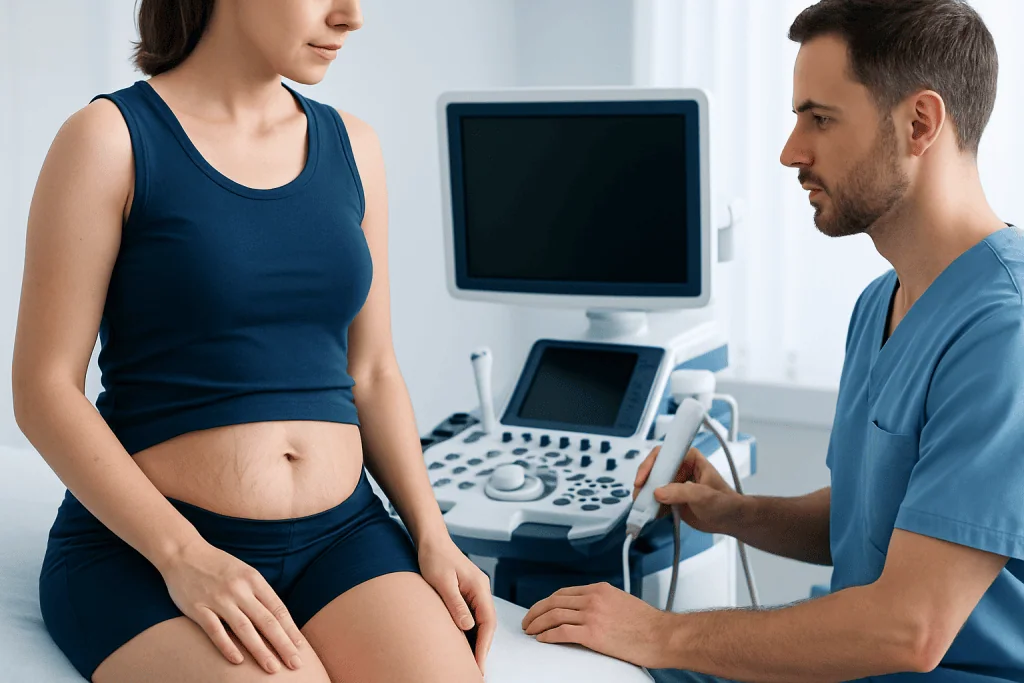
Stretch marks, also called striae, are lines that form when the deeper layers of the skin are stretched enough to affect collagen and elastin. These proteins help the skin stay firm and elastic. When they are disrupted, narrow streaks or bands can appear on areas such as the abdomen, breasts, hips, thighs, buttocks, upper arms, or lower back.
Doctors often describe two broad stages. Newer stretch marks may be slightly raised and more colorful—red, purple, pink, or darker than nearby skin. Older stretch marks usually become paler, smoother, and less noticeable. This natural fading is one reason people often feel better about them with time, even without treatment.
The appearance of stretch marks varies with skin tone, age, and cause. They may be wide or narrow, few or many, and can feel mildly itchy when first developing. Although many people search for ways to erase them, it helps to know that most treatments focus on improvement rather than complete removal.
Common causes and risk factors

Stretch marks are most often linked to periods of rapid body change. Common examples include pregnancy, adolescence, rapid weight gain or weight loss, and fast increases in muscle size from intensive strength training. Family history also matters, so some people are simply more likely to develop them than others.
Certain medical factors can raise the risk. Long-term use of corticosteroid creams, tablets, or injections may weaken the skin over time. Conditions that affect hormones, especially excess cortisol, can also lead to wider or more prominent stretch marks. In some people, stretch marks appear alongside acne, increased body hair, fatigue, or changes in blood pressure or blood sugar, which may prompt a broader evaluation.
Stretch marks themselves are not the same as scars from cuts or surgery, and they are not contagious. They also differ from skin conditions such as eczema or inflammatory rashes, which often cause redness, scaling, or irritation. When the diagnosis is uncertain, especially if the skin has unusual color changes or itching, a dermatologist can help distinguish among possible causes.
Symptoms and when to seek medical care
The most typical symptom is the appearance of streak-like lines on the skin. Early stretch marks may feel mildly itchy or sensitive, but they are not usually painful. Over time, they often become flatter and softer, with less color contrast.
Because stretch marks are generally harmless, many people do not need medical treatment. However, medical review is sensible if they appear suddenly without an obvious reason, are unusually wide or extensive, or develop together with other changes such as easy bruising, muscle weakness, severe fatigue, unexplained weight gain, menstrual changes, or thinning skin. These features can sometimes point to a hormone-related problem rather than ordinary skin stretching.
A doctor should also assess stretch marks if the diagnosis is unclear or if the skin is painful, bleeding, or repeatedly inflamed. Cosmetic distress matters too. If stretch marks are affecting self-confidence or quality of life, a skin specialist can explain realistic options, likely benefits, and any limits of treatment.
How a doctor diagnoses the cause
Diagnosis usually begins with a clinical history and skin examination. A doctor will ask when the marks first appeared, whether they changed color or size, and whether there has been a recent growth spurt, pregnancy, weight change, muscle gain, or use of steroid medications. They may also ask about family history and symptoms that suggest a hormonal condition.
In many cases, no tests are needed because the pattern is typical. If the stretch marks are unusual or there are red flags, a doctor may check for endocrine causes. This can involve blood or urine tests and, when appropriate, referral to a specialist in hormones or skin health. The goal is not only to identify stretch marks but also to rule out uncommon conditions that may need treatment.
When appearance is a major concern, the doctor may discuss the age of the stretch marks, skin type, and treatment expectations before planning care. Newer marks often respond better than older ones. If another skin condition is present, such as acne scarring or pigment changes, these may influence the treatment plan as well.
Treatment options: what can improve stretch marks?
No treatment can guarantee complete removal of stretch marks, but several approaches may help them look less visible. The best option depends on how new the marks are, their color, skin tone, location, and personal goals. A doctor will usually explain that improvement is gradual and may require multiple sessions or consistent skin care over time.
For newer stretch marks, prescription creams such as retinoid-based products may sometimes help improve appearance, though they are not suitable during pregnancy. Moisturizers can reduce dryness and support skin comfort, but they do not erase established stretch marks. Procedures such as microneedling, radiofrequency-based treatments, chemical peels, and laser treatment may improve texture or pigment in selected patients.
Some people benefit from specialist aesthetic care when stretch marks are a significant cosmetic concern. Depending on the skin assessment, a doctor may discuss options offered through dermatology or, in selected cases, supportive care within medical aesthetics. Results vary from person to person, and darker or very sensitive skin may need extra care to reduce the risk of irritation or pigment changes.
Acibadem International’s multidisciplinary specialists in JCI-accredited hospitals diagnose skin concerns and advise on suitable treatment options for international patients, especially when stretch marks need medical assessment or tailored cosmetic management.
Self-care, prevention, and realistic expectations
There is no proven way to prevent all stretch marks, especially when genetics play a strong role. Still, gradual rather than rapid weight change may help reduce the strain on skin. During pregnancy, puberty, or fitness training, focusing on steady changes and good general nutrition may support overall skin health, even though it cannot fully prevent striae.
Daily moisturizing can help with dryness and mild itching when stretch marks are new, and sun protection may reduce contrast between stretch marks and surrounding skin. Tanning does not remove them and can sometimes make them more noticeable. Gentle skin care is usually better than repeated use of harsh scrubs or unproven home remedies that may irritate the skin.
It is also important to set realistic goals. Stretch marks often soften and fade naturally, and many become much less visible with time. Treatments may improve color, texture, or width, but complete disappearance is uncommon. A qualified doctor can help decide whether watchful waiting, skin care, or a procedure is the most reasonable next step.
Living with stretch marks and knowing what is normal
For many people, stretch marks are part of normal body change rather than a medical problem. They can appear during healthy growth, pregnancy, or weight shifts and do not mean the skin is unhealthy. Understanding that they are common often makes them easier to accept, especially as they usually become less obvious over time.
Body image concerns are still valid. Some people prefer treatment, while others choose not to do anything beyond basic skin care. Neither choice is wrong. The most helpful approach is one based on accurate information, realistic expectations, and personal comfort rather than pressure to make the skin look “perfect.”
If a person is unsure whether their skin changes are ordinary stretch marks or another condition, a medical review can provide reassurance. This is particularly important if the lines are changing quickly or occur with symptoms that suggest a broader health issue. In most cases, though, the outlook is reassuring: stretch marks are benign and usually fade, even if they do not fully disappear.
Frequently asked questions
Do stretch marks ever disappear completely?
Usually, no. Stretch marks often fade and become flatter over time, but complete disappearance is uncommon. Treatments may improve how they look, especially when the marks are newer.
How long does it take for stretch marks to fade?
This varies from person to person. In many cases, newer stretch marks gradually lighten over months to years. Their final appearance depends on skin tone, age, cause, and whether treatment is used.
Are stretch marks a sign of a health problem?
Most of the time, no. They are commonly linked to normal body changes such as pregnancy, puberty, growth spurts, or weight change. A doctor may investigate further if they appear suddenly, are very widespread, or occur with symptoms suggesting a hormonal condition.
Can losing weight remove stretch marks?
Weight loss does not usually remove stretch marks once they have formed. In some people, a stable weight may make them less noticeable over time, but the marks themselves often remain. Rapid weight loss can also create new skin changes, so gradual changes are generally better.
What treatment works best for stretch marks?
There is no single best treatment for everyone. Newer marks may respond better to prescription creams or procedures such as laser-based therapy or microneedling, while older marks are harder to improve. A dermatologist can recommend an option based on skin type, mark age, and treatment goals.
Can moisturizers or natural oils get rid of stretch marks?
Moisturizers and oils can help with dryness and may make the skin feel smoother, but they usually do not remove established stretch marks. Some people like using them for comfort, especially when marks are new and itchy. It is best to choose gentle products that do not irritate the skin.
References
- American Academy of Dermatology
- National Health Service
- Mayo Clinic
- Cleveland Clinic
- Merck Manual Consumer Version
This article is for general information only and is not a substitute for professional medical advice. Please consult a qualified doctor about your individual situation.
Explore treatments in Turkey — costs, top hospitals & a free quote
JCI-accredited · board-certified surgeons · reply within 24h
Add us as a Preferred Source to see more of our trusted health content across Google Search, AI Overviews and Discover.
Check your numbers in seconds
BMI, calories, due date, blood pressure and 30+ more clinical calculators — free, instant, doctor-reviewed ranges.

More from the Health Library



Related Specialists
Fzt. Perihan Yıldız
Physical Medicine & Rehabilitation
Dr. Seyfettin Aslan
Otorhinolaryngology
Assoc. Prof. Dr. Hande Turan
Pediatric Endocrinology
Dr. Sırrı Özkan
General Surgery