Wiping — Explained by Medical Evidence, Not Myths

Wiping should clean the area gently without excessive rubbing or repeated friction. For most people, wiping from front to back helps reduce the spread of bacteria toward the urinary tract or genitals.
Key Takeaways
- Wiping should clean the area gently without excessive rubbing or repeated friction.
- For most people, wiping from front to back helps reduce the spread of bacteria toward the urinary tract or genitals.
- Moisture, harsh paper, scented wipes, and aggressive cleaning can irritate sensitive skin.
- Pain, bleeding, itching, discharge, or a persistent feeling of incomplete cleaning may need medical evaluation.
- Bidets, unscented wipes, and careful drying can help when standard toilet paper causes irritation.
Wiping is a simple daily hygiene habit, but technique matters. Gentle, thorough wiping in the right direction helps reduce irritation, discomfort, and the spread of bacteria, while symptoms such as pain or bleeding may point to an underlying medical issue.
What wiping means and why technique matters
Wiping refers to cleaning the anal and genital area after urination or a bowel movement. Medical guidance is less about rigid rules and more about reducing irritation, keeping the area clean, and lowering the chance that bacteria from stool spread to nearby skin or the urinary tract. In everyday practice, the best approach is gentle, thorough cleaning without over-scrubbing.
Many myths suggest that stronger wiping is cleaner, but evidence and clinical experience point in the opposite direction. The skin around the anus and genitals is delicate. Repeated friction, rough toilet paper, or scented hygiene products can disrupt the skin barrier, leading to burning, itching, and soreness.
The right wiping method can also matter more for some people than others. Infants, older adults, people with diarrhea, hemorrhoids, limited mobility, urinary tract infections, or sensitive skin may need extra care. Good hygiene can support comfort, but it should not cause pain or make skin symptoms worse.
How to wipe properly after urination or a bowel movement
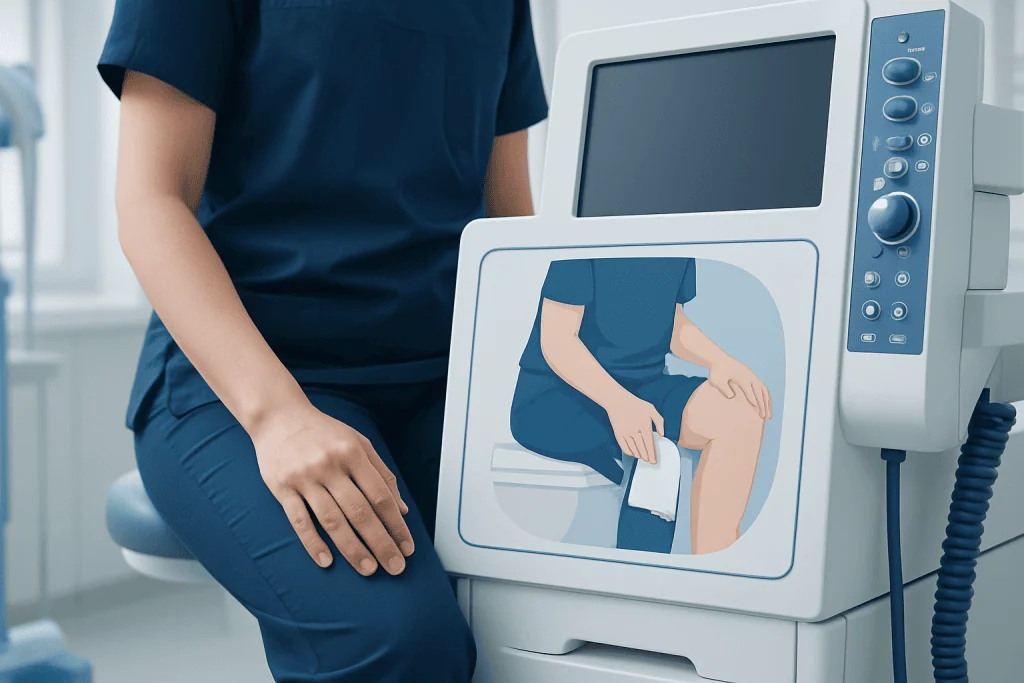
After urination, most people only need gentle wiping or dabbing to remove moisture. Rubbing is usually unnecessary. The goal is to leave the skin dry and comfortable, because trapped moisture can contribute to irritation or skin breakdown, especially in hot weather or in people who wear absorbent pads.
After a bowel movement, wiping should remove stool with as little friction as possible. For people with female anatomy, wiping from front to back is generally recommended because it helps reduce the transfer of bacteria toward the urethra and vagina. For people with male anatomy, direction is usually less critical than being thorough and gentle, though cleaning away from the urethral opening may still be more comfortable.
A practical routine may include the following:
- Use soft, unscented toilet paper when possible.
- Wipe gently rather than scrubbing.
- Repeat with clean sections of paper until the area looks clean.
- If needed, use water, a bidet, or an unscented moistened wipe.
- Pat the area dry afterward so moisture does not remain on the skin.
If wiping takes many attempts, it may be helpful to consider whether stool consistency, hemorrhoids, skin folds, or incomplete bowel emptying are contributing. In some cases, medical evaluation can identify conditions such as hemorrhoids or digestive problems that make hygiene more difficult.
Common problems linked to wiping

Wiping itself does not usually cause disease, but poor technique or excessive cleaning can contribute to discomfort. Common symptoms include itching, burning, redness, soreness, or a raw feeling around the anus or genitals. These symptoms may come from friction, retained stool, moisture, soaps, perfumes, alcohol-based wipes, or skin sensitivity.
Some people notice small spots of bright red blood on toilet paper. This can happen with minor skin irritation, constipation, or anal conditions such as fissures and hemorrhoids. If wiping is painful or blood appears repeatedly, the problem may not be the paper alone. Underlying causes can include hard stools, diarrhea, inflammation, or a skin disorder.
Persistent difficulty getting clean may also signal a bowel or pelvic floor issue. Loose stools, fecal seepage, prolapse, or inflammation can all make wiping more challenging. Ongoing symptoms should not be ignored simply as a hygiene problem, because treatment may improve both comfort and cleanliness.
What can cause irritation, pain, or bleeding when wiping
Several medical and non-medical factors can make wiping uncomfortable. Constipation often leads to hard stools and straining, which can irritate the anal canal. Diarrhea can have the opposite effect: repeated bowel movements and frequent wiping expose the skin to moisture and digestive enzymes that increase soreness.
Skin conditions are another common cause. Eczema, contact dermatitis, fungal irritation, and sensitivity to fragranced products may all affect the area. Some people react to dyes, perfumes, preservatives, or even very soft “lotion” toilet papers. Switching to plain, unscented products is often a useful first step.
Structural or inflammatory problems can also play a role. Hemorrhoids, anal fissures, and inflammatory bowel conditions may cause pain, discharge, or bleeding. In selected cases, doctors may evaluate digestive symptoms more closely through colonoscopy or other tests, particularly if bleeding, bowel habit changes, weight loss, or long-standing symptoms are present.
Less commonly, wiping discomfort can be related to infections, sexually transmitted infections, or pelvic floor dysfunction. These causes are not always obvious without an examination, which is why persistent or worsening symptoms should be assessed by a qualified clinician.
Products and hygiene habits: what helps and what may irritate
Many people assume wipes are always better than toilet paper, but the safest choice depends on the person and product. Unscented, alcohol-free wipes may be helpful for some, especially during diarrhea or after surgery. However, wipes containing fragrance, essential oils, preservatives, or antibacterial ingredients can trigger irritation or allergic contact dermatitis.
Water-based cleaning is often well tolerated. A bidet or gentle rinsing with lukewarm water can reduce friction and may be especially useful for people with hemorrhoids, fissures, sensitive skin, or mobility limitations. Even with water cleaning, drying the area by patting with a soft towel or tissue remains important.
Doctors usually advise avoiding harsh soaps, repeated scrubbing, and vigorous drying. Powders, deodorizing sprays, and perfumed intimate products are also frequent irritants. If symptoms continue despite careful hygiene, a clinician may check for a skin condition or an anorectal problem and may refer to services such as proctology care when appropriate.
When wiping points to an underlying health issue
Wiping concerns are sometimes the first sign of a broader problem rather than a hygiene mistake. If stool leakage, mucus, or a constant sense of incomplete cleaning is present, doctors may consider bowel inflammation, hemorrhoids, rectal prolapse, infections, or changes in stool consistency. In children, wiping difficulty can also be associated with constipation and stool withholding.
Urinary symptoms matter too. Burning with urination, frequent urinary tract infections, or genital irritation can occasionally be linked to wiping direction, retained moisture, or transfer of bacteria. In people who repeatedly develop urinary symptoms, doctors may assess hygiene habits alongside other risk factors and test for issues such as urinary tract infection.
For people with chronic diarrhea, abdominal pain, or blood in stool, the focus should move beyond wiping alone. Evaluation may involve stool tests, blood tests, imaging, or specialist review to look for gastrointestinal conditions. Treating the underlying cause often improves wiping-related discomfort far more than changing products alone.
Prevention, self-care, and when to seek medical care
Most wiping-related discomfort improves with gentle habits. Helpful steps include using soft unscented paper, avoiding excessive rubbing, cleaning with water when needed, and keeping stools soft through adequate fluids, fiber, and regular bowel habits if medically appropriate. People with mobility challenges or painful anal conditions may benefit from adaptive aids or a bidet seat.
Simple self-care can also support healing. Wearing breathable underwear, changing out of damp clothing, and avoiding fragranced products often reduces symptoms. For those with recurrent constipation, diarrhea, or painful bowel movements, medical advice is important because hygiene changes alone may not solve the problem.
Medical care should be sought if there is ongoing pain, bleeding, a lump, drainage, severe itching, worsening rash, fever, or symptoms that last more than a short period despite careful home care. Prompt assessment is also sensible if wiping becomes difficult because of stool leakage, major bowel habit changes, or weight loss. International patients who need evaluation may be seen by multidisciplinary specialists at Acibadem International’s JCI-accredited hospitals, where related digestive and anorectal concerns can be assessed and treated.
Frequently asked questions
What is the healthiest way to wipe?
The healthiest approach is gentle cleaning that removes urine or stool without excessive friction. Soft unscented toilet paper, front-to-back wiping for most people with female anatomy, and careful drying are commonly recommended.
Is it better to wipe with toilet paper or wet wipes?
Either can be appropriate, depending on skin sensitivity and the product used. Unscented, alcohol-free wipes may help some people, but fragranced or preserved wipes can irritate delicate skin, so plain toilet paper or water cleaning may be better for others.
Why does wiping still feel unclean after a bowel movement?
This can happen with loose stools, hemorrhoids, skin folds, stool leakage, or incomplete bowel emptying. If the feeling is frequent or new, a doctor can look for an underlying digestive or anorectal cause.
Can wiping too much cause bleeding?
Yes, aggressive wiping can irritate the skin and cause minor bleeding, especially if the area is already inflamed. However, repeated bleeding should not be assumed to come only from wiping, because hemorrhoids, fissures, or bowel conditions may also be involved.
Should people always wipe from front to back?
For most people with female anatomy, front-to-back wiping is advised because it helps lower the chance of moving bacteria toward the urethra and vagina. For others, gentle and thorough cleaning matters more than direction alone.
When should wiping problems be checked by a doctor?
Medical review is sensible if there is persistent pain, itching, bleeding, rash, discharge, or a lump, or if hygiene suddenly becomes difficult. A doctor should also assess wiping concerns that occur with diarrhea, constipation, urinary symptoms, or changes in bowel habits.
References
- Mayo Clinic
- National Institute of Diabetes and Digestive and Kidney Diseases
- American Academy of Dermatology
- Centers for Disease Control and Prevention
- Cleveland Clinic
This article is for general information only and is not a substitute for professional medical advice. Please consult a qualified doctor about your individual situation.
Persistent digestive symptoms? Get evaluated in Turkey
JCI-accredited · board-certified surgeons · reply within 24h
Add us as a Preferred Source to see more of our trusted health content across Google Search, AI Overviews and Discover.