Lean Body Mass — Explained by Medical Evidence, Not Myths

Lean body mass includes muscle, bones, organs, connective tissue, and body water, not just muscle. It is different from body weight, BMI, and muscle mass, so these terms should not be used interchangeably.
Key Takeaways
- Lean body mass includes muscle, bones, organs, connective tissue, and body water, not just muscle.
- It is different from body weight, BMI, and muscle mass, so these terms should not be used interchangeably.
- Lean body mass can be estimated with body composition tests, but every method has limits.
- Nutrition, physical activity, age, hormones, illness, and hydration can all affect lean body mass.
- Improving lean body mass usually involves resistance exercise, adequate protein, sleep, and medical evaluation when needed.
Lean body mass is the total weight of everything in the body except fat, including muscle, bones, organs, and body water. Understanding it can give a more useful picture of health than body weight alone, but it should be interpreted in context rather than treated as a stand-alone score.
What lean body mass means
Lean body mass refers to total body weight minus body fat. In practical terms, it includes skeletal muscle, bones, organs, connective tissue, and body water. This is why lean body mass is not the same thing as muscle mass alone, even though the two are often confused in everyday conversation.
Medical evidence uses body composition terms because weight by itself does not show what the body is made of. Two people can weigh the same and have very different proportions of fat mass and lean mass. For that reason, lean body mass can offer a more informative view of health, physical function, and nutritional status than a number on the scale alone.
That said, lean body mass is not a measure of worth, fitness, or health by itself. It changes naturally with age, sex, genetics, activity level, and hydration. A healthy interpretation looks at the broader picture, including symptoms, strength, medical history, waist size, metabolic health, and lifestyle habits.
Lean body mass, muscle mass, and BMI: how they differ
Lean body mass and muscle mass are related but not identical. Muscle mass refers specifically to the muscles in the body, especially skeletal muscle that supports movement and strength. Lean body mass is broader and includes muscle plus non-fat tissues such as organs, bone, and body water.
Body mass index, or BMI, is another different concept. BMI estimates whether weight is low, average, high, or very high for a person’s height, but it does not separate fat from lean tissue. A person with a high amount of muscle may have a BMI that suggests overweight, while another person with a typical BMI may still have a low amount of muscle or a high amount of body fat.
This difference matters in real life. In some settings, body composition helps doctors assess risks linked to undernutrition, frailty, aging, chronic disease, recovery after illness, or changes in physical performance. It may also be discussed in the context of obesity care, where preserving lean mass during weight loss can be important, including during obesity treatment planning.
- Lean body mass: everything except body fat
- Muscle mass: the muscle component only
- Body fat: essential and stored fat tissue
- BMI: weight relative to height, not body composition
Why lean body mass matters for health

Lean body mass supports many essential body functions. Skeletal muscle helps with movement, balance, posture, and physical independence. Other components of lean mass, including organs and body water, are central to metabolism, circulation, and normal body function.
In clinical practice, lower-than-expected lean mass may be linked with weakness, reduced exercise tolerance, falls, slower recovery from illness, and a higher risk of frailty in older adults. Loss of muscle and other lean tissues can also occur with prolonged inactivity, undernutrition, chronic disease, or age-related muscle decline, which is often discussed alongside sarcopenia.
Higher lean body mass is not automatically better in every situation, and chasing a number can be misleading. The goal is usually healthy body composition and function, not simply increasing mass. For many people, the most meaningful signs of progress are improved strength, mobility, energy, and stable metabolic health rather than a perfect body composition result.
What affects lean body mass
Lean body mass is influenced by many factors. Age is one of the most important. Muscle mass and strength tend to decline gradually over time, especially without regular activity. Hormonal changes, menopause, low testosterone, thyroid disorders, and chronic inflammation can also affect body composition.
Nutrition matters as well. Inadequate total calories, too little protein, restrictive dieting, eating disorders, and certain digestive conditions may all contribute to lean mass loss. Recovery from surgery, cancer treatment, severe infection, or long periods of bed rest can have a similar effect.
On the other hand, resistance training and sufficient protein intake can support or improve lean mass in many people. Sleep quality, stress levels, and alcohol use may also play a role. Some individuals with obesity can have increased total body weight but still have lower muscle quality or lower functional strength than expected, which is another reason body composition should be viewed carefully and in context.
How lean body mass is measured
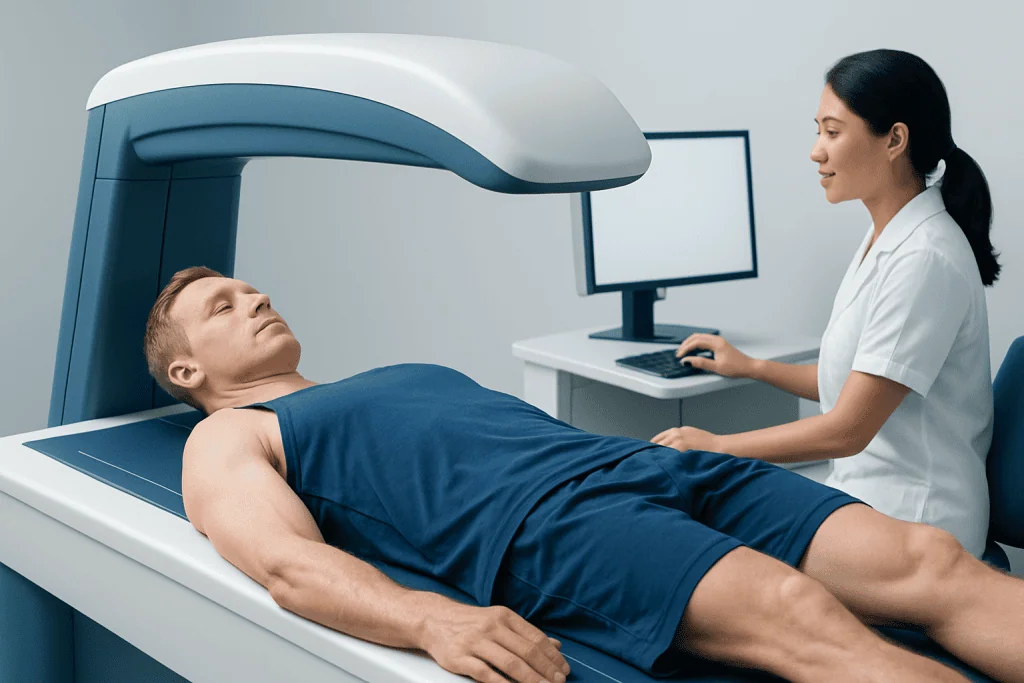
Lean body mass cannot be judged accurately by appearance alone. It is usually estimated through body composition testing. Common methods include bioelectrical impedance analysis, dual-energy X-ray absorptiometry (DEXA or DXA), skinfold measurements, air displacement plethysmography, and imaging methods such as CT or MRI in selected medical settings.
Each method has strengths and limitations. Bioelectrical impedance is convenient, but results can shift with hydration, recent exercise, meals, and device quality. DEXA can provide more detailed information about bone density and body composition, but it is not perfect and may not be necessary for most healthy adults. Skinfold methods depend greatly on technique and are less reliable in some body types.
For people with medical concerns, doctors may combine body composition data with strength testing, waist circumference, blood tests, and a review of symptoms. In some cases, additional assessment may be useful through endocrine and metabolic evaluation or a structured health check-up and screening program to look for underlying causes of unexplained weight or muscle changes.
How to support healthy lean body mass
The most evidence-based way to support lean body mass is a combination of regular physical activity, balanced nutrition, and recovery. Resistance exercise is especially important because it gives muscles a reason to adapt. This can include free weights, resistance bands, machines, or bodyweight exercises, adjusted to age, ability, and medical needs.
Protein intake should be adequate and spread throughout the day, though exact needs vary. Meals that include protein, vegetables or fruit, whole grains, and healthy fats can support overall health and body composition. Extreme diets, repeated crash dieting, or long periods of under-eating may increase the risk of losing lean tissue along with fat.
Sleep and recovery also matter. Muscles and other tissues adapt between exercise sessions, not only during them. For people with illness, reduced appetite, or difficulty maintaining weight, a doctor or dietitian can help create a safer plan. If body composition changes are linked to hormonal symptoms, unexplained fatigue, or weakness, medical evaluation is more useful than relying on supplements or online advice alone.
- Do resistance exercise regularly if medically appropriate
- Stay physically active beyond formal workouts
- Eat enough protein and total calories for individual needs
- Prioritize sleep and manage prolonged stress
- Seek medical advice for unexplained weight or strength changes
Common myths about lean body mass
One common myth is that lean body mass means muscle only. In fact, body water, bones, organs, and connective tissues are all part of lean mass. Another myth is that a higher lean body mass always means better health. A useful assessment depends on function, symptoms, and the person’s broader medical picture.
It is also a myth that home body composition devices provide exact results. Many consumer tools can be helpful for following general trends, but day-to-day numbers often shift because of hydration, meals, menstrual cycle changes, and exercise. Small changes should not be overinterpreted.
Another misunderstanding is that losing weight always improves body composition. Weight loss can reduce fat mass, but it may also reduce lean mass if nutrition, protein, and physical activity are not managed well. This is one reason clinicians often focus on preserving muscle and function during lifestyle change, especially in older adults and people with chronic conditions.
When to seek medical care
Medical advice is a good idea if there is unexplained weight loss, noticeable loss of strength, repeated falls, ongoing fatigue, reduced appetite, difficulty recovering from illness, or concern about muscle wasting. These changes can sometimes be linked to treatable causes such as undernutrition, endocrine disorders, chronic disease, or medication effects.
People with diabetes, cancer, digestive disorders, kidney disease, or long periods of inactivity may also benefit from a professional assessment of body composition and nutrition. Athletes and highly active individuals may want guidance if they experience performance decline, recurrent injury, or signs of energy deficiency.
Near the end of the care pathway, some people choose evaluation at centers with multidisciplinary expertise. Acibadem International’s specialists in JCI-accredited hospitals assess body composition concerns for international patients and coordinate care when nutrition, internal medicine, endocrinology, rehabilitation, or weight management support is needed.
Frequently asked questions
Is lean body mass the same as muscle?
No. Lean body mass includes muscle, but it also includes bone, organs, connective tissue, and body water. Muscle mass is only one part of lean body mass.
How can someone estimate lean body mass?
Lean body mass is usually estimated with body composition tests such as bioelectrical impedance or DEXA. These tools can be useful, but results vary by method and are influenced by factors like hydration and timing.
Does BMI show lean body mass?
No. BMI uses height and weight only, so it cannot distinguish fat from muscle or other lean tissues. It can still be a useful screening tool, but it does not provide a full picture of body composition.
Can lean body mass decrease even if body weight stays the same?
Yes. A person can lose muscle or other lean tissue while gaining fat, which may keep overall weight relatively stable. This is one reason why strength, function, and body composition can matter more than weight alone.
What helps preserve lean body mass during weight loss?
In general, resistance training, adequate protein intake, and avoiding extreme calorie restriction help reduce the loss of lean tissue. Individual plans should be tailored to age, medical conditions, and activity level.
Should everyone track lean body mass?
Not necessarily. For many people, focusing on strength, mobility, healthy eating, sleep, and regular activity is more practical than tracking body composition closely. Tracking may be more useful when guided by a healthcare professional for specific medical or performance reasons.
References
- World Health Organization
- Centers for Disease Control and Prevention
- National Institute on Aging
- National Institutes of Health
- Academy of Nutrition and Dietetics
This article is for general information only and is not a substitute for professional medical advice. Please consult a qualified doctor about your individual situation.
Medical weight-loss options in Turkey — costs & eligibility
JCI-accredited · board-certified surgeons · reply within 24h
Add us as a Preferred Source to see more of our trusted health content across Google Search, AI Overviews and Discover.
Check your numbers in seconds
BMI, calories, due date, blood pressure and 30+ more clinical calculators — free, instant, doctor-reviewed ranges.

More from the Health Library



Related Specialists

Dr. Serap Gülşeni
Occupational Medicine
Dr. Ezgi Tepençelik
Anesthesiology
Dr. Melodi Dinçel
Pediatric & Adolescent Psychiatry
Dr. Civan Kalafat
Gynecology & Obstetrics