I Only Sleep 4-5 Hours a Night: An Evidence-Based Guide for Patients

Most adults function best with at least 7 hours of sleep per night on a regular basis. Feeling rested and alert during the day matters, but it does not always rule out effects from chronic short sleep.
Key Takeaways
- Most adults function best with at least 7 hours of sleep per night on a regular basis.
- Feeling rested and alert during the day matters, but it does not always rule out effects from chronic short sleep.
- Stress, schedules, insomnia, substances, medicines, pain, and sleep disorders can all reduce sleep duration.
- A two-week sleep diary can help identify patterns and support a productive medical appointment.
- Persistent short sleep, loud snoring, breathing pauses, or daytime sleepiness should be discussed with a healthcare professional.
If someone only sleeps 4-5 hours a night, it may be enough for a very small number of natural short sleepers, but it is not sufficient for most adults. When this pattern is ongoing or causes daytime tiredness, mood changes, poor concentration, or safety concerns, identifying the cause and improving sleep habits can help.
I only sleep 4-5 hours a night: is that enough?
Someone who says, “I only sleep 4-5 hours a night,” may be dealing with a temporary disruption, a lifestyle schedule that limits sleep, or an underlying sleep problem. For most adults, regularly sleeping only 4-5 hours is below the amount associated with best daytime functioning and long-term health. Major sleep organizations generally recommend that adults aim for 7 or more hours of sleep each night.
A small minority of people naturally sleep less and remain consistently refreshed, alert, and well without trying to restrict sleep. This is uncommon. More often, people adapt to feeling tired and may underestimate how short sleep affects attention, reaction time, mood, appetite, and overall wellbeing.
One or two short nights during travel, illness, work deadlines, or family demands is usually not a reason for alarm. The more important question is whether the pattern continues for weeks or months, whether sleep feels restorative, and whether it interferes with daily life.
How short sleep can affect the body and daily life
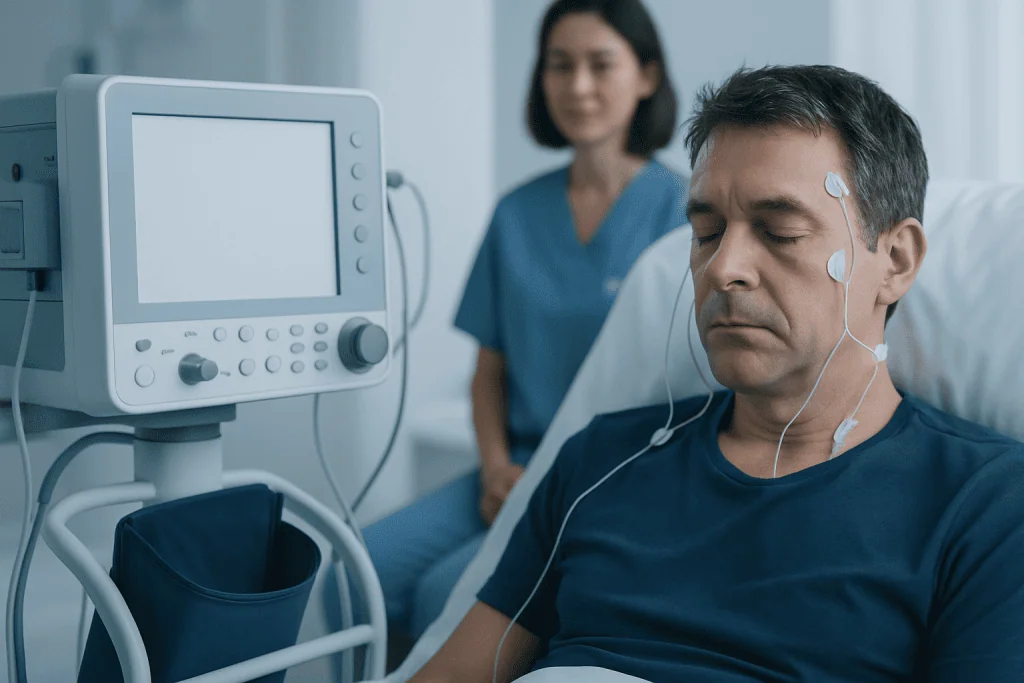
Sleep supports memory, emotional regulation, immune function, metabolism, and cardiovascular health. After a short night, a person may notice irritability, reduced patience, difficulty focusing, forgetfulness, headaches, or greater reliance on caffeine. Driving, operating machinery, and other tasks requiring quick decisions can become less safe when someone is sleepy.
Over time, regularly insufficient sleep has been linked with a higher risk of health concerns including high blood pressure, weight changes, type 2 diabetes, depression, and cardiovascular disease. These associations do not mean that every person who sleeps 4-5 hours will develop these conditions. They do show why persistent lack of sleep is worth addressing rather than accepting as unavoidable.
People sometimes try to compensate by sleeping much longer at weekends. Catch-up sleep may reduce some immediate tiredness, but it may not fully offset repeated short sleep or correct the cause. Large differences between weekday and weekend sleep may also disrupt the body clock and make it harder to fall asleep at the desired time.
Common reasons a person sleeps only 4-5 hours

Short sleep can result from not allowing enough time for sleep, such as working late, caring for children or relatives, shift work, long commutes, or frequent evening screen use. Stressful events, anxiety, low mood, grief, and an irregular routine can also make it difficult to fall asleep or stay asleep.
Insomnia is a common cause. It involves ongoing difficulty falling asleep, staying asleep, or returning to sleep after waking, despite having an opportunity to sleep. People with insomnia may also worry about sleep, spend long periods awake in bed, or feel unable to function well during the day. It may occur on its own or alongside mental health conditions, chronic pain, reflux, menopause symptoms, or medical illness.
Other sleep disorders should be considered when symptoms suggest them. Obstructive sleep apnea can cause repeated breathing interruptions, snoring, gasping, unrefreshing sleep, and daytime sleepiness. Restless legs syndrome may create an uncomfortable urge to move the legs at night. Circadian rhythm sleep-wake disorders can make a person naturally sleepy and awake at times that conflict with work or family schedules.
Alcohol may seem to help with falling asleep but often fragments sleep later in the night. Nicotine, caffeine taken later in the day, recreational substances, and some prescribed or over-the-counter medicines can also affect sleep. A clinician or pharmacist can review medications safely; prescribed medicine should not be stopped without professional advice.
How sleep problems are assessed
A healthcare professional will usually begin by asking about sleep timing, how long the issue has lasted, nighttime awakenings, daytime symptoms, work schedule, mood, medical history, and medicines or substances. Information from a bed partner can be helpful if there is snoring, witnessed pauses in breathing, unusual movements, or behaviors during sleep.
A sleep diary is often useful. For two weeks, a person can record bedtime, estimated time to fall asleep, awakenings, final wake time, naps, caffeine and alcohol use, exercise, and how alert they feel. Wearable devices may offer general patterns, but they do not diagnose insomnia or sleep apnea and should not replace a clinical assessment.
Blood tests are not routinely needed for every person with short sleep, although a clinician may order tests when symptoms point to a medical cause. If sleep apnea or another sleep disorder is suspected, a home sleep apnea test or an overnight sleep study may be recommended. Evaluation is especially important when snoring and daytime sleepiness occur together.
Evidence-based ways to improve sleep duration
The most effective approach depends on why sleep is short. A practical first step is protecting enough time for sleep. For an adult aiming for at least 7 hours, this may mean setting a realistic wind-down time and bedtime based on the required wake time, rather than simply hoping to sleep earlier.
Helpful habits include keeping wake-up time fairly consistent, getting daylight exposure in the morning, being physically active during the day, and making the bedroom dark, quiet, comfortable, and used mainly for sleep and intimacy. It is also sensible to limit caffeine later in the day, avoid nicotine close to bedtime, and avoid alcohol as a sleep aid. Large meals and intense exercise immediately before bed may disturb sleep for some people.
If someone cannot sleep, staying in bed while becoming increasingly frustrated can strengthen the association between bed and wakefulness. A calm, low-light activity away from bed until sleepiness returns may help. Regular relaxation routines, such as reading, gentle stretching, or breathing exercises, can make the transition to sleep easier.
For persistent insomnia, cognitive behavioral therapy for insomnia (CBT-I) is widely recommended as a first-line treatment. It uses structured strategies to improve sleep habits and reduce unhelpful thoughts and behaviors around sleep. Sleeping medicines may be appropriate in selected situations, but they should be discussed with a clinician because benefits, side effects, interactions, and duration of use need individual review.
When to seek medical care
Medical advice is appropriate if sleeping 4-5 hours a night continues for several weeks, causes distress, or affects work, school, relationships, concentration, or mood. A prompt assessment is important for excessive daytime sleepiness, drowsy driving, frequent unplanned naps, or difficulty staying awake during routine activities.
A person should also seek evaluation for loud habitual snoring, choking or gasping during sleep, witnessed breathing pauses, morning headaches, or waking unrefreshed. These may be signs of a sleep-related breathing disorder, including obstructive sleep apnea, which can be assessed and treated.
Urgent support is needed if lack of sleep is accompanied by thoughts of self-harm, severe agitation, confusion, hallucinations, or markedly elevated energy with little need for sleep. In these situations, contacting local emergency services or an urgent mental health service is appropriate.
Acibadem International’s multidisciplinary specialists and JCI-accredited hospitals assess sleep concerns and related conditions for international patients. Care may include clinical evaluation and, when indicated, sleep study testing to clarify the cause of disrupted or insufficient sleep.
A realistic plan for the next two weeks
Rather than making many changes at once, a person can start with a short, consistent plan. They can choose a fixed wake-up time that works on most days, allow an adequate sleep opportunity before it, and keep a sleep diary. The goal is not to force sleep, but to create conditions that support it and identify patterns that may need professional attention.
It can help to review practical barriers honestly. These may include late work messages, household responsibilities, worry, noisy surroundings, caffeine, alcohol, pain, or an inconsistent shift schedule. Small adjustments—such as moving caffeine earlier, arranging a wind-down routine, or asking for support with evening tasks—may be more sustainable than drastic changes.
If the person is already spending enough time in bed but remains awake for long periods or wakes repeatedly, self-directed sleep extension alone may not solve the problem. A doctor, sleep specialist, or qualified behavioral sleep clinician can help distinguish insomnia, sleep apnea, circadian rhythm issues, and other causes, then recommend appropriate care.
Frequently asked questions
Can a person be healthy if they sleep only 4-5 hours a night?
A very small number of people naturally need less sleep and remain fully alert and healthy, but this is uncommon. Most adults need at least 7 hours of sleep on a regular basis. If 4-5 hours is ongoing, it is sensible to assess daytime functioning and possible causes.
Why do I wake up after 4-5 hours and cannot fall back asleep?
Early waking may be related to stress, insomnia, mood changes, alcohol, pain, noise, medicines, or an underlying sleep disorder. A consistent sleep schedule and a calm response to wakefulness can help, but persistent symptoms deserve medical review. A sleep diary can provide useful information for that appointment.
Is it better to get 4-5 hours of sleep than none?
Yes, some sleep is generally better than staying awake all night, but 4-5 hours is still insufficient for most adults when it happens regularly. Repeated short sleep can affect alertness, mood, and physical health. The aim should be to understand why sleep is limited and gradually establish an adequate sleep opportunity.
Can I make up for short sleep on weekends?
Extra weekend sleep may help reduce immediate tiredness, but it may not fully reverse the effects of regular short sleep. Sleeping much later than usual can also shift the body clock and make weekday sleep more difficult. Keeping wake times relatively consistent is often helpful.
Should I take melatonin if I only sleep 4-5 hours?
Melatonin may help certain circadian rhythm sleep problems, but it is not the right solution for every type of short sleep or insomnia. Product quality and effects can vary, and it may interact with some medicines. A clinician or pharmacist can advise whether it is appropriate for an individual situation.
When is sleeping 4-5 hours a night an emergency?
It requires urgent help if it is accompanied by self-harm thoughts, severe confusion, hallucinations, or unusually high energy and little perceived need for sleep. It is also important to avoid driving or hazardous activities when severe sleepiness is present. For persistent but non-urgent symptoms, arrange a medical appointment.
References
- American Academy of Sleep Medicine
- Centers for Disease Control and Prevention
- National Heart, Lung, and Blood Institute
- National Institute of Neurological Disorders and Stroke
- Sleep Foundation
This article is for general information only and is not a substitute for professional medical advice. Please consult a qualified doctor about your individual situation.
Explore treatments in Turkey — costs, top hospitals & a free quote
JCI-accredited · board-certified surgeons · reply within 24h
Add us as a Preferred Source to see more of our trusted health content across Google Search, AI Overviews and Discover.
Check your numbers in seconds
BMI, calories, due date, blood pressure and 30+ more clinical calculators — free, instant, doctor-reviewed ranges.