

Pneumonic: An Evidence-Based Guide for Patients

Pneumonic generally means related to pneumonia or a pneumonia-like lung infection. Common symptoms include cough, fever, fatigue, chest pain, and breathing difficulty.
Key Takeaways
- Pneumonic generally means related to pneumonia or a pneumonia-like lung infection.
- Common symptoms include cough, fever, fatigue, chest pain, and breathing difficulty.
- Pneumonic illness may be caused by bacteria, viruses, or less commonly fungi.
- Diagnosis often involves a medical exam, oxygen measurement, and chest imaging.
- Treatment varies by cause and severity and may include rest, fluids, medicines, or hospital care.
- Older adults, infants, and people with chronic illness should seek medical advice promptly.
Pneumonic usually describes something related to pneumonia, a lung infection that can cause cough, fever, chest discomfort, and shortness of breath. For patients, the key point is that “pneumonic” symptoms deserve proper medical evaluation because treatment depends on the cause and the person’s overall health.
What does pneumonic mean?
The word pneumonic is most often used in medicine to mean “related to pneumonia.” Pneumonia is an infection or inflammation of the air sacs in one or both lungs. These air sacs can fill with fluid or pus, which may lead to cough, fever, chills, tiredness, and trouble breathing.
Patients may come across the word in terms such as “pneumonic process,” “pneumonic infiltrate,” or “pneumonic symptoms” on test reports or during a consultation. In practical terms, this usually means a doctor suspects or has identified changes in the lungs that fit with pneumonia rather than another cause of respiratory symptoms.
Because the term can sound unfamiliar, it is helpful to remember that it does not by itself name a specific germ or a single disease pattern. Instead, it points to a lung infection pattern that needs to be interpreted together with symptoms, physical examination, and tests such as a chest X-ray.
How pneumonic illness affects the lungs
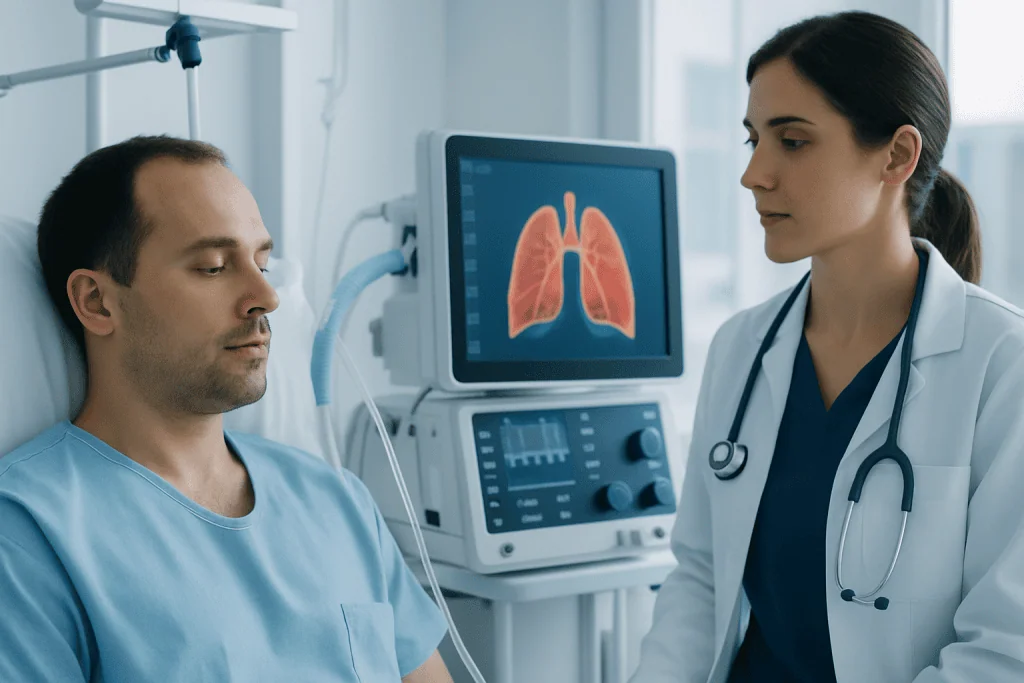
In a pneumonic illness, the small air sacs in the lungs, called alveoli, become inflamed. Normally, these sacs fill with air and allow oxygen to pass into the blood. When infection or inflammation develops, they may fill with fluid, mucus, or inflammatory cells, making oxygen exchange less efficient.
This is why patients may feel short of breath, breathe faster than usual, or notice chest discomfort when taking a deep breath. Some people also feel profoundly tired because the body is working harder to fight infection and maintain oxygen levels.
Pneumonic changes can affect a small area of one lung or involve larger parts of one or both lungs. Severity varies widely. Some people recover at home with close follow-up, while others need urgent treatment, especially if oxygen levels fall or the infection spreads.
Doctors may also consider conditions that can resemble a pneumonic pattern, such as bronchitis, viral respiratory infections, aspiration, or inflammatory lung disease. That is one reason a careful diagnosis is important rather than assuming every cough is pneumonia.
Symptoms patients may notice
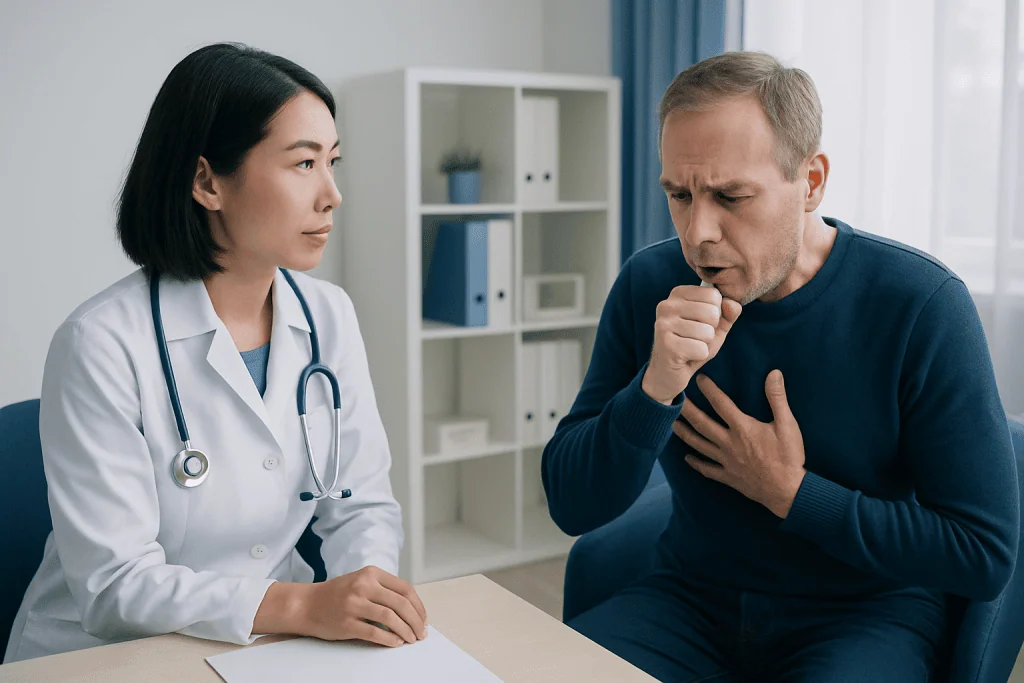
Pneumonic symptoms can begin suddenly or develop over several days. A classic pattern includes cough, fever, chills, and feeling unwell. The cough may be dry or produce mucus. In some cases, the mucus is yellow, green, or rust-colored, although mucus color alone does not confirm the cause.
Breathing symptoms are especially important. A person may feel short of breath during activity, notice rapid breathing, or have pain in the chest that gets worse with coughing or deep breathing. This type of pain can happen when the lining around the lungs becomes irritated.
Symptoms may look different in children and older adults. Young children may feed poorly, breathe quickly, or seem unusually irritable. Older adults may have less obvious fever but more confusion, weakness, poor appetite, or a sudden decline in daily functioning.
- Cough, with or without mucus
- Fever or chills
- Shortness of breath
- Chest discomfort with breathing or coughing
- Fatigue and body aches
- Nausea, poor appetite, or confusion in some patients
Causes and risk factors
Pneumonic illness can be caused by different types of germs. Bacteria are a common cause of community-acquired pneumonia, while viruses can also produce a pneumonic picture, especially during seasonal outbreaks. Fungal pneumonia is less common and is more likely in certain geographic regions or in people with weakened immune systems.
Sometimes pneumonia develops after another respiratory infection, such as influenza. In other cases, food, liquid, or stomach contents accidentally enter the lungs, leading to aspiration pneumonia. Doctors also think about healthcare-associated infections in people who have recently been hospitalized or have significant medical equipment or support needs.
Several factors increase risk. These include older age, very young age, smoking, chronic lung disease, heart disease, diabetes, kidney disease, weakened immunity, difficulty swallowing, and limited mobility. People with chronic respiratory conditions may already be familiar with bronchitis or recurrent chest infections, which can overlap in symptoms but are not the same as pneumonia.
Vaccination, nutrition, good hand hygiene, and management of long-term conditions all influence risk. Identifying these factors helps doctors judge how serious the illness may be and what kind of treatment or monitoring is needed.
How doctors diagnose a pneumonic condition
Diagnosis begins with the history and physical exam. A doctor asks about the pattern of fever, cough, sputum, chest pain, breathlessness, recent travel, sick contacts, and underlying illnesses. Listening to the lungs may reveal crackles, reduced air entry, or other changes, though normal examination findings do not fully rule out pneumonia.
Tests are chosen based on age, symptoms, and severity. A pulse oximeter placed on the finger can quickly measure oxygen saturation. Chest imaging, especially a chest X-ray, is often used to look for signs of pneumonia. In more complex situations, clinicians may use advanced imaging through medical imaging or CT when they need more detail, although this is not required for every patient.
Blood tests may help assess inflammation, hydration, kidney function, or the body’s response to infection. Some patients also need sputum tests, viral swabs, or blood cultures, especially if symptoms are severe or the cause is unclear. If there is concern about complications, the care team may involve check-up and diagnostic services to guide a more complete assessment.
The main goal is to confirm whether the illness is truly pneumonic, estimate severity, and identify any complications such as low oxygen, dehydration, or fluid around the lungs. This guides whether treatment can safely happen at home or should take place in the hospital.
Treatment options and recovery
Treatment depends on the cause of the pneumonic illness, the person’s age, and how unwell they are. Bacterial pneumonia may require antibiotics, while viral pneumonia may be managed mainly with supportive care unless a specific antiviral treatment is appropriate. Fungal causes need specialized medicines. Not every chest infection benefits from antibiotics, so treatment should be based on medical evaluation.
Supportive care is important in nearly all cases. This may include rest, fluids, fever control, and watching for worsening breathing. Some people with low oxygen need supplemental oxygen, intravenous fluids, or closer observation in the hospital. Severe infections may require coordinated care by a pulmonology team, especially when breathing becomes difficult or there are underlying lung problems.
Recovery time varies. Fever may settle within a few days after proper treatment begins, but cough and tiredness can last longer. It is common for full energy levels to take several weeks to return, particularly in older adults or after more severe illness.
Doctors also monitor for complications. These can include dehydration, worsening respiratory distress, pleural effusion, abscess formation, or flare-ups of chronic illnesses. In complex cases, especially if there are structural issues in the chest or concern about another underlying disease, multidisciplinary review may be needed, including links to broader pneumonia care pathways.
Prevention and self-care
Many pneumonic illnesses cannot be prevented completely, but several practical steps reduce risk. Vaccination is one of the most effective measures. Depending on age and health status, doctors may recommend influenza vaccination, pneumococcal vaccination, and other routine immunizations.
Good daily habits also matter. Handwashing, avoiding tobacco smoke, staying hydrated, and managing chronic conditions such as asthma, COPD, diabetes, or heart disease can lower the chance of severe respiratory infection. People with swallowing problems may need assessment to reduce aspiration risk.
At home, self-care should focus on comfort and careful monitoring rather than trying to “push through” symptoms. Patients should rest, drink fluids if able, and follow the treatment plan exactly as prescribed. They should also avoid stopping antibiotics early if one has been prescribed for a bacterial infection.
Near the end of recovery, a gradual return to normal activity is usually best. If symptoms are not improving as expected, follow-up is important. Acibadem International’s multidisciplinary specialists in JCI-accredited hospitals diagnose and treat respiratory conditions for international patients when further evaluation is needed.
When to seek medical care
Medical care should be sought promptly for suspected pneumonic illness when symptoms are significant or the person is in a higher-risk group. Early assessment is especially important for infants, older adults, pregnant people, and anyone with chronic lung disease, heart disease, cancer treatment, or a weakened immune system.
Urgent medical attention is needed if there is difficulty breathing, lips or fingertips looking bluish, confusion, severe chest pain, inability to keep fluids down, fainting, or worsening weakness. A high fever that does not improve, or symptoms that quickly get worse, also deserve timely evaluation.
Even milder cases should be reviewed if a cough lasts longer than expected, fever returns after initial improvement, or fatigue remains severe. Patients should not rely only on online descriptions of “pneumonic” findings, because the same term can appear in many different clinical contexts and needs professional interpretation.
Frequently asked questions
Is pneumonic the same as pneumonia?
Not exactly. Pneumonic usually means related to pneumonia or showing features that suggest pneumonia. In many patient contexts, however, the term points to a pneumonia-like lung infection that needs medical assessment.
What are the first signs of a pneumonic illness?
Early signs often include cough, fever, chills, tiredness, and feeling short of breath. Some people also notice chest pain when breathing deeply or coughing. In older adults, confusion or unusual weakness may be more noticeable than fever.
Can a pneumonic infection go away on its own?
Some mild viral respiratory infections improve with rest and supportive care, but true pneumonia should not be assumed to be harmless. Because bacterial pneumonia and other serious causes may need prompt treatment, medical evaluation is important when symptoms suggest a pneumonic illness.
How is a pneumonic condition diagnosed?
Doctors diagnose it by combining symptoms, a physical examination, and tests such as oxygen measurement and chest imaging. Blood tests or swabs may also be used, especially if symptoms are severe or the cause is uncertain.
How long does recovery usually take?
Recovery depends on the cause and severity. Fever may improve within days after appropriate treatment starts, but cough and fatigue can last for weeks. Older adults and people with chronic illnesses may recover more slowly.
When should someone go to the hospital for pneumonic symptoms?
Hospital care may be needed for severe shortness of breath, low oxygen, confusion, chest pain, dehydration, or rapid worsening. People at higher risk, such as infants, older adults, and immunocompromised patients, should seek medical advice early even if symptoms seem moderate.
References
- World Health Organization
- Centers for Disease Control and Prevention
- American Lung Association
- National Heart, Lung, and Blood Institute
- American Thoracic Society
This article is for general information only and is not a substitute for professional medical advice. Please consult a qualified doctor about your individual situation.
Explore treatments in Turkey — costs, top hospitals & a free quote
JCI-accredited · board-certified surgeons · reply within 24h
Add us as a Preferred Source to see more of our trusted health content across Google Search, AI Overviews and Discover.

More from the Health Library



Related Specialists

Prof. Dr. Arif Ulubil
Otorhinolaryngology
Dr. Abbasgulu Baghırov
Pediatrics
Dr. Duygu Yavuzer Karadeniz
Periodontolgy
Dr. Artunç Kaan Turanoğlu
Otorhinolaryngology