Famous People with Alzheimer’s: A Complete Medical Overview

Public figures with Alzheimer's may increase awareness, but the diagnosis is based on clinical evaluation, not celebrity examples. Alzheimer's disease is a progressive brain disorder that affects memory, thinking, behavior, and daily function.
Key Takeaways
- Public figures with Alzheimer's may increase awareness, but the diagnosis is based on clinical evaluation, not celebrity examples.
- Alzheimer's disease is a progressive brain disorder that affects memory, thinking, behavior, and daily function.
- Early assessment can help identify reversible causes of memory problems and support timely treatment planning.
- Treatment focuses on symptom management, safety, function, and caregiver support.
- Not all memory loss is Alzheimer's, so new cognitive changes should be discussed with a qualified doctor.
Famous people with Alzheimer's are often discussed because public diagnoses help many families recognize that this condition can affect anyone. More importantly, these stories can prompt people to learn the medical facts about Alzheimer's disease, including symptoms, diagnosis, treatment, and when to seek care.
Overview: Why famous people with Alzheimer's draw attention
People often search for famous people with Alzheimer’s to understand whether the disease follows recognizable patterns, how it affects daily life, and what can be learned from public diagnoses. The most helpful answer is that well-known cases may raise awareness, but they do not define the condition. Alzheimer’s disease is a medical diagnosis made through a careful review of symptoms, physical and neurological examination, cognitive testing, and appropriate laboratory or imaging studies.
Public figures, including actors, writers, politicians, and other prominent individuals, have helped make conversations about dementia more open. Their experiences may encourage families to seek help earlier when memory loss, confusion, or changes in judgment appear. At the same time, media coverage can sometimes simplify a complex condition, so it is important to rely on evidence-based medical information.
Alzheimer’s disease is the most common cause of dementia. It is a progressive neurodegenerative disorder, meaning it gradually damages brain cells and affects memory, language, planning, orientation, and independence over time. Learning from public awareness is valuable, but each person’s symptoms, rate of progression, and care needs are individual.
What Alzheimer's disease is—and what it is not
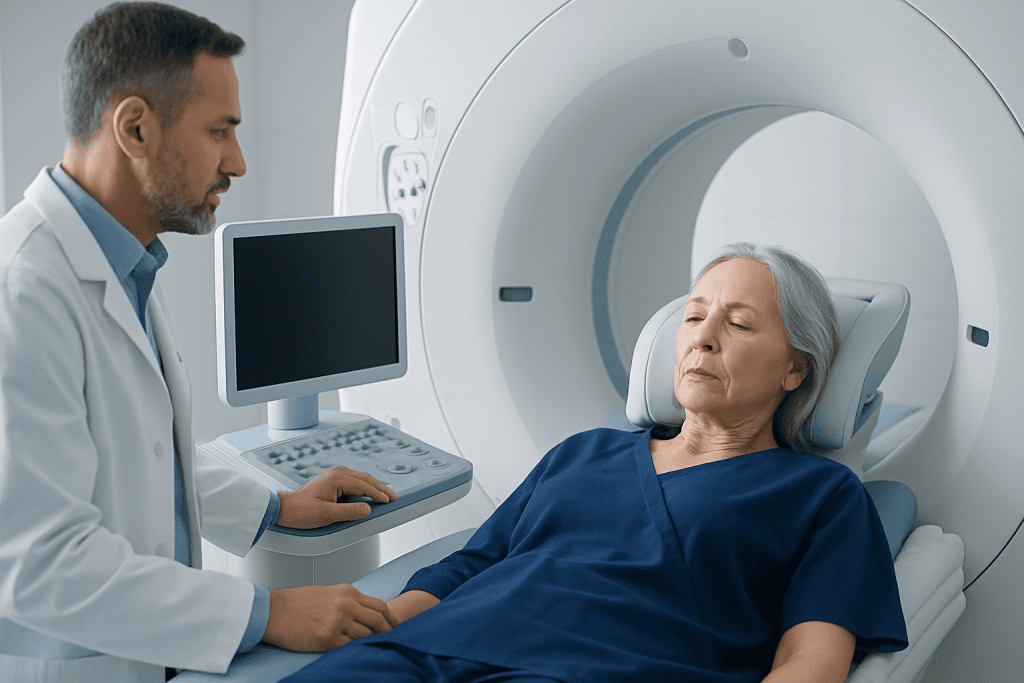
Alzheimer’s disease is a brain condition associated with ongoing changes in brain tissue that interfere with thinking and everyday function. In many people, the earliest symptom is difficulty forming new memories, but the disease can also affect word finding, problem-solving, judgment, mood, and behavior. Over time, it may make routine tasks such as managing medications, finances, cooking, and traveling more difficult.
It is important to distinguish Alzheimer’s disease from normal aging. Mild slowing in recall or occasionally misplacing items can happen with age, but persistent memory loss that disrupts work, home life, or safety deserves medical attention. Likewise, not every case of dementia is caused by Alzheimer’s. Other causes include vascular dementia, Lewy body dementia, frontotemporal dementia, medication effects, thyroid problems, vitamin deficiencies, sleep disorders, and depression.
For this reason, a person should not assume they have Alzheimer’s simply because their symptoms resemble those reported in famous people with Alzheimer’s. A thorough evaluation helps clarify whether the cause may be Alzheimer's disease, another form of dementia, or a potentially treatable problem affecting memory and concentration.
Common symptoms and how they may appear early

Early Alzheimer’s symptoms often begin subtly. A person may repeat questions, forget recent conversations, misplace important objects, or rely more heavily on notes and reminders than before. Family members sometimes notice changes before the individual does, especially when routines that were once easy become harder to manage.
As the condition progresses, symptoms may include trouble finding words, getting lost in familiar places, poor judgment, difficulty following steps, and changes in mood or personality. Some people become more withdrawn, anxious, suspicious, or irritable. Others may appear less interested in hobbies, social activities, or work responsibilities they previously enjoyed.
Typical warning signs can include:
- Memory loss that disrupts daily life
- Difficulty planning, organizing, or solving problems
- Confusion about time or place
- Trouble completing familiar tasks
- Problems with language, reading, or conversation
- Changes in judgment, mood, or social behavior
These symptoms do not automatically mean Alzheimer’s disease is present. However, when they are persistent or progressive, they should be assessed by a doctor with experience in cognitive disorders.
Causes and risk factors
Alzheimer’s disease develops through complex biological changes in the brain. These include abnormal protein buildup, inflammation, loss of nerve cell connections, and gradual shrinkage of certain brain regions involved in memory and thinking. Researchers continue to study why these changes begin and why progression differs among individuals.
Age is the strongest known risk factor, but Alzheimer’s is not an inevitable part of aging. Family history may increase risk, and some rare inherited forms are linked to specific genetic changes. Other factors associated with cognitive decline include vascular risk conditions such as high blood pressure, diabetes, high cholesterol, obesity, smoking, and physical inactivity. Poor sleep, untreated hearing loss, limited social engagement, and low cognitive stimulation may also play a role.
Risk factors matter because brain health is influenced by overall health. Steps that support heart and blood vessel health may also support cognitive health. While no lifestyle measure can fully prevent Alzheimer’s disease, managing chronic conditions and staying mentally, physically, and socially active may help reduce risk or delay decline.
How doctors diagnose Alzheimer's disease
There is no single public story, symptom checklist, or celebrity example that can confirm Alzheimer’s disease. Diagnosis begins with a detailed medical history, including when symptoms started, how they have changed over time, and whether they affect work, home, finances, driving, medications, or self-care. Input from a family member or close friend is often very helpful because changes may be more noticeable to others.
A clinical assessment usually includes cognitive screening or more formal neuropsychological testing, a neurological examination, and a review of medications, mood, sleep, and general medical conditions. Blood tests may be used to look for potentially reversible contributors such as thyroid disease, vitamin deficiencies, infection, or metabolic problems. Brain imaging can help rule out stroke, tumor, hydrocephalus, or other structural causes. In some cases, advanced imaging or specialized biomarker testing may be considered.
Depending on the findings, a doctor may recommend further evaluation with neurological examination and, when appropriate, MRI to better understand the pattern of brain changes. Accurate diagnosis can guide treatment choices, planning, and support for both the patient and family.
Treatment options and supportive care
There is currently no single cure that reverses established Alzheimer’s disease, but treatment can still be meaningful. Medical care often aims to manage symptoms, preserve function, address safety concerns, and support quality of life. Depending on the stage and symptoms, treatment may include medications that help with memory or thinking in some patients, along with targeted treatment for depression, anxiety, sleep problems, or agitation when present.
Non-drug strategies are equally important. Structured routines, clear communication, simplified daily tasks, regular physical activity, and attention to hearing and vision can reduce confusion and improve comfort. Occupational therapy, cognitive support, nutrition planning, fall prevention, and caregiver education may all play a role in care. Many patients also benefit from evaluation in settings familiar with neurology and memory disorders.
As the condition progresses, care planning becomes increasingly important. Families may need guidance about home safety, driving, legal and financial planning, and future support needs. Near the end of the care pathway, Acibadem International’s multidisciplinary specialists in JCI-accredited hospitals diagnose and treat neurological conditions for international patients, with evaluation and follow-up tailored to individual needs.
Prevention, brain health, and self-care
No lifestyle plan can guarantee prevention of Alzheimer’s disease, but healthy habits may support long-term brain function and may lower the risk of cognitive decline. Medical experts often recommend regular exercise, a balanced diet rich in vegetables, fruits, whole grains, and healthy fats, good sleep habits, and avoiding tobacco. Limiting excess alcohol and treating hearing or vision problems may also help preserve day-to-day function.
Managing blood pressure, diabetes, and cholesterol is especially important because vascular health and brain health are closely connected. Staying socially engaged, continuing to learn, reading, doing mentally stimulating activities, and maintaining routines can also support cognitive reserve. For people already experiencing mild symptoms, calendars, labeled storage, medication organizers, and structured daily plans may be practical aids.
Caregivers also need attention and support. Looking after someone with dementia can be emotionally and physically demanding. Respite care, support groups, counseling, and regular check-ins with healthcare professionals can help families maintain sustainable care over time.
When to seek medical care
Medical care should be sought when memory loss or confusion begins to interfere with daily activities, safety, communication, or independent living. Early evaluation is also important if a person gets lost in familiar places, misses medications, struggles with bills or appointments, or shows noticeable changes in judgment or personality. These issues deserve assessment even if they seem mild at first.
Urgent care is needed if confusion comes on suddenly or is accompanied by fever, severe headache, weakness, facial drooping, trouble speaking, falls, or a major change in alertness. Sudden symptoms are less typical of Alzheimer’s disease and may suggest stroke, infection, medication reaction, or another acute medical problem.
Families do not need to wait for symptoms to become severe before asking for help. Earlier assessment can identify treatable causes, clarify whether specialist testing is needed, and make it easier to plan support. If concerns persist, consultation for memory loss or cognitive change can be an appropriate next step.
Frequently asked questions
Why do people search for famous people with Alzheimer's?
Many people look for public examples to better understand how Alzheimer's disease affects real lives. These stories can reduce stigma and encourage earlier conversations, but they do not replace a medical evaluation.
Can Alzheimer's disease be diagnosed from symptoms alone?
No. Symptoms can suggest Alzheimer's disease, but diagnosis usually requires a medical history, cognitive assessment, physical and neurological examination, and sometimes blood tests or brain imaging. Other conditions can cause similar problems and may be treatable.
Is memory loss always a sign of Alzheimer's?
Not always. Memory problems can also be linked to stress, depression, poor sleep, medication side effects, thyroid disease, vitamin deficiencies, or other neurological conditions. Persistent or worsening symptoms should be checked by a doctor.
What is the difference between dementia and Alzheimer's disease?
Dementia is a general term for a decline in thinking abilities that interferes with daily life. Alzheimer's disease is the most common cause of dementia, but it is not the only one.
Can Alzheimer's disease be prevented?
There is no proven way to fully prevent Alzheimer's disease. However, regular exercise, control of blood pressure and diabetes, good sleep, social engagement, and avoidance of smoking may support brain health and possibly reduce risk.
When should a family be concerned about cognitive changes?
Concern is reasonable when changes are progressive, affect daily tasks, create safety issues, or are noticed by several people close to the individual. A sudden change in confusion or alertness needs urgent medical evaluation.
References
- World Health Organization
- National Institute on Aging
- Alzheimer's Association
- National Institute of Neurological Disorders and Stroke
- Centers for Disease Control and Prevention
This article is for general information only and is not a substitute for professional medical advice. Please consult a qualified doctor about your individual situation.
Explore treatments in Turkey — costs, top hospitals & a free quote
JCI-accredited · board-certified surgeons · reply within 24h
Add us as a Preferred Source to see more of our trusted health content across Google Search, AI Overviews and Discover.

More from the Health Library



Related Specialists

Prof. Dr. Dilek Biyik Özkaya
Dermatology
Dr. Züleyha Özgen
Dermatology
Prof. Dr. Nur Aydinli
Pediatric Neurology
Atilla Murat Ünver
Physical Medicine & Rehabilitation