Bigorexia: What Patients Need to Know

Bigorexia is commonly understood as muscle dysmorphia, a form of body dysmorphic disorder. People with bigorexia may look strong or muscular to others but still feel inadequate about their size or shape.
Key Takeaways
- Bigorexia is commonly understood as muscle dysmorphia, a form of body dysmorphic disorder.
- People with bigorexia may look strong or muscular to others but still feel inadequate about their size or shape.
- Warning signs include compulsive exercise, rigid eating patterns, body checking, and distress when workouts are missed.
- Diagnosis is based on symptoms, behavior, and the impact on daily life rather than appearance alone.
- Treatment often includes psychotherapy, support for nutrition and exercise balance, and care for related anxiety, depression, or disordered eating.
Bigorexia is a body image disorder in which a person becomes preoccupied with the belief that their body is too small, not lean enough, or not muscular enough. It can affect mental health, daily life, relationships, eating habits, and exercise behavior, but effective support and treatment are available.
What is bigorexia?
Bigorexia is a term often used to describe muscle dysmorphia, a mental health condition in which a person becomes overly concerned that their body is too small, not muscular enough, or not sufficiently lean. Even when they have a muscular build, they may still see themselves as undersized or physically inadequate. This is why bigorexia is considered a body image disorder rather than a problem that can be judged by appearance alone.
Clinically, muscle dysmorphia is understood as a subtype of body dysmorphic disorder. The concern is not ordinary fitness motivation or a healthy interest in strength training. Instead, the thoughts become persistent, distressing, and hard to control, and they begin to interfere with work, school, social life, or emotional well-being.
Bigorexia can affect people of different ages and backgrounds, although it is often discussed in connection with adolescents and young adults, especially those exposed to strong appearance pressures. It may also occur alongside anxiety, depression, obsessive behaviors, or disordered eating. Recognizing the difference between committed training and harmful preoccupation is an important first step toward support.
How bigorexia affects thoughts, emotions, and daily life
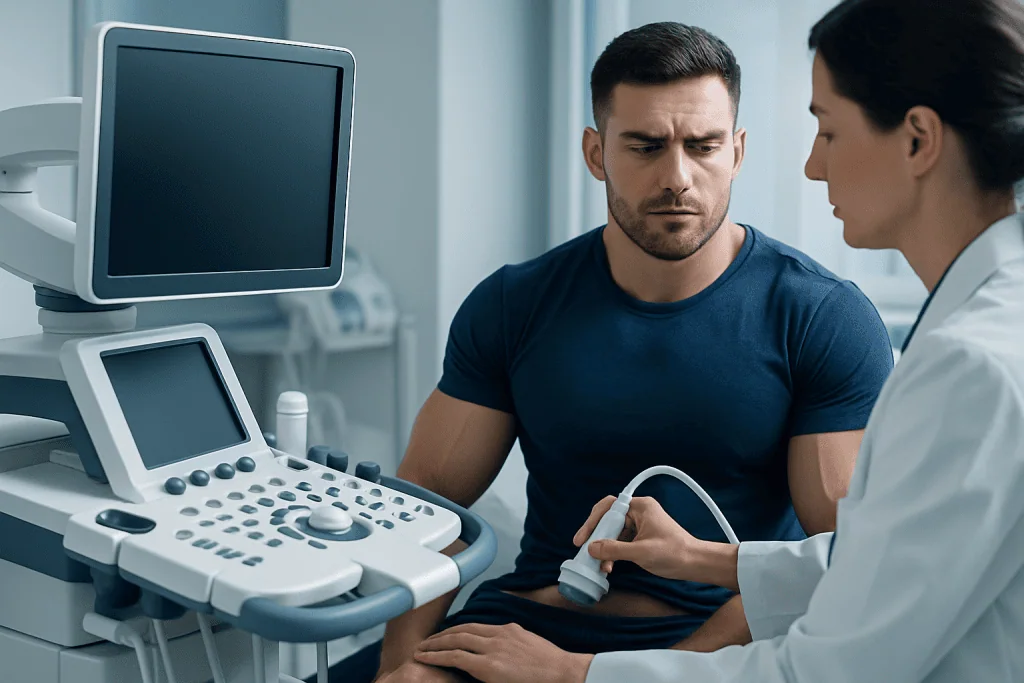
A person with bigorexia may spend a large part of the day thinking about body size, muscle definition, food intake, workout timing, or whether other people are judging their physique. These thoughts can feel urgent and repetitive. Missing a workout, eating outside a strict plan, or feeling less “defined” than usual may trigger guilt, anxiety, or irritability.
The condition can also shape daily decisions. Someone may avoid restaurants, travel, social events, or family activities if these disrupt training or meal routines. They may wear baggy clothes to hide the body they believe is too small, or do the opposite and repeatedly check mirrors for reassurance. In many cases, the emotional burden is greater than other people realize.
Over time, this pattern can strain relationships, reduce quality of life, and increase the risk of unhealthy coping behaviors. Some people begin overtraining, follow highly restrictive diets, or use supplements in unsafe ways. Others become socially isolated because they feel they are never “good enough” physically.
Signs and symptoms of bigorexia

The most common sign of bigorexia is an intense and ongoing belief that the body is not muscular enough, even when this does not match reality. The person may compare themselves constantly with others, focus heavily on perceived flaws, and seek repeated reassurance about their size or definition. Unlike general dissatisfaction with appearance, these concerns are persistent and difficult to dismiss.
Symptoms can vary, but common features include:
- Excessive time spent thinking about muscle size, body fat, or physique
- Compulsive or inflexible exercise routines
- Significant distress when unable to work out
- Rigid eating plans focused on muscle gain or fat loss
- Repeated mirror checking, body checking, or measuring
- Avoidance of social situations because of body concerns
- Continuing to train despite pain, illness, or injury
- Low mood, anxiety, shame, or irritability related to appearance
Some people also develop symptoms linked to eating disorders, such as extreme food rules, binge-restrict cycles, or fear around certain foods. Others may use performance-enhancing substances or unregulated supplements in an effort to change their physique more quickly. These patterns can increase both mental and physical health risks.
Causes and risk factors
There is no single cause of bigorexia. Most experts view it as the result of several interacting factors, including personality traits, mental health history, social influences, and body image pressures. Perfectionism, low self-esteem, obsessive thinking, and previous experiences of bullying or criticism about the body may all contribute.
Modern appearance culture can also play a role. Social media, bodybuilding communities, sports participation, and constant exposure to idealized physiques may encourage unrealistic standards of muscularity or leanness. For some people, physical transformation becomes linked to self-worth, identity, or a sense of control.
Risk may be higher in people who already have anxiety, depression, obsessive-compulsive traits, or a personal or family history of body image disorders. Participation in activities that place strong emphasis on shape, weight, or appearance can also increase vulnerability. These include bodybuilding, fitness modeling, certain competitive sports, and occupations where appearance is closely judged.
Importantly, not everyone who enjoys strength training or follows a structured nutrition plan has bigorexia. The key distinction is whether the concern becomes intrusive, causes distress, and leads to compulsive behaviors or harm.
How bigorexia is diagnosed
Bigorexia is diagnosed through a clinical assessment rather than a blood test or body scan. A qualified mental health professional or physician will ask about body image concerns, exercise habits, eating patterns, mood, daily functioning, and how much time is spent thinking about appearance. They also look at whether these behaviors are causing distress or interfering with life.
Because muscle dysmorphia overlaps with other conditions, evaluation usually includes screening for depression, anxiety disorders, obsessive-compulsive symptoms, and eating disorders. The goal is not to label normal fitness habits as illness, but to understand whether body-focused thoughts have become excessive, compulsive, or dangerous.
It may also be important to assess physical health. If a person is overtraining, losing sleep, using supplements heavily, or taking anabolic substances, a doctor may check for strain on the heart, liver, hormones, or musculoskeletal system. In some cases, referrals to psychiatry, psychology, nutrition, or sports medicine are helpful to build a fuller picture.
Treatment options and recovery
Bigorexia can improve with appropriate treatment. Care usually focuses on reducing distress, improving body image, addressing compulsive behaviors, and helping the person develop a healthier relationship with food, exercise, and self-worth. Recovery does not mean giving up fitness altogether; it means moving from rigid, fear-driven habits to balanced and sustainable ones.
Psychotherapy is often the main treatment. Approaches such as cognitive behavioral therapy can help a person identify distorted beliefs about body size, challenge all-or-nothing thinking, reduce checking and avoidance behaviors, and build more flexible routines. When symptoms are severe or linked to broader emotional difficulties, psychiatric care may be part of treatment planning.
If bigorexia occurs alongside disordered eating, a coordinated approach is important. This may involve eating disorder treatment and guidance from a qualified nutrition professional to restore balanced eating habits without shame or extreme restriction. When anxiety, low mood, or compulsive patterns are prominent, psychological support can help address the underlying emotional drivers.
In some situations, medication may be considered, particularly if there is significant anxiety, depression, or obsessive-compulsive symptoms. Treatment plans are individualized, and progress is often gradual. With support, many people learn to exercise safely, eat more flexibly, and feel less controlled by appearance-related thoughts.
Self-care, prevention, and when to seek medical care
There is no guaranteed way to prevent bigorexia, but healthy body image habits can reduce risk. Helpful steps include following a balanced exercise routine with rest days, limiting comparison-based social media content, choosing evidence-based nutrition advice, and noticing whether self-esteem has become too dependent on appearance or performance. Supportive friends, family, coaches, and clinicians can help identify unhealthy patterns early.
Self-care also means paying attention to warning signs such as exercising through injury, panic about missing a workout, extreme guilt after eating, or withdrawing from normal life to protect a training schedule. Building flexibility into meals and workouts, sleeping well, and speaking openly about body image pressures can all be protective. If a person feels trapped by the need to look bigger or leaner, professional support is appropriate.
Medical care should be sought if body image concerns are causing distress, affecting school or work, straining relationships, or leading to restrictive eating, overtraining, supplement misuse, self-harm thoughts, or use of anabolic substances. Urgent help is needed if there are thoughts of suicide, severe depression, chest pain, fainting, or signs of a serious eating disorder. A clinician can help determine whether symptoms point to muscle dysmorphia, another mental health condition, or both.
For people seeking coordinated evaluation and treatment, Acibadem International’s multidisciplinary specialists in JCI-accredited hospitals provide care for international patients with body image, nutrition, and mental health concerns.
Frequently asked questions
Is bigorexia a real medical condition?
Bigorexia is a commonly used term for muscle dysmorphia, which is recognized within the spectrum of body dysmorphic disorder. It is a real mental health condition when the concerns are persistent, distressing, and disruptive to daily life.
How is bigorexia different from wanting to get fit?
Wanting to get stronger or healthier is not the same as bigorexia. The difference is that bigorexia involves obsessive body image concerns, rigid behaviors, and distress that continue even when the person is already muscular or physically fit.
Can women have bigorexia too?
Yes. Although bigorexia is often discussed in men, women can also experience muscle dysmorphia and related body image distress. The way it appears may vary, but the underlying preoccupation and emotional impact can be similar.
Does bigorexia always involve steroid use?
No. Some people with bigorexia never use anabolic steroids or other performance-enhancing substances. However, the condition can increase the risk of unsafe supplement practices or substance use in an effort to change appearance more quickly.
Can bigorexia happen together with an eating disorder?
Yes, and this overlap is important to recognize. A person may follow strict food rules, avoid social eating, or become highly anxious about body fat while also feeling not muscular enough, so both conditions may need treatment.
What kind of doctor should someone see for bigorexia?
A primary care doctor, psychiatrist, psychologist, or another qualified mental health professional can be a good starting point. Depending on symptoms, care may also involve a dietitian, sports medicine specialist, or a team experienced in body image and eating-related conditions.
References
- American Psychiatric Association
- National Institute of Mental Health
- Mayo Clinic
- Cleveland Clinic
- National Eating Disorders Association
This article is for general information only and is not a substitute for professional medical advice. Please consult a qualified doctor about your individual situation.
Explore treatments in Turkey — costs, top hospitals & a free quote
JCI-accredited · board-certified surgeons · reply within 24h
Add us as a Preferred Source to see more of our trusted health content across Google Search, AI Overviews and Discover.
Check your numbers in seconds
BMI, calories, due date, blood pressure and 30+ more clinical calculators — free, instant, doctor-reviewed ranges.

More from the Health Library

Related Specialists

Dr. Cenk Şahan
Anesthesiology
Prof. Dr. Cafer Eroğlu
Clinical Laboratory
Dr. Meltem Hüner
Infectious Diseases & Clinical Microbiology
Dr. Mehmet Gürcan
Orthopedic Surgery & Traumatology