Helper Dogs for Anxiety: What Patients Need to Know
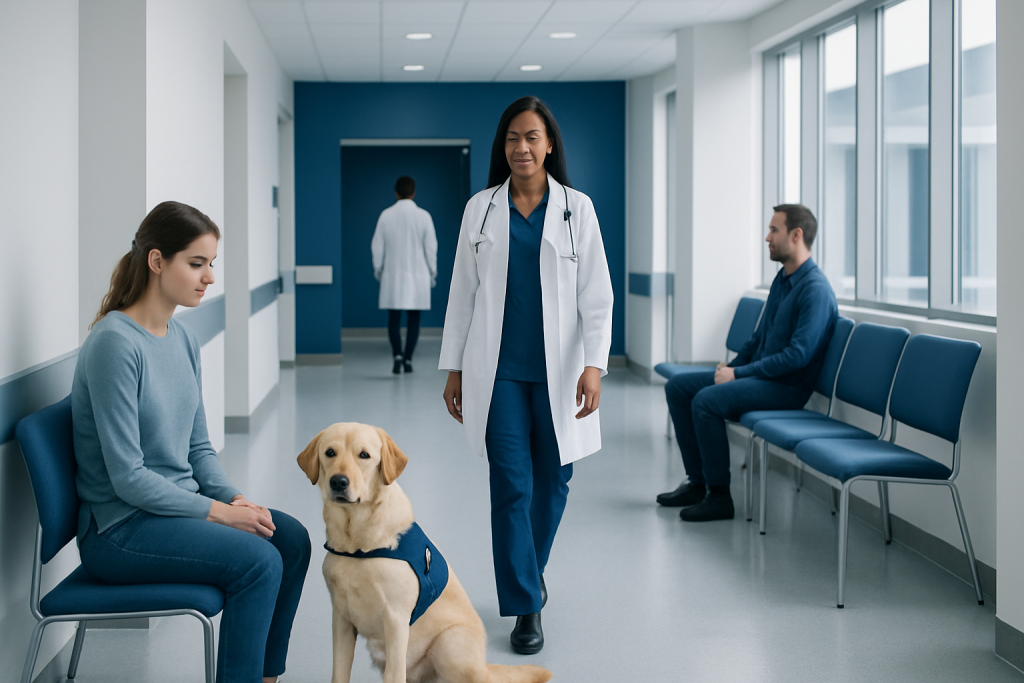
Helper dogs for anxiety may help with emotional support, routine, and symptom management in selected individuals. Different types of support animals have different roles, training standards, and legal recognition.
Key Takeaways
- Helper dogs for anxiety may help with emotional support, routine, and symptom management in selected individuals.
- Different types of support animals have different roles, training standards, and legal recognition.
- A doctor or mental health professional can help determine whether a helper dog is appropriate as part of an anxiety care plan.
- Evidence-based anxiety treatment may still include therapy, lifestyle changes, and sometimes medication.
- Persistent, worsening, or disabling anxiety symptoms should be medically evaluated.
Helper dogs for anxiety may provide comfort, structure, and practical support for some people living with anxiety symptoms. They can be valuable as part of a broader care plan, but they are not a substitute for professional diagnosis, therapy, or medical treatment when needed.
Overview: can helper dogs really help with anxiety?
Helper dogs for anxiety can help some people feel calmer, more secure, and better able to manage daily life. Their presence may reduce distress in certain situations, encourage healthy routines, and support coping skills. However, they are best understood as one possible part of anxiety management rather than a stand-alone treatment.
Anxiety is a medical and psychological health concern that can range from occasional symptoms to conditions that significantly affect sleep, work, school, relationships, and physical wellbeing. Some people benefit from an animal’s companionship, while others need structured therapy, medication, or both. A qualified clinician can help assess what kind of support is most likely to be safe and effective.
It is also important to distinguish between emotional support animals, therapy dogs, and specially trained service dogs. These categories are not interchangeable. The dog’s role, training, and access rights depend on the person’s needs and local laws, so patients should seek clear medical and legal guidance before making decisions.
How helper dogs may support people with anxiety
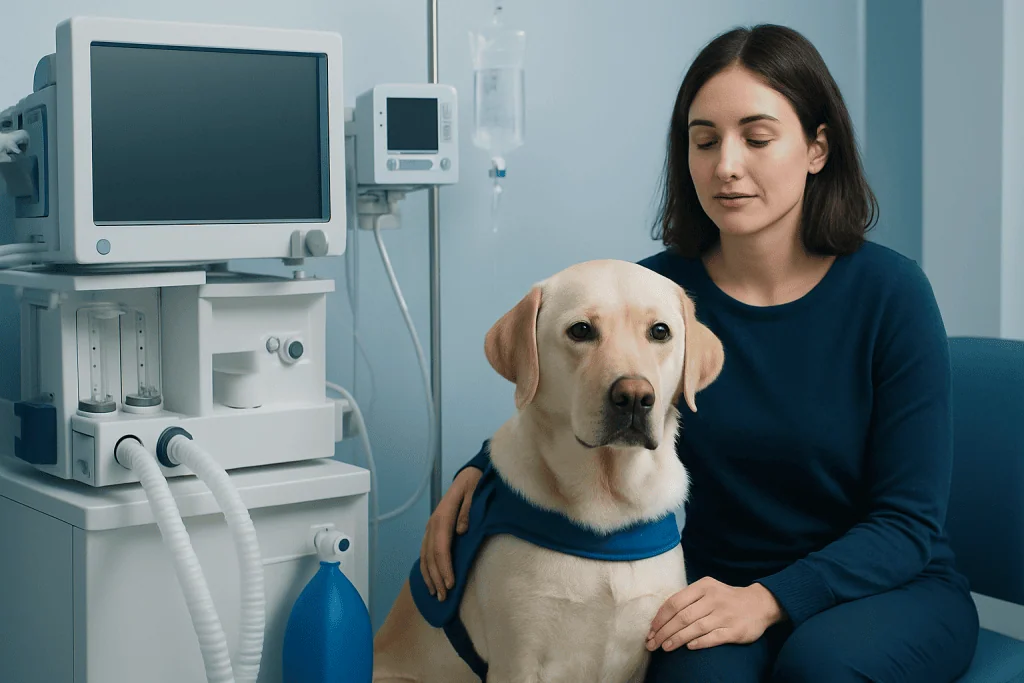
Dogs may support anxiety management in several ways. For some people, a calm dog can provide grounding during moments of stress, interrupt escalating worry, and create a sense of companionship that reduces feelings of isolation. Caring for a dog may also promote daily structure, regular movement, and time outdoors, all of which can support mental wellbeing.
Some highly trained dogs can perform specific tasks for people whose anxiety causes major functional impairment. These tasks may include responding to signs of distress, guiding a person out of an overwhelming environment, or helping create physical space in crowded settings. This is different from general comfort alone and usually requires individualized assessment and formal training.
Possible benefits vary from person to person. Factors such as the severity of anxiety, the person’s living environment, financial and caregiving capacity, and any allergies or past trauma around animals all matter. For some individuals, a dog may reduce stress; for others, the responsibilities of pet care may add pressure rather than relieve it.
- Emotional comfort and companionship
- Help with routine and daily structure
- Encouragement to walk, exercise, and go outdoors
- Support with grounding during anxious moments
- Potential task-based assistance when appropriately trained
Types of helper dogs: support animal, therapy dog, or service dog?
The term helper dogs for anxiety is often used broadly, but there are important differences. An emotional support animal mainly provides comfort through its presence. A therapy dog usually works with a handler in settings such as clinics, schools, or care facilities to support many people. A psychiatric service dog is trained to perform specific tasks for a person with a disability related to mental health.
These distinctions matter because expectations, training requirements, and public access rights are different. A family pet that provides comfort can still be meaningful, but it is not automatically considered a service dog. Patients should be cautious about misleading online claims that any anxious person can instantly qualify for a service dog certificate.
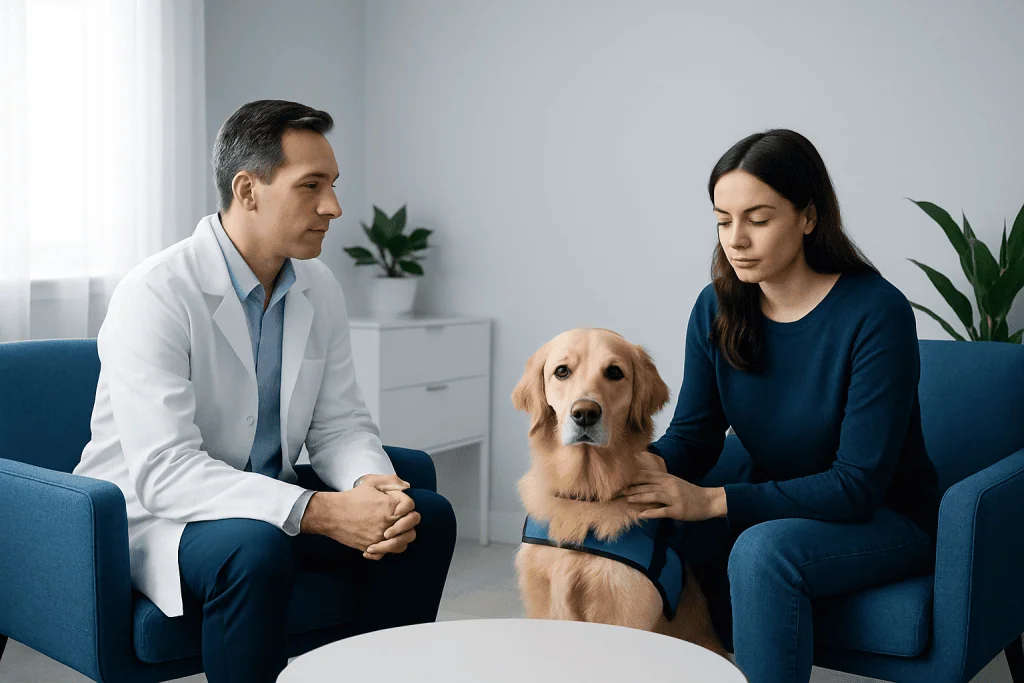
Before pursuing a helper dog, it is wise to speak with a mental health professional about the person’s symptoms, daily limitations, and goals. This can help clarify whether companionship, structured animal-assisted support, or a task-trained service dog is the most appropriate option. In people with significant anxiety symptoms, a clinician may also evaluate for related conditions such as panic attacks or depression, which can influence the care plan.
Who may benefit most and what the limits are
Helper dogs may be most useful for people whose anxiety improves with routine, physical activity, and calming companionship, or for those who have identifiable situations where a trained dog can assist with specific tasks. They may also help people who feel socially isolated and are willing and able to take on the long-term responsibilities of animal care.
At the same time, a helper dog is not suitable for everyone. Dog ownership involves time, cost, training, exercise, housing considerations, veterinary care, and the emotional demands of caring for another living being. If a person already feels overwhelmed, sleep-deprived, or unable to keep up with daily responsibilities, introducing a dog may not be helpful without additional support.
There are also clinical limits. A dog does not diagnose anxiety, resolve trauma, or replace evidence-based treatment for persistent or severe symptoms. People with panic, depression, sleep problems, or concentration difficulties may still need therapies such as cognitive behavioral therapy or medical treatment as part of a broader plan.
How anxiety is assessed before choosing this kind of support
When someone is considering helper dogs for anxiety, the first step should usually be a professional evaluation rather than starting with the dog itself. A doctor, psychiatrist, psychologist, or licensed therapist may ask about symptoms, triggers, sleep, physical health, daily functioning, and how long anxiety has been present. They may also explore whether another medical condition or medication side effect could be contributing.
Assessment helps determine whether the symptoms fit generalized anxiety, panic symptoms, health anxiety, social anxiety, trauma-related symptoms, or another concern. This matters because treatment needs can differ. For example, someone with frequent palpitations, dizziness, or chest discomfort may need physical evaluation as well as mental health assessment.
Clinicians may also discuss practical readiness. Questions often include whether the person has stable housing, the ability to care for a dog consistently, and realistic expectations of what the dog can and cannot do. In some cases, the most appropriate plan may begin with therapy, psychiatric care, lifestyle measures, or a gradual trial of animal-assisted support rather than immediate pursuit of a trained service dog.
Treatment options that may be used alongside a helper dog
A helper dog is often most effective when combined with standard anxiety care. Evidence-based treatment may include psychotherapy, stress-management strategies, regular sleep and exercise habits, and, for some people, medication prescribed by a qualified doctor. The aim is not only symptom relief but also better daily functioning and long-term coping skills.
Psychological therapies can help people understand triggers, challenge unhelpful thought patterns, and practice techniques for calming the body and mind. Medication may be considered when symptoms are moderate to severe, long-lasting, or interfering substantially with life. Treatment should always be individualized, since anxiety can look very different from one person to another.
Self-care remains important even when a dog is helpful. Many people benefit from limiting excess caffeine, keeping a regular sleep schedule, staying physically active, and practicing breathing or grounding exercises. If symptoms are complex or overlap with mood changes, sleep disruption, or trauma, a multidisciplinary plan may provide the most balanced support. Near the end of the care pathway, some patients choose evaluation at centers where mental health, neurology, and internal medicine can work together; Acibadem International’s multidisciplinary specialists and JCI-accredited hospitals care for international patients with conditions that affect emotional and physical wellbeing.
Practical self-care and choosing responsibly
Anyone considering helper dogs for anxiety should think carefully about daily life, not only potential benefits. The dog’s temperament, training, exercise needs, and compatibility with the household are all important. A well-matched dog is generally more helpful than choosing quickly based on emotion alone.
Preparation may include discussing the idea with a clinician, family members, and if needed a reputable trainer or service-dog organization. Patients should avoid organizations that promise instant certification or unrealistic outcomes. Responsible planning also includes budgeting for food, veterinary care, grooming, and training, as well as making arrangements for travel, work, or school environments.
Simple questions can help with decision-making:
- Are the anxiety symptoms professionally assessed?
- Is the person able to provide reliable daily care?
- Would a dog reduce stress, or add more responsibility than can be managed?
- Is the goal companionship, therapeutic support, or task-based assistance?
- Is there an ongoing care plan beyond the dog itself?
When to seek medical care
Medical or mental health care is important when anxiety is persistent, worsening, or interfering with normal life. This includes trouble sleeping, avoiding school or work, panic-like episodes, physical symptoms such as palpitations or shortness of breath, or using alcohol or other substances to cope. These symptoms deserve professional attention, even if a helper dog seems to bring some relief.
Urgent help is needed if a person feels hopeless, unsafe, unable to function, or has thoughts of self-harm. In these situations, a dog should not be relied on as the main response. Immediate support from emergency services, a crisis resource, or a qualified healthcare professional is the safest step.
It is also wise to seek evaluation if anxiety occurs alongside major mood changes, severe stress after trauma, repeated unexplained physical symptoms, or concern for another mental health condition. Early care may improve quality of life and reduce the chance that symptoms become more disruptive over time.
Frequently asked questions
Are helper dogs for anxiety the same as service dogs?
No. The term helper dogs for anxiety may refer to pets, emotional support animals, therapy dogs, or psychiatric service dogs, but these roles are different. Service dogs are specially trained to perform tasks related to a person’s disability, while emotional support animals mainly provide comfort through their presence.
Can a dog cure anxiety?
No, a dog does not cure anxiety. A helper dog may reduce stress and support coping for some people, but ongoing symptoms often still need assessment and treatment from a qualified healthcare professional.
Who is a good candidate for a helper dog for anxiety?
A good candidate is someone whose symptoms have been assessed and who is likely to benefit from companionship, routine, or trained task support. The person also needs to be able to manage the practical responsibilities of caring for a dog consistently.
What is the difference between an emotional support animal and a therapy dog?
An emotional support animal provides comfort to its owner, usually in home or daily life settings. A therapy dog is typically trained to visit places such as hospitals or schools with a handler to support many people rather than one individual patient.
Should someone try a helper dog before seeing a doctor?
It is usually better to start with a medical or mental health evaluation. This helps clarify what type of anxiety is present, rule out related health issues, and decide whether a dog is likely to be helpful as part of a broader treatment plan.
Can children or older adults benefit from helper dogs for anxiety?
They may, but the decision should be individualized. Age, safety, supervision, mobility, allergy risk, and the person’s ability to participate in the dog’s care all need to be considered carefully with family and healthcare input.
References
- National Institute of Mental Health
- American Psychiatric Association
- Centers for Disease Control and Prevention
- National Institute for Health and Care Excellence
- Anxiety and Depression Association of America
This article is for general information only and is not a substitute for professional medical advice. Please consult a qualified doctor about your individual situation.
Explore treatments in Turkey — costs, top hospitals & a free quote
JCI-accredited · board-certified surgeons · reply within 24h
Add us as a Preferred Source to see more of our trusted health content across Google Search, AI Overviews and Discover.