Does Running Increase Muscle? Causes, Explanations, and Next Steps

Running can increase muscle size and endurance, mainly in the lower body. Sprinting, hill running, and interval training stimulate muscle more than long slow runs.
Key Takeaways
- Running can increase muscle size and endurance, mainly in the lower body.
- Sprinting, hill running, and interval training stimulate muscle more than long slow runs.
- Nutrition, recovery, genetics, and strength training strongly affect results.
- Running alone is usually not the most efficient way to gain noticeable muscle mass.
- Pain, persistent swelling, weakness, or one-sided symptoms warrant medical review.
Does running increase muscle? In many people, yes—running can build or maintain some muscle, especially in the calves, thighs, and glutes, but the effect is usually modest compared with strength training. Most changes are harmless adaptations to exercise, though ongoing pain, weakness, or swelling should be checked by a doctor.
Overview: can running really increase muscle?
For many people, the short answer is yes: running can increase muscle, especially in the glutes, quadriceps, hamstrings, and calves. In most healthy adults, this is a normal and often beneficial response to exercise rather than a cause for concern. The increase is usually modest, however, and it depends on how a person runs, how often they train, and whether they support exercise with enough food, protein, and recovery.
Running challenges muscles to repeatedly produce force and absorb impact. Over time, the body adapts by improving muscle endurance and, in some cases, increasing muscle size. Short, fast, powerful efforts such as sprinting or hill running tend to provide a stronger muscle-building stimulus than long, easy-distance running.
Most runners who notice firmer or more defined legs are experiencing healthy training adaptations. Red flags are different: pain that does not improve, sudden swelling, weakness, limping, numbness, or symptoms affecting only one side should prompt medical advice. A doctor can review training habits, examine the legs, and decide whether symptoms are related to overuse, injury, or another condition.
How running affects muscles
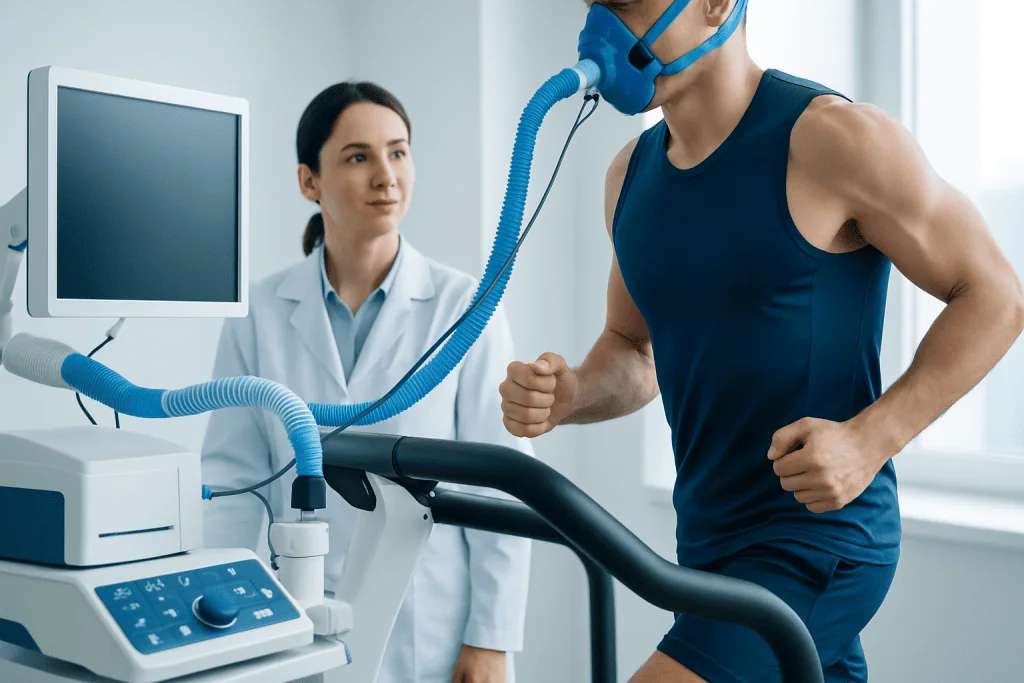
Muscles respond to repeated physical demand by becoming more efficient. Running asks the lower-body muscles to contract thousands of times, stabilize the joints, and control landing forces. This can improve muscle tone, local endurance, and coordination even when visible muscle growth is limited.
Whether true muscle growth happens depends partly on the type of muscle fibers being trained. Faster, more powerful running recruits more fast-twitch fibers, which have greater potential for growth. Steady, easy runs rely more on slow-twitch fibers, which are excellent for endurance but less likely to enlarge significantly.
Running also affects the muscles indirectly by improving circulation, insulin sensitivity, and overall fitness. These changes can help preserve muscle health over time. Still, if the goal is clear increases in muscle size, running usually works best when combined with resistance exercise such as squats, lunges, or supervised physical therapy and rehabilitation plans after injury.
- Calves help push the body forward.
- Quadriceps and hamstrings help absorb impact and extend the knee and hip.
- Gluteal muscles stabilize the pelvis and power uphill or faster running.
- Core muscles help posture and control movement efficiency.
What kind of running builds more muscle?

Not all running stresses the body in the same way. Sprinting, interval sessions, stair running, and hill repeats typically demand more force from the lower body than an easy jog. Because of that, they are more likely to stimulate muscle growth, particularly in the glutes, hamstrings, and calves.
Distance running can still maintain muscle and improve muscle definition, but long, frequent endurance sessions may not lead to much visible hypertrophy. In some runners, very high mileage without enough food or recovery may even make muscle gain harder because the body is prioritizing endurance adaptation and energy balance.
Surface and technique matter too. Running uphill often increases glute and calf activation. Trail running may challenge stabilizing muscles around the hips and ankles more than flat road running. In contrast, treadmill, track, and road running each create slightly different loading patterns, which can influence where a person feels muscular fatigue or tightness.
Why one runner gains muscle and another does not
Two people can follow similar running plans and see different changes in their legs. Genetics plays a role in muscle fiber type, body shape, and how readily a person builds muscle. Age, hormone levels, training history, and baseline fitness also affect the response.
Nutrition is another major factor. Muscles need enough total calories, protein, and fluids to recover after exercise. If a person runs frequently but eats too little, the body may struggle to repair muscle tissue well. Sleep is equally important because recovery processes, including muscle repair, happen between workouts.
Strength training often explains the biggest difference. Runners who also lift weights or do bodyweight resistance work are more likely to develop noticeable muscle. When pain limits training, a clinician may also look for related problems such as knee pain or muscle strain, since these can change running form and alter which muscles are doing the work.
When muscle changes may not be just training adaptation
Most muscle firmness, soreness after a new workout, or mild leg fullness after exercise is harmless and temporary. However, not every change in the legs should be assumed to be healthy muscle gain. Persistent pain, marked asymmetry, a lump, significant swelling, or weakness deserve attention.
Overuse injuries can affect runners when training increases too quickly or recovery is limited. Common concerns include tendon irritation, muscle strain, joint overload, and stress-related bone injuries. In these situations, a person may feel pain during running, tenderness in a specific area, or symptoms that worsen instead of gradually improving.
Sometimes the issue is not the muscle itself. Calf swelling may reflect inflammation, fluid retention, or vascular problems rather than growth. Numbness, tingling, or burning can point to nerve irritation. If symptoms are ongoing, doctors may evaluate whether a person would benefit from a musculoskeletal assessment, orthopedic rehabilitation, or imaging such as MRI when clinically appropriate.
How doctors evaluate leg symptoms in runners
If someone is unsure whether running-related leg changes are normal, a medical review can help. The first step is usually a detailed history: how long the symptoms have been present, where they occur, whether they are one-sided or both sides, and how they relate to training intensity, footwear, terrain, and recovery. A doctor may also ask about nutrition, prior injuries, medications, and other health conditions.
The physical examination often includes checking muscle bulk, strength, joint motion, tenderness, swelling, gait, and balance. Doctors may compare both legs and look for signs that suggest tendon problems, nerve involvement, poor biomechanics, or circulation issues. This helps separate likely training adaptation from a condition needing treatment.
Tests are not always necessary. When they are needed, they may include imaging, blood tests, or referral to a specialist. The goal is not simply to confirm whether muscle has increased, but to understand whether pain, weakness, or swelling signals an injury or another problem that should be addressed early.
Supporting healthy muscle development with running
For people hoping to build some muscle through running, a balanced plan is usually more effective than simply adding more miles. Progressive training, rest days, and variation in workouts help the muscles adapt while reducing overload. Sprint intervals, hill work, and short power-focused sessions may support more lower-body muscle stimulus than repetitive low-intensity running alone.
Nutrition supports adaptation. Many runners benefit from eating enough overall energy, including protein spread through the day, as well as carbohydrates to fuel training and replenish muscle stores. Hydration and sleep also matter, because under-recovery can reduce performance and make aches more likely.
Adding strength work is often the most practical next step. Exercises targeting the hips, thighs, calves, and core can improve muscle development and support running mechanics. If recurring pain has limited progress, a structured program through sports injuries rehabilitation may help a person return to training more safely and efficiently.
When to seek medical care
Medical care is advisable if leg symptoms are severe, persistent, or clearly different from typical post-exercise soreness. Pain that causes limping, swelling that does not settle, weakness, reduced range of motion, or symptoms present at rest should be assessed. One-sided calf swelling, chest symptoms, fever, or inability to bear weight needs prompt attention.
It is also sensible to seek help if a runner repeatedly has the same pain despite modifying training, changing shoes, or resting. Ongoing symptoms can alter gait and place stress on other joints and muscles. Early evaluation may reduce the chance of a minor issue becoming a more limiting injury.
At Acibadem International, multidisciplinary specialists in JCI-accredited hospitals assess exercise-related muscle and joint concerns for international patients and guide diagnosis and treatment when needed. Even when the cause is simply training adaptation, professional advice can help tailor a safe plan for exercise, recovery, and return to sport.
Frequently asked questions
Does running increase muscle in the legs?
Yes, running can increase muscle in the legs, especially in the calves, thighs, and glutes. The effect is usually modest and depends on training style, with sprinting and hills generally building more muscle than easy long-distance runs.
Can running replace strength training for muscle gain?
Usually not if the main goal is noticeable muscle growth. Running can help maintain or modestly build lower-body muscle, but resistance training is typically more effective for increasing muscle size and strength.
Why do my legs look more toned after I start running?
This can happen because the muscles are being used more regularly and body composition may be changing at the same time. Better muscle definition does not always mean large muscle growth, but it often reflects improved conditioning.
Does long-distance running make it harder to gain muscle?
It can in some people, especially if weekly mileage is high and calorie or protein intake is too low. Endurance training emphasizes efficiency and stamina, so muscle gain may be limited unless it is combined with adequate recovery and strength work.
Is soreness after running a sign of muscle growth?
Not necessarily. Soreness often reflects the muscles adapting to a new or harder activity, but it does not always mean muscle size is increasing. Persistent or sharp pain should not be ignored.
When should a runner worry about leg swelling or pain?
A runner should seek medical advice if swelling is significant, one-sided, or accompanied by weakness, numbness, fever, or trouble walking. Symptoms that keep returning or do not improve with rest also deserve evaluation.
References
- American College of Sports Medicine
- National Institute of Arthritis and Musculoskeletal and Skin Diseases
- MedlinePlus
- Mayo Clinic
- National Academy of Sports Medicine
This article is for general information only and is not a substitute for professional medical advice. Please consult a qualified doctor about your individual situation.
Explore treatments in Turkey — costs, top hospitals & a free quote
JCI-accredited · board-certified surgeons · reply within 24h
Add us as a Preferred Source to see more of our trusted health content across Google Search, AI Overviews and Discover.