Sebum on Scalp: What Patients Need to Know

Sebum on scalp is normal and helps protect the scalp barrier and hair. Excess sebum can lead to greasy hair, itching, visible flakes, and clogged follicles.
Key Takeaways
- Sebum on scalp is normal and helps protect the scalp barrier and hair.
- Excess sebum can lead to greasy hair, itching, visible flakes, and clogged follicles.
- Common contributors include hormones, genetics, overwashing or harsh products, stress, and scalp conditions such as dandruff or seborrheic dermatitis.
- Treatment depends on the cause and may include medicated shampoos, changes in hair-care habits, and medical evaluation when symptoms persist.
- Sudden hair loss, pain, spreading rash, or signs of infection should be assessed by a doctor.
Sebum on scalp refers to the natural oil made by scalp glands to protect the skin and hair. It becomes a concern when production is excessive, builds up with sweat and hair products, or is linked with scalp conditions that cause itching, flaking, odor, or inflammation.
Overview: what sebum on scalp means
Sebum on scalp is the skin’s natural oil. It is produced by sebaceous glands attached to hair follicles and helps keep the scalp moisturized, supports the skin barrier, and adds some protection to the hair shaft. In normal amounts, sebum is beneficial and expected.
People usually notice sebum only when there seems to be too much of it. The scalp may feel oily soon after washing, hair may look flat or stringy, or flakes may stick to the scalp. Excess oil can also trap dead skin cells, sweat, and styling products, which may make symptoms more noticeable.
Importantly, an oily scalp is not always a sign of poor hygiene. Oil production is influenced by age, hormones, genetics, climate, and individual skin type. Some patients naturally produce more sebum than others, and some develop scalp conditions that change how the oil behaves on the skin.
How excess scalp oil can affect the scalp and hair
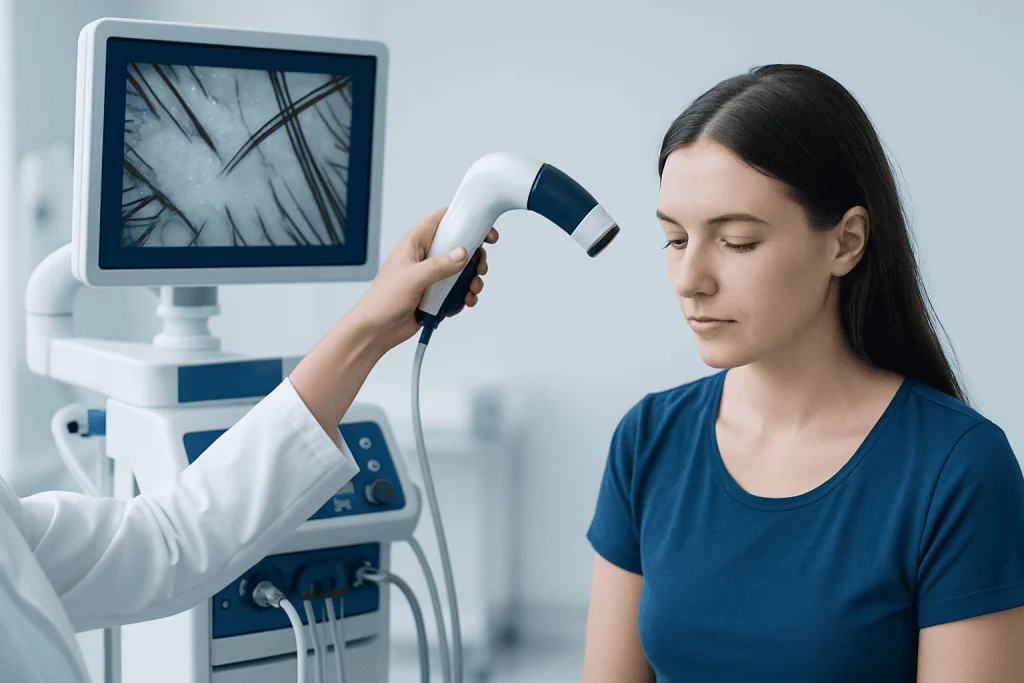
When sebum production is balanced, the scalp usually feels comfortable. When it becomes excessive, the oil can spread along the hair shaft quickly and make hair appear greasy even within a day of shampooing. Some people also notice a heavy feeling on the scalp, mild odor, or increased need to wash the hair.
Too much sebum can contribute to irritation in several ways. Oil can mix with dead skin cells and lead to visible scale or flakes. It may also create an environment that allows yeast that normally lives on the skin to overgrow, which is one reason greasy scalps are commonly linked with dandruff and seborrheic dermatitis.
In some cases, buildup around hair follicles may worsen tenderness or small bumps on the scalp. Excess oil itself does not necessarily cause permanent hair loss, but inflammation, scratching, or an underlying scalp disorder can affect hair shedding and scalp comfort over time.
Common symptoms and signs to watch for

Symptoms vary from mild cosmetic concerns to persistent discomfort. A person may notice greasy roots, the need for frequent washing, or hair that loses volume quickly. Others mainly experience scalp symptoms such as itching, tightness, or patches of flaking.
Common signs include:
- Hair that becomes oily shortly after washing
- Yellowish, white, or sticky flakes on the scalp
- Itching or a feeling of scalp irritation
- Redness in oily areas of the scalp
- Mild scalp odor related to oil and product buildup
- Small follicular bumps or tenderness in some cases
These symptoms can overlap with other scalp conditions. For example, thick scale may suggest psoriasis, while patchy hair loss or broken hairs may point to a different diagnosis. If symptoms are persistent or unclear, a dermatologist can help identify the underlying cause rather than treating the oil alone.
Causes and risk factors
The amount of sebum produced on the scalp is influenced first by biology. Hormonal activity, especially androgens, can stimulate sebaceous glands. This is why oily scalp symptoms often increase during puberty and may fluctuate in adulthood. Family history also matters, as some people naturally have more active oil glands.
Daily habits can contribute as well. Using heavy styling products, oils, or occlusive leave-in treatments may cause buildup that makes the scalp feel greasier. On the other hand, washing with very harsh shampoos or scrubbing aggressively can irritate the scalp barrier, which may lead some people into a cycle of discomfort and frequent rewashing.
Environmental and lifestyle factors also play a role. Heat, humidity, sweating, helmets or tight head coverings, and stress can make oiliness more noticeable. In addition, certain scalp disorders are strongly associated with excess sebum or with symptoms that seem like excess sebum, including dandruff, psoriasis, eczema, and folliculitis.
Less commonly, medications or changes in general health may alter the skin and scalp. If scalp oiliness appears suddenly, is accompanied by severe rash or hair loss, or does not improve with routine care, medical assessment is sensible to rule out an underlying inflammatory or infectious condition.
How doctors diagnose the cause
Diagnosis usually begins with a clinical history and scalp examination. A doctor may ask when the oiliness started, how often the hair is washed, which products are used, whether there is itching or redness, and whether there have been changes in stress, hormones, or medications. These details often help narrow the cause.
During the examination, the clinician looks for patterns of scale, redness, follicle inflammation, and hair changes. The goal is not only to confirm that there is excess oil, but to identify whether the main issue is dandruff, seborrheic dermatitis, psoriasis, eczema, fungal infection, or another scalp disorder.
Most patients do not need extensive testing. However, if the scalp has significant inflammation, crusting, drainage, or unusual hair loss, a doctor may recommend closer dermatologic evaluation. In some situations, patients benefit from assessment in a specialized dermatology service to guide diagnosis and long-term care.
Treatment options and practical scalp care
Treatment for sebum on scalp depends on the cause. For simple oiliness without inflammation, the main approach is improving scalp cleansing and reducing product buildup. A gentle shampoo suited to oily scalps may be used regularly, while very heavy conditioners, waxes, and oils should generally be kept away from the scalp unless a doctor advises otherwise.
If dandruff or seborrheic dermatitis is present, medicated shampoos are often helpful. Depending on the patient’s needs, a clinician may suggest products containing antifungal, keratolytic, or anti-inflammatory ingredients. These products need to be used as directed and often work best when left on the scalp briefly before rinsing.
When the scalp is inflamed or persistently itchy, doctors may recommend prescription treatments to calm irritation. Some patients with severe or unclear symptoms may benefit from broader evaluation in dermatology and venereology clinics, especially if there is concern about overlapping skin disease or infection.
Hair-loss worries sometimes arise alongside oily scalp symptoms. While oil itself is not the only explanation for shedding, scalp inflammation can contribute to hair concerns. If a patient has notable thinning or scalp disease affecting hair density, treatment may involve targeted assessment, and in selected cases clinicians may discuss options available through hair restoration care after the scalp condition is stabilized.
Prevention and self-care habits
Prevention focuses on keeping the scalp clean without over-irritating it. Many people do best with a consistent washing schedule that matches their scalp type rather than waiting until heavy buildup develops. The right frequency differs from person to person, but comfort and symptom control are useful guides.
Helpful self-care steps include:
- Choose shampoos formulated for oily or dandruff-prone scalps when appropriate
- Rinse thoroughly to remove shampoo, conditioner, and styling product residue
- Avoid applying thick oils or heavy styling products directly to the scalp
- Clean hats, pillowcases, combs, and brushes regularly
- Try not to scratch, pick, or scrub the scalp aggressively
- Manage stress and sweating when possible, especially during flares
It can also help to introduce only one new hair product at a time. This makes it easier to identify whether a product is causing irritation or buildup. If home care improves greasiness but flaking or redness continues, a doctor should assess whether a medical scalp condition is present.
When to seek medical care
Medical care is appropriate when scalp oiliness is persistent, worsening, or associated with other symptoms. Patients should not feel they need to manage significant itching, redness, or scaling on their own for long periods, especially if over-the-counter measures are not helping.
A doctor should evaluate symptoms such as painful scalp lesions, pus, bleeding from scratching, a rapidly spreading rash, patchy hair loss, or thick adherent scale. These features may suggest infection, significant inflammation, or a condition other than simple oily scalp.
It is also sensible to seek care if scalp symptoms affect sleep, confidence, or daily routines, or if they recur frequently despite good hair-care habits. Multidisciplinary specialists at Acibadem International, in JCI-accredited hospitals, diagnose and treat scalp and skin conditions for international patients using individualized evaluation and care plans.
Frequently asked questions
Is sebum on scalp normal?
Yes. Sebum is the scalp’s natural oil, and it helps protect both the skin barrier and the hair shaft. It becomes a problem mainly when production is excessive or when it contributes to itching, flaking, buildup, or inflammation.
Does an oily scalp mean the hair is dirty?
Not necessarily. Scalp oil production is strongly influenced by hormones, genetics, skin type, climate, and product use. A person can wash regularly and still have a scalp that becomes oily quickly.
Can too much sebum cause dandruff?
Excess sebum can contribute to dandruff, especially when it combines with dead skin cells and supports overgrowth of naturally occurring scalp yeast. However, dandruff is not caused by oil alone, so treatment often needs to address both the oil and the inflammation.
How often should someone with sebum on scalp wash their hair?
There is no single schedule that fits everyone. Many people with oily scalps benefit from regular cleansing based on how quickly oil and symptoms return, using a gentle or medicated shampoo when appropriate. A doctor can help if frequent washing still does not control symptoms.
Can sebum on scalp lead to hair loss?
Excess oil by itself does not always cause hair loss. But if oil is linked with inflammation, scratching, folliculitis, or an untreated scalp condition, hair shedding may become more noticeable. Persistent thinning or patchy loss should be assessed medically.
What is the difference between an oily scalp and seborrheic dermatitis?
An oily scalp mainly describes increased sebum production or buildup. Seborrheic dermatitis is an inflammatory skin condition that often affects oily areas and can cause redness, itching, and greasy or yellowish scale. The two commonly occur together, but they are not exactly the same.
References
- American Academy of Dermatology
- National Institute of Arthritis and Musculoskeletal and Skin Diseases
- NHS
- Mayo Clinic
- Merck Manual Consumer Version
This article is for general information only and is not a substitute for professional medical advice. Please consult a qualified doctor about your individual situation.
Hair transplant in Turkey — costs, graft counts & a free assessment
JCI-accredited · board-certified surgeons · reply within 24h
Add us as a Preferred Source to see more of our trusted health content across Google Search, AI Overviews and Discover.