Types of Mental Illness — Explained by Medical Evidence, Not Myths

Mental illnesses are real health conditions with recognized diagnostic criteria. There is no single list that fits every person, but disorders are commonly grouped into major clinical categories.
Key Takeaways
- Mental illnesses are real health conditions with recognized diagnostic criteria.
- There is no single list that fits every person, but disorders are commonly grouped into major clinical categories.
- Symptoms can affect emotions, thoughts, sleep, relationships, work, and physical health.
- Diagnosis is based on careful clinical assessment, not one lab test alone.
- Many mental illnesses improve with evidence-based treatment such as psychotherapy, medication, and supportive care.
- Urgent medical help is needed for suicidal thoughts, self-harm risk, or loss of touch with reality.
Types of mental illness are medical conditions that affect mood, thinking, behavior, or perception, and they are grouped by patterns of symptoms rather than myths or personal weakness. Common categories include anxiety disorders, mood disorders, psychotic disorders, trauma-related conditions, eating disorders, and neurodevelopmental disorders.
Overview: what the types of mental illness include
Types of mental illness are usually explained as groups of conditions that affect how a person feels, thinks, behaves, relates to others, or interprets reality. In medical practice, these conditions are classified by shared symptom patterns and how long symptoms last, not by stereotypes, character, or willpower. This evidence-based approach helps doctors identify the condition accurately and choose effective treatment.
Common categories include anxiety disorders, mood disorders such as depression and bipolar disorder, obsessive-compulsive and related disorders, trauma- and stressor-related disorders, psychotic disorders, eating disorders, personality disorders, substance use disorders, and neurodevelopmental disorders. Some people have symptoms that fit more than one category, which is why a professional evaluation matters.
Mental illness exists on a spectrum of severity. Some conditions are mild and episodic, while others are more persistent and need long-term care. Early support can reduce distress, improve daily functioning, and help prevent complications in school, work, family life, and physical health.
Main categories of mental illness
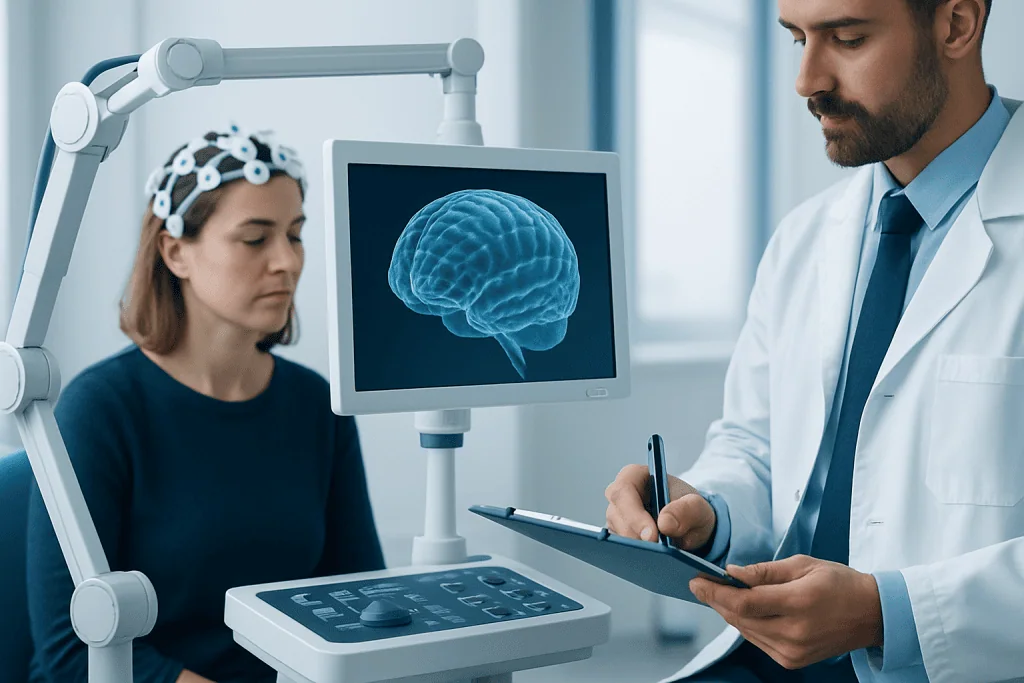
Doctors use diagnostic systems to organize mental health disorders into major groups. These categories are practical tools, not labels that define a person. They help clinicians understand likely symptoms, expected course, and treatment options.
The main types of mental illness commonly discussed include:
- Anxiety disorders: persistent or excessive fear, worry, panic, or avoidance. These include generalized anxiety disorder, panic disorder, social anxiety disorder, and specific phobias.
- Mood disorders: conditions that primarily affect mood, such as depression and bipolar disorder. Depression can cause low mood and loss of interest, while bipolar disorder involves episodes of depression and periods of unusually elevated or irritable mood.
- Obsessive-compulsive and related disorders: unwanted intrusive thoughts, repetitive behaviors, or both. Obsessive-compulsive disorder is one of the best-known examples.
- Trauma- and stressor-related disorders: symptoms that develop after trauma or major stress, including hypervigilance, nightmares, emotional numbness, or avoidance.
- Psychotic disorders: disorders that may involve delusions, hallucinations, disorganized thinking, or impaired reality testing. Schizophrenia is a key example.
- Eating disorders: disturbed eating behaviors and concerns about weight, body image, or control that can affect physical health.
- Personality disorders: longstanding patterns of thinking, feeling, and relating that cause distress or difficulty in daily life.
- Substance use disorders: problematic use of alcohol or drugs that affects health, functioning, or safety.
- Neurodevelopmental disorders: conditions that begin in childhood and affect development, attention, learning, communication, or social interaction.
Not every person will fit neatly into one category, and symptoms can change over time. Coexisting conditions are common, such as anxiety with depression, or substance misuse alongside another mental health condition.
Symptoms and signs that may suggest a mental health disorder

Mental illness symptoms vary by condition, but they often affect emotions, thoughts, behavior, sleep, appetite, concentration, and relationships. A key feature is that symptoms are persistent, distressing, or interfere with daily functioning. For example, temporary sadness after a disappointment is common, but depression involves more lasting and disruptive symptoms.
Possible signs include ongoing sadness, loss of interest, severe anxiety, panic attacks, irritability, mood swings, intrusive thoughts, compulsive rituals, social withdrawal, hopelessness, unusual beliefs, hearing or seeing things others do not, changes in sleep, fatigue, changes in eating, and trouble concentrating. In children and teenagers, warning signs may also include decline in school performance, frequent outbursts, regression, or major changes in social behavior.
Physical symptoms can also be part of mental illness. Headaches, stomach upset, muscle tension, palpitations, and unexplained pain sometimes occur alongside anxiety, depression, or trauma-related symptoms. Because physical and mental health influence each other, a full medical assessment may be needed to rule out other causes.
Symptoms should be interpreted in context. Cultural background, age, stress exposure, medications, sleep deprivation, and medical conditions can all affect how symptoms appear. This is one reason self-diagnosis based on a checklist or social media content is often incomplete.
Causes and risk factors: what medical evidence shows
Mental illnesses do not have one single cause. Most develop through a combination of biological, psychological, and social factors. Research shows that genetics can increase vulnerability, but genes alone usually do not determine whether a person will develop a disorder.
Brain chemistry and brain circuit function may play a role in many conditions, especially those involving mood, anxiety, attention, or psychosis. Life experiences also matter. Trauma, chronic stress, neglect, grief, social isolation, discrimination, relationship problems, major life changes, and financial strain can all contribute to symptoms or trigger episodes in people who are vulnerable.
Other risk factors include substance use, poor sleep, certain medications, long-term medical illnesses, hormonal changes, and a family history of mental health conditions. In children and adolescents, developmental factors and family environment can be especially important. During pregnancy and after childbirth, some people may experience new or worsening symptoms related to hormonal shifts, sleep loss, or stress.
Importantly, mental illness is not caused by weak character, poor parenting alone, or lack of effort. These myths can delay treatment and increase stigma. A medical explanation is more accurate and more helpful: mental illnesses are complex health conditions that deserve assessment and care.
How diagnosis is made
There is no single blood test or scan that diagnoses all types of mental illness. Diagnosis is usually made through a detailed clinical evaluation by a qualified doctor or mental health professional. This assessment includes current symptoms, when they started, how severe they are, what triggers them, and how they affect daily life.
The clinician may ask about sleep, appetite, concentration, work or school functioning, substance use, past trauma, medical history, medications, and family history. In some cases, physical examination or laboratory testing is done to rule out medical problems that can mimic psychiatric symptoms, such as thyroid disease, vitamin deficiencies, neurological conditions, or medication side effects.
Standardized screening questionnaires may support the assessment, but they do not replace a professional diagnosis. Distinguishing between related conditions can take time. For example, anxiety and depression often overlap, and mood symptoms can sometimes occur in sleep disorders, chronic pain, or endocrine problems.
For people with severe symptoms, evaluation may involve more than one specialist. If symptoms include changes in perception, cognition, or neurological function, additional assessment may be recommended. When needed, multidisciplinary care can include psychiatry, psychology, neurology, and internal medicine. In appropriate cases, a doctor may discuss psychiatric evaluation and treatment as part of a structured care plan.
Treatment options and long-term management
Treatment depends on the type of mental illness, symptom severity, age, medical history, and personal preferences. Many people benefit from a combination of psychotherapy, medication, lifestyle support, and practical help with school, work, or relationships. The goal is not only symptom relief, but also better daily functioning and quality of life.
Psychotherapy can help people understand symptoms, change unhelpful thought patterns, improve coping skills, process trauma, and strengthen relationships. Different approaches are used for different conditions. Cognitive behavioral therapy, exposure-based therapy, family therapy, and supportive therapy are common examples. Some people may benefit from structured psychotherapy as a core part of care.
Medication may be recommended for conditions such as depression, anxiety disorders, bipolar disorder, psychotic disorders, or severe obsessive-compulsive symptoms. A doctor considers benefits, side effects, interactions, and the person’s overall health before prescribing. For severe or treatment-resistant depression, more advanced options may sometimes be considered, including transcranial magnetic stimulation when clinically appropriate.
Hospital-based care may be needed if symptoms are severe, safety is at risk, or rapid stabilization is required. Ongoing follow-up is often important because mental health conditions can change over time. Near the end of the care journey, some patients seek coordinated international care; Acibadem International’s multidisciplinary specialists and JCI-accredited hospitals diagnose and treat mental health conditions for international patients.
Self-care, prevention, and reducing stigma
Not all mental illnesses can be prevented, but healthy routines and early support can reduce risk and improve resilience. Helpful habits include regular sleep, balanced meals, physical activity, limited alcohol and drug use, stress management, and staying socially connected. These steps do not replace treatment, but they can support recovery and reduce relapse.
Learning to recognize early warning signs is also useful. Changes in mood, increasing anxiety, social withdrawal, poor sleep, neglect of responsibilities, or escalating substance use may signal that extra support is needed. Keeping regular follow-up appointments and taking prescribed treatment as directed can help maintain stability.
Reducing stigma is part of prevention and care. People are more likely to seek help early when mental illness is discussed as a health issue rather than a personal failing. Supportive family members, schools, and workplaces can make a meaningful difference by encouraging assessment and practical accommodations when needed.
For some people, related medical issues such as chronic pain, neurological symptoms, or sleep disturbances may also need attention. If symptoms overlap with another condition, a doctor may recommend assessment for associated problems rather than assuming everything is psychological.
When to seek medical care
A person should seek medical care if emotional or behavioral symptoms last more than a few weeks, keep returning, or interfere with daily life, sleep, work, school, or relationships. Professional assessment is also appropriate when symptoms feel out of proportion to current stress, or when self-help measures are not enough.
Urgent help is needed if there are suicidal thoughts, self-harm, threats to others, severe agitation, confusion, inability to care for basic needs, or a loss of touch with reality such as hallucinations or delusions. These situations should not be managed alone. Emergency medical services or immediate psychiatric care may be necessary.
Families should also seek advice if they notice dramatic personality change, withdrawal, decline in functioning, or dangerous behavior in a loved one. Early evaluation can shorten the time to diagnosis and reduce the impact on health and safety. If depression is suspected, patients may also wish to learn more about depression as a common and treatable condition.
Frequently asked questions
What are the most common types of mental illness?
Common types include anxiety disorders, depression and other mood disorders, obsessive-compulsive disorder, trauma-related disorders, psychotic disorders, eating disorders, and substance use disorders. Neurodevelopmental disorders and personality disorders are also important categories.
Is mental illness the same as feeling stressed or sad?
No. Stress, grief, and sadness are normal human experiences, while mental illness involves patterns of symptoms that are more persistent, distressing, or disruptive to daily life. A professional assessment helps tell the difference.
Can a person have more than one mental illness at the same time?
Yes. It is common for conditions to overlap, such as anxiety with depression or substance misuse with another mental health disorder. This is one reason treatment plans are individualized.
How do doctors diagnose mental illness?
Doctors diagnose mental illness through a detailed interview, medical history, symptom review, and sometimes physical examination or tests to exclude other causes. There is not one single test that identifies every mental health condition.
Are mental illnesses treatable?
Yes, many are treatable and manageable. Treatment may include psychotherapy, medication, education, lifestyle support, and regular follow-up, depending on the diagnosis and severity.
When is mental illness an emergency?
It is an emergency if a person has suicidal thoughts, self-harm behavior, violent intent, severe confusion, or psychotic symptoms such as hallucinations or delusions. Immediate medical or emergency psychiatric help should be sought.
References
- World Health Organization
- National Institute of Mental Health
- American Psychiatric Association
- Centers for Disease Control and Prevention
- National Health Service
This article is for general information only and is not a substitute for professional medical advice. Please consult a qualified doctor about your individual situation.
Explore treatments in Turkey — costs, top hospitals & a free quote
JCI-accredited · board-certified surgeons · reply within 24h
Add us as a Preferred Source to see more of our trusted health content across Google Search, AI Overviews and Discover.

More from the Health Library



Related Specialists

Dr. A. Ezgi Sancaklı
Gynecology & Obstetrics
Dr. Murat Karakoç
Internal Medicine
Assoc. Prof. Dr. Yaşar Bayri
Neurosurgery
Dr. İpek Yıldız Tüzken
Anesthesiology