Does Wine Get You Drunk? A Doctor-Reviewed Answer

Wine can cause intoxication because it contains ethanol, the same type of alcohol found in beer and spirits. How drunk a person feels depends on serving size, alcohol percentage, drinking speed, body size, sex, food intake, and medicines.
Key Takeaways
- Wine can cause intoxication because it contains ethanol, the same type of alcohol found in beer and spirits.
- How drunk a person feels depends on serving size, alcohol percentage, drinking speed, body size, sex, food intake, and medicines.
- Typical early effects include lowered inhibitions, poor coordination, slowed reaction time, and impaired judgment.
- Serious warning signs such as repeated vomiting, breathing problems, fainting, seizures, or inability to wake up require emergency care.
- A doctor may assess symptoms, vital signs, blood sugar, and alcohol level if intoxication is severe or another condition is possible.
- The safest way to reduce risk is to limit alcohol, avoid mixing with sedating drugs, and never drive after drinking.
Yes, wine can get a person drunk because it contains alcohol, and the effects depend on how much is consumed, how quickly it is drunk, and individual body factors. In most cases, mild intoxication passes with time and rest, but severe symptoms such as confusion, vomiting, slow breathing, or difficulty waking up need urgent medical attention.
Overview: Can wine make someone drunk?
Yes. Wine can get a person drunk because it contains ethanol, the form of alcohol that affects the brain, nervous system, coordination, judgment, and reaction time. Whether intoxication happens after one glass or several depends on the amount consumed and on the person drinking it.
For many adults, mild alcohol effects such as feeling relaxed, warm, sleepy, or less inhibited are temporary and pass as the body metabolizes the alcohol. Even so, “feeling fine” does not always match how impaired the brain and body are. Concentration, balance, and decision-making may be reduced before a person realizes it.
Wine may be perceived as milder than spirits, but this can be misleading. Some wines have a relatively high alcohol percentage, and pours at home or in restaurants may be larger than a standard serving. Sweet taste, sparkling texture, or drinking with meals can also make it easier to consume more alcohol than intended.
This is usually harmless when intake is modest, but red flags matter. Repeated vomiting, severe confusion, slowed breathing, bluish lips, fainting, seizures, or trouble waking the person can point to dangerous intoxication and need urgent medical evaluation.
What affects how drunk wine can make a person?
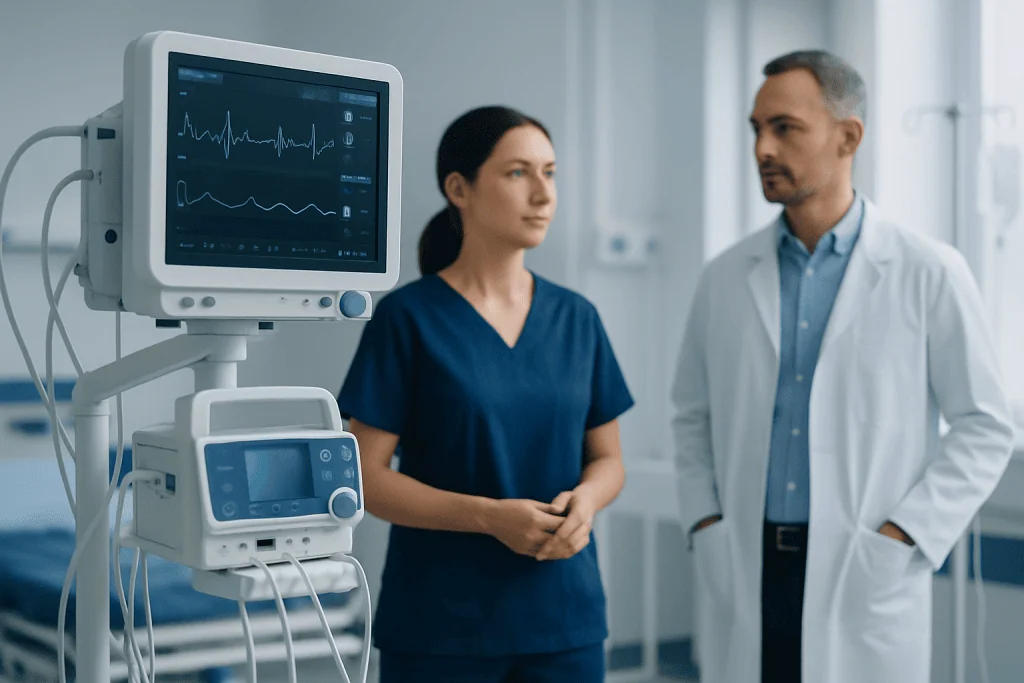
There is no single amount of wine that affects everyone the same way. Alcohol reaches the bloodstream from the stomach and small intestine, then travels to the brain. The speed and intensity of this process vary widely from person to person.
Several factors shape the effect of wine:
- Alcohol by volume (ABV): stronger wines deliver more alcohol per glass.
- Serving size: a large pour may equal more than one standard drink.
- How quickly it is consumed: drinking fast raises blood alcohol levels more rapidly.
- Food intake: eating before or while drinking usually slows absorption.
- Body size and composition: smaller body size often means stronger effects from the same amount.
- Sex and age: metabolism and body water content differ among individuals.
- Medicines or other substances: sedatives, sleep medicines, opioids, and some anxiety drugs can intensify impairment.
- Fatigue, dehydration, and general health: these can make alcohol feel stronger.
People sometimes compare wine with beer or spirits, but the better question is how much pure alcohol is in the drink. A large glass of strong wine can contain as much alcohol as other drinks that seem more potent. This is why pacing and portion awareness matter more than the type of beverage alone.
Tolerance also plays a role. Someone who drinks regularly may feel fewer outward effects at a given alcohol level, but this does not mean their reaction time, driving ability, or judgment are safe. Tolerance can mask impairment rather than prevent it.
Signs of mild, moderate, and severe intoxication
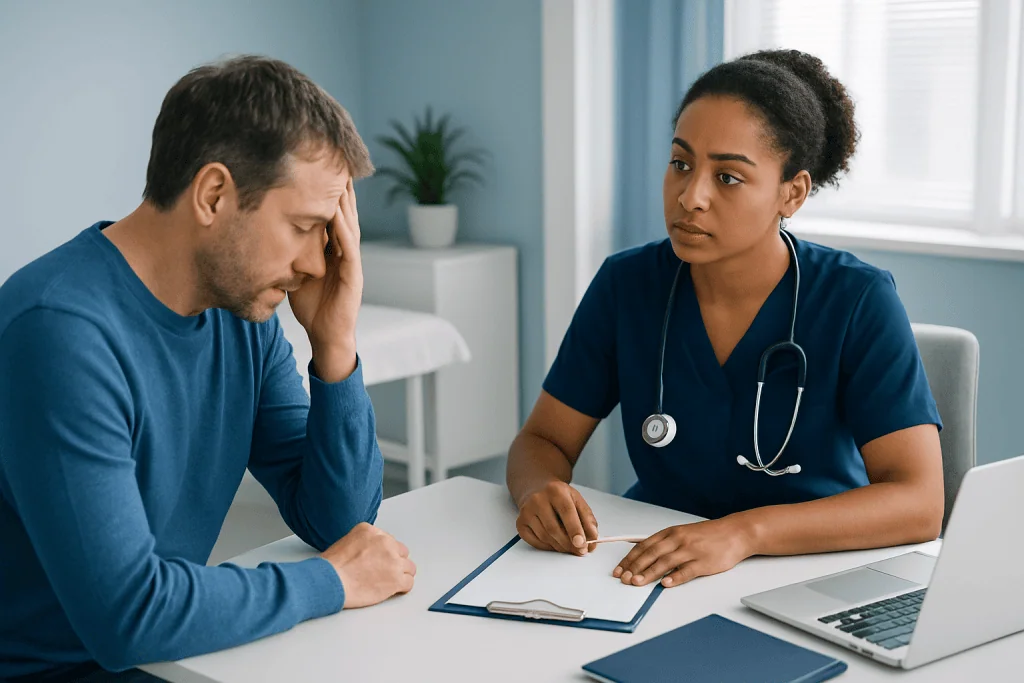
The effects of wine intoxication exist on a spectrum. Mild intoxication may include relaxation, talkativeness, flushed skin, lowered inhibitions, and reduced concentration. Many people also notice poorer coordination, subtle balance problems, or slower responses long before they think of themselves as drunk.
As intoxication becomes more noticeable, speech may become slurred, judgment may worsen, and walking may become unsteady. A person may misjudge risk, become emotional, or have gaps in memory. Nausea, vomiting, dizziness, and drowsiness are also common when intake increases.
Severe intoxication can become a medical emergency. Warning signs include confusion, inability to stay awake, repeated vomiting, very slow or irregular breathing, pale or bluish skin, low body temperature, seizures, or unconsciousness. In these situations, the problem is not simply “sleeping it off.” Alcohol can dangerously suppress breathing and protective reflexes.
Heavy alcohol use can also trigger or worsen other health problems, including injuries from falls, choking, dehydration, abnormal heart rhythms, and inflammation of the stomach or pancreas. In some cases, symptoms that seem like drunkenness may actually reflect low blood sugar, head injury, stroke, or another urgent illness.
When to seek medical care
Most mild effects after wine improve with time, hydration, rest, and avoiding further alcohol. A medical review is appropriate if symptoms are stronger than expected, if the person mixed alcohol with medicines or recreational drugs, or if there is concern about a fall, head injury, chest pain, severe abdominal pain, or persistent vomiting.
Urgent or emergency care is needed if the person cannot be awakened, is breathing slowly or irregularly, has a seizure, becomes severely confused, or shows signs of possible alcohol poisoning. It is also important to seek help if someone may have consumed much more alcohol than others realized, especially with high-strength wine, spirits, or mixed drinks.
A doctor should also be consulted if drinking repeatedly causes blackouts, loss of control, dangerous behavior, or distress in daily life. These patterns may suggest problematic alcohol use rather than a one-time episode. In some people, symptoms after even small amounts of alcohol can uncover another condition, such as an abnormal heart rhythm or low blood sugar.
If there are symptoms such as yellowing of the eyes, swelling, ongoing stomach pain, or a long history of heavy drinking, clinicians may also consider alcohol-related liver disease or pancreatic irritation. Depending on symptoms, doctors may evaluate for cirrhosis or pancreatitis as part of a broader medical assessment.
How doctors evaluate alcohol intoxication
Doctors usually begin with the history: what was consumed, how much, over what time period, whether food was eaten, and whether any medicines or other substances were involved. They also ask about age, body weight, past reactions to alcohol, and any underlying health conditions. If the person cannot answer, information from family or friends can be very helpful.
The physical examination focuses on safety and severity. Clinicians check breathing, pulse, blood pressure, temperature, oxygen level, alertness, pupil response, coordination, and signs of injury. This step is important because intoxication can hide other problems, including trauma, infection, low blood sugar, or neurological illness.
Tests are not needed for every mild case, but they may be used when symptoms are severe, prolonged, or unclear. A doctor might check blood glucose, electrolytes, kidney function, and alcohol level, or perform an electrocardiogram if there are palpitations or fainting concerns. If there is a fall, severe headache, confusion out of proportion to the reported drinking, or concern for bleeding, MRI or CT imaging may be considered based on the situation.
This evaluation helps distinguish straightforward intoxication from emergencies that can mimic it. It also guides treatment and follow-up, especially if the event suggests unsafe drinking patterns or an underlying medical condition.
Treatment and recovery
There is no instant way to sober up. Coffee, cold showers, exercise, or home remedies do not speed alcohol clearance from the bloodstream. Time is the main factor, along with a safe environment and monitoring until the effects wear off.
For mild symptoms, practical supportive care includes stopping alcohol, resting, sipping water if fully awake, and eating lightly if nausea is not severe. The person should not drive, swim, operate machinery, or make important decisions. It is safest not to leave an intoxicated person alone if they are sleepy or vomiting.
Medical treatment depends on severity and any related complications. In a hospital, care may include observation, oxygen, intravenous fluids when needed, blood sugar correction if low, anti-nausea treatment, and treatment of injuries or other illnesses. If alcohol misuse appears to be recurring, doctors may recommend counseling, mental health support, or a structured addiction treatment plan.
For international patients who need assessment of alcohol-related complications or coexisting conditions, Acibadem International’s multidisciplinary specialists and JCI-accredited hospitals provide diagnosis and treatment. If drinking has contributed to digestive symptoms, doctors may also use tests such as endoscopy when clinically appropriate.
Prevention and safer self-care
The best way to avoid getting drunk from wine is to limit intake, drink slowly, and know the strength and size of each serving. Alternating alcohol with water, eating before and during drinking, and avoiding drinking games or rapid refills can reduce the chance of accidental overconsumption.
It is especially important not to mix wine with sedating medicines, opioids, sleep aids, or other substances unless a doctor has specifically said it is safe. Alcohol can also worsen symptoms of anxiety, depression, reflux, migraine, and poor sleep in some people, even when intake seems moderate.
Practical planning makes a difference. Arrange a sober ride home, stay with trusted company, and stop drinking if dizziness, nausea, flushing, or unusual sleepiness begins early. Pregnancy, certain liver conditions, a history of alcohol use disorder, and some medicines may make complete avoidance the safest option.
If a person often feels compelled to keep drinking once they start, hides alcohol use, or experiences blackouts or relationship problems related to drinking, it is wise to speak with a healthcare professional. Early support can prevent more serious health and safety consequences later on.
Frequently asked questions
Can one glass of wine get someone drunk?
It can, especially in people with lower body weight, little alcohol tolerance, no recent food intake, or when the pour is large or the wine is strong. Some people may not feel “drunk” after one glass but can still have impaired judgment and slower reaction time.
Is wine less intoxicating than beer or liquor?
Not necessarily. What matters most is how much pure alcohol is consumed, not just the type of drink. A large glass of wine may contain as much alcohol as other drinks that seem stronger.
How long does it take for wine to affect the body?
Alcohol can begin to affect the body within minutes, and the effects often become more noticeable over 30 to 90 minutes. The timing depends on how fast the wine is consumed, whether food was eaten, and individual metabolism.
What are the warning signs of alcohol poisoning after drinking wine?
Danger signs include severe confusion, repeated vomiting, seizures, slow or irregular breathing, bluish skin or lips, and inability to wake the person. These symptoms need urgent medical attention because alcohol can suppress breathing and consciousness.
Does eating food prevent getting drunk from wine?
Eating does not prevent intoxication, but it usually slows alcohol absorption and may reduce how quickly blood alcohol levels rise. A person can still become impaired if enough wine is consumed.
Can medicines make wine affect someone more strongly?
Yes. Sleep medicines, opioids, anti-anxiety drugs, some antidepressants, and other sedating substances can increase drowsiness, poor coordination, and breathing risk. Anyone taking regular medicines should ask a doctor or pharmacist about alcohol interactions.
Should someone sleep if they are very drunk from wine?
A mildly intoxicated person may become sleepy, but a very drowsy person should not simply be left alone to “sleep it off.” If they are hard to wake, vomiting repeatedly, or breathing abnormally, emergency care is needed right away.
References
- National Institute on Alcohol Abuse and Alcoholism
- Centers for Disease Control and Prevention
- World Health Organization
- MedlinePlus
- Mayo Clinic
This article is for general information only and is not a substitute for professional medical advice. Please consult a qualified doctor about your individual situation.
Explore treatments in Turkey — costs, top hospitals & a free quote
JCI-accredited · board-certified surgeons · reply within 24h
Add us as a Preferred Source to see more of our trusted health content across Google Search, AI Overviews and Discover.