Military Sleep Method: What Patients Need to Know

The military sleep method combines progressive muscle relaxation, calm breathing, and mental imagery. It may be helpful for occasional difficulty falling asleep, especially when stress or overthinking is involved.
Key Takeaways
- The military sleep method combines progressive muscle relaxation, calm breathing, and mental imagery.
- It may be helpful for occasional difficulty falling asleep, especially when stress or overthinking is involved.
- Results vary, and the method is not a cure for insomnia, sleep apnea, anxiety, or other sleep disorders.
- Good sleep habits such as a regular schedule, a dark room, and less evening screen time improve the chance of success.
- Ongoing sleep problems, loud snoring, breathing pauses, or daytime sleepiness deserve medical attention.
The military sleep method is a step-by-step relaxation technique designed to quiet muscle tension and racing thoughts at bedtime. It may help some people fall asleep more easily, but it is not a medical treatment and persistent sleep problems should be evaluated by a doctor.
What Is the Military Sleep Method?
The military sleep method is a bedtime relaxation routine that aims to help a person fall asleep by reducing physical tension and mental activity. In practical terms, it usually involves settling into a comfortable position, relaxing muscles in a specific order, slowing breathing, and shifting attention to a calming mental image or simple repeated phrase. Many people look it up when they want a non-drug way to quiet a busy mind at night.
It is important to understand what the method can and cannot do. The military sleep method is not a proven medical treatment for every sleep problem, and it is not a guarantee of rapid sleep. Instead, it is best seen as a relaxation tool that may support sleep onset in some people, especially when occasional stress, travel, irregular routines, or pre-sleep overthinking are making it harder to drift off.
From a clinical perspective, the method overlaps with established sleep strategies such as progressive muscle relaxation, guided imagery, and diaphragmatic breathing. These approaches are commonly used in behavioral sleep care because they lower mental and physical arousal. If the main issue is a true sleep disorder rather than temporary restlessness, relaxation alone may not be enough.
How the Method Is Usually Practiced
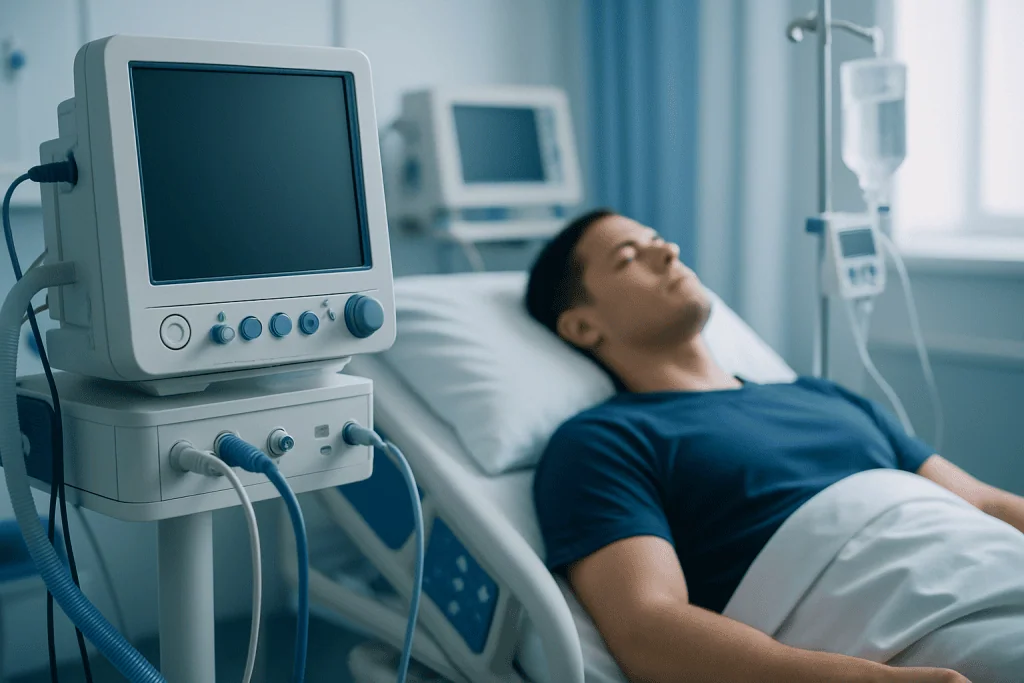
There is no single official version, but most descriptions follow a similar sequence. The person lies down or sits comfortably, lets the shoulders drop, relaxes the face, jaw, neck, arms, chest, abdomen, and legs one area at a time, and breathes slowly without forcing the breath. The goal is to notice and release tension rather than to perform the steps perfectly.
After relaxing the body, attention shifts to the mind. Some people picture a quiet scene, such as lying in a calm room or floating peacefully in still water. Others repeat a neutral phrase to interrupt a stream of thoughts. If distracting ideas arise, the method encourages gently returning attention to the chosen image or phrase instead of becoming frustrated.
A simple routine may include:
- Getting into a comfortable sleeping position
- Relaxing the forehead, eyes, jaw, and tongue
- Dropping the shoulders and loosening the arms and hands
- Taking slow, easy breaths and relaxing the chest and abdomen
- Releasing tension in the hips, thighs, calves, and feet
- Using calming imagery or a repeated word or phrase
For many patients, consistency matters more than speed. Practicing the same short routine each night can train the brain to associate those steps with winding down. Even if sleep does not come quickly every time, the method may still help reduce bedtime stress.
Why It May Help Some People Sleep

Falling asleep requires a shift from alertness to a calmer state. Stress, anxious thinking, pain, irregular schedules, noise, light, caffeine, and too much screen exposure can keep the nervous system activated. Relaxation methods may help by reducing muscle tension, slowing breathing, and giving the mind a gentle point of focus instead of leaving it free to spiral through worries or to-do lists.
This may be especially useful for people who feel “tired but wired” at bedtime. A relaxation sequence can work as a behavioral cue that sleep is approaching. For some, the method also reduces performance pressure. Trying to force sleep often increases frustration, while a structured routine gives the person something restful to do without constantly checking the clock.
Still, not every sleep problem responds the same way. If someone has untreated insomnia, chronic pain, depression, medication-related sleep disruption, or a breathing-related sleep disorder such as sleep apnea, a relaxation technique may help only partly or not at all. In these situations, evaluation and targeted treatment are often needed.
What the Military Sleep Method Cannot Replace
Because the military sleep method gets attention online, some people assume it is a complete answer to poor sleep. In reality, it should not replace assessment when symptoms suggest a medical cause. Persistent difficulty falling asleep, staying asleep, waking too early, loud snoring, pauses in breathing, restless legs, frequent nightmares, or significant daytime fatigue can point to specific conditions that need more than a bedtime routine.
It also should not be viewed as a substitute for evidence-based insomnia care. When sleep trouble becomes chronic, doctors may recommend behavioral treatments such as cognitive behavioral therapy for insomnia, which addresses thoughts, habits, and sleep scheduling. In selected cases, other approaches may be considered, but self-guided techniques work best when they are part of a broader plan rather than the entire plan.
Patients should also be careful not to turn the method into a source of pressure. Watching the clock, expecting immediate results, or feeling that one has “failed” if sleep does not come quickly can increase arousal. A calmer mindset is more helpful: the aim is to create conditions that support sleep, not to force it.
How to Improve the Chances That It Will Work
The military sleep method tends to work better when it is paired with good sleep hygiene. That means keeping a fairly regular sleep and wake time, limiting caffeine late in the day, avoiding heavy meals and alcohol close to bedtime, and creating a cool, dark, quiet sleeping environment. If the bedroom is strongly associated with work, television, or scrolling on a phone, the brain may stay more alert than expected.
It can help to build a short wind-down period before starting the method. This might include dimming lights, stopping stimulating activity, setting devices aside, and giving the mind time to slow down. A warm shower, light stretching, reading something calming, or brief journaling may ease the transition into the relaxation routine.
Additional habits that often support better sleep include:
- Going to bed only when sleepy rather than simply because the clock says so
- Getting morning daylight exposure to support the body clock
- Being physically active during the day, if medically appropriate
- Avoiding long or late naps when nighttime sleep is already difficult
- Getting out of bed for a short time if wakefulness becomes prolonged and frustrating
If sleep issues continue despite these steps, a clinician may look for underlying causes and discuss options such as a sleep study or referral to a specialist. In some cases, evaluation may also include attention to breathing, mood, medications, pain, or circadian rhythm factors.
When to Seek Medical Care
Occasional trouble falling asleep is common, especially during stressful periods, travel, illness, or schedule changes. However, medical care is appropriate when sleep problems are frequent, last for weeks, interfere with work or daily life, or cause persistent daytime sleepiness, poor concentration, or mood changes. A doctor can help identify whether the issue is mainly behavioral, psychological, neurologic, respiratory, or related to another medical condition.
Prompt assessment is particularly important if a person snores loudly, gasps during sleep, stops breathing, falls asleep unintentionally during the day, has unusual movements during the night, or feels sleepy while driving. These symptoms may point to disorders that need formal evaluation and treatment. Some patients may benefit from sleep apnea treatment or a structured insomnia treatment plan rather than relying only on relaxation methods.
Patients who have depression, anxiety, post-traumatic stress, chronic pain, heart or lung disease, or concerns about medication side effects should also discuss sleep problems with a qualified clinician. Near the end of the care pathway, if expert evaluation is needed, Acibadem International’s multidisciplinary specialists and JCI-accredited hospitals diagnose and treat sleep-related conditions for international patients.
A Practical, Balanced View for Patients
For patients, the most useful way to think about the military sleep method is as a practical tool rather than a miracle solution. It may help settle the body and mind, and it is generally safe for most people to try. Because it is simple, low-cost, and easy to repeat, it can be a reasonable part of a healthy bedtime routine.
At the same time, better sleep often depends on the larger picture. Stress management, regular routines, mental health support, treatment of snoring or breathing disorders, pain control, and review of medications may all matter. If a person repeatedly struggles to sleep, the next step should not be to keep trying harder at one technique, but to ask why sleep is being disrupted.
A balanced plan often works best: use relaxation methods consistently, improve sleep habits, and seek professional advice when symptoms persist or suggest an underlying disorder. That approach respects both the potential benefits of the military sleep method and the importance of evidence-based medical care.
Frequently asked questions
Does the military sleep method really work?
It may help some people fall asleep faster by promoting relaxation and reducing mental overactivity. Results vary from person to person, and it is not a guaranteed fix for persistent sleep problems or diagnosed sleep disorders.
Is the military sleep method the same as treatment for insomnia?
No. The military sleep method is a self-help relaxation technique, while insomnia treatment may involve a medical assessment and evidence-based behavioral therapy. If sleep difficulty is frequent or long-lasting, professional evaluation is important.
How long should a person try the military sleep method before deciding it is not enough?
It is reasonable to practice it consistently for several nights or a few weeks as part of a regular bedtime routine. If sleep remains poor, daytime functioning is affected, or symptoms such as snoring or breathing pauses are present, a doctor should be consulted sooner.
Can the military sleep method help with anxiety at bedtime?
It may help reduce bedtime tension by slowing breathing and guiding attention away from racing thoughts. However, if anxiety is strong, frequent, or affecting daily life, treatment for anxiety itself may also be needed.
Is the military sleep method safe for most people?
For most adults, yes, because it mainly involves relaxation, comfortable positioning, and mental imagery. Still, if lying down causes breathing discomfort, chest symptoms, panic, or pain, a clinician should be asked for advice.
When should snoring or daytime sleepiness be taken seriously?
Loud snoring, witnessed pauses in breathing, choking or gasping at night, morning headaches, and excessive daytime sleepiness should not be ignored. These can be signs of sleep apnea or another sleep disorder that needs medical evaluation.
References
- American Academy of Sleep Medicine
- National Heart, Lung, and Blood Institute
- Centers for Disease Control and Prevention
- National Institute of Neurological Disorders and Stroke
This article is for general information only and is not a substitute for professional medical advice. Please consult a qualified doctor about your individual situation.
Explore treatments in Turkey — costs, top hospitals & a free quote
JCI-accredited · board-certified surgeons · reply within 24h
Add us as a Preferred Source to see more of our trusted health content across Google Search, AI Overviews and Discover.

More from the Health Library



Related Specialists

Dr. Mehmet Erem
Otorhinolaryngology
Dr. Civan Kalafat
Gynecology & Obstetrics
Prof. Dr. Gültekin Karakuş
Cardiology
Funda Özdemir
Physical Medicine & Rehabilitation