Chemo Brain: What Patients Need to Know
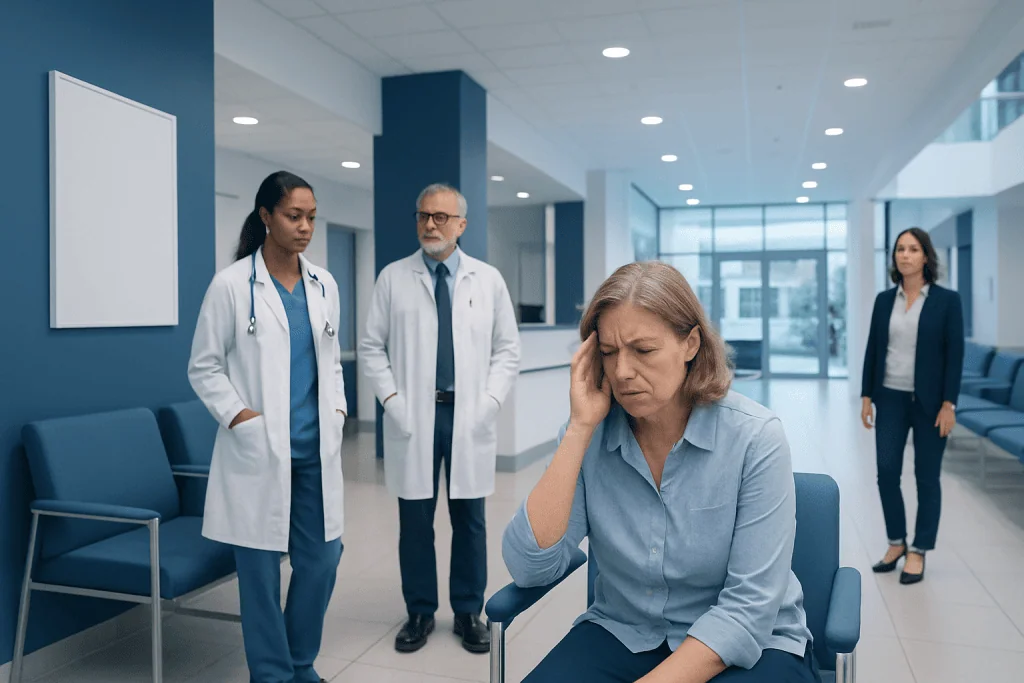
Chemo brain describes thinking and memory changes linked to cancer and its treatment, not only chemotherapy itself. Symptoms may include forgetfulness, trouble concentrating, slower thinking, and difficulty multitasking.
Key Takeaways
- Chemo brain describes thinking and memory changes linked to cancer and its treatment, not only chemotherapy itself.
- Symptoms may include forgetfulness, trouble concentrating, slower thinking, and difficulty multitasking.
- Many factors can contribute, including chemotherapy, hormone therapy, fatigue, sleep problems, stress, pain, and anemia.
- Evaluation focuses on symptoms, medical history, medications, mood, sleep, and other treatable causes.
- Helpful strategies include routines, reminders, physical activity, sleep support, and cognitive rehabilitation when needed.
- New, severe, or rapidly worsening neurological symptoms need prompt medical attention.
Chemo brain is the common name for changes in memory, attention, processing speed, or mental clarity that can happen during or after cancer treatment. It is real, often temporary, and manageable with medical guidance, practical coping strategies, and support for the underlying causes.
Overview: what chemo brain means
Chemo brain is a patient-friendly term for changes in memory, attention, word-finding, organization, or mental speed that can occur during or after cancer treatment. Doctors may also call it cancer-related cognitive impairment or cancer-related cognitive dysfunction. Although the name highlights chemotherapy, these changes can also be linked to the cancer itself, other treatments, and the overall physical and emotional effects of illness.
People often describe chemo brain as “brain fog.” They may notice that everyday tasks take longer, they lose track of details more easily, or they struggle to focus in busy environments. These symptoms can be mild or more disruptive, and they may appear during treatment, shortly afterward, or sometimes later in recovery.
For many patients, symptoms improve over time. Even when they last longer, there are practical ways to reduce their impact and identify contributing factors that may be treatable. A clinician may also consider whether symptoms overlap with issues such as fatigue, sleep disturbance, anxiety, depression, hormonal changes, or other neurological conditions.
Common symptoms and how they can affect daily life

The symptoms of chemo brain vary from person to person. Some patients mainly notice memory lapses, while others feel mentally slower or less able to focus. These changes are usually subtle on the outside, but they can still affect work, family life, and confidence.
Common symptoms include:
- Forgetting names, appointments, or recent conversations
- Trouble concentrating on reading, conversations, or tasks
- Difficulty finding the right word
- Feeling mentally slower than usual
- Problems multitasking or switching between tasks
- Difficulty planning, organizing, or following complex instructions
- Feeling overwhelmed in noisy or fast-paced settings
These symptoms can be frustrating, especially for people who are used to functioning at a high level. They may become more noticeable when a person is tired, stressed, in pain, or not sleeping well. In some cases, the pattern can resemble symptoms seen in memory disorders, but chemo brain is different in cause and context, and a medical assessment can help clarify what is happening.
What causes chemo brain?

There is no single cause of chemo brain. Researchers believe it usually results from several overlapping factors. Chemotherapy may affect the brain directly or indirectly through inflammation, changes in the immune system, or effects on blood counts and energy levels. However, chemotherapy is only one part of the picture.
Other cancer treatments can also contribute. Hormone therapy, targeted therapy, immunotherapy, radiation, and some supportive medicines may affect concentration, mood, or sleep. The cancer itself can place stress on the body, and treatment schedules can disrupt normal routines, nutrition, and rest.
Additional contributors may include anemia, chronic pain, infection, dehydration, poor sleep, menopause symptoms, anxiety, depression, and post-treatment stress. Some people are also more vulnerable because of age, prior learning or attention difficulties, or preexisting neurological conditions. This is one reason a careful evaluation matters: a symptom called chemo brain may have multiple treatable causes behind it.
How doctors evaluate cognitive changes after cancer treatment
Diagnosis is based on symptoms, medical history, and clinical assessment rather than one single test. A doctor will usually ask when the symptoms started, which treatments the patient has received, how symptoms affect daily life, and whether there are problems with sleep, mood, pain, or medication side effects. Bringing a family member or keeping a written symptom log can be helpful.
The evaluation may include a physical and neurological examination, blood tests, and a review of medicines such as sleep aids, pain medicines, anti-nausea drugs, or other treatments that may affect attention. Depending on the situation, clinicians may also screen for thyroid problems, anemia, vitamin deficiencies, depression, or anxiety. If symptoms are more complex, formal neuropsychological testing can provide a clearer picture of memory, attention, and executive function.
Brain imaging is not needed for every person with chemo brain, but it may be recommended if symptoms are new, severe, progressive, or associated with headaches, weakness, seizures, or other concerning neurological signs. In some cases, doctors may use advanced testing through brain MRI or other neurological evaluation to rule out other causes.
Treatment and support options
There is no single medicine that works for every case of chemo brain, so treatment usually focuses on managing contributing factors and improving day-to-day function. A care team may address fatigue, pain, anemia, sleep disturbance, anxiety, depression, menopause symptoms, or medication side effects. When these issues improve, thinking and memory often improve as well.
Supportive care can include cognitive rehabilitation, occupational therapy, counseling, stress management, and structured exercise. Cognitive rehabilitation teaches strategies to improve attention, memory, and organization. Some patients benefit from working with specialists in rehabilitation if symptoms interfere with work, study, or independent routines.
General brain-healthy habits can also make a difference. Regular physical activity, adequate hydration, balanced meals, and consistent sleep support mental clarity. People should speak with their doctor before trying supplements or over-the-counter products promoted for memory, as evidence may be limited and interactions with cancer treatment are possible.
Near the end of treatment or during survivorship follow-up, persistent symptoms deserve an open discussion rather than being dismissed. Multidisciplinary teams, including oncologists, neurologists, psychologists, and rehabilitation professionals, can help create a plan. Acibadem International’s multidisciplinary specialists in JCI-accredited hospitals also diagnose and treat cognitive changes related to cancer care for international patients when further evaluation is needed.
Self-care strategies that can make daily life easier
Many patients find that simple, consistent habits reduce the burden of chemo brain. The goal is not to “push through” but to conserve mental energy and make tasks easier to manage. Building routines can lower the number of decisions the brain has to make each day.
Helpful self-care strategies include:
- Using a planner, phone reminders, or a single notebook for appointments and tasks
- Doing one task at a time instead of multitasking
- Breaking large tasks into smaller steps
- Keeping important items in the same place every day
- Scheduling demanding tasks for the time of day when energy is best
- Taking short breaks to prevent mental overload
- Prioritizing sleep, gentle exercise, and hydration
Family support matters too. Loved ones can help by reducing distractions during important conversations, writing down plans, and being patient if the person needs more time to think or respond. Returning to work or school may be easier with temporary adjustments, such as fewer interruptions, written instructions, or more flexible deadlines.
When to seek medical care
Mild memory and concentration changes are common during cancer treatment, but they should still be discussed with the treating team if they persist, worsen, or interfere with daily activities. A patient should seek medical advice if symptoms affect work, medication management, driving, safety at home, or the ability to follow treatment instructions.
Urgent medical care is important if cognitive changes come on suddenly or are accompanied by severe headache, confusion, fever, fainting, seizure, new weakness, numbness, vision changes, or trouble speaking. These symptoms are not typical of routine chemo brain and may point to another medical problem that needs prompt attention.
It is also wise to mention emotional symptoms such as panic, persistent sadness, poor sleep, or loss of motivation, because these can worsen concentration and may respond well to treatment. If a patient is unsure whether a symptom is expected, it is always reasonable to ask a qualified doctor for guidance.
Frequently asked questions
Is chemo brain a real medical problem?
Yes. Chemo brain is a widely used term for cognitive changes that can happen during or after cancer treatment. The symptoms are real, even when standard tests appear normal, and they deserve discussion with a healthcare professional.
Does chemo brain only happen with chemotherapy?
No. Although the term mentions chemotherapy, similar thinking and memory changes can be linked to the cancer itself, other treatments, fatigue, sleep problems, pain, stress, or mood changes. A full assessment helps identify which factors may be playing a role.
How long does chemo brain last?
It varies. Some people notice improvement within weeks or months after treatment, while others have symptoms that last longer. Persistent symptoms should be reviewed by a doctor because treatable contributors may be present.
Can chemo brain be treated?
There is not one standard treatment for everyone, but many people improve with supportive care and management of contributing factors. Treatment may include sleep support, exercise, counseling, cognitive rehabilitation, medication review, and addressing anemia, pain, or mood symptoms.
What can patients do at home to cope with chemo brain?
Practical strategies often help. Using reminders, keeping a routine, focusing on one task at a time, taking breaks, and protecting sleep can reduce day-to-day difficulties. Family support and workplace or school adjustments may also make recovery easier.
When is memory trouble during cancer treatment an emergency?
Sudden confusion, new weakness, trouble speaking, seizures, severe headache, fever, fainting, or major vision changes need prompt medical attention. These symptoms are not typical of routine chemo brain and may indicate another urgent condition.
References
- National Cancer Institute
- American Cancer Society
- American Society of Clinical Oncology
- National Comprehensive Cancer Network
- Centers for Disease Control and Prevention
This article is for general information only and is not a substitute for professional medical advice. Please consult a qualified doctor about your individual situation.
Oncology care in Turkey — second opinion and treatment plan
JCI-accredited · board-certified surgeons · reply within 24h
Add us as a Preferred Source to see more of our trusted health content across Google Search, AI Overviews and Discover.