Female Hormones: What Patients Need to Know

Female hormones include estrogen, progesterone, testosterone, follicle-stimulating hormone, and luteinizing hormone. Hormone levels change normally during puberty, the menstrual cycle, pregnancy, postpartum, and menopause.
Key Takeaways
- Female hormones include estrogen, progesterone, testosterone, follicle-stimulating hormone, and luteinizing hormone.
- Hormone levels change normally during puberty, the menstrual cycle, pregnancy, postpartum, and menopause.
- Symptoms of imbalance may include irregular periods, acne, hot flashes, sleep changes, mood shifts, infertility, or unwanted hair growth.
- Diagnosis depends on symptoms, medical history, physical examination, and sometimes blood tests or pelvic ultrasound.
- Treatment is guided by the cause and may include lifestyle measures, medicines, or specialist care.
Female hormones are chemical messengers that help regulate the menstrual cycle, fertility, sexual health, bone strength, metabolism, sleep, and mood. Their levels naturally change across life stages, but symptoms such as very irregular periods, heavy bleeding, hot flashes at an unusual age, or new unwanted hair growth may suggest a hormone-related problem that deserves medical care.
Understanding female hormones
Female hormones are chemical messengers made mainly by the ovaries, brain, adrenal glands, thyroid, and body fat. They travel through the bloodstream and help coordinate many body functions, especially menstruation, ovulation, fertility, pregnancy, sexual health, temperature regulation, bone maintenance, and energy balance.
The best-known female hormones are estrogen and progesterone, but they are not the only ones involved. Follicle-stimulating hormone (FSH) and luteinizing hormone (LH), released by the pituitary gland, help control the menstrual cycle and ovulation. Testosterone is also present in women in smaller amounts and contributes to sexual desire, muscle health, and overall well-being.
Hormone levels are not supposed to stay the same every day. They rise and fall in a predictable way during the menstrual cycle and shift again during puberty, pregnancy, after childbirth, and menopause. Because of this, a “normal” hormone result often depends on age, cycle timing, symptoms, and whether a person is pregnant, breastfeeding, or using hormonal contraception.
What estrogen, progesterone, and other hormones do
Estrogen supports the growth of the uterine lining, helps regulate periods, and affects the brain, skin, bones, blood vessels, and vaginal tissues. It also plays a role in cholesterol balance and bone strength. Progesterone rises after ovulation and prepares the uterine lining for a possible pregnancy. If pregnancy does not occur, progesterone levels fall and a period begins.
FSH and LH act like signals from the brain to the ovaries. FSH helps mature ovarian follicles, while LH triggers ovulation. Prolactin helps with milk production after childbirth. Thyroid hormones are not female-specific, but they strongly influence menstrual regularity, energy, temperature sensitivity, and fertility. This is one reason thyroid disorders can sometimes look like a reproductive hormone problem.
Insulin and cortisol can also affect female hormone balance. Insulin resistance may contribute to irregular ovulation and symptoms seen in polycystic ovary syndrome (PCOS). Long-term stress and higher cortisol levels may worsen sleep, mood, appetite, and cycle changes, although they are not the sole cause of most hormone disorders.
How female hormones change through life

Puberty is the first major hormonal transition. Estrogen production increases, breast development begins, body composition changes, and menstrual cycles start. In the first few years after the first period, cycles may be somewhat irregular because ovulation is still maturing. This can be normal, but very heavy bleeding or severe pain should still be discussed with a doctor.
During the reproductive years, hormone levels fluctuate throughout the menstrual cycle. Estrogen typically rises before ovulation, progesterone becomes more dominant afterward, and both drop before menstruation. These shifts can influence breast tenderness, appetite, cervical mucus, body temperature, skin changes, and mood. Some people have mild symptoms, while others experience more noticeable premenstrual changes.
Pregnancy causes large hormonal shifts that support the developing baby and prepare the body for childbirth and breastfeeding. After delivery, estrogen and progesterone fall quickly, which can affect mood, bleeding patterns, and recovery. Later in life, perimenopause and menopause bring another major transition. Ovarian hormone production becomes less predictable, and symptoms such as irregular periods, hot flashes, vaginal dryness, and sleep disturbance may appear. Some women seek support through menopause treatment when symptoms interfere with daily life.
Signs that hormones may be out of balance
Because female hormones affect many organs, symptoms can vary widely. Common concerns include irregular periods, skipped periods, very heavy bleeding, severe menstrual pain, trouble becoming pregnant, acne, thinning scalp hair, new facial or body hair growth, low libido, vaginal dryness, night sweats, hot flashes, fatigue, and changes in sleep or mood. These symptoms do not always mean there is a hormone disorder, but they can be a clue.
It is also important to remember that symptoms may overlap with non-hormonal conditions. For example, weight change may be related to sleep, diet, medication, thyroid disease, or stress. Hair loss can be influenced by iron deficiency, illness, genetics, or postpartum changes. Mood symptoms may reflect hormone shifts, but anxiety, depression, and life stressors also deserve attention in their own right.
Some patterns are especially worth evaluating. These include periods becoming much farther apart or stopping unexpectedly, bleeding between periods, heavy bleeding that affects daily activities, symptoms of high androgen levels such as persistent acne and unwanted hair growth, or menopause-like symptoms at an unusually young age. Conditions such as endometriosis may also cause pelvic pain and painful periods, even though the issue is not simply “too many” or “too few” hormones.
Common causes of hormone-related symptoms
Many different conditions can affect female hormones. PCOS is a common cause of irregular ovulation, acne, and excess hair growth. Thyroid disorders can disrupt periods and fertility. Primary ovarian insufficiency, hypothalamic amenorrhea, elevated prolactin, and some adrenal disorders may also alter cycle patterns. In midlife, perimenopause is a frequent explanation for changing periods and vasomotor symptoms such as hot flashes.
Life circumstances and health factors can matter too. Pregnancy, breastfeeding, major stress, rapid weight loss, intense exercise, obesity, poor sleep, and some medications can all influence hormone signaling. Hormonal birth control changes bleeding patterns by design, so a lighter period, no period, or altered cycle timing may be expected depending on the method used.
Structural gynecologic conditions may exist alongside hormonal symptoms. Uterine fibroids or polyps can contribute to heavy bleeding, and ovarian cysts may be detected during evaluation. When fertility is a concern, doctors may recommend a broader reproductive assessment, including IVF treatment or other fertility care if appropriate, depending on the underlying diagnosis and a patient’s goals.
How doctors diagnose hormone problems
Diagnosis starts with a careful conversation rather than a single blood test. A doctor will usually ask about menstrual history, pregnancies, symptoms, medications, weight changes, stress, exercise, sleep, and family history. The timing of symptoms matters. For example, hot flashes, acne, painful periods, or skipped cycles point toward different causes and may require different tests.
A physical examination may include blood pressure, weight, thyroid assessment, skin and hair changes, and a pelvic exam when needed. Blood tests can sometimes measure hormones such as FSH, LH, estradiol, progesterone, prolactin, thyroid-stimulating hormone, and testosterone. However, hormone levels naturally change over time, so a result is most useful when interpreted in context. One isolated value rarely tells the whole story.
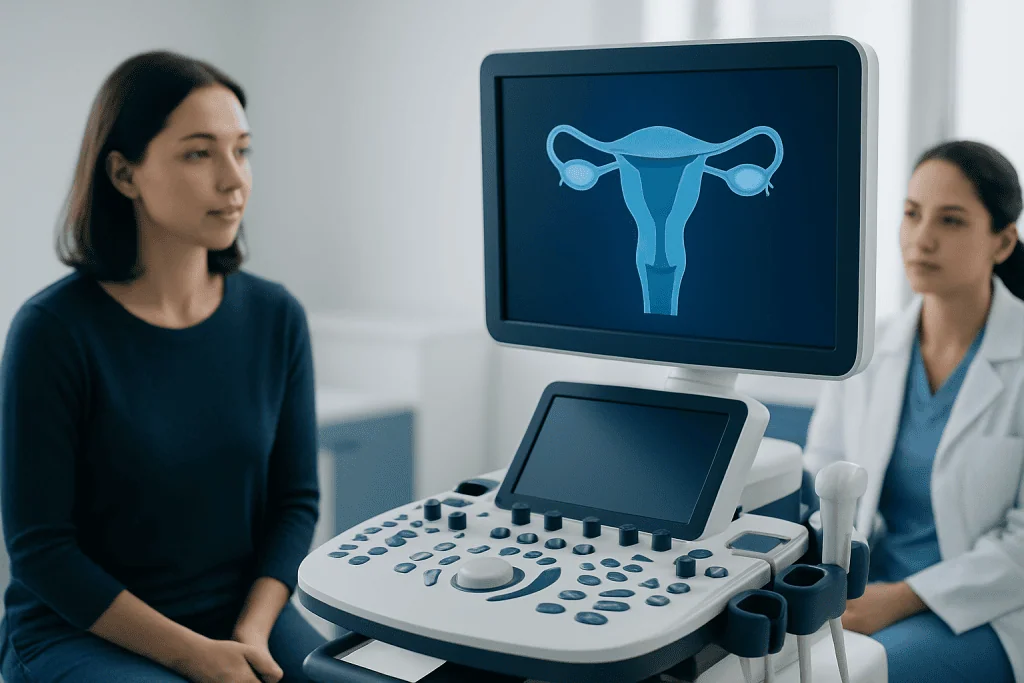
Pelvic ultrasound may be used to look at the ovaries and uterus, especially when periods are irregular, bleeding is heavy, or pelvic pain is present. Additional testing depends on the suspected cause. Some patients may benefit from consultation with gynecology, endocrinology, reproductive medicine, or a menopause specialist. In more complex situations, gynecology care can help coordinate evaluation and treatment choices.
Treatment options and self-care
Treatment depends on the cause, age, reproductive plans, and which symptoms are most bothersome. For some patients, reassurance and observation are enough because normal life-stage changes explain the symptoms. For others, treatment may involve hormonal contraception to regulate bleeding, medicines for thyroid disease or elevated prolactin, therapies for acne or excess hair growth, or menopause-focused care for hot flashes and vaginal symptoms.
Fertility-related treatment is individualized. If ovulation is irregular, care may focus on identifying the cause and supporting reproductive goals. When painful periods or pelvic pain suggest a condition such as endometriosis, treatment may include pain relief, hormonal suppression, or surgery in selected cases. Vaginal estrogen or non-hormonal moisturizers may help vaginal dryness in appropriate patients. A clinician can explain benefits and risks based on personal health history.
Self-care still matters, even when medical treatment is needed. Helpful habits include regular movement, balanced meals, enough protein and fiber, good sleep routines, stress management, and avoiding smoking. Keeping a symptom diary can also be useful. Tracking periods, bleeding amount, hot flashes, headaches, mood changes, sleep, and skin symptoms often helps both the patient and doctor see patterns more clearly.
When to seek medical care
Medical advice is recommended if periods suddenly become very irregular, stop for several months without pregnancy, or become unusually heavy or painful. It is also wise to seek care for bleeding between periods, new hot flashes before the typical age range of menopause, persistent acne with increased facial hair, unexplained nipple discharge, or difficulty becoming pregnant after trying for a reasonable time based on age and circumstances.
Urgent medical attention is needed for severe pelvic pain, very heavy bleeding causing dizziness or fainting, chest pain, shortness of breath, or symptoms of pregnancy complications. These problems are not explained by routine hormone fluctuation and should not be ignored.
Patients who need specialist assessment may benefit from multidisciplinary care. Acibadem International’s specialists and JCI-accredited hospitals diagnose and treat hormone-related gynecologic and reproductive conditions for international patients, including evaluation for obstetrics and gynecology concerns when appropriate. A qualified doctor can help determine whether symptoms reflect a normal hormonal transition or a treatable medical condition.
Frequently asked questions
What are the main female hormones?
The main female hormones include estrogen and progesterone, along with FSH and LH from the pituitary gland. Testosterone is also present in smaller amounts and contributes to libido, muscle health, and general well-being.
Is it normal for female hormones to change during the month?
Yes. Hormone levels naturally rise and fall across the menstrual cycle to support ovulation and menstruation. These shifts can affect energy, appetite, cervical mucus, breast tenderness, and mood to different degrees.
What are common symptoms of hormone imbalance in women?
Possible symptoms include irregular or missed periods, heavy bleeding, acne, hot flashes, night sweats, sleep changes, vaginal dryness, mood changes, low sex drive, and unwanted hair growth. These symptoms can have other causes too, so medical evaluation may be needed.
Can stress affect female hormones?
Stress can influence hormone signaling, especially sleep, appetite, cortisol levels, and menstrual regularity. However, persistent symptoms should not automatically be blamed on stress alone, because thyroid disease, PCOS, perimenopause, and other conditions may be involved.
How are female hormone problems tested?
Doctors usually begin with a detailed history and symptom review, then decide whether blood tests, ultrasound, or other studies are useful. Because hormones vary over time, test timing and clinical context are important when interpreting results.
Do all hormone symptoms require treatment?
No. Some changes are normal during puberty, after childbirth, or during perimenopause and may only need reassurance or lifestyle support. Treatment is considered when symptoms are persistent, disruptive, linked to an underlying condition, or affecting fertility or quality of life.
References
- World Health Organization
- American College of Obstetricians and Gynecologists
- Office on Women's Health
- National Institute for Health and Care Excellence
- Endocrine Society
This article is for general information only and is not a substitute for professional medical advice. Please consult a qualified doctor about your individual situation.
Hair transplant in Turkey — costs, graft counts & a free assessment
JCI-accredited · board-certified surgeons · reply within 24h
Add us as a Preferred Source to see more of our trusted health content across Google Search, AI Overviews and Discover.
Check your numbers in seconds
BMI, calories, due date, blood pressure and 30+ more clinical calculators — free, instant, doctor-reviewed ranges.

More from the Health Library



Related Specialists
Fzt. Sabit Kılıç
Physical Medicine & Rehabilitation
Prof. Dr. Fuat Bilgen
Cardiovascular Surgery
Asst. Prof. Dr. Funda Helvacıoğlu
Cardiology
Dr. Dora Selda Seçim
Pediatrics