Nefertiti Lift: Candidacy, Procedure Steps, and Recovery Timeline

A nefertiti lift uses botulinum toxin to relax the platysma muscle and improve the appearance of the jawline and neck. It works best for mild to moderate neck bands and early jowl formation, not for significant skin laxity.
Key Takeaways
- A nefertiti lift uses botulinum toxin to relax the platysma muscle and improve the appearance of the jawline and neck.
- It works best for mild to moderate neck bands and early jowl formation, not for significant skin laxity.
- The procedure is usually quick, office-based, and involves minimal downtime.
- Results develop gradually over days to weeks and typically need maintenance treatments.
- Possible side effects include bruising, swelling, asymmetry, and temporary weakness in nearby muscles.
- Evaluation by a qualified clinician is important to confirm candidacy and rule out safer or more effective alternatives.
A nefertiti lift is a non-surgical cosmetic procedure that uses botulinum toxin injections along the jawline and neck to relax specific muscles and create a smoother, more defined lower face. It is best suited to mild to moderate early sagging or prominent neck bands, and results are temporary rather than permanent.
Overview: What a Nefertiti Lift Is and How It Works
A nefertiti lift is a minimally invasive aesthetic treatment designed to improve the contour of the jawline and upper neck. It usually involves carefully placed botulinum toxin injections into the platysma, a thin superficial neck muscle that can pull the lower face downward over time. By relaxing selected portions of this muscle, the procedure may reduce visible vertical neck bands and allow the jawline to appear smoother and more defined.
The treatment is named after Queen Nefertiti, whose long neck and sharply defined jawline are often used as a visual reference. In practice, the goal is not to change facial identity but to soften early signs of aging in the lower face. Results are generally subtle to moderate and depend on skin quality, muscle activity, facial anatomy, and the skill of the injector.
A nefertiti lift is often discussed as a non-surgical alternative to more invasive contouring procedures. However, it does not remove loose skin, tighten deeper tissues, or replace surgery when laxity is advanced. In some cases, a clinician may recommend combining it with other options such as Botox treatment or energy-based skin tightening for a more balanced result.
Who May Be a Good Candidate
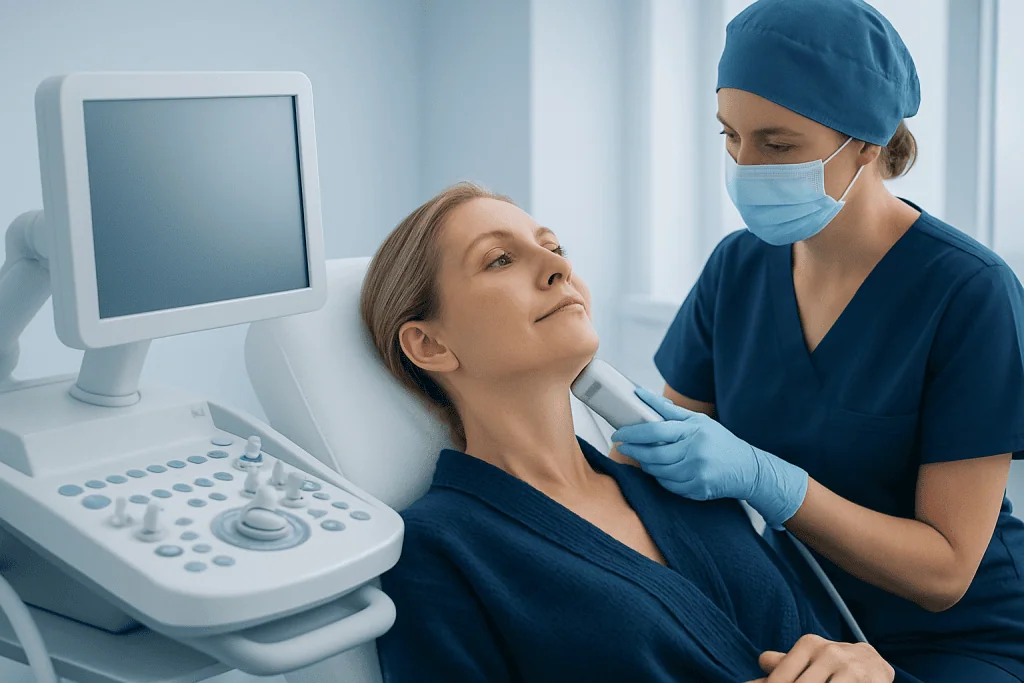
The best candidates for a nefertiti lift are usually adults with mild to moderate lower-face aging, especially those who notice visible platysmal bands, early jowling, or a less distinct jawline when the neck muscles are active. People who want a temporary, office-based option with little interruption to daily routine may also find it appealing.
Good candidacy depends on realistic expectations. A nefertiti lift can improve contour, but it does not create the same lifting effect as surgery. People with marked skin laxity, heavy jowls, significant fat under the chin, or structural changes in the deeper facial tissues may benefit more from another approach, such as facelift surgery or a tailored combination plan.
Not everyone is a suitable candidate. Botulinum toxin treatments may need to be postponed or avoided in people who are pregnant or breastfeeding, have certain neuromuscular conditions, have an active skin infection at the injection site, or have had previous reactions to the product. A full consultation helps identify whether the concern is primarily muscular, skin-related, or due to another factor such as weight changes or thyroid-related neck fullness.
Procedure Steps: What Happens Before, During, and Right After

Before the procedure, the clinician reviews medical history, medications, allergies, previous cosmetic treatments, and the patient’s goals. The face and neck are examined both at rest and during movement so the injector can see how strongly the platysma pulls on the lower face. Photographs may be taken to guide planning and to compare before-and-after results over time.
During treatment, the skin is cleansed and small amounts of botulinum toxin are injected at multiple points along the jawline and into targeted neck bands. The exact pattern varies by anatomy and muscle activity. The procedure is generally brief, and anesthesia is usually not necessary, though some clinics may use ice or a topical numbing product for comfort.
Afterward, most people return home or back to routine activities the same day. Mild redness, pinpoint swelling, or tenderness can occur at the injection sites and often settles quickly. Patients are usually advised to follow the treating clinician’s aftercare instructions, which may include avoiding vigorous exercise, heavy neck massage, or lying fully flat for several hours if recommended.
In selected cases, the treating team may suggest combining the nefertiti lift with other aesthetic planning if the concern includes volume loss, skin laxity, or textural changes. For example, some people who also have prominent under-chin fullness may need assessment for neck lift treatment rather than relying on muscle relaxation alone.
Recovery Timeline and What to Expect
Recovery after a nefertiti lift is usually straightforward. Immediately after treatment, there may be mild redness, tiny bumps at the injection points, or slight bruising. These effects are commonly short-lived. Most people are able to resume normal daily tasks the same day, although visible bruising can occasionally last several days.
Changes do not appear instantly. Early effects often begin within a few days, while the full cosmetic outcome typically develops over one to two weeks as the muscle gradually relaxes. During this period, the neck bands may appear softer and the jawline may look more refined. Some clinicians schedule a follow-up visit to assess symmetry and response.
Results are temporary. Over time, muscle activity returns and the appearance gradually shifts back toward baseline. Maintenance sessions are usually needed if a person wishes to preserve the effect. The duration can vary from person to person depending on metabolism, anatomy, dose, and prior exposure to botulinum toxin.
If recovery feels unusual, such as increasing pain, significant swelling, difficulty swallowing, or changes in speech, the patient should contact the treating clinician promptly. These problems are uncommon, but timely review is important to make sure recovery is proceeding as expected.
Benefits, Limitations, and Possible Risks
The main benefit of a nefertiti lift is that it offers a non-surgical way to improve lower-face contour in carefully selected patients. It is usually fast, requires little downtime, and avoids incisions. For people whose neck bands become more visible when they speak or tense the neck, relaxing the platysma can create a fresher and softer appearance.
Its limitations are equally important. The treatment does not shrink extra skin, remove excess fat, or reposition deeper sagging tissues. Because of this, the best results are usually seen in people with early aging changes rather than advanced laxity. A person looking for a dramatic or long-lasting lift may be disappointed if expectations are not discussed clearly beforehand.
Possible side effects include temporary bruising, swelling, redness, tenderness, headache, and mild asymmetry. More specific risks can include an unnatural smile, altered lower-face movement, neck weakness, or difficulty swallowing if the product affects nearby muscles. These issues are uncommon when treatment is performed by an experienced clinician, but they are important to understand before proceeding.
A skilled injector reduces risk by assessing muscle balance carefully, choosing injection points thoughtfully, and avoiding overtreatment. In some patients, neck contour concerns overlap with conditions such as double chin or age-related tissue descent, which may require a different strategy than botulinum toxin alone.
How Doctors Assess Results and Compare Alternatives
Assessment is based on anatomy, movement, and personal goals rather than a single standard template. Doctors look at the shape of the jawline, the visibility of platysmal bands, skin elasticity, fat distribution, and how the lower face moves when speaking or clenching. This helps determine whether the main issue is muscle pull, volume loss, skin laxity, or a combination of factors.
Alternative options may include dermal fillers, skin-tightening devices, liposuction in selected patients, or surgery. Fillers can support contour in some people, while surgery may be more suitable when loose skin and deeper tissue descent are significant. If symptoms or visible changes raise concern for causes unrelated to cosmetic aging, clinicians may also investigate other medical issues before planning treatment.
Some people benefit from combining therapies rather than relying on one procedure. A personalized plan can be especially helpful when jawline blurring involves more than one anatomic layer. The goal is to choose the least invasive option that is likely to provide a safe and meaningful improvement.
When to Seek Medical Care
A nefertiti lift is an elective cosmetic procedure, but medical review is important before treatment if there is a history of swallowing problems, neuromuscular disease, prior facial nerve issues, or repeated reactions to injectable products. A doctor should also assess any new lump, persistent one-sided swelling, sudden change in neck shape, or pain that does not fit a typical cosmetic concern.
After treatment, prompt medical advice is appropriate if there is worsening swelling, signs of infection, pronounced asymmetry, difficulty swallowing, shortness of breath, or trouble speaking. While serious complications are uncommon, symptoms involving breathing or swallowing should never be ignored.
People who are unsure whether the issue is cosmetic aging or another neck condition should seek professional evaluation rather than self-diagnosing. Near the end of the treatment journey, some international patients choose centers with multidisciplinary aesthetic and medical expertise; Acibadem International’s specialists in JCI-accredited hospitals evaluate and treat suitable patients with individualized care plans.
Frequently asked questions
How long does a nefertiti lift last?
Results are temporary and usually wear off gradually as muscle activity returns. The exact duration varies by person, but maintenance treatments are commonly needed to keep the effect.
Is a nefertiti lift the same as a surgical neck lift?
No. A nefertiti lift relaxes specific neck muscles with botulinum toxin, while surgery removes or repositions tissues more directly. The non-surgical option is best for mild to moderate concerns and does not replace surgery in advanced laxity.
Does a nefertiti lift hurt?
Most people describe the injections as tolerable, with brief pinching or stinging. Discomfort is usually mild and short, and the procedure is typically done without general anesthesia.
How soon will results be visible?
Some early changes may start within a few days, but the full effect often takes one to two weeks. Follow-up may be useful to assess the final result and check for symmetry.
What are the main side effects of a nefertiti lift?
Common short-term effects include redness, swelling, bruising, or tenderness at injection sites. Less common but more important risks include asymmetry, neck weakness, and temporary difficulty swallowing if nearby muscles are affected.
Who should avoid a nefertiti lift?
It may not be suitable for people who are pregnant or breastfeeding, have certain neuromuscular disorders, have an infection where injections would be placed, or have had prior allergic reactions to the product. A qualified clinician can review individual risks and determine whether another treatment would be safer.
References
- American Society of Plastic Surgeons
- American Academy of Dermatology
- U.S. Food and Drug Administration
- American Board of Cosmetic Surgery
This article is for general information only and is not a substitute for professional medical advice. Please consult a qualified doctor about your individual situation.
Explore treatments in Turkey — costs, top hospitals & a free quote
JCI-accredited · board-certified surgeons · reply within 24h
Add us as a Preferred Source to see more of our trusted health content across Google Search, AI Overviews and Discover.

More from the Health Library



Related Specialists

Assoc. Prof. Dr. Murat İçen
Check Up & Wellness Center
Assoc. Prof. Dr. Ata Can
Orthopedic Surgery & Traumatology
Dr. Abdurrahman Şaban
Pulmonology
Assoc. Prof. Dr. Yusuf Karakaş
Medical Oncology