

Degeneration — Explained by Medical Evidence, Not Myths

Degeneration describes progressive change or breakdown in body tissues; it is not one single disease. It can affect many parts of the body, including joints, spine, brain, eyes, heart valves, and discs.
Key Takeaways
- Degeneration describes progressive change or breakdown in body tissues; it is not one single disease.
- It can affect many parts of the body, including joints, spine, brain, eyes, heart valves, and discs.
- Symptoms depend on the area involved and may include pain, stiffness, weakness, numbness, vision changes, or memory problems.
- Diagnosis usually combines medical history, physical examination, and tests such as imaging or laboratory studies.
- Treatment focuses on the cause, symptom relief, protecting function, and slowing further decline when possible.
- New or worsening symptoms should be assessed by a qualified doctor rather than assumed to be 'normal aging.'
Degeneration is a medical term for gradual decline in the structure or function of cells, tissues, organs, or body systems. It is not a diagnosis by itself, but a description that helps doctors explain changes linked to aging, repetitive stress, reduced blood supply, inherited conditions, or disease.
Overview: what degeneration really means
Degeneration means that a part of the body is gradually changing in a way that reduces its normal structure or function. In medical use, the term is broad: it may refer to cartilage wearing down in a joint, spinal discs losing water and elasticity, nerve cells becoming damaged, or tissues changing because of reduced blood supply, inflammation, injury, or long-term disease.
This is why degeneration should not be understood as a single illness. It is better thought of as a process. Some degenerative changes are common with aging and may cause few or no symptoms, while others are linked to a specific disorder and can affect daily life more clearly.
Medical evidence does not support the idea that all degeneration is inevitable, untreatable, or the same in every person. The clinical meaning depends on where the change is happening, how severe it is, what symptoms are present, and whether there is an identifiable cause that can be managed.
Where degeneration can happen in the body
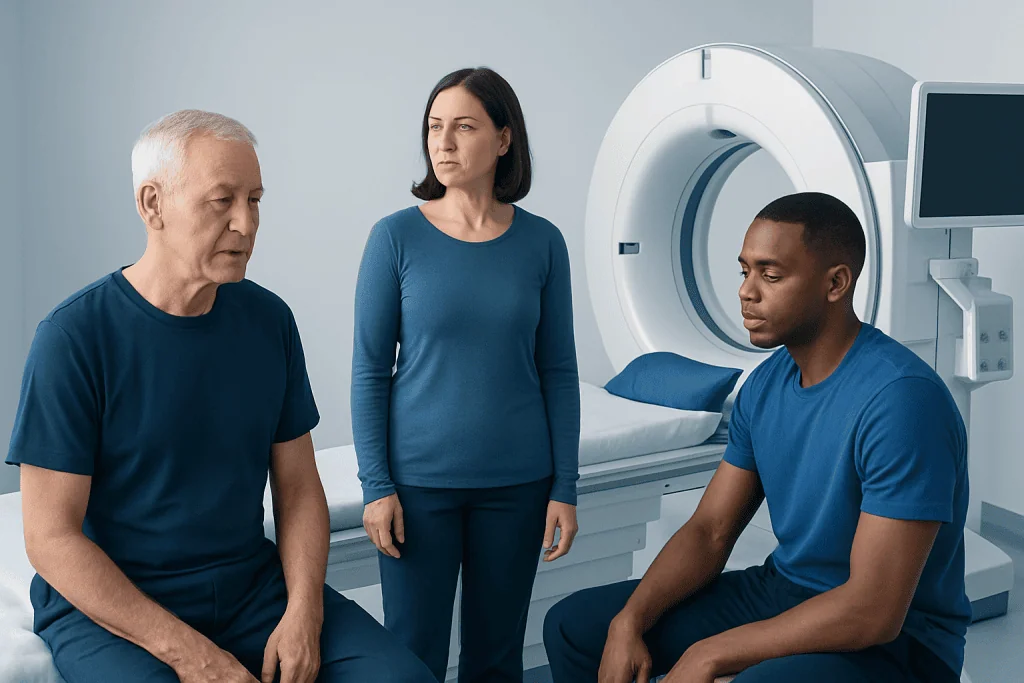
Degenerative changes can develop in many body systems. In the musculoskeletal system, common examples include osteoarthritis, wear in the spinal discs, and age-related changes in tendons. These may lead to pain, stiffness, reduced mobility, or nerve pressure if nearby structures are affected.
In the nervous system, degeneration may involve progressive loss of nerve cells or supportive tissues. Depending on the region involved, this can affect memory, movement, balance, speech, or sensation. Some people may also hear the term when discussing age-related changes in the eyes, such as the retina, or in cardiovascular structures like heart valves.
Because the term is so broad, context matters. A report stating there are “degenerative changes” on an X-ray or MRI does not automatically mean severe disease. It means a doctor needs to interpret the finding together with symptoms, physical examination, and the person’s overall health. In some cases, degenerative findings overlap with conditions such as osteoarthritis or a herniated disc, but not every scan abnormality explains a person’s symptoms.
Symptoms and signs of degeneration

Symptoms vary by the tissue or organ involved. When degeneration affects joints or the spine, people may notice pain with movement, stiffness after rest, reduced flexibility, swelling, clicking, or weakness. If nerves are compressed or damaged, there may be numbness, tingling, burning pain, poor coordination, or muscle wasting.
When the brain or nervous system is affected, symptoms can include memory changes, slower thinking, tremor, balance problems, difficulty walking, or changes in speech. Degeneration in the eyes may cause blurred central vision, distortion, or trouble seeing in low light. In other organs, symptoms may be more subtle at first and develop gradually over time.
It is also important to know that degeneration may be visible on imaging before symptoms begin. Conversely, symptoms can be significant even when imaging changes seem mild. That mismatch is one reason doctors evaluate the whole clinical picture rather than relying on a single scan report or using the term degeneration as a final diagnosis.
- Pain, stiffness, or reduced range of motion
- Numbness, tingling, or weakness
- Balance, gait, or coordination problems
- Memory, concentration, or movement changes
- Vision changes or reduced function in a specific organ
Causes, aging, and risk factors
Aging is one of the most common contributors to degeneration, but it is not the only cause. Over time, tissues may lose water content, elasticity, repair capacity, or blood supply. This can make cartilage thinner, discs less resilient, nerves more vulnerable, and other structures more likely to change in form or function.
Other factors may accelerate degeneration or make symptoms more likely. These include repetitive physical strain, previous injury, chronic inflammation, obesity, smoking, poor circulation, metabolic disease such as diabetes, genetic predisposition, and certain neurological or autoimmune disorders. Poor posture and physically demanding work can also contribute to stress on joints and the spine.
Some myths suggest degeneration always comes from “wear and tear” alone. In reality, the process is often multifactorial. For example, disc degeneration may reflect age-related changes, biomechanics, genetics, and inflammation together. Similarly, degenerative changes in the brain may be related to a defined neurodegenerative condition rather than aging alone.
How doctors diagnose degeneration
Doctors begin by asking about symptoms, their timing, and how they affect daily activities. They also review past injuries, work demands, exercise habits, medications, and family history. A focused physical examination helps identify loss of movement, tenderness, weakness, reflex changes, sensory loss, balance difficulty, or signs pointing to a particular organ system.
Tests depend on the suspected location and cause. X-rays may show joint space narrowing, bone spurs, or alignment changes. MRI can give more detail about discs, nerves, cartilage, ligaments, and soft tissues, while CT may be useful for certain bony structures. In other situations, blood tests, nerve conduction studies, eye examinations, cognitive assessments, or cardiac testing may be needed.
Diagnosis aims to answer several questions: what tissue is affected, how advanced the change is, whether there is active inflammation or another disease process, and which findings truly relate to symptoms. If surgery is being considered, detailed imaging may help guide options such as spine surgery or other targeted procedures when conservative care is not enough.
Treatment options and living with degeneration
Treatment is tailored to the underlying condition, the body area involved, and symptom severity. Many people improve with conservative care. This may include physical therapy, exercise programs that build strength and flexibility, posture training, weight management, activity modification, and pain-relief strategies recommended by a physician. Inflammatory causes may require treatment of the underlying disease rather than symptom control alone.
Medications are chosen according to the diagnosis and the person’s overall health. Depending on the situation, a doctor may recommend pain relievers, anti-inflammatory medicines, topical treatments, injections, or therapies directed at nerve-related symptoms. For neurological or organ-specific degeneration, treatment may focus on slowing progression where possible, supporting function, and protecting quality of life.
If symptoms are persistent, disabling, or related to structural damage, specialist procedures may be discussed. For severe joint damage, options can include knee replacement or hip replacement when appropriate. Rehabilitation is often an important part of recovery and long-term function.
Near the end of the diagnostic journey, some people benefit from coordinated care across specialties. Acibadem International’s multidisciplinary specialists and JCI-accredited hospitals diagnose and treat degenerative conditions for international patients, particularly when symptoms involve the spine, joints, or nervous system.
Prevention and self-care
Not all degeneration can be prevented, especially when age or inherited factors play a role. Still, healthy daily habits can reduce strain on tissues, improve resilience, and support long-term function. Regular low-impact exercise, muscle strengthening, stretching, and balance training help protect joints and the spine while also lowering fall risk.
Weight management can reduce pressure on weight-bearing joints. Avoiding tobacco supports blood flow and tissue repair. Good sleep, diabetes control, heart health, and attention to nutrition also matter because they influence inflammation, circulation, and the body’s ability to recover from stress.
Self-care should not mean self-diagnosis. A scan report or internet search cannot determine whether symptoms are due to harmless age-related changes, a treatable orthopedic issue, or a more specific problem such as Parkinson’s disease. Safe self-care is most effective when paired with professional guidance, especially if symptoms are progressing.
When to seek medical care
Medical review is advisable when pain, stiffness, weakness, numbness, memory changes, or vision symptoms last more than a short time, keep returning, or begin to limit everyday activities. Assessment is also important if over-the-counter remedies are not helping, symptoms are affecting sleep, or there is concern that function is gradually worsening.
Urgent medical attention is needed for sudden severe weakness, loss of bladder or bowel control, significant new balance problems, chest pain, sudden vision loss, a rapid change in mental status, or symptoms after a serious injury. These signs may point to a condition that should not be attributed to routine degeneration without prompt evaluation.
Early assessment can help clarify whether the changes are benign, age-related, inflammatory, mechanical, neurological, or part of another disease process. It also gives more opportunity to relieve symptoms, preserve movement and independence, and choose the most appropriate treatment plan.
Frequently asked questions
Is degeneration the same as aging?
Not exactly. Aging can contribute to degeneration, but degeneration is a broader medical process that may also involve injury, inflammation, genetics, poor circulation, or specific diseases. Some age-related changes are mild and symptom-free, while others need medical attention.
Does degeneration always get worse?
Not always. Some degenerative changes remain stable for long periods or cause minimal symptoms. With the right treatment, exercise, and risk-factor management, many people can reduce symptoms and protect function even if structural changes cannot be completely reversed.
Can imaging show degeneration even if a person feels fine?
Yes. X-rays and MRI scans often show degenerative changes in people who have no pain or disability. That is why doctors interpret imaging findings together with symptoms and examination rather than treating the scan result alone.
Is degeneration reversible?
It depends on the tissue and the cause. Some structural changes are not fully reversible, but symptoms can often improve and progression may sometimes be slowed. Treatment focuses on function, pain control, mobility, and addressing any underlying disease.
What kind of doctor treats degeneration?
The right specialist depends on the body area involved. A primary care doctor may start the evaluation and refer to orthopedics, neurology, rheumatology, ophthalmology, cardiology, or rehabilitation specialists when needed. Multidisciplinary care is often helpful when symptoms are complex.
When should degeneration be taken seriously?
Degeneration should be evaluated if symptoms are persistent, worsening, or interfering with normal activities. It becomes more urgent when there is sudden weakness, severe pain, loss of bladder or bowel control, sudden vision changes, or major problems with balance, speech, or thinking.
References
- World Health Organization
- National Institute on Aging
- National Institute of Neurological Disorders and Stroke
- American Academy of Orthopaedic Surgeons
- Mayo Clinic
This article is for general information only and is not a substitute for professional medical advice. Please consult a qualified doctor about your individual situation.
Joint and spine care in Turkey — expert assessment & treatment
JCI-accredited · board-certified surgeons · reply within 24h
Add us as a Preferred Source to see more of our trusted health content across Google Search, AI Overviews and Discover.

More from the Health Library



Related Specialists

Prof. Dr. Hasan M. Tanyeri
Otorhinolaryngology
Dr. Habibe Aslan
Inpatient Clinic Physicians
Dr. Mustafa Ertuğrul Mercan
Cardiology
Prof. Dr. Ömer Faruk Taşer
Orthopedic Surgery & Traumatology