Probiotics for Constipation: A Complete Medical Overview

Probiotics for constipation can help some people, but results depend on the specific strain and the cause of constipation. They are usually used alongside core measures such as fluids, fiber, movement, and regular toilet habits.
Key Takeaways
- Probiotics for constipation can help some people, but results depend on the specific strain and the cause of constipation.
- They are usually used alongside core measures such as fluids, fiber, movement, and regular toilet habits.
- Persistent, severe, or new constipation should be evaluated to rule out an underlying medical problem.
- Not every probiotic product is the same, and labels may not clearly predict how well a product will work.
- People with weakened immune systems or serious illness should ask a doctor before starting probiotics.
Probiotics for constipation may improve bowel regularity in some people, especially when constipation is mild or related to changes in gut bacteria. They are not a universal solution, so the best approach depends on symptoms, diet, medicines, and any underlying digestive condition.
Overview: Can probiotics help constipation?
Probiotics for constipation can be helpful for some people, but they are not a guaranteed treatment for everyone. In general, probiotics are live microorganisms that may support a healthier balance of gut bacteria. Some studies suggest that certain probiotic strains may increase stool frequency, improve stool consistency, and reduce bloating or straining in people with constipation.
The important detail is that “probiotics” is a broad term, not a single therapy. Different strains may act differently in the digestive tract, and products vary in quality, dose, and formulation. A person may respond well to one product and notice little or no effect with another.
Constipation itself also has more than one cause. It may be linked to low fiber intake, dehydration, inactivity, medications, stress, travel, changes in routine, pelvic floor dysfunction, irritable bowel syndrome, or slower movement of the colon. Because of this, probiotics are often best viewed as one part of a wider constipation care plan rather than a stand-alone cure.
How probiotics may affect the digestive system
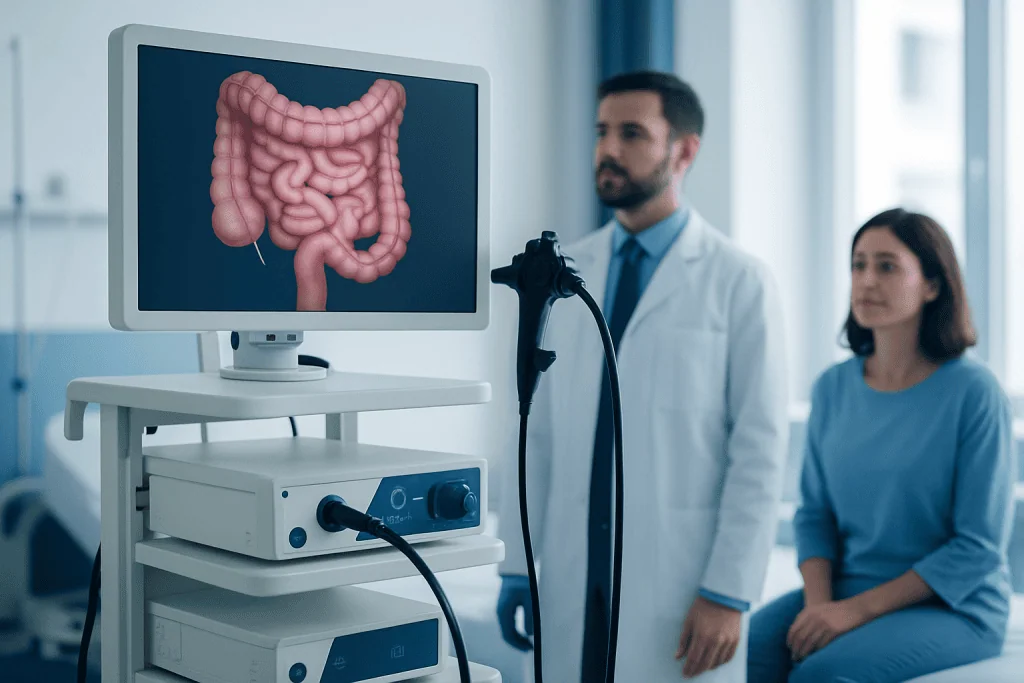
The digestive tract naturally contains many types of bacteria and other microorganisms. Together, they support digestion, influence stool formation, and interact with the immune and nervous systems in the gut. Probiotics are intended to support this internal ecosystem, sometimes called the gut microbiome.
Researchers believe probiotics may help constipation in several ways. They may influence how quickly material moves through the intestines, affect how much water stays in the stool, and reduce intestinal discomfort in some people. Some strains may also help limit gas-producing imbalances or support short-chain fatty acid production, which can affect bowel activity.
Even so, the gut microbiome is complex, and experts are still learning which strains are most useful and for whom. This is why healthcare professionals often advise people to focus on symptom patterns and practical results rather than assuming that any probiotic will work the same way.
Constipation may also overlap with other digestive conditions. For example, some people with irritable bowel syndrome experience constipation-predominant symptoms, while others may have constipation related to broader digestive disorders. In these situations, treatment should match the full clinical picture.
Who may benefit most from probiotics for constipation

Probiotics may be most useful in people with mild to moderate constipation, especially when symptoms began after travel, illness, dietary changes, antibiotic use, stress, or changes in routine. They may also help some people who have bloating and abdominal discomfort along with infrequent bowel movements.
They are often considered when everyday measures such as increasing water intake, improving fiber intake, and moving more have not fully solved the problem. In some cases, a clinician may suggest a time-limited trial of a probiotic along with other lifestyle steps to see whether bowel habits improve over several weeks.
However, probiotics are less likely to solve constipation caused by structural problems, severe slow-transit constipation, nerve or muscle disorders affecting the bowel, pelvic floor dysfunction, or medication side effects. For instance, constipation related to opioids, iron supplements, or certain neurological conditions often needs a more targeted plan.
People with recurring constipation may benefit from evaluation by a specialist in gastroenterology care if symptoms are frequent, troublesome, or associated with pain, bleeding, or unexplained weight loss. The goal is to identify whether probiotics are a reasonable option or whether a different treatment path is needed.
Choosing a probiotic and using it safely
When considering probiotics for constipation, it is helpful to know that products differ by strain, dose, delivery method, and storage requirements. Common probiotic groups used in digestive health include Bifidobacterium and Lactobacillus species, but effectiveness depends on the exact strain rather than the family name alone. Product labels may not always make this easy to compare.
A practical approach is to choose a reputable product and use it consistently for a limited trial period, often several weeks, while tracking bowel frequency, stool consistency, bloating, and comfort. If there is no clear benefit after an appropriate trial, continuing the same product may not be useful. A doctor, dietitian, or pharmacist can help interpret labels and assess whether a product is suitable.
Probiotics are generally well tolerated, but some people notice temporary gas, bloating, or changes in bowel pattern when starting them. These effects are often mild and settle as the gut adjusts. Anyone with severe symptoms should stop the product and seek medical advice.
Although probiotics are considered safe for many healthy adults, they are not right for everyone. People with a severely weakened immune system, those who are critically ill, or those with central venous catheters or certain serious medical conditions should ask a doctor before use. Children, older adults with frailty, and pregnant people may also benefit from individualized advice.
What else works alongside probiotics
Constipation care usually works best when probiotics are combined with proven self-care measures. The most effective basics are adequate hydration, regular physical activity, and a gradual increase in dietary fiber from foods such as vegetables, fruits, legumes, and whole grains. Fiber adds bulk and can help stool pass more easily, but it should be increased slowly to reduce gas and discomfort.
Healthy bowel habits also matter. Responding to the urge to have a bowel movement, allowing enough time in the bathroom, and trying a regular routine after meals may help. Some people find that posture supports such as a small footstool make bowel movements easier by improving rectal alignment.
If these steps are not enough, a doctor may recommend other options such as stool softeners, osmotic laxatives, stimulant laxatives, or prescription medicines depending on the cause and duration of constipation. In people with persistent symptoms, care may involve colonoscopy evaluation or other tests to check for structural disease, inflammation, or other digestive conditions.
In selected cases, especially when constipation is severe or associated with other symptoms, additional assessment such as endoscopic evaluation or motility-focused review may be appropriate. Near the end of the care pathway, Acibadem International’s multidisciplinary specialists and JCI-accredited hospitals diagnose and treat digestive conditions for international patients when more detailed evaluation is needed.
How doctors assess constipation
Doctors usually begin by asking how often bowel movements occur, what the stool is like, how long symptoms have been present, and whether there is straining, pain, bloating, or a sense of incomplete emptying. They also review diet, fluid intake, physical activity, medications, supplements, travel, and any past digestive problems.
A physical examination may help identify abdominal tenderness, rectal issues, or signs of dehydration or underlying illness. Sometimes simple measures are enough to guide treatment, especially if constipation is recent and there are no warning signs.
If constipation is persistent or unexplained, testing may be needed. This can include blood tests, stool tests in some cases, or procedures to look inside the colon. Doctors may also investigate pelvic floor function or how quickly stool moves through the bowel if standard treatments have not helped.
The purpose of evaluation is not only to confirm constipation, but to identify its cause. That matters because treatment differs between functional constipation, constipation related to irritable bowel syndrome, medication-induced constipation, and constipation caused by a structural or neurological problem.
When to seek medical care
Medical advice is important if constipation is new, persistent, or becoming more severe, especially if it lasts more than a few weeks despite self-care. A doctor should also be consulted if constipation regularly interferes with daily life, sleep, appetite, or quality of life.
Urgent assessment is needed if constipation is accompanied by rectal bleeding, black stools, vomiting, fever, severe abdominal pain, a swollen abdomen, unexplained weight loss, weakness, or inability to pass gas. These symptoms do not always mean a serious condition, but they should not be ignored.
People with a history of bowel disease, colorectal polyps, abdominal surgery, thyroid disease, diabetes, neurological disorders, or cancer treatment should discuss ongoing constipation with their healthcare team. The same is true for anyone who depends regularly on laxatives or who notices sudden changes in bowel habits.
Children, pregnant people, and older adults may need earlier medical review because causes and treatment choices can differ. A clinician can help decide whether probiotics are appropriate or whether a different treatment plan is safer and more effective.
Frequently asked questions
Do probiotics work for constipation?
They can help some people, but not everyone. Benefits depend on the probiotic strain, the product used, and the reason for the constipation. They are usually most helpful when combined with good hydration, fiber, activity, and other bowel-friendly habits.
How long does it take for probiotics to help constipation?
If a probiotic is going to help, changes are often noticed over several weeks rather than immediately. Keeping track of bowel movements, stool consistency, and bloating can help show whether the product is making a meaningful difference. If there is no improvement after a reasonable trial, a doctor may suggest a different approach.
Are all probiotics the same for constipation?
No. Different probiotic strains may have different effects in the gut, and product quality can vary. A label that simply says “contains probiotics” does not guarantee the same results as another product.
Can probiotics make constipation worse?
Some people notice temporary bloating, gas, or a change in bowel pattern when starting probiotics. This usually settles, but if symptoms become more uncomfortable or constipation worsens, the product may not be a good fit. Medical advice is sensible if symptoms are persistent or severe.
Should probiotics replace laxatives or fiber?
Usually not. Probiotics are generally considered an additional option rather than a replacement for the main foundations of constipation care. A doctor can help decide whether fiber, laxatives, prescription medicines, pelvic floor therapy, or further testing are more appropriate.
Who should be careful with probiotics?
People with severely weakened immune systems, serious medical illness, or certain high-risk conditions should talk to a doctor before taking probiotics. Extra caution may also be appropriate for infants, frail older adults, and people who are pregnant. Individual medical advice helps make sure a product is safe and suitable.
References
- National Institute of Diabetes and Digestive and Kidney Diseases
- American Gastroenterological Association
- National Institute for Health and Care Excellence
- World Gastroenterology Organisation
This article is for general information only and is not a substitute for professional medical advice. Please consult a qualified doctor about your individual situation.
Persistent digestive symptoms? Get evaluated in Turkey
JCI-accredited · board-certified surgeons · reply within 24h
Add us as a Preferred Source to see more of our trusted health content across Google Search, AI Overviews and Discover.
Check your numbers in seconds
BMI, calories, due date, blood pressure and 30+ more clinical calculators — free, instant, doctor-reviewed ranges.