Active vs Passive Immunity: Key Differences and How Doctors Tell Them Apart

Active immunity forms when the body produces its own antibodies and memory cells after infection or vaccination. Passive immunity comes from antibodies made outside the body, such as maternal antibodies or antibody-based treatments.
Key Takeaways
- Active immunity forms when the body produces its own antibodies and memory cells after infection or vaccination.
- Passive immunity comes from antibodies made outside the body, such as maternal antibodies or antibody-based treatments.
- Doctors distinguish them using the clinical history, timing of exposure, vaccination records, and selected blood tests.
- Active immunity usually lasts longer, while passive immunity offers faster but temporary protection.
- The right approach depends on the situation, such as prevention, recent exposure, immune status, or severe infection risk.
Active vs passive immunity can be told apart by where protection comes from, how quickly it starts, and how long it lasts. Active immunity develops when the body makes its own immune response after infection or vaccination, while passive immunity provides borrowed antibodies that work quickly but fade over time.
Active vs Passive Immunity at a Glance
Active vs passive immunity is mainly about who makes the protective antibodies. In active immunity, a person’s own immune system recognizes a germ or vaccine antigen and builds a response, including antibodies and immune memory. In passive immunity, ready-made antibodies are given from another source, so protection starts quickly but usually does not last as long.
This difference matters in everyday medical care. A vaccine before travel, antibodies after a high-risk exposure, and natural protection passed from a mother to a baby all involve immunity, but they work in different ways and on different timelines.
Doctors often explain the distinction with a side-by-side comparison:
- Source: Active immunity is produced by the person’s own immune system; passive immunity comes from outside the body.
- How it starts: Active immunity develops after infection or vaccination; passive immunity begins after transfer of antibodies.
- Speed: Active immunity takes time to develop; passive immunity acts quickly.
- Duration: Active immunity is often longer-lasting because it creates immune memory; passive immunity is temporary.
- Examples of active immunity: immunity after recovering from certain infections, or after routine vaccination.
- Examples of passive immunity: maternal antibodies during pregnancy or breastfeeding, immunoglobulin after exposure, or some monoclonal antibody therapies.
Understanding this framework helps patients make sense of why one person may be advised to get a vaccine, while another may need immediate antibody-based protection after a recent exposure.
How Active Immunity Works

Active immunity begins when the immune system encounters a foreign substance, called an antigen. This can happen during a natural infection or after vaccination. The body responds by activating immune cells, making antibodies, and creating memory B cells and T cells that help it react more efficiently in the future.
The key advantage of active immunity is immune memory. Even if antibody levels decrease over time, the immune system may still remember the threat and respond more rapidly on re-exposure. That is why vaccination can protect against disease even months or years later, and why booster doses are sometimes recommended to strengthen or refresh that protection.
Active immunity does not appear instantly. It usually takes days to weeks for a full immune response to develop, depending on the person’s age, immune health, prior exposures, and the specific vaccine or infection involved. For this reason, active immunity is most useful when there is time to prepare in advance or to build longer-term protection.
In clinical practice, active immunity is central to prevention. Vaccines are designed to train the immune system without causing the full illness they are meant to prevent. This approach can reduce the risk of severe disease and supports broader infection control in families and communities.
How Passive Immunity Works
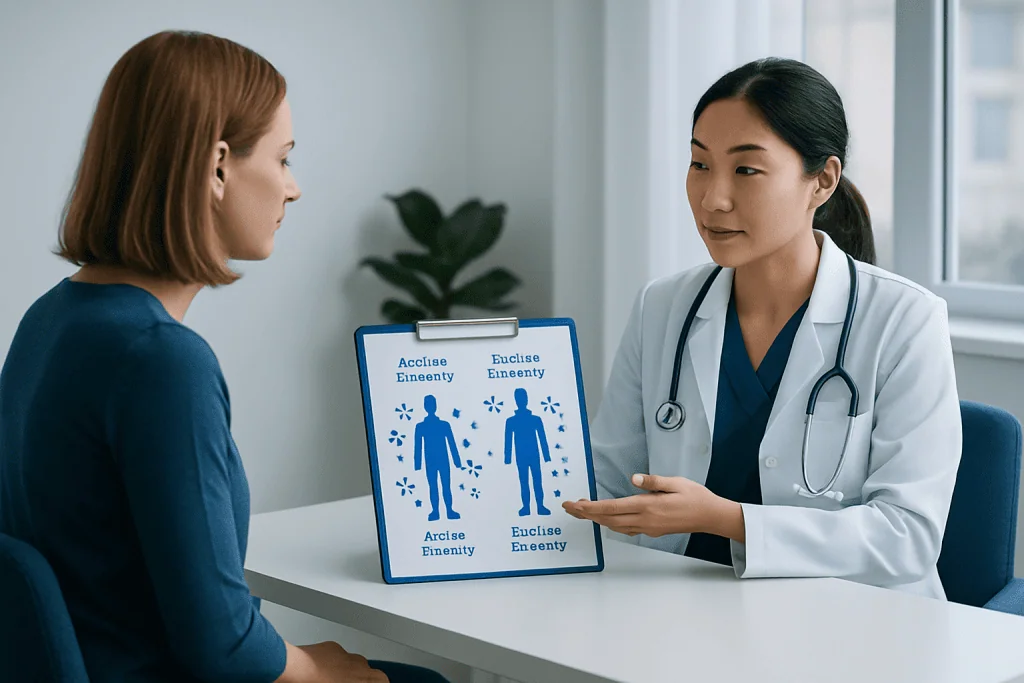
Passive immunity provides protection by supplying antibodies that have already been made by another source. These antibodies can come naturally from the mother to the baby through the placenta, and in some cases through breast milk. They can also be given medically in the form of immunoglobulin preparations or targeted antibody treatments.
The main benefit of passive immunity is speed. Because the antibodies are already formed, they can begin working right away. This is especially helpful after certain exposures, in people with weakened immune systems, or when there is not enough time for a vaccine to create a protective response.
The limitation is that passive immunity usually fades over time. Since the recipient’s own immune system did not create the antibodies, it generally does not build strong long-term memory from passive transfer alone. Once the borrowed antibodies break down, protection decreases.
Doctors may consider passive immunity in situations such as exposure to hepatitis, rabies, tetanus, or other serious infections where immediate protection is important. In some cases, passive and active strategies are used together, with an antibody product for fast protection and a vaccine for longer-term immunity.
How Doctors Tell Them Apart
Clinicians do not usually rely on a single test to distinguish active from passive immunity. Instead, they combine the person’s history, timeline, symptoms, vaccination status, recent exposures, and laboratory findings. The pattern often becomes clear when these pieces are reviewed together.
A careful history is often the most useful starting point. Doctors ask whether the person recently had an infection, received a vaccine, was given immunoglobulin or monoclonal antibodies, or is an infant who may still carry maternal antibodies. Timing is important: passive immunity appears quickly after antibody transfer and fades, while active immunity follows exposure or vaccination more gradually and tends to persist longer.
Blood tests can help, but they must be interpreted in context. Antibody testing may show that antibodies are present, yet that alone does not always reveal whether the body made them or they were transferred from elsewhere. In some situations, the type of antibody, the amount present over time, or the presence of markers linked to recent infection can help clinicians decide. Repeat testing may show whether antibody levels are rising due to an active immune response or slowly declining after passive transfer.
Doctors also look at the clinical setting. For example, an exposed person who receives post-exposure antibodies may have immediate detectable protection without the delayed pattern expected from vaccination alone. Similarly, newborns may have maternal antibodies early in life, which is normal and temporary. If concerns relate to infectious illness, doctors may also evaluate for related conditions such as infectious diseases when symptoms, travel history, or exposure patterns suggest a broader assessment is needed.
What to Do for Each Situation
The next step depends on why immunity is needed. If the goal is long-term prevention, doctors usually focus on active immunity through recommended vaccines and booster schedules. This approach gives the immune system time to build protection and memory, which is why it is preferred for routine prevention whenever possible.
If there has been a recent high-risk exposure, passive immunity may be recommended because it works faster. This can be especially important when the infection can become serious before a vaccine response has time to develop. In some cases, both are used together: one product offers immediate short-term help, while the vaccine supports longer-lasting protection.
For people with immune system disorders or those taking immune-suppressing treatment, the decision can be more individualized. Some may not respond fully to vaccines and may need special timing, extra monitoring, or antibody-based protection in selected circumstances. When there is concern about the body’s immune response itself, further evaluation may involve specialists familiar with autoimmune diseases or other immune-related conditions, depending on the overall picture.
Treatment plans should always be guided by a qualified clinician. Where appropriate, evaluation may include laboratory testing, vaccination review, and discussions about preventive care. In more complex cases, doctors may recommend targeted support, such as immunotherapy in selected immune-related disorders, though this is different from routine passive immunization and is used for specific medical indications.
Common Examples in Daily Medical Care
One of the clearest examples of active immunity is routine childhood and adult vaccination. These vaccines stimulate the immune system to recognize a threat before real exposure occurs. The response is not immediate, but it can provide meaningful protection over time and may reduce the risk of severe disease.
A classic example of passive immunity is maternal antibody transfer. During pregnancy, certain antibodies cross the placenta and help protect the baby during the first months of life. This protection is valuable but temporary, which is one reason infants still need their own vaccination schedules as advised by their doctors.
Another practical example is post-exposure prevention. If a person is exposed to an infection that can become dangerous quickly, a doctor may recommend antibody-based treatment, sometimes together with vaccination. This approach is used selectively and depends on the infection, exposure details, vaccination history, and general health status.
Immunity can also be relevant during diagnosis and follow-up. When symptoms suggest an infection, clinicians may use blood work and other testing to understand whether the immune response is new, past, natural, vaccine-related, or externally provided. If needed, broader diagnostic evaluation may involve check-up services to review overall health, risks, and preventive needs in a structured way.
When to Seek Medical Care
Medical advice is important after a possible exposure to a serious infection, especially if the person is unvaccinated, pregnant, immunocompromised, very young, or has a chronic health condition. Quick assessment can help determine whether a vaccine, passive antibody treatment, both, or neither is appropriate.
People should also seek care if they have fever, rash, breathing difficulty, confusion, severe weakness, persistent vomiting, or other concerning symptoms after an exposure or while ill. These symptoms do not automatically mean a serious condition is present, but they deserve timely evaluation.
Questions about whether immunity is from past infection, vaccination, or transferred antibodies can also be discussed during routine appointments. This is often relevant before travel, before pregnancy, after exposure, or when reviewing records for school, work, or chronic disease management.
Near the end of the care pathway, some patients may benefit from specialist review. Acibadem International’s multidisciplinary specialists in JCI-accredited hospitals evaluate immune and infection-related concerns for international patients, including situations where laboratory interpretation and prevention planning need a coordinated approach.
Prevention, Self-Care, and Questions to Ask
The most reliable way to support active immunity is to stay up to date with recommended vaccines based on age, health status, occupation, and travel plans. Patients should keep a clear vaccination record and share it with their healthcare team. This helps doctors decide whether additional doses, post-exposure measures, or blood tests are useful.
General self-care also supports immune health, although it does not replace specific protection against infections. Adequate sleep, balanced nutrition, regular physical activity, hand hygiene, and managing chronic conditions can all contribute to overall resilience. Avoiding misinformation is equally important, since confusion about vaccines and antibodies is common.
Helpful questions for a medical visit include:
- Do I need immediate protection, long-term protection, or both?
- Could antibodies in my blood be from vaccination, infection, or a recent treatment?
- Would a booster, repeat test, or post-exposure product be appropriate?
- Does my age, pregnancy status, or immune condition change the plan?
These conversations help tailor care to the individual. In some cases, especially where symptoms or complications are present, doctors may use additional tests or imaging and, when necessary, coordinate with specialists to clarify the safest and most effective next step.
Frequently asked questions
What is the main difference between active and passive immunity?
The main difference is where the protective antibodies come from. In active immunity, the body makes its own response after infection or vaccination; in passive immunity, antibodies are provided from another source. Active immunity usually lasts longer, while passive immunity works faster.
Is immunity from vaccines active or passive?
Immunity from vaccines is active immunity. Vaccines stimulate the immune system to produce antibodies and immune memory without causing the full disease they are designed to prevent. Because this process takes time, protection is not usually immediate.
Can someone have both active and passive immunity at the same time?
Yes. In some medical situations, doctors use both approaches together. For example, after certain exposures, a person may receive immediate antibody protection along with a vaccine to build longer-lasting immunity.
How do blood tests help doctors tell them apart?
Blood tests can show whether antibodies are present, but interpretation depends on the clinical context. Doctors look at timing, the type of antibodies, whether levels are changing over time, and whether the person recently had a vaccine, infection, or antibody treatment. Sometimes repeat testing is needed.
How long does passive immunity last?
Passive immunity is usually temporary. The exact duration depends on the source and type of antibodies, but in general it fades as the transferred antibodies are gradually broken down by the body. It does not usually create long-term immune memory on its own.
When might a doctor recommend passive immunity?
A doctor may recommend passive immunity after a high-risk exposure, when rapid protection is needed, or when a person may not respond well to vaccination. It may also be considered for newborns, pregnant patients in specific situations, or people with weakened immune systems, depending on the infection involved.
This article is for general information only and is not a substitute for professional medical advice. Please consult a qualified doctor about your individual situation.
Explore treatments in Turkey — costs, top hospitals & a free quote
JCI-accredited · board-certified surgeons · reply within 24h
Add us as a Preferred Source to see more of our trusted health content across Google Search, AI Overviews and Discover.

More from the Health Library

Is OCD Neurodivergent? Causes, Explanations, and Next Steps

Pain Patch: Possible Causes and When to Seek Care
Insulin Resistance vs Diabetes: Key Differences and How Doctors Tell Them Apart

How to Tell If Sinus Infection Has Spread to Brain? A Doctor-Reviewed Answer

How Many Push Ups a Day? Here Is What the Evidence Says