Insulin Resistance vs Diabetes: Key Differences and How Doctors Tell Them Apart
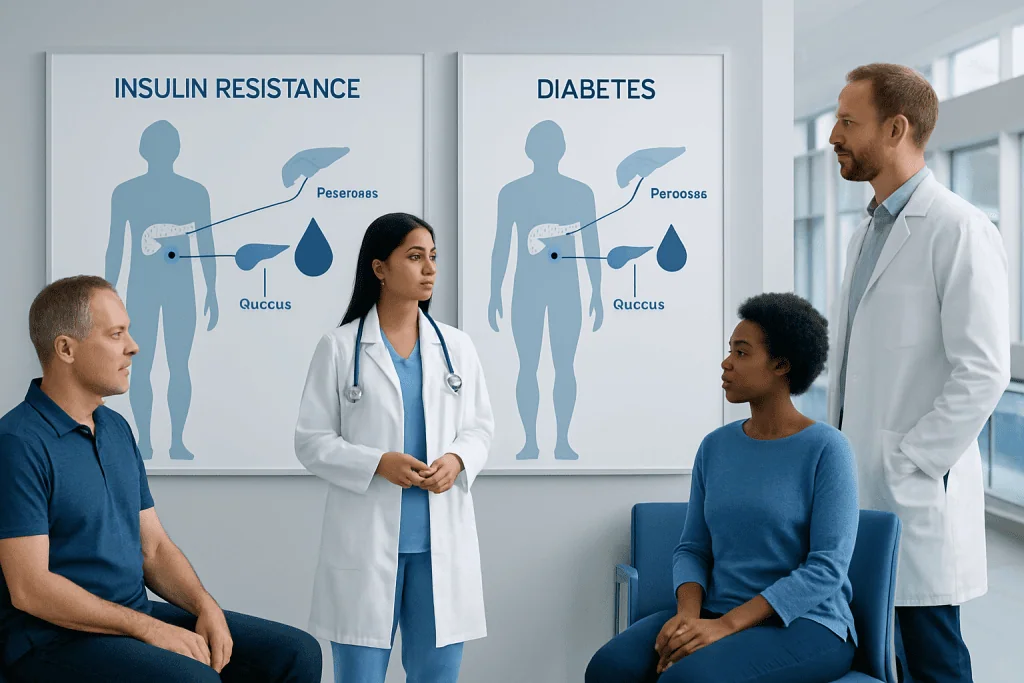
Insulin resistance is a metabolic change; diabetes is a condition defined by persistently elevated blood glucose. Many people with insulin resistance have no noticeable symptoms, so laboratory testing and risk assessment are important.
Key Takeaways
- Insulin resistance is a metabolic change; diabetes is a condition defined by persistently elevated blood glucose.
- Many people with insulin resistance have no noticeable symptoms, so laboratory testing and risk assessment are important.
- Prediabetes is an intermediate state in which glucose is higher than normal but not yet in the diabetes range.
- Clinicians use glucose-based tests, medical history and repeat testing when needed to distinguish these conditions.
- Lifestyle changes can improve insulin sensitivity and lower the likelihood of progression to type 2 diabetes.
- Diabetes requires ongoing clinical care to manage glucose levels and reduce the risk of long-term complications.
Insulin resistance and diabetes are related but not the same. Insulin resistance is a reduced response to insulin that may exist for years with normal glucose levels, whereas diabetes is diagnosed when blood glucose reaches established diagnostic thresholds.
Insulin Resistance vs Diabetes: A Side-by-Side Comparison
Insulin resistance means that muscle, fat and liver cells do not respond to insulin as effectively as they should. Insulin is a hormone made by the pancreas that helps glucose move from the blood into cells for energy. To compensate, the pancreas may produce more insulin, often keeping blood glucose within the usual range at first.
Diabetes is diagnosed when blood glucose is persistently above defined levels. In type 2 diabetes, insulin resistance is often an important contributor, but the pancreas can no longer make enough insulin to overcome it. Insulin resistance therefore increases the chance of developing type 2 diabetes, but it does not automatically mean a person has diabetes.
- Insulin resistance: a reduced cellular response to insulin; blood glucose may still be normal.
- Prediabetes: glucose is above the normal range but below the diabetes range.
- Type 2 diabetes: blood glucose has reached the diagnostic range and needs structured medical management.
- Symptoms: insulin resistance is frequently silent; diabetes may also be subtle, especially early on.
The terms are sometimes used interchangeably in everyday conversation, but clinicians distinguish them because the tests, follow-up and treatment goals may differ. Both deserve attention because early action can support metabolic health and help prevent or delay progression.
How Insulin Resistance Develops

Insulin resistance develops when the body needs more insulin than usual to keep blood glucose controlled. The liver may release more glucose into the bloodstream, while muscle and fat cells may take up less glucose in response to insulin. Over time, the pancreas works harder to produce extra insulin.
It is commonly associated with carrying excess body fat, particularly around the abdomen, low physical activity, a family history of type 2 diabetes, increasing age and certain ethnic backgrounds. It can also occur with polycystic ovary syndrome, fatty liver disease, sleep problems such as obstructive sleep apnea, and some medicines. These associations do not mean that a person has caused the condition; genetics, hormones and wider health circumstances all play a role.
Insulin resistance may be part of a broader pattern called metabolic syndrome, which can include increased waist circumference, elevated blood pressure, raised triglycerides, low HDL cholesterol and higher blood glucose. A clinician considers the full health picture rather than relying on a single finding.
Symptoms: Why the Difference Is Not Always Obvious

Insulin resistance usually causes no clear symptoms. Some people notice skin changes called acanthosis nigricans: darker, thicker or velvety-looking skin, commonly around the neck, underarms or groin. Skin changes can have other causes as well, so they should be assessed by a healthcare professional rather than used to diagnose insulin resistance alone.
High blood glucose in diabetes can also develop gradually. Possible symptoms include increased thirst, frequent urination, tiredness, blurred vision, recurrent infections, slow-healing sores or unintended weight loss. However, many people with type 2 diabetes feel well at diagnosis, which is why screening is valuable for people with risk factors.
Symptoms alone cannot reliably separate insulin resistance, prediabetes and diabetes. A person may have significant insulin resistance without feeling unwell, while symptoms of high glucose can overlap with many other health concerns. Blood testing is the appropriate way to clarify the cause.
How a Clinician Tells Them Apart
Doctors primarily diagnose prediabetes and diabetes using glucose-based blood tests. These may include fasting plasma glucose, hemoglobin A1c (HbA1c), which reflects average glucose over roughly the previous two to three months, or an oral glucose tolerance test. A random plasma glucose test may be used when a person has classic symptoms of high blood glucose.
Diabetes is generally diagnosed by an HbA1c of 6.5% or higher, a fasting plasma glucose of 126 mg/dL (7.0 mmol/L) or higher, or a two-hour oral glucose tolerance test result of 200 mg/dL (11.1 mmol/L) or higher. Unless glucose is clearly high alongside typical symptoms, an abnormal result is usually confirmed with repeat testing on another day. Prediabetes falls between normal and diabetes thresholds.
There is no single routine test that definitively diagnoses insulin resistance in every person. Clinicians may infer it from risk factors, examination findings, glucose results, lipid levels and other metabolic measures. Insulin measurements and calculated indices may sometimes be useful in specialist settings, but they are not usually the main tests used to diagnose diabetes.
A clinician may also check blood pressure, cholesterol, liver health, kidney function and other factors that affect overall cardiometabolic risk. If diabetes is confirmed, further testing helps identify the type of diabetes and guides an individualized care plan. For more information on the diagnosed condition, see diabetes.
What to Do for Each Situation
For insulin resistance with normal glucose, the focus is usually on improving insulin sensitivity and addressing related risk factors. Regular physical activity, a balanced eating pattern, sufficient sleep, stress management and, when appropriate, gradual weight reduction can all be helpful. Sustainable changes are more useful than restrictive short-term plans.
For prediabetes, the same measures are important, alongside periodic glucose monitoring recommended by a clinician. Some people may benefit from medication based on their individual risk profile, medical history and laboratory results. A healthcare professional can help set realistic goals and decide how often follow-up is needed.
For type 2 diabetes, treatment may include lifestyle support, glucose-lowering medicines and regular monitoring. The plan also addresses blood pressure, cholesterol, kidney health, eye health and foot care, because these areas can be affected by long-term high glucose. Some people may require insulin, while others can manage glucose with non-insulin treatments; the right approach depends on the person.
Nutrition support can make day-to-day choices more manageable. A registered dietitian or diabetes care team can help a person build meals around vegetables, fiber-rich carbohydrates, protein and unsaturated fats while considering cultural preferences, finances and other medical needs. Avoid stopping or changing prescribed medicines without medical advice.
Prevention and Everyday Self-Care
Not every case of type 2 diabetes can be prevented, but improving lifestyle factors can meaningfully reduce risk for many people with insulin resistance or prediabetes. A practical starting point is to move more in ways that are enjoyable and safe, including aerobic activity and strength-based exercise when appropriate. Even breaking up long periods of sitting can be beneficial.
Eating patterns that emphasize minimally processed foods, vegetables, fruit, legumes, whole grains, nuts, seeds and appropriate protein sources can support blood glucose and cardiovascular health. Highly sweetened drinks and heavily refined carbohydrates may raise glucose quickly, but no single food alone causes or cures insulin resistance or diabetes.
Regular sleep, treatment of sleep apnea when present, avoiding tobacco and limiting alcohol can also support metabolic health. Home glucose monitoring is not necessary for everyone with insulin resistance or prediabetes; a clinician can advise whether it would be useful and how to interpret readings.
When to Seek Medical Care
A person should arrange a routine medical appointment if they have risk factors for insulin resistance or diabetes, such as a close family history of type 2 diabetes, prior gestational diabetes, polycystic ovary syndrome, excess abdominal weight, high blood pressure, abnormal cholesterol levels or known prediabetes. Screening is especially important because early changes may not cause symptoms.
Prompt medical advice is appropriate for new excessive thirst, frequent urination, unexplained weight loss, persistent fatigue, blurred vision or repeated infections. These symptoms do not always mean diabetes, but testing can identify the cause and enable timely care.
Urgent assessment is needed if a person with known or suspected diabetes has vomiting, abdominal pain, rapid or deep breathing, confusion, severe weakness or inability to keep fluids down. These can be signs of serious illness and should not be managed at home alone.
Acibadem International’s multidisciplinary specialists and JCI-accredited hospitals diagnose and treat diabetes and related metabolic concerns for international patients. A qualified healthcare professional can interpret results in context and help create an appropriate follow-up plan.
Frequently asked questions
Can someone have insulin resistance without diabetes?
Yes. In the early stages, the pancreas may produce additional insulin that keeps blood glucose within the normal range. This is why insulin resistance can be present for years before prediabetes or type 2 diabetes develops.
Is insulin resistance the same as prediabetes?
No. Insulin resistance describes how the body's cells respond to insulin, while prediabetes is defined by blood glucose results that are above normal but below the diabetes range. Insulin resistance often contributes to prediabetes, but the two terms are not interchangeable.
Can a blood test show insulin resistance?
Routine glucose tests are used to identify prediabetes and diabetes, rather than to directly diagnose insulin resistance. A clinician may consider insulin levels and other metabolic findings in selected cases, but results must be interpreted alongside a person's overall health and risk factors.
Can insulin resistance be improved?
For many people, insulin sensitivity can improve with regular physical activity, balanced nutrition, sleep support and weight management when appropriate. Medical treatment for related conditions may also be important. The best plan depends on individual health needs and should be discussed with a clinician.
Does having insulin resistance mean type 2 diabetes is inevitable?
No. Insulin resistance raises the risk, but it does not mean diabetes will definitely occur. Early identification, regular monitoring and sustainable lifestyle changes can help lower risk or delay progression.
How often should people with prediabetes be checked for diabetes?
The timing depends on a person's glucose results, risk factors and treatment plan. Many people need repeat testing at least yearly, but a clinician may recommend more frequent review in some circumstances. Regular follow-up also helps address blood pressure and cholesterol risk.
References
- American Diabetes Association
- National Institute of Diabetes and Digestive and Kidney Diseases
- Centers for Disease Control and Prevention
- World Health Organization
- International Diabetes Federation
This article is for general information only and is not a substitute for professional medical advice. Please consult a qualified doctor about your individual situation.
Explore treatments in Turkey — costs, top hospitals & a free quote
JCI-accredited · board-certified surgeons · reply within 24h
Add us as a Preferred Source to see more of our trusted health content across Google Search, AI Overviews and Discover.
Check your numbers in seconds
BMI, calories, due date, blood pressure and 30+ more clinical calculators — free, instant, doctor-reviewed ranges.

More from the Health Library



Related Specialists

Dr. Veli Çelik
Anesthesiology
Dr. Ayfer Pepekal Kükrer
Gynecology & Obstetrics
Dr. Bilgiye Ergin
Gynecology & Obstetrics
Assoc. Prof. Dr. Fatih Aygün
Pediatric Intensive Care Unit