How to Relieve Stomach Cramps and Constipation? Here Is What the Evidence Says

Mild stomach cramps and constipation are often related to diet, dehydration, routine changes, stress, or temporary slowing of the bowel. Simple measures such as drinking more fluids, gradually increasing fiber, staying active, and using doctor- or pharmacist-recommended remedies may help.
Key Takeaways
- Mild stomach cramps and constipation are often related to diet, dehydration, routine changes, stress, or temporary slowing of the bowel.
- Simple measures such as drinking more fluids, gradually increasing fiber, staying active, and using doctor- or pharmacist-recommended remedies may help.
- Medical care is important for severe pain, vomiting, blood in the stool, fever, a swollen abdomen, or constipation that does not improve.
- Doctors diagnose the cause by reviewing symptoms, medicines, bowel habits, and sometimes using blood tests, imaging, or endoscopy.
- Repeated constipation and cramping may be linked to conditions such as irritable bowel syndrome or other digestive disorders.
Most episodes of stomach cramps with constipation are short-lived and improve with fluids, fiber, physical activity, and time. Persistent, severe, or unusual symptoms can signal a medical problem, so it helps to know what is usually harmless, what warning signs matter, and how doctors evaluate the cause.
Overview: what usually helps first
For many people, the answer to how to relieve stomach cramps and constipation is straightforward: increase fluids, add fiber gradually, keep moving, and give the bowel time to respond. Gentle self-care often works because constipation commonly happens when stool becomes hard and moves too slowly through the intestines, which can lead to bloating, pressure, and cramp-like discomfort.
In many cases, this combination is harmless and temporary. It may follow travel, changes in routine, not drinking enough water, a low-fiber diet, stress, or taking medicines that slow the gut. Cramps may improve after a bowel movement or passing gas.
Even so, not every case should be managed at home. Severe or worsening pain, vomiting, blood in the stool, fever, unexplained weight loss, a swollen belly, or new constipation in an older adult should be assessed by a doctor. These signs do not always mean something serious, but they deserve medical review rather than repeated self-treatment.
Why stomach cramps and constipation happen together
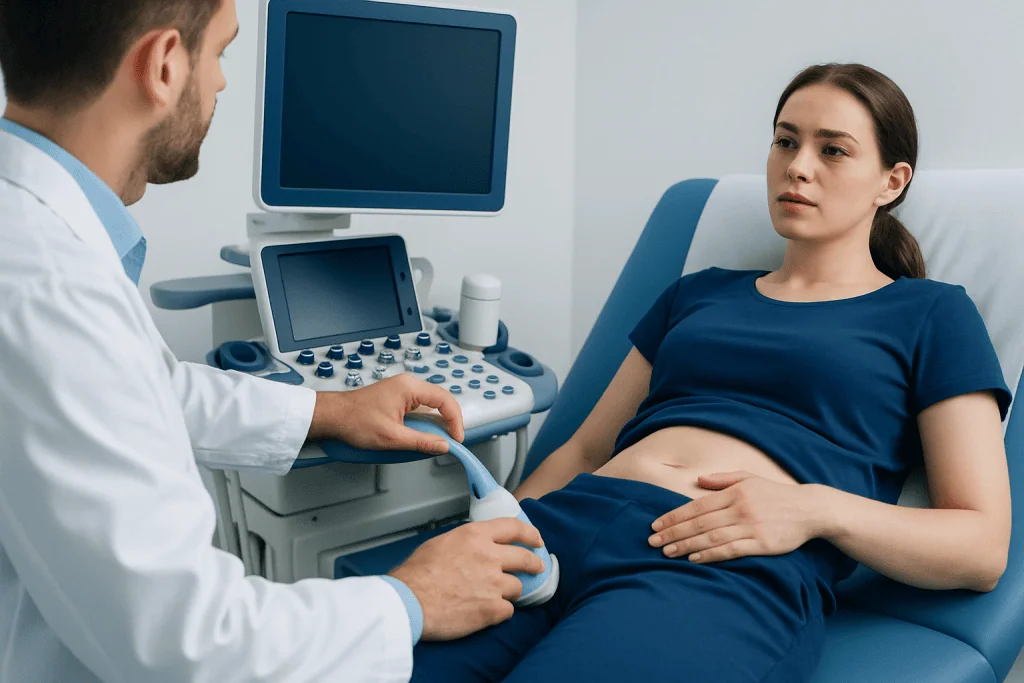
Constipation means bowel movements that are less frequent, difficult to pass, or associated with hard, dry stools. When stool remains in the colon longer than usual, the bowel absorbs more water from it. This makes the stool firmer and harder to move, which can stretch the intestine and trigger cramping.
Cramps often feel like tightening, aching, or intermittent pain in the lower abdomen. They may come with bloating, a sense of incomplete emptying, straining, or passing small pebble-like stools. Some people also notice reduced appetite, nausea, or discomfort that improves after using the toilet.
There are many possible reasons for this symptom pattern. Common triggers include dehydration, too little dietary fiber, inactivity, delaying bowel movements, changes in schedule, and side effects from medications such as opioid pain relievers, iron supplements, some antidepressants, and certain antacids. Hormonal changes, pregnancy, and pelvic floor problems can also contribute.
Sometimes repeated cramping with constipation is part of a longer-term digestive condition. One example is irritable bowel syndrome, in which bowel habits and abdominal pain can vary over time. Less commonly, inflammation, obstruction, thyroid disease, neurological disorders, or colorectal conditions may be involved.
Evidence-based ways to relieve symptoms at home

Hydration is one of the most practical first steps. Drinking enough fluids can help soften stool, especially when dehydration is part of the problem. Warm drinks in the morning may also stimulate the bowel in some people, although the effect varies from person to person.
Dietary fiber can help, but the key is to increase it gradually. Soluble and insoluble fiber add bulk and improve stool consistency, yet suddenly eating much more fiber may worsen gas and cramping for a few days. Foods that may help include fruit, vegetables, beans, oats, and whole grains. Prunes and kiwi are also commonly used because they may support bowel movement regularity.
Movement matters because physical activity can encourage normal bowel contractions. Even a daily walk may be helpful. Creating a regular toilet routine can also support relief: after breakfast or another meal, sitting on the toilet without rushing may make use of the body’s natural gastrocolic reflex.
If lifestyle measures are not enough, over-the-counter options may be useful when chosen carefully. Osmotic laxatives, stool softeners, or bulk-forming products may be recommended by a doctor or pharmacist depending on the person’s age, symptoms, and health conditions. Repeated or long-term laxative use should not replace medical assessment if symptoms keep returning.
What can make cramps worse
Some well-meant remedies can backfire. A large, sudden increase in fiber supplements without enough water may worsen bloating and abdominal cramping. Carbonated drinks, very fatty meals, and highly processed foods can also aggravate digestive discomfort in some people.
Ignoring the urge to have a bowel movement can make constipation harder to reverse. The longer stool stays in the colon, the drier it often becomes. In the same way, prolonged sitting and low physical activity may slow bowel movement further.
It is also helpful to review medicines and supplements. Iron tablets, opioid medicines, calcium supplements, and some treatments for allergies, depression, or blood pressure may contribute to constipation. A doctor may be able to adjust the treatment plan or suggest safer ways to manage bowel symptoms without stopping important medication on one’s own.
- Increase fiber slowly rather than all at once.
- Drink water consistently through the day.
- Avoid overusing stimulant laxatives unless a clinician advises them.
- Seek advice before combining several remedies at once, especially in older adults, children, or during pregnancy.
When to seek medical care
Most mild cases improve within a few days, but some symptoms should prompt earlier medical attention. These include severe or persistent abdominal pain, repeated vomiting, inability to pass gas, a noticeably swollen or rigid abdomen, black or bloody stool, fever, dehydration, or fainting. These signs may suggest a blockage, infection, bleeding, or another condition that needs prompt care.
Medical review is also important when constipation lasts longer than expected, keeps coming back, begins suddenly without a clear reason, or is accompanied by weight loss, anemia, or new bowel changes after age 50. Children, pregnant women, and older adults may need assessment sooner because the causes and safest treatments can differ.
If cramping and constipation are frequent, a doctor may look for conditions such as Crohn’s disease or other intestinal disorders, although these are not the most common explanation. The goal is not to assume the worst, but to identify who can safely try self-care and who may benefit from a more complete evaluation.
How doctors diagnose the cause
Doctors usually begin with a careful history. They ask when the symptoms started, how often bowel movements occur, what the stool looks like, whether there is straining, bleeding, weight loss, or nausea, and what medicines or supplements the person takes. Diet, fluid intake, exercise, stress, travel, previous surgery, and family history can all provide useful clues.
A physical examination may include checking the abdomen for tenderness, swelling, or signs of blockage. Depending on the situation, a rectal examination may help identify stool impaction, hemorrhoids, or pelvic floor problems. This step can be important when symptoms are severe or persistent.
Testing is guided by symptoms rather than used for everyone. Blood tests may look for anemia, inflammation, thyroid problems, or electrolyte imbalance. Imaging such as abdominal X-ray or CT may be used if obstruction is a concern. In selected cases, a doctor may recommend colonoscopy to evaluate the colon, especially if there is bleeding, unexplained weight loss, anemia, or age-related screening needs.
When symptoms point to an upper digestive problem, specialists may consider endoscopy or other studies, although this is less often needed for straightforward constipation. Some people with long-term or difficult constipation may also need tests of colon transit or pelvic floor function to guide treatment.
Treatment options for ongoing or severe constipation
Treatment depends on the cause. If symptoms are related to lifestyle factors, a structured plan for hydration, fiber, movement, and toilet habits may be enough. If medicine side effects are involved, the doctor may suggest alternatives or bowel-supporting measures.
For chronic constipation, different laxative types work in different ways. Bulk-forming agents absorb water and add volume to stool. Osmotic medicines draw water into the bowel. Stool softeners can make stool easier to pass, and stimulant laxatives may be used for short periods in selected cases. A clinician can help choose the most appropriate option based on symptoms and health history.
If there is an underlying disorder, treating that condition often improves bowel symptoms. People with repeated abdominal pain and changing bowel habits may need a tailored plan for gastroenterology care, including diet review, symptom tracking, and follow-up. Rarely, obstruction, severe fecal impaction, or structural disease may require urgent procedures or surgery.
Near the end of the evaluation and treatment pathway, some patients seek coordinated international care. Acibadem International’s multidisciplinary specialists and JCI-accredited hospitals diagnose and treat digestive conditions for international patients when further assessment is needed.
Prevention and self-care for the long term
Prevention focuses on keeping stool soft and bowel habits regular. A balanced, fiber-rich eating pattern, steady fluid intake, and regular physical activity form the foundation. Many people do best when they respond promptly to the urge to use the toilet instead of delaying it.
It can help to notice personal triggers. Some people feel worse with abrupt diet changes, prolonged travel, high intake of processed foods, or periods of stress. Keeping a simple record of meals, bowel movements, and symptoms may reveal patterns and make it easier to discuss them with a doctor.
People who have ongoing cramps, bloating, or constipation should avoid assuming that all bowel discomfort is the same. If symptoms are frequent, disruptive, or changing, a professional assessment is safer than repeated trial-and-error with home remedies. Early guidance may prevent complications such as hemorrhoids, fissures, or fecal impaction.
Frequently asked questions
How long does it usually take to relieve stomach cramps and constipation?
Mild constipation may improve within a day or a few days once fluid intake, diet, and activity are adjusted. Cramps often ease as stool and gas begin to pass. If symptoms persist, worsen, or return often, a doctor should assess the cause.
Can constipation itself cause stomach cramps?
Yes. When stool stays in the colon too long, it can become hard and difficult to pass, stretching the bowel and causing cramp-like pain, bloating, and pressure. The discomfort often improves after a bowel movement or passing gas.
What foods may help when someone is constipated and cramping?
Foods with fiber, such as fruit, vegetables, beans, oats, and whole grains, may help improve bowel regularity. Prunes and kiwi are also commonly used. Fiber should be increased gradually and combined with enough water, because too much too quickly may worsen bloating or cramps.
Are laxatives safe for stomach cramps and constipation?
Some over-the-counter laxatives can be helpful, but the best choice depends on the person and the cause of constipation. They are generally safest when used as directed and for a limited time unless a doctor advises otherwise. Severe pain, vomiting, or suspected blockage should not be treated with laxatives without medical advice.
When is constipation considered serious?
Constipation needs prompt medical attention if it comes with severe pain, vomiting, blood in the stool, fever, fainting, a swollen abdomen, or inability to pass gas. It also deserves assessment if it starts suddenly, lasts longer than expected, or occurs with weight loss or anemia.
Could recurring cramps and constipation be irritable bowel syndrome?
They can be, especially if symptoms come and go and are linked to stress, meals, or changes in bowel habits. However, IBS is only one possible explanation, and other digestive or medical conditions can look similar. A doctor can help distinguish between functional bowel symptoms and problems that need further testing.
This article is for general information only and is not a substitute for professional medical advice. Please consult a qualified doctor about your individual situation.
Persistent digestive symptoms? Get evaluated in Turkey
JCI-accredited · board-certified surgeons · reply within 24h
Add us as a Preferred Source to see more of our trusted health content across Google Search, AI Overviews and Discover.

More from the Health Library

Why Does My Back Hurt When I Wake Up? Here Is What the Evidence Says

Kidney Cancer Symptoms Explained: Common Triggers and Red Flags

Bipolar Disorder vs Bpd: Key Differences and How Doctors Tell Them Apart

How long after drinking water do you pee: Common Causes, Warning Signs, and When to See a Doctor

How to Read Glasses Prescription? Here Is What the Evidence Says