Pores on Face: What Patients Need to Know

Facial pores are normal openings of hair follicles and oil glands. Pores cannot be permanently closed, but their appearance can often be reduced.
Key Takeaways
- Facial pores are normal openings of hair follicles and oil glands.
- Pores cannot be permanently closed, but their appearance can often be reduced.
- Oiliness, genetics, acne, aging, and sun exposure commonly make pores look larger.
- Consistent skin care with sunscreen, gentle cleansing, and non-comedogenic products is important.
- A dermatologist can help if pores are accompanied by acne, irritation, scarring, or sudden skin changes.
Pores on face are a normal part of healthy skin, not a flaw or disease. They may appear more noticeable because of oil production, aging, sun damage, genetics, or acne, and treatment depends on the underlying cause rather than permanently “closing” pores.
Overview: What pores on face really mean
Pores on face are tiny openings in the skin that allow oil and sweat to reach the surface. They are a normal part of skin structure and help keep skin protected and balanced. Most concerns are not about having pores, but about pores appearing larger, darker, or more visible than expected.
Many people look for ways to “close” pores, but pores do not open and shut like doors. What often changes is how noticeable they appear. When pores fill with oil, dead skin cells, or debris, or when surrounding skin loses firmness with age or sun exposure, they may seem wider.
This topic matters because visible pores can overlap with common skin concerns such as excess oil, blackheads, acne, uneven texture, or post-acne marks. A patient-friendly approach focuses on understanding why pores look prominent and choosing realistic treatments that support skin health rather than chasing misleading quick fixes.
Why pores can look larger
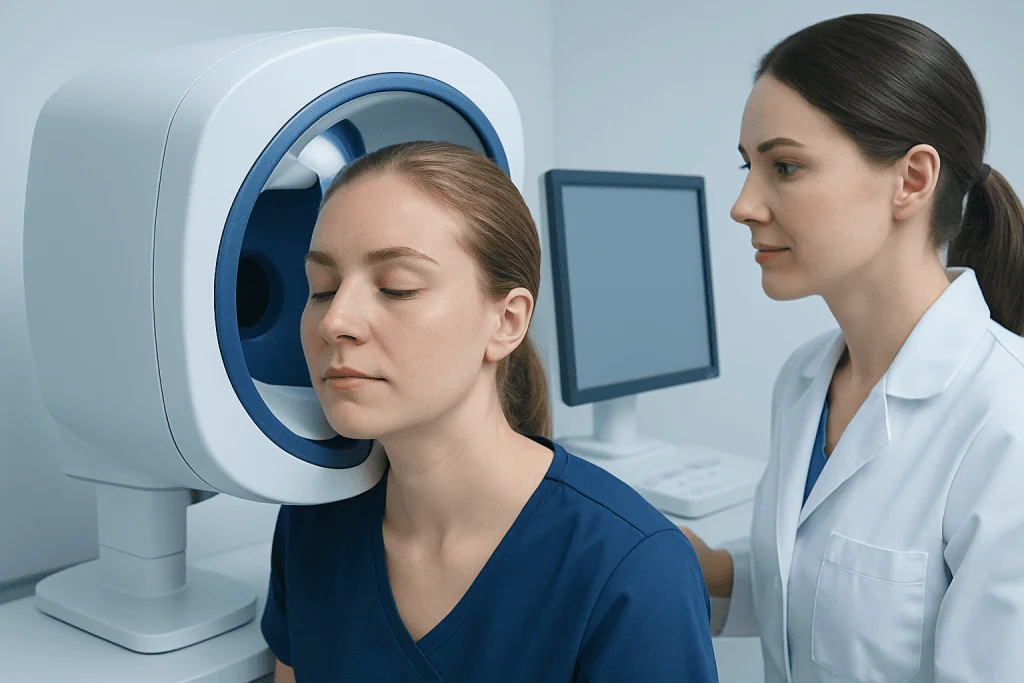
Several factors influence how noticeable pores appear. Genetics play a major role, meaning some people naturally have more visible pores than others. Skin type also matters, especially in people with oily or combination skin, because higher sebum production can stretch the opening of the follicle over time.
Aging is another common reason. As collagen and elastin gradually decrease, the skin around pores may lose support and firmness. This can make pores look more obvious, especially on the cheeks, nose, and forehead. Sun exposure can accelerate these changes by damaging collagen in the deeper layers of skin.
Clogging can also make pores stand out. When oil mixes with dead skin cells, blackheads and rough texture may develop. In people with acne-prone skin, enlarged pores may appear alongside breakouts, inflammation, or mild scarring. For patients dealing with ongoing acne, evaluation for acne may be helpful.
Less commonly, irritation from harsh products, over-exfoliation, or inappropriate cosmetic use can make the skin surface look uneven and draw more attention to pores. In these cases, simplifying skin care may improve both comfort and appearance.
Common signs linked with visible pores
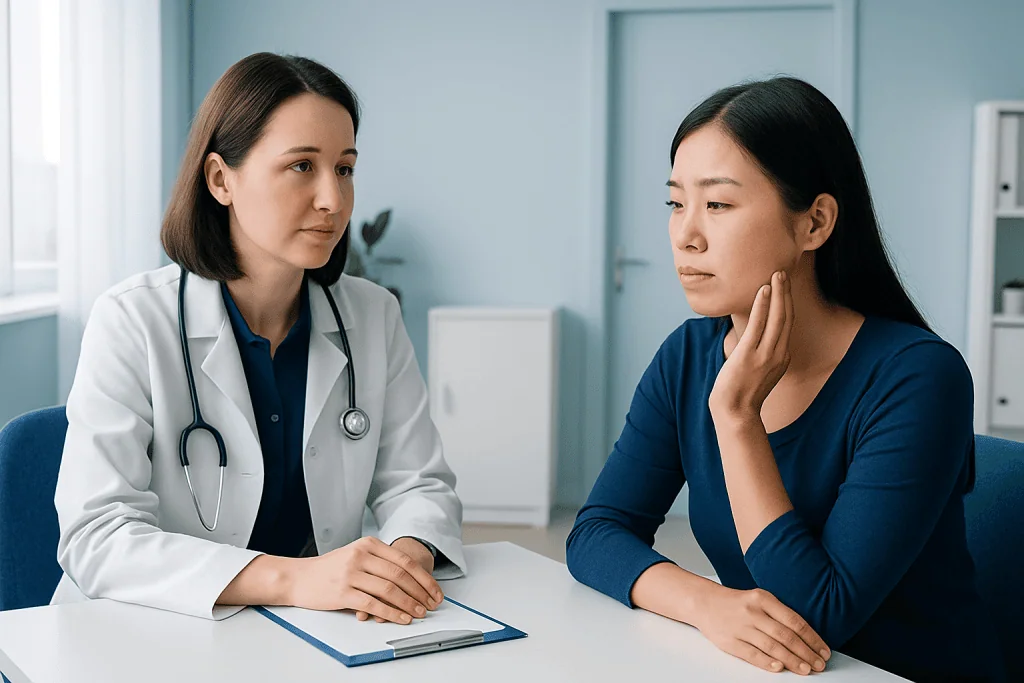
Visible pores are usually most noticeable in the central face, especially the nose, cheeks, chin, and forehead. They may look like tiny dots, shallow pits, or areas of uneven texture. This can be more apparent in bright light, magnifying mirrors, or close-up photography.
Other features often occur together with prominent pores. These include oily shine, blackheads, whiteheads, roughness, mild redness, and recurring acne breakouts. Some patients also notice that makeup settles into pores or that the skin feels congested even after cleansing.
It is helpful to distinguish visible pores from other skin concerns. Acne scars, persistent redness, inflamed bumps, or brown discoloration may need a different evaluation and treatment plan. If texture changes are severe or new, a skin specialist can help clarify whether the issue is enlarged pores alone or another skin condition.
- Most common areas: nose, inner cheeks, forehead, and chin
- Often linked with oily skin and blackheads
- May become more noticeable with age or sun damage
- Can coexist with acne, irritation, or post-inflammatory changes
How doctors assess the cause
Diagnosis usually begins with a skin history and close examination. A doctor may ask when the pores became more visible, whether acne or blackheads are present, what skin care products are used, and whether there has been irritation from exfoliants, retinoids, or cosmetic treatments. Family history and sun exposure habits can also offer useful clues.
In most cases, no laboratory test is needed. The assessment is based on skin type, degree of oiliness, signs of clogged follicles, evidence of sun damage, and whether acne scars or inflammation are contributing. This matters because treatment for oily, clogged pores is different from treatment for pores that look enlarged due to age-related texture changes.
If acne lesions, persistent redness, or unusual pigmentation are present, a dermatologist may recommend a broader care plan. This can include guidance on products, prescription treatments, or office-based procedures. The goal is to improve overall skin texture safely rather than over-treating the skin.
Treatment options for pores on face
Treatment focuses on making pores less noticeable, not eliminating them. For many patients, the first step is a consistent home routine with a gentle cleanser, oil-free moisturizer, and daily broad-spectrum sunscreen. Non-comedogenic products are preferred because they are less likely to clog pores.
Topical ingredients can be helpful when used appropriately. Salicylic acid may support unclogging of pores, while retinoids can improve cell turnover and skin texture over time. Niacinamide may help reduce excess oil and improve the look of uneven skin. Because stronger ingredients can irritate sensitive skin, it is wise to introduce them gradually and seek professional advice if dryness or peeling develops.
When home care is not enough, office-based treatments may be considered. Depending on the skin type and the main cause, a specialist may discuss options such as chemical exfoliation, microneedling, or laser-based resurfacing to improve texture. In selected cases, chemical peel treatment or laser skin resurfacing may be part of a tailored plan.
Patients with both pores and active acne may need treatment that targets breakouts first. This can reduce inflammation and help prevent scarring that makes texture concerns more noticeable. When appropriate, doctors may also recommend acne treatment as part of broader skin management.
Daily skin care and prevention
Daily habits can make a meaningful difference in how pores on face appear. Gentle cleansing twice a day is usually enough for most people. Scrubbing aggressively does not shrink pores and may worsen irritation, redness, or oil rebound. Makeup should be removed carefully, especially before sleep.
Sun protection is one of the most important preventive steps. Regular use of broad-spectrum sunscreen helps protect collagen and can limit texture changes linked with photoaging. Lightweight, non-comedogenic formulas are often better tolerated by people concerned about congestion.
Products should match the skin type. People with oily skin may do well with gel or lotion textures, while dry or sensitive skin often needs barrier-supportive moisturizers. Overusing masks, pore strips, or strong acids can temporarily make skin feel smoother but may also trigger sensitivity. In some cases, dermatology consultation is useful to build a routine that is realistic and skin-safe.
- Wash with a gentle cleanser, usually morning and night
- Use sunscreen every day
- Choose non-comedogenic skin care and makeup
- Avoid picking blackheads or squeezing pores
- Introduce active ingredients slowly to reduce irritation
When to seek medical care
Visible pores alone are usually not a medical emergency, but there are times when professional advice is helpful. A patient should consider seeing a doctor if pores are accompanied by painful acne, frequent inflammation, skin sensitivity, scarring, or persistent dark spots. Medical evaluation can also help if over-the-counter skin care has not improved the problem after a reasonable trial.
Prompt assessment is especially important when there are sudden changes in skin texture, severe redness, crusting, itching, or lesions that bleed or do not heal. These findings may point to a different skin condition and should not be assumed to be simple enlarged pores.
Near the end of the care pathway, some patients also want support choosing between home care and procedures. Acibadem International’s multidisciplinary specialists and JCI-accredited hospitals evaluate skin concerns for international patients and can advise on diagnosis and treatment options based on the individual skin type and goals.
Frequently asked questions
Can pores on face be permanently closed?
No. Pores are natural openings in the skin, so they cannot be permanently closed. However, their appearance can often be reduced by controlling oil, preventing clogging, protecting skin from sun damage, and using the right treatments.
Why are pores on my face more visible on my nose and cheeks?
The nose and inner cheeks often have more active oil glands, so pores in these areas can look larger. Blackheads, excess sebum, and changes in skin firmness with age can make them stand out even more.
Do ice, steaming, or pore strips shrink pores?
These methods may temporarily change how the skin surface looks or feels, but they do not truly shrink pores. Pore strips can remove surface debris, yet repeated use may irritate the skin if done too often.
What skin care ingredients may help with large-looking pores?
Salicylic acid, retinoids, and niacinamide are commonly used to improve oil control and texture. The best choice depends on the skin type, sensitivity level, and whether acne or irritation is also present.
Are visible pores a sign of poor hygiene?
No. Visible pores are usually related to genetics, skin type, age, sun exposure, and acne tendency rather than cleanliness. Over-cleansing or scrubbing can actually irritate the skin and make texture concerns worse.
When should someone see a dermatologist about pores on face?
A dermatologist visit is reasonable if visible pores come with painful acne, blackheads that do not improve, scarring, significant redness, or sudden skin changes. Professional advice is also useful when self-care products are causing irritation or are not helping.
References
- American Academy of Dermatology
- National Institute of Arthritis and Musculoskeletal and Skin Diseases
- Mayo Clinic
- British Association of Dermatologists
This article is for general information only and is not a substitute for professional medical advice. Please consult a qualified doctor about your individual situation.
Explore treatments in Turkey — costs, top hospitals & a free quote
JCI-accredited · board-certified surgeons · reply within 24h
Add us as a Preferred Source to see more of our trusted health content across Google Search, AI Overviews and Discover.