

Runners Bum: A Complete Medical Overview
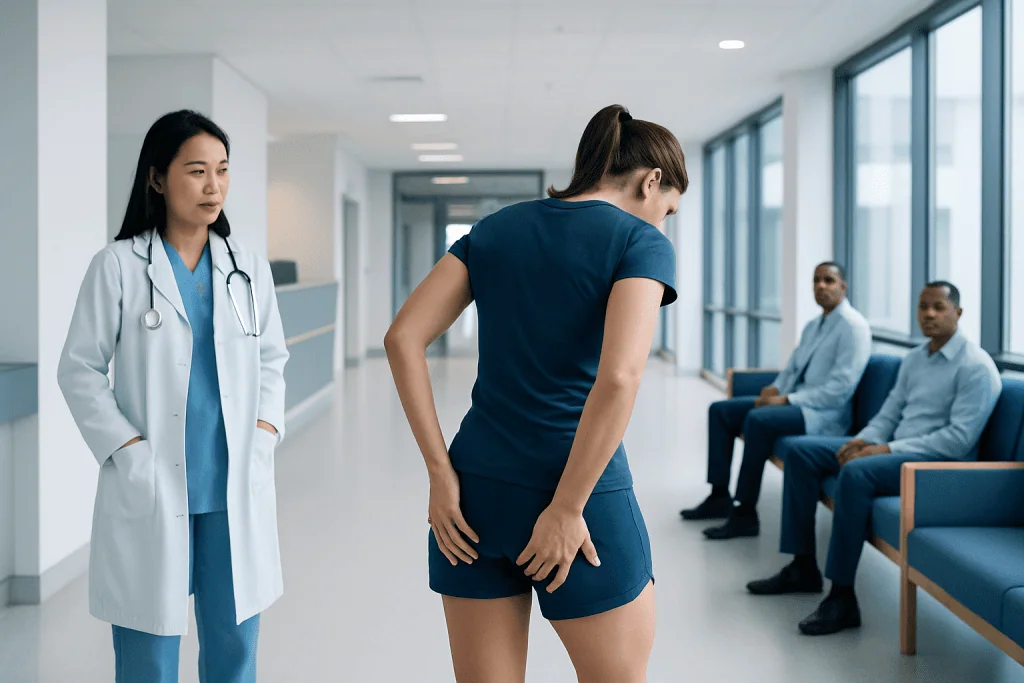
Runners bum is a non-medical term that can describe skin irritation, chafing, gluteal pain, or discomfort around the buttocks linked to running. Common causes include friction from clothing, sweating, muscle strain, poor running mechanics, and prolonged pressure.
Key Takeaways
- Runners bum is a non-medical term that can describe skin irritation, chafing, gluteal pain, or discomfort around the buttocks linked to running.
- Common causes include friction from clothing, sweating, muscle strain, poor running mechanics, and prolonged pressure.
- Most mild cases improve with rest, skin protection, training adjustments, and properly fitting clothing.
- Severe pain, numbness, weakness, bleeding, fever, or symptoms that keep returning should be evaluated by a doctor.
- A careful diagnosis matters because buttock pain can sometimes come from the lower back, hip, or nerve irritation rather than the skin alone.
Runners bum usually refers to irritation, chafing, or pain around the buttocks that develops during or after running. It is often related to friction, moisture, muscle overuse, or pressure, but persistent symptoms may also point to a skin, nerve, or spine-related problem that needs medical assessment.
What Is Runners Bum?
Runners bum is an informal term, not a formal medical diagnosis. People use it to describe discomfort in or around the buttocks that appears during or after running. Depending on the person, this may mean skin chafing, a sore rash in the crease of the buttocks, tenderness in the gluteal muscles, or deeper pain that feels like it comes from the hip, lower back, or nearby nerves.
Because the term is broad, the first step is to understand what kind of symptom is present. Burning, stinging, or a raw feeling on the skin often suggests friction and moisture. A dull ache in the buttock muscles may point to overuse or strain. Sharp, shooting, or radiating pain can sometimes reflect nerve irritation, including pain related to the lower spine.
In many runners, the problem is temporary and improves with better clothing, reduced friction, and training adjustments. However, if symptoms are intense, repeatedly return, or interfere with walking, sitting, or daily activities, a medical evaluation is useful to identify the exact cause and guide treatment.
How It Can Feel: Common Symptoms
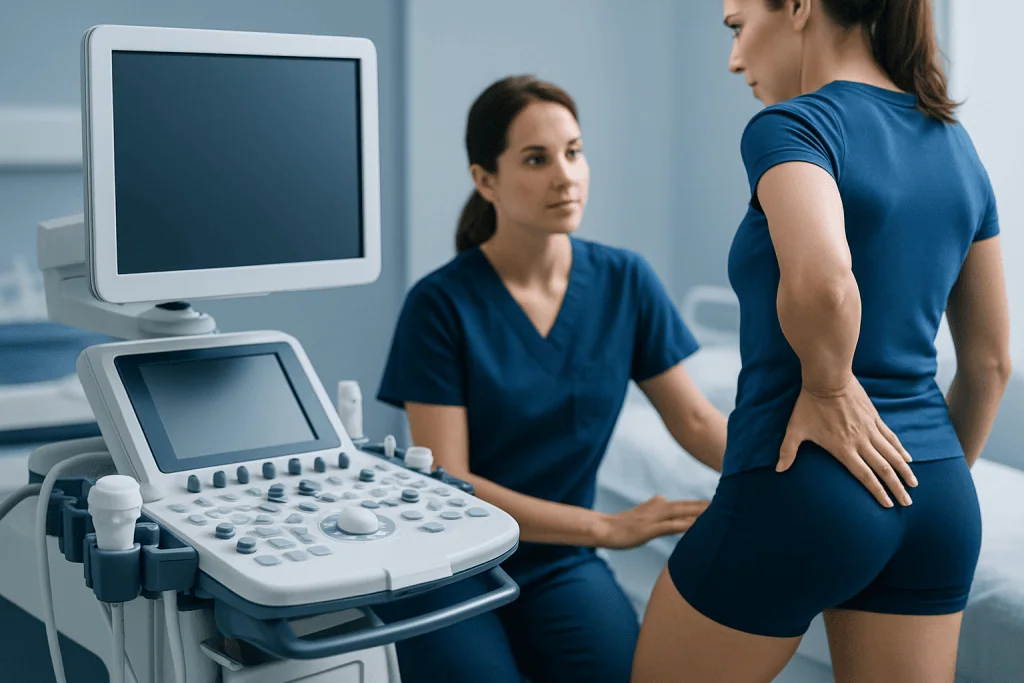
The symptoms of runners bum vary based on whether the main issue is in the skin, muscle, tendon, or nearby nerve structures. Some people mainly notice redness and tenderness after a run, while others feel a deep ache in one buttock when climbing hills, sprinting, or sitting afterward.
Common symptoms may include:
- Chafing, rubbing, or burning between the buttocks or along the underwear line
- Redness, raw skin, itching, or a rash made worse by sweat
- Local soreness in the gluteal muscles after running
- Pain when pushing off, climbing stairs, or sitting on a hard surface
- Tightness in the buttock or upper hamstring area
- Pain that travels down the leg, which may suggest nerve involvement
Skin-related discomfort usually feels superficial and is easier to locate. By contrast, muscular or nerve-related pain is often deeper and may come with stiffness, reduced stride comfort, or tenderness with pressure. If symptoms are associated with numbness, weakness, or bowel or bladder changes, they need prompt medical attention.
Why Runners Bum Happens

Running places repeated stress on the skin and soft tissues around the pelvis and buttocks. The most common cause is friction: skin rubbing against skin, seams, or damp fabric. Sweat and heat soften the skin barrier, making irritation more likely, especially during long runs, hot weather, or humid conditions.
Another common cause is gluteal overuse. The gluteus maximus, medius, and nearby deep hip muscles help stabilize the pelvis and power each step. If training volume rises too quickly, recovery is limited, or strength and mechanics are suboptimal, these tissues can become painful. Sometimes runners describe this simply as runners bum, even when the problem is really gluteal strain or tendon irritation.
Less obvious causes include pressure from poorly fitting clothing, prolonged sitting after exercise, inflamed hair follicles, fungal or bacterial skin irritation, hemorrhoids, or pain referred from the lower back. Conditions affecting the sciatic nerve or lumbar spine may produce buttock pain that worsens with running. In that setting, a doctor may evaluate for sciatica or other causes of referred pain.
Risk Factors and Contributing Habits
Several factors make runners bum more likely. Long-distance runs, hill training, speed work, and sudden increases in mileage can overload tissues. Tight or rough clothing, cotton underwear that holds moisture, and poorly placed seams may increase friction. People who run in heat or stay in sweaty clothes afterward may be at greater risk of skin breakdown and irritation.
Biomechanics also matter. Weak hip stabilizers, poor core control, leg length differences, previous injury, and inadequate warm-up can all shift load onto the gluteal region. Repeated training on sloped surfaces or very hard ground may also contribute to asymmetrical stress.
Other factors include body shape, skin sensitivity, a history of eczema or fungal infections, and occupations that involve prolonged sitting. While many causes are minor, persistent buttock pain may overlap with hip, spine, or soft-tissue conditions that benefit from formal assessment, especially if home care has not helped after a reasonable period.
How Doctors Diagnose the Cause
Diagnosis begins with a focused history. A clinician will ask when the symptoms started, exactly where the pain or irritation is located, whether it is on the skin or deeper, and what makes it better or worse. It is often helpful for patients to note whether the discomfort appears only during running, after long distances, with certain clothing, or during sitting.
A physical examination may include inspection of the skin, assessment of tenderness in the gluteal muscles and tendons, hip movement testing, and a brief neurological exam. This helps distinguish simple chafing from muscle strain, bursitis, tendon irritation, or referred pain from the lower back. If the symptoms suggest a musculoskeletal issue, the doctor may recommend physical therapy and rehabilitation to correct contributing movement patterns.
Imaging is not always needed. However, if pain is severe, prolonged, recurrent, or associated with nerve symptoms, a doctor may consider further testing. In selected cases, imaging such as MRI can help assess soft tissues, the hip region, or the lower spine when the diagnosis is unclear or a more significant injury is suspected.
Treatment Options for Runners Bum
Treatment depends on the cause. For skin chafing or mild irritation, the main goals are to reduce friction, keep the area dry, and allow healing. Temporary rest from running, breathable moisture-wicking clothing, and protective barrier products are often helpful. Gentle cleansing and avoiding harsh soaps can support skin recovery. If there is significant rash, spreading redness, drainage, or concern for infection, medical advice is important.
For gluteal muscle or tendon pain, treatment usually includes reducing training load, addressing muscle tightness, and improving hip and core strength. Some people need a temporary change in activity, such as walking, cycling, or low-impact exercise, while the painful area settles. Guided rehabilitation can help correct stride mechanics, pelvic stability, and gradual return to running.
When buttock pain comes from the lower back or nerve irritation, treatment may focus on the spine rather than the skin or gluteal muscles alone. Depending on the findings, evaluation by specialists in orthopedics may be appropriate. Near the end of the care pathway, patients seeking coordinated international care may also wish to know that Acibadem International’s multidisciplinary specialists in JCI-accredited hospitals diagnose and treat conditions affecting runners, including musculoskeletal and spine-related causes of buttock pain.
Prevention and Self-Care for Runners
Preventing runners bum often involves a combination of skin care, training habits, and movement quality. Many runners benefit from wearing smooth, moisture-wicking shorts or tights, changing out of sweaty clothes promptly, and using anti-chafing products in areas that commonly rub. Good hygiene and fully drying the skin after exercise can reduce the chance of irritation in skin folds.
Training habits matter just as much. Increasing mileage gradually, scheduling recovery days, and alternating intense sessions with easier runs may help prevent overload. Warm-up exercises that activate the gluteal muscles, along with regular hip and core strengthening, can improve pelvic control and reduce stress on the buttock region.
Self-care is most effective when it matches the symptom pattern. A raw rash needs friction reduction and skin protection, while a deep ache often needs load management and strengthening. If symptoms persist despite careful self-care, it is sensible to seek professional advice rather than continuing to train through pain.
When to Seek Medical Care
Many mild cases improve within days to a few weeks once the cause is addressed. Medical review is recommended if the pain keeps returning, limits running, interferes with walking or sitting, or does not improve with rest and simple self-care. Recurrent symptoms may mean the underlying issue has not been correctly identified.
Prompt assessment is especially important if there is severe pain, visible swelling, spreading redness, drainage, fever, numbness, tingling, muscle weakness, or pain that travels down the leg. These signs may indicate infection, significant soft-tissue injury, or a nerve-related problem rather than routine chafing. New loss of bowel or bladder control is an emergency and needs urgent medical attention.
For runners who are unsure whether the problem is dermatologic, muscular, or spine-related, a clinician can help narrow the cause and recommend next steps. Early evaluation can also reduce the risk of prolonged discomfort or compensatory movement patterns that lead to further injury.
Frequently asked questions
What does runners bum mean?
Runners bum is a non-medical term people use for discomfort around the buttocks related to running. It may describe skin chafing, a rash, gluteal muscle soreness, or deeper pain coming from the hip, back, or nearby nerves.
Is runners bum just chafing?
Not always. Chafing is one common cause, especially when sweat, heat, and tight clothing create friction. However, some people use the term for muscle strain, tendon irritation, or nerve-related buttock pain.
How can a runner tell if the problem is skin or muscle?
Skin problems usually feel burning, stinging, itchy, or raw and may come with visible redness or rash. Muscle-related pain tends to feel deeper, achy, or tight and may worsen with hills, stairs, or pushing off while running.
How long does runners bum usually last?
Mild skin irritation may improve within a few days once friction is reduced and the skin is protected. Muscle or tendon pain can take longer, especially if running continues without changes. Symptoms that last more than a couple of weeks or keep returning should be assessed by a doctor.
Can runners bum be related to sciatica?
Yes, in some cases buttock pain during running may come from irritation of the sciatic nerve or the lower back rather than the buttock tissues themselves. Pain that shoots down the leg, or comes with numbness or tingling, should be medically evaluated.
What helps prevent runners bum?
Prevention often includes moisture-wicking clothing, anti-chafing protection, good hygiene, and changing out of wet clothes after exercise. Gradual training progression, proper warm-up, and hip and core strengthening can also help reduce buttock pain linked to overuse.
References
- American Academy of Orthopaedic Surgeons
- American Academy of Dermatology
- National Health Service
- Mayo Clinic
- American College of Sports Medicine
This article is for general information only and is not a substitute for professional medical advice. Please consult a qualified doctor about your individual situation.
Joint and spine care in Turkey — expert assessment & treatment
JCI-accredited · board-certified surgeons · reply within 24h
Add us as a Preferred Source to see more of our trusted health content across Google Search, AI Overviews and Discover.

More from the Health Library


Related Specialists
Dr. G. Pınar Özeren
Gynecology & Obstetrics
Prof. Dr. Can Öbek
Urology
Prof. Dr. Yaman Sarpel
Orthopedic Surgery & Traumatology
Fzt. Yusuf Mücahit Turan
Physical Medicine & Rehabilitation