Bum Leaking: What Patients Need to Know

Bum leaking may involve mucus, small amounts of stool, watery fluid, blood, or pus, and these have different possible causes. Diarrhea, constipation, hemorrhoids, bowel inflammation, infections, and reduced anal muscle control can all contribute to leakage.
Key Takeaways
- Bum leaking may involve mucus, small amounts of stool, watery fluid, blood, or pus, and these have different possible causes.
- Diarrhea, constipation, hemorrhoids, bowel inflammation, infections, and reduced anal muscle control can all contribute to leakage.
- New, persistent, painful, bloody, or foul-smelling discharge should be assessed by a qualified healthcare professional.
- Skin care, regular bowel habits, and treatment of the underlying cause can often reduce leakage and discomfort.
- Urgent medical care is important for heavy bleeding, severe pain, fever, black stools, or signs of a serious infection.
Bum leaking is a non-medical term for fluid, mucus, stool, blood, or pus coming from the anus. The cause is often treatable, but the type of leakage and accompanying symptoms help determine whether simple self-care or medical assessment is needed.
What does bum leaking mean?
Bum leaking usually describes unexpected material coming from the anus, such as mucus, stool, watery fluid, blood, or pus. It can happen once during an episode of diarrhea, or it may be a recurrent problem that causes staining of underwear, itching, odor, or concern about bowel control. Although it can feel embarrassing, it is a common symptom and healthcare professionals are used to discussing it respectfully.
The appearance of the leakage matters. Clear or whitish mucus can occur with irritation in the rectum or changes in bowel habits. Brown staining may be small amounts of stool, while yellow, green, or foul-smelling fluid may suggest infection. Bright-red blood may come from hemorrhoids or a small anal tear, but bleeding should not be assumed to be harmless without appropriate assessment.
Some people use the term “leaking” to describe difficulty holding in gas or stool. This is known medically as fecal incontinence or bowel incontinence. Others have discharge without loss of stool control. A clinician can help distinguish between these patterns and identify the most likely cause.
Common patterns and symptoms that can occur with leakage
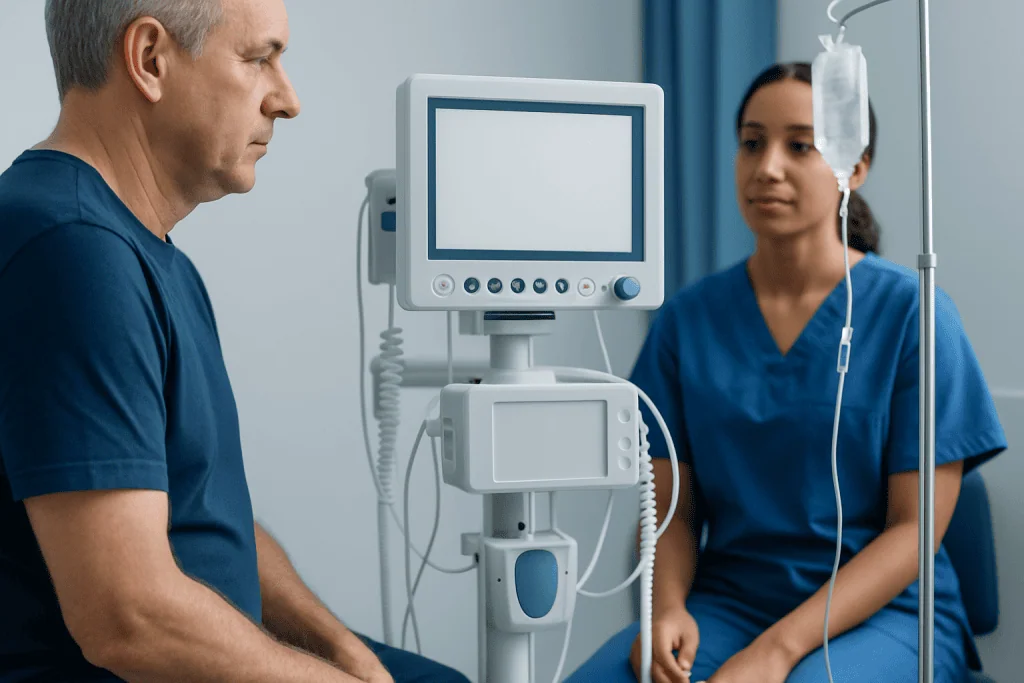
Anal leakage may occur alongside changes in bowel movements. Loose stools can be difficult for the anal muscles to hold back, while constipation can lead to hard stool becoming stuck and softer stool leaking around it. Mucus may be noticed after a bowel movement, with straining, or when wiping. Itching and soreness are common because moisture can irritate the delicate skin around the anus.
Symptoms that may occur with bum leaking include urgency to use the toilet, a feeling of incomplete emptying, abdominal cramping, bloating, rectal discomfort, and pain during bowel movements. Hemorrhoids may cause itching, a lump, or bright-red blood on toilet paper. An anal fissure, which is a small tear in the anal lining, typically causes sharp pain during or after passing stool.
It can be helpful to note when the leakage occurs. For example, leakage only during diarrhea may point toward a temporary bowel upset, whereas leakage after childbirth, pelvic surgery, a nerve condition, or long-standing constipation may be related to reduced bowel control. Recording the color, amount, frequency, bowel habit changes, foods, and associated symptoms can give useful information at a medical appointment.
Possible causes of bum leaking

Temporary bowel changes are among the most common causes. Gastroenteritis, food intolerance, antibiotics, stress, and some medications can cause diarrhea and urgency, making small leaks more likely. Constipation can also contribute, especially when stool becomes impacted in the rectum. Liquid stool may then pass around the blockage, which can be mistaken for diarrhea.
Conditions around the anus and rectum may cause discharge or staining. Hemorrhoids can produce mucus and make cleaning difficult. Anal fissures may cause pain and a small amount of blood. An anal fistula is an abnormal tunnel between the anal canal and the skin; it can produce recurring pus-like or bloody drainage, sometimes with swelling or pain. An abscess, a collection of infection near the anus, may also drain if it opens.
Inflammation in the bowel can increase mucus, urgency, diarrhea, and bleeding. Examples include inflammatory bowel disease, such as ulcerative colitis or Crohn’s disease, as well as proctitis, which is inflammation of the rectum. Less commonly, growths in the bowel or rectum can cause bleeding, altered bowel habits, or mucus. These possibilities are why persistent or unexplained symptoms deserve evaluation rather than self-diagnosis.
Fecal incontinence can result from weakness or injury of the anal sphincter muscles, changes in pelvic floor support, nerve damage, chronic diarrhea, or reduced awareness of rectal fullness. It may occur after difficult childbirth, certain operations, spinal or neurological conditions, or with aging. It is not a personal failure, and effective management options are available.
How doctors assess anal leakage
A clinician will usually begin by asking about the type of fluid, its color, timing, bowel habits, pain, bleeding, fever, weight changes, previous surgery, childbirth history, medications, and relevant medical conditions. They may ask about recent travel, antibiotic use, dietary changes, and family history of bowel disease or colorectal cancer. Honest details help guide the assessment and do not need to be embarrassing.
An examination may include looking at the skin around the anus and, when appropriate, a gentle rectal examination. This can help identify hemorrhoids, fissures, irritation, lumps, impacted stool, or signs of infection. Depending on symptoms and age, a clinician may recommend stool testing, blood tests, an anoscopy or sigmoidoscopy, colonoscopy, imaging, or tests of anal muscle function.
Not everyone with a brief episode of leakage needs extensive testing. However, investigations are more likely when symptoms persist, there is unexplained bleeding, pain, anemia, significant change in bowel habits, recurrent infection, or a concern for inflammatory bowel disease. The goal is to identify the cause and choose treatment that fits the individual situation.
Treatment options and practical self-care
Treatment depends on the cause. If diarrhea is responsible, the priority is identifying and managing the trigger, maintaining hydration, and reviewing any medication that may be contributing. If constipation or stool impaction is involved, a clinician may recommend a plan to soften and regulate bowel movements. It is generally best not to start repeated anti-diarrheal or laxative treatment without advice when leakage is ongoing or unexplained.
Hemorrhoids, fissures, skin irritation, infections, and inflammatory bowel conditions each require different approaches. Treatment may include dietary changes, bowel-regulating medicines, topical treatments, antibiotics when there is a confirmed bacterial infection, or procedures for conditions such as persistent hemorrhoids, fistulas, or abscesses. An anal abscess usually needs prompt drainage by a trained clinician rather than home treatment.
For fecal incontinence, management may include improving stool consistency, pelvic floor exercises, bowel retraining, and referral to a specialist in colorectal care or pelvic floor physiotherapy. Some people benefit from further procedures if muscle injury or another structural cause is identified. Treatment plans should be individualized, particularly for people with neurological conditions, prior pelvic surgery, or inflammatory bowel disease.
Gentle skin care can make symptoms more comfortable while the cause is being addressed. Cleaning with lukewarm water or fragrance-free wipes, patting dry rather than rubbing, and applying a simple barrier cream can protect the skin. Loose, breathable underwear and a small absorbent pad may offer temporary reassurance. Strongly scented soaps and frequent harsh wiping can worsen irritation.
Reducing recurrence and supporting bowel health
Regular, well-formed bowel movements are easier to control than either very hard or very loose stools. For many people, gradually increasing fiber through foods such as vegetables, fruit, legumes, and whole grains can support regularity. However, people with diarrhea-predominant symptoms, inflammatory bowel disease, or a suspected blockage should seek individualized advice before making major dietary changes.
Drinking enough fluids, staying physically active when possible, and allowing unhurried toilet time may also help bowel habits. It can be useful to avoid prolonged straining and to respond to the urge to pass stool rather than routinely delaying it. A footstool that raises the knees slightly while sitting on the toilet can make bowel emptying more comfortable for some people.
A symptom diary may identify patterns, including leakage after particular foods, caffeine, alcohol, fatty meals, artificial sweeteners, or medicines. This does not mean all such foods need to be avoided; it means changes can be discussed with a doctor or dietitian in a structured way. Persistent leakage should not simply be managed with pads alone, because treating the underlying cause may improve both comfort and confidence.
When to seek medical care
Medical advice should be sought if bum leaking lasts more than a few days, keeps returning, interferes with daily life, or is accompanied by a new change in bowel habits. An appointment is also appropriate for mucus or stool leakage without a clear cause, ongoing itching or pain, a new lump near the anus, or concern about reduced bowel control. Early assessment can often prevent skin complications and help identify manageable causes.
Prompt medical attention is important for bleeding from the rectum, especially if it is recurrent, mixed with stool, or associated with fatigue, unexplained weight loss, abdominal pain, or a change in bowel habits. Urgent care is needed for heavy bleeding, black or tar-like stools, severe anal or abdominal pain, fever, chills, dizziness, fainting, or painful swelling with pus-like drainage. These symptoms can indicate conditions that need timely treatment.
People with immune suppression, inflammatory bowel disease, a history of colorectal cancer, recent anal or rectal surgery, or significant neurological disease should have new leakage assessed promptly. Acibadem International’s multidisciplinary specialists and JCI-accredited hospitals can assess digestive and colorectal symptoms for international patients, with care plans based on the underlying diagnosis.
Frequently asked questions
Is bum leaking always a sign of fecal incontinence?
No. Bum leaking can mean mucus, blood, pus, watery discharge, or small amounts of stool. Fecal incontinence specifically means difficulty controlling the passage of stool or gas. A clinician can help determine which pattern is present and what may be causing it.
Can hemorrhoids cause leakage?
Yes. Hemorrhoids can sometimes cause mucus, minor bleeding, itching, and difficulty cleaning after a bowel movement. However, persistent discharge, pain, or bleeding should be checked because other anal or bowel conditions can cause similar symptoms.
Why is there clear or white mucus from the anus?
The bowel normally produces mucus, and a small amount may occasionally be noticed. More obvious mucus can occur with constipation, diarrhea, hemorrhoids, rectal irritation, infections, or inflammatory bowel conditions. Medical advice is sensible if mucus is persistent or occurs with blood, pain, fever, or bowel habit changes.
Can constipation cause stool leakage?
Yes. Severe constipation may cause stool to become impacted, with looser stool leaking around the blockage. This can look like diarrhea but requires a different approach, so it is important to speak with a healthcare professional rather than repeatedly taking anti-diarrheal medicine.
How can the skin be protected from anal leakage?
Gentle cleaning with water or fragrance-free products, careful drying, and a simple barrier cream can reduce irritation. Avoid rubbing, strongly perfumed soaps, and harsh wipes. If skin becomes very painful, broken, bleeding, or infected-looking, medical assessment is needed.
When is rectal bleeding an emergency?
Emergency assessment is needed for heavy bleeding, black tar-like stool, fainting, dizziness, severe abdominal pain, or signs of shock. Smaller amounts of bright-red blood are often not an emergency, but recurrent or unexplained bleeding should still be discussed with a doctor.
References
- National Institute of Diabetes and Digestive and Kidney Diseases
- American Society of Colon and Rectal Surgeons
- National Health Service
- Mayo Clinic
- World Gastroenterology Organisation
This article is for general information only and is not a substitute for professional medical advice. Please consult a qualified doctor about your individual situation.
Persistent digestive symptoms? Get evaluated in Turkey
JCI-accredited · board-certified surgeons · reply within 24h
Add us as a Preferred Source to see more of our trusted health content across Google Search, AI Overviews and Discover.