Medical Emergency: What Patients Need to Know
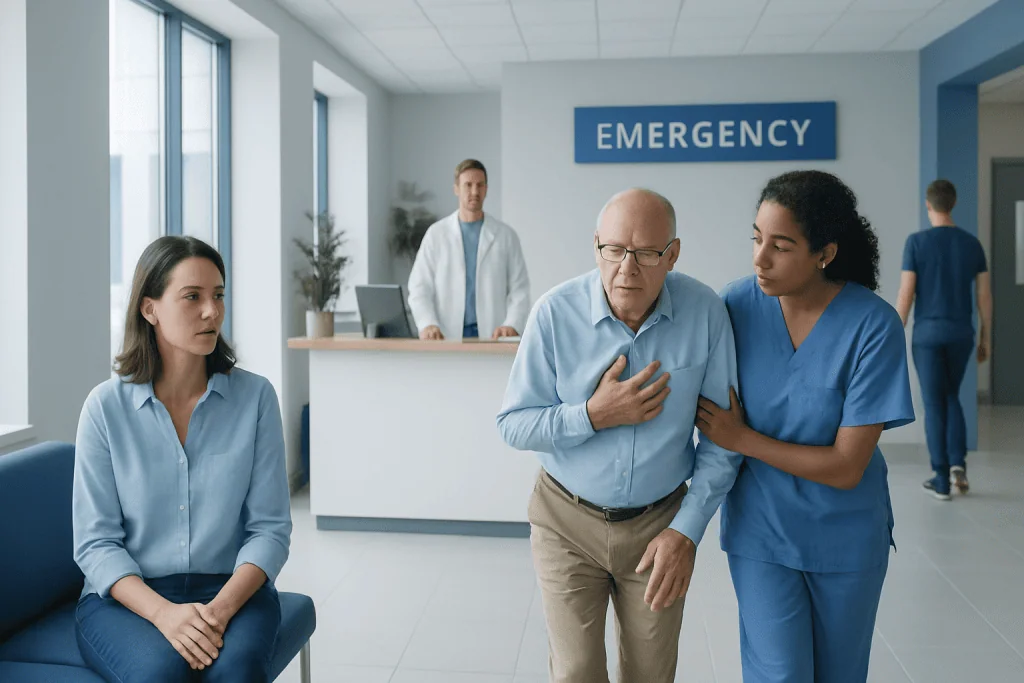
A medical emergency needs immediate assessment and treatment; it should not wait for a routine appointment. Call local emergency services for severe breathing trouble, signs of stroke, chest pressure, major bleeding, loss of consciousness, or serious injury.
Key Takeaways
- A medical emergency needs immediate assessment and treatment; it should not wait for a routine appointment.
- Call local emergency services for severe breathing trouble, signs of stroke, chest pressure, major bleeding, loss of consciousness, or serious injury.
- If uncertain, it is generally safer to seek emergency advice rather than wait for symptoms to worsen.
- Do not drive a person with possible stroke, heart attack, severe injury, or altered consciousness unless emergency transport is unavailable.
- While waiting for help, stay with the person, keep them safe and comfortable, and follow dispatcher instructions.
- Emergency symptoms can look different in children, older adults, pregnant people, and people with chronic conditions.
A medical emergency is a sudden health problem or injury that could threaten a person’s life, breathing, brain function, or long-term health without prompt treatment. Recognizing serious warning signs, calling local emergency services, and giving safe basic support can make an important difference.
What Is a Medical Emergency?
A medical emergency is a sudden illness, injury, or change in health that may cause death, permanent disability, or serious harm without prompt medical care. It can affect anyone, including people who are usually healthy. Examples include a suspected heart attack, stroke, severe allergic reaction, uncontrolled bleeding, serious burn, poisoning, or loss of consciousness.
The most important step is to act quickly when symptoms are severe, sudden, or clearly different from usual. A person does not need to know the exact diagnosis before calling for help. Emergency teams are trained to assess symptoms, begin treatment, and transport people safely when hospital care is needed.
Emergency care is different from routine or non-urgent medical care. A persistent but mild symptom may be suitable for a scheduled appointment, while symptoms that rapidly worsen, interfere with breathing or consciousness, or suggest a problem with the heart or brain require urgent action.
Warning Signs That Need Immediate Help
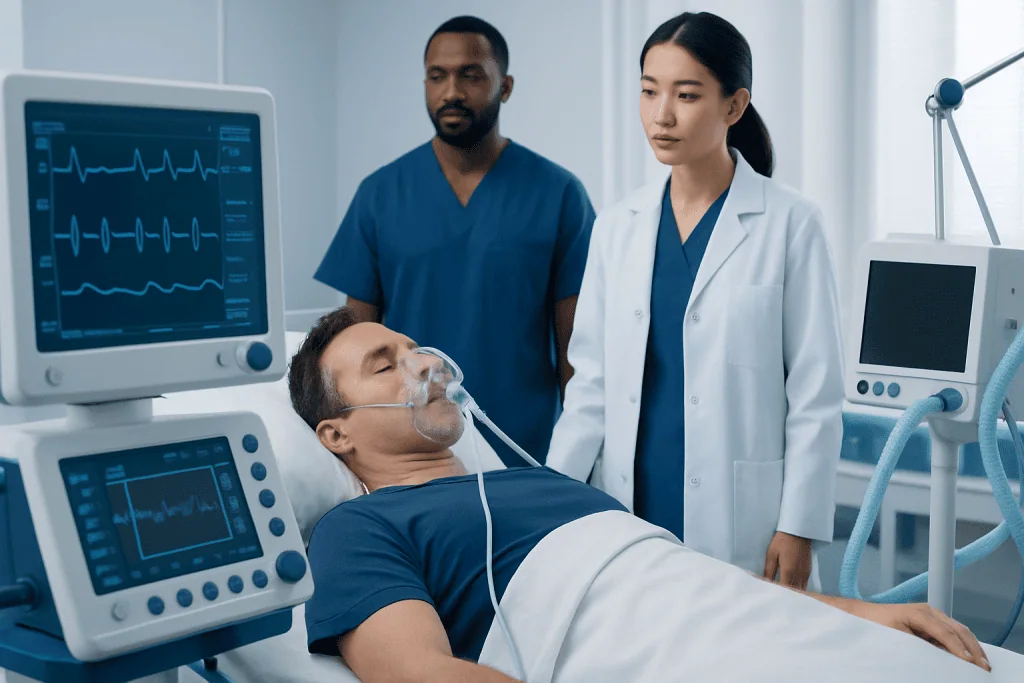
Some symptoms should be treated as emergencies because they can be signs of time-sensitive conditions. Calling the local emergency number is appropriate when a person has chest pressure, tightness, heaviness, or pain that may spread to the arm, back, jaw, or upper abdomen, particularly when it occurs with sweating, nausea, shortness of breath, or faintness.
Sudden neurological symptoms can indicate a stroke. These include facial drooping, weakness or numbness on one side of the body, trouble speaking or understanding speech, sudden confusion, severe imbalance, loss of vision, or a sudden severe headache unlike previous headaches. Even if symptoms improve after a few minutes, emergency assessment is still important.
Other urgent warning signs include severe difficulty breathing; blue, gray, or very pale lips or skin; choking; seizures that are new, prolonged, repeated, or followed by failure to wake; fainting with ongoing symptoms; severe allergic swelling of the face or throat; major bleeding; and serious injuries after a fall, road accident, or blow to the head.
- Sudden severe abdominal pain, especially with a rigid abdomen, vomiting blood, or black stools
- New confusion, extreme drowsiness, or a marked change in behavior
- Severe dehydration, particularly when a person cannot keep fluids down or is barely urinating
- Thoughts of self-harm, a suicide attempt, or behavior creating immediate danger
Why Fast Action Matters

In many emergencies, treatment is most effective when started early. For example, prompt care for a stroke may help protect brain function, while rapid treatment for a heart-related emergency can reduce damage to heart muscle. Severe infections, allergic reactions, breathing problems, and internal bleeding can also worsen quickly without care.
Symptoms do not always follow a typical pattern. Older adults may have confusion or weakness rather than obvious chest pain during a heart problem. Women may experience fatigue, nausea, back discomfort, or breathlessness with a heart attack. Children may become unusually sleepy, difficult to comfort, limp, or have trouble feeding rather than being able to describe their symptoms.
It is not a person’s role to decide whether symptoms are “serious enough” based on appearance alone. When there is a reasonable concern for a life-threatening problem, emergency services can advise on the next steps. Delaying care because symptoms are intermittent, embarrassing, or uncertain can create avoidable risk.
What to Do While Waiting for Emergency Help
First, call the local emergency number or ask another person to call. Give the dispatcher the exact location, the person’s age if known, their main symptoms, when symptoms began, and any relevant conditions, medicines, allergies, or recent events. Keep the phone available, as the dispatcher may provide important instructions.
Stay calm and remain with the person if it is safe to do so. Help them rest in a comfortable position, loosen tight clothing, and avoid giving food, drink, alcohol, or medicines unless an emergency professional specifically advises it. Do not allow a person with possible stroke, heart attack, head injury, or fainting to drive themselves.
If a person is unresponsive and not breathing normally, start cardiopulmonary resuscitation (CPR) if trained, and use an automated external defibrillator (AED) if one is available. Dispatchers can often guide untrained callers through hands-only CPR. If there is severe external bleeding, apply firm, direct pressure using a clean cloth or dressing until help arrives, unless an object is embedded in the wound.
For a seizure, move nearby dangerous objects away and cushion the person’s head if possible. Do not hold them down or place anything in their mouth. After convulsions stop, place them on their side if they are breathing and monitor them until emergency professionals arrive.
When to Seek Medical Care
Emergency care is needed for symptoms that are severe, sudden, escalating, or associated with danger signs such as breathing difficulty, chest pain, one-sided weakness, heavy bleeding, loss of consciousness, or serious trauma. People should call emergency services rather than waiting for a family member, friend, or routine clinic appointment in these circumstances.
Same-day urgent medical evaluation may be appropriate for symptoms that are concerning but not immediately life-threatening, such as a high fever with worsening illness, a painful injury without major deformity, persistent vomiting, a spreading skin infection, or new urinary symptoms with fever. The appropriate service depends on local healthcare systems and the person’s symptoms.
A planned medical appointment is often suitable for mild symptoms that are stable and do not affect breathing, consciousness, circulation, or normal movement. However, a symptom that changes quickly or becomes more severe should be reassessed. People with chronic conditions should also follow any personalized action plan provided by their healthcare team.
Special Situations: Children, Pregnancy and Older Age
Babies and young children can become unwell quickly, and their signs of serious illness may be subtle. Emergency assessment is important for difficulty breathing, blue or gray coloring, unresponsiveness, a seizure, severe dehydration, poisoning, a serious injury, or a fever in a very young infant. Parents and caregivers should also seek urgent advice if a child is unusually floppy, difficult to wake, or not feeding normally.
During pregnancy and the weeks after birth, emergency symptoms include heavy vaginal bleeding, severe abdominal pain, chest pain, shortness of breath, seizures, fainting, severe headache with visual changes, or sudden swelling accompanied by feeling unwell. Reduced fetal movement should be discussed urgently with the maternity care team according to local guidance.
Older adults may be at greater risk of falls, infections, dehydration, medication-related problems, and complications from chronic illnesses. Sudden confusion, a new inability to walk, a fall with head impact, or a rapid decline in usual function deserves timely medical assessment. Caregivers should not assume these changes are simply part of aging.
Preparedness and Follow-Up After an Emergency
Simple preparation can make a stressful situation easier to manage. Families may benefit from keeping an updated list of diagnoses, medicines, allergies, emergency contacts, and preferred healthcare providers. This information can be stored in a phone and kept in an accessible place at home, especially for people with complex medical needs.
Learning basic first aid and CPR is a practical way to prepare for emergencies. Homes, workplaces, and public settings may also benefit from knowing where first-aid supplies and AEDs are located. People should take prescribed emergency medicines exactly as directed by their clinician and ensure that caregivers know when and how they should be used.
After emergency treatment, follow-up care is important even when symptoms have improved. The healthcare team may recommend tests, rehabilitation, medication review, or specialist assessment to identify the cause and help prevent recurrence. Acibadem International’s multidisciplinary specialists and JCI-accredited hospitals support diagnosis and treatment for international patients who need coordinated follow-up care.
Frequently asked questions
What is considered a medical emergency?
A medical emergency is a health problem or injury that may threaten life, breathing, brain function, or long-term health without immediate treatment. Severe chest symptoms, signs of stroke, major bleeding, unconsciousness, and serious breathing difficulty are common examples. When there is doubt, calling local emergency services for guidance is often the safest choice.
Should a person drive themselves to the hospital during a medical emergency?
In general, a person with suspected stroke, heart attack, severe breathing difficulty, major injury, fainting, or altered consciousness should not drive themselves. Emergency transport allows monitoring and early treatment on the way to hospital. It also avoids the risk of symptoms worsening while driving.
What are the first signs of a stroke?
Common stroke signs include sudden facial drooping, weakness or numbness of an arm or leg, and trouble speaking. Sudden vision changes, severe imbalance, confusion, or a severe unusual headache can also occur. Emergency services should be called immediately, even if symptoms disappear.
What should someone do if a person is unconscious?
Call local emergency services immediately and check whether the person is breathing normally. If they are not breathing normally, begin CPR if able and use an AED if available. If they are breathing but remain unconscious, place them on their side if there is no concern for a major spinal injury and monitor them until help arrives.
When is chest pain an emergency?
Chest pain or pressure is an emergency when it is severe, new, persistent, or accompanied by shortness of breath, sweating, nausea, fainting, or pain spreading to the arm, back, jaw, or upper abdomen. Symptoms of heart problems can be less typical in women, older adults, and people with diabetes. It is important not to wait for chest symptoms to become unbearable before seeking help.
Can a severe allergic reaction be a medical emergency?
Yes. Trouble breathing, wheezing, throat tightness, swelling of the tongue or face, widespread hives with dizziness, or fainting may indicate a severe allergic reaction. If the person has been prescribed an epinephrine auto-injector, it should be used as directed, followed by an emergency call because symptoms can return or worsen.
References
- World Health Organization
- American Heart Association
- American Stroke Association
- National Health Service
- Mayo Clinic
This article is for general information only and is not a substitute for professional medical advice. Please consult a qualified doctor about your individual situation.
Heart care in Turkey — expert evaluation and treatment
JCI-accredited · board-certified surgeons · reply within 24h
Add us as a Preferred Source to see more of our trusted health content across Google Search, AI Overviews and Discover.